
Have you ever wondered what a raccoon eats to maintain its mischievous energy and adaptability? Understanding the raccoon diet can uncover intriguing insights into these nocturnal explorers that are often found rummaging through our trash bins.
You’ll discover the diverse and fascinating menu that fuels raccoons, whether they’re in the wild or navigating urban landscapes. By the end, you’ll not only appreciate the cleverness of these creatures but also know how their dietary choices impact their survival.
Stay with us to uncover the secrets behind the raccoon’s eclectic palate and learn why this knowledge is important for both raccoons and humans alike.
Raccoon Eating Habits
Raccoons have unique eating habits shaped by their adaptable nature. They are opportunistic feeders, which means they eat a wide variety of foods depending on what’s available. Understanding their eating patterns can help you better appreciate how these creatures survive and thrive in different environments.
Daily Food Intake
The amount of food a raccoon eats varies with its size, age, and activity level. On average, a raccoon consumes about 1 to 2 pounds of food each day. This includes a mix of fruits, nuts, insects, small animals, and even human leftovers if they live near urban areas.
I once observed a raccoon in my backyard spending nearly an hour picking through fallen apples and then moving on to catch a small frog. This shows how raccoons balance their diet between plant-based and protein-rich foods, depending on what’s easiest to find.
Feeding Times
Raccoons usually feed during the night, making them nocturnal eaters. They start searching for food right after sunset and continue until the early hours of the morning. This behavior helps them avoid predators and human activity.
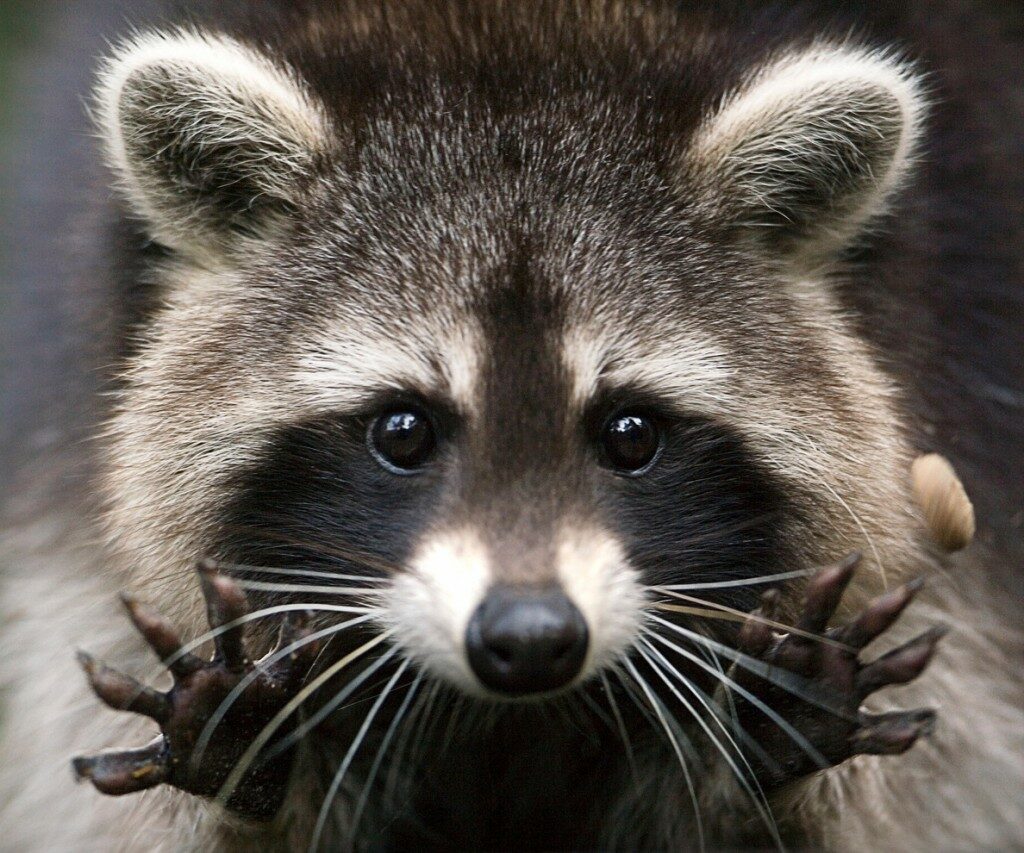
Have you ever noticed raccoons rummaging through your trash late at night? Their feeding schedule often overlaps with when most people are asleep, which is why they can be such effective scavengers.
Credit: www.skedaddlewildlife.com
Natural Food Sources
Raccoons are adaptable creatures with a diet that reflects their ability to thrive in diverse environments. Their natural food sources vary widely, offering you a glimpse into how these animals sustain themselves. Understanding what raccoons eat in the wild can change the way you view their behavior and habits.
Fruits And Vegetables
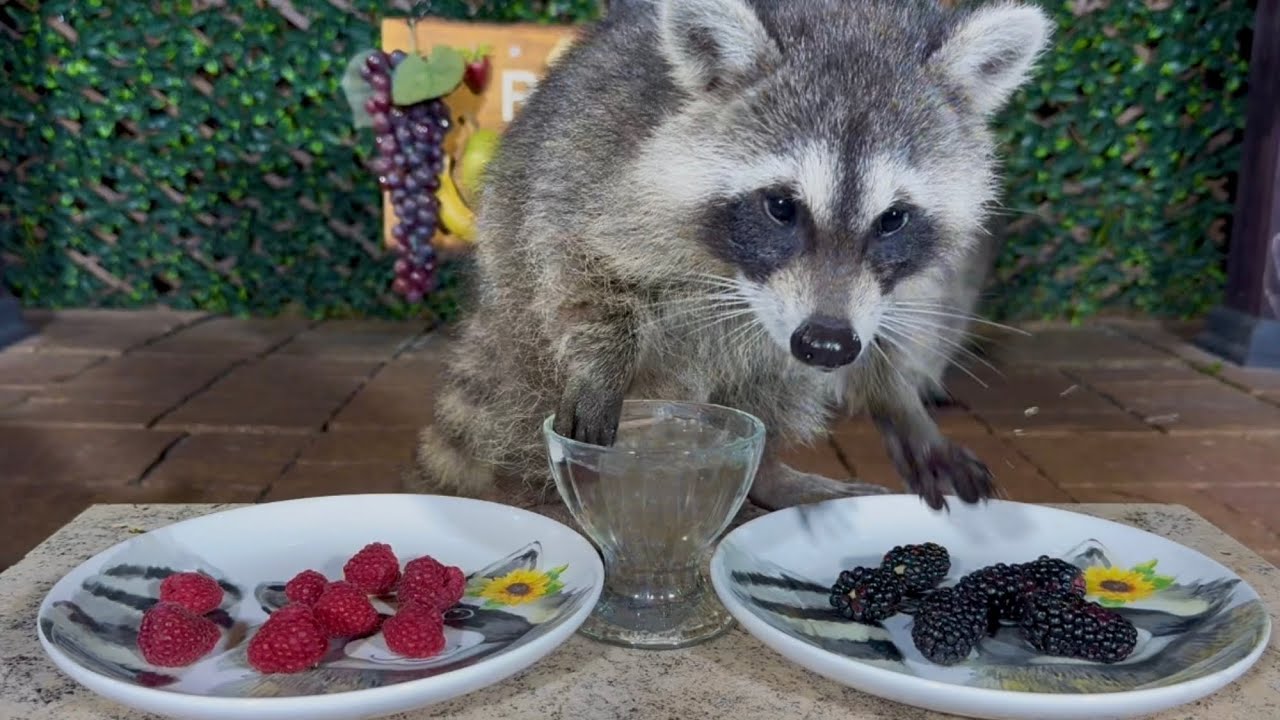
Raccoons enjoy a variety of fruits and vegetables, making these foods a key part of their diet. They often eat berries like blackberries and raspberries, which provide essential vitamins and sugars for energy. You might also find them nibbling on corn, apples, and even wild grapes when available.
Have you ever noticed raccoons raiding your garden? Their taste for fruits and veggies explains why they’re frequent visitors in backyard orchards and vegetable patches. This preference shows their opportunistic nature and ability to adjust their diet based on what’s around.
Insects And Small Animals
Protein is crucial for raccoons, and insects offer a rich source. They catch beetles, grasshoppers, and even caterpillars with impressive agility. Small animals like frogs, rodents, and bird eggs also make up an important part of their meal.
Observing raccoons hunting insects can reveal their patience and cleverness. They use their sensitive front paws to dig and grab, turning over rocks or sifting through leaves. Have you ever wondered how such small creatures pack so much resourcefulness?
Aquatic Foods
Raccoons often forage near water, taking advantage of aquatic food sources. Crayfish and freshwater mussels are favorites, providing both protein and minerals. They are also known to catch small fish and amphibians when the opportunity arises.
Next time you’re near a creek or pond, watch for raccoons at dusk. Their knack for fishing and scavenging in water is remarkable. Isn’t it fascinating how they combine land and water resources to keep their diet balanced?
Raccoons In Urban Areas
Raccoons have adapted well to city life. Urban areas offer many food sources that attract them. These clever creatures often explore neighborhoods in search of easy meals. Their diet changes in cities because natural food is less available.
Human Food Scraps
Raccoons eat leftover food from people’s plates and streets. They find dropped snacks near parks and restaurants. These scraps are high in calories and easy to find. Raccoons use their sharp hands to grab small pieces quickly. This food helps them survive cold seasons.
Garbage And Compost
Garbage bins are a favorite source of food for raccoons. They can open lids or knock over containers to get inside. Compost piles also attract raccoons with fruit peels and vegetable scraps. These places provide a steady supply of food all year. Raccoons often make nighttime visits to avoid humans.
Pet Food And Bird Feeders
Raccoons raid pet food left outside. Bowls with dog or cat food are easy targets. Bird feeders also attract raccoons because of seeds and nuts. They climb poles or trees to reach the feeders. People should secure these food sources to reduce raccoon visits.

Credit: www.youtube.com
Seasonal Diet Changes
Raccoons change their diet with the seasons to stay healthy and find food. Their eating habits shift based on what is easy to find and what they need to survive. These changes help raccoons get enough energy and nutrients throughout the year.
Spring And Summer Foods
In spring and summer, raccoons eat many fresh foods. They enjoy fruits like berries and cherries. Insects and small animals like frogs and crayfish are common in their diet. Young plants and seeds also provide important nutrients. Warm weather brings more food options for raccoons to explore.
Fall Foraging
Fall is a busy time for raccoons. They collect nuts such as acorns and walnuts. Fruits like apples and grapes become a favorite. Raccoons eat more protein by hunting small mammals and birds. They store fat during fall to prepare for colder months. This season’s diet helps them survive winter.
Winter Survival Foods
Winter food is harder to find for raccoons. They rely on stored fat and leftover nuts. They eat bark, roots, and any animals they can catch. Raccoons may visit human areas for scraps. Their diet becomes simpler but still supports their survival in cold weather.
Nutritional Needs
Raccoons need a balanced diet to stay healthy and active. Their bodies require a mix of nutrients to support growth, energy, and repair. Understanding these nutritional needs helps in providing the right food for them.
Proteins And Fats
Proteins are essential for muscle building and tissue repair in raccoons. They get protein from insects, small animals, and eggs. Fats provide energy and help maintain body heat during cold weather. Raccoons find fats in nuts, seeds, and some animal prey. A diet rich in proteins and fats keeps raccoons strong and energetic.
Vitamins And Minerals
Vitamins help raccoons with immune function and overall health. Minerals support bone strength and nerve function. Fruits and vegetables supply important vitamins like A and C. Minerals come from soil on plants and animal bones. Raccoons eat a variety of foods to meet their vitamin and mineral needs naturally.
Credit: www.youtube.com
Feeding Behavior And Techniques
Raccoons have fascinating feeding behaviors that reveal a lot about their adaptability and intelligence. Understanding how they find and handle food can change the way you see these clever creatures. Their techniques often challenge common assumptions, making their diet habits worth a closer look.
Food Washing Myths
Many people believe raccoons wash their food before eating it, but this idea is mostly a myth. Raccoons dip their food in water to make it easier to handle or to remove dirt, not to clean it thoroughly like humans do. Have you ever watched a raccoon dip a crab or a frog in water? It’s more about sensory exploration than hygiene.
This behavior might seem like washing, but it’s actually raccoons using their highly sensitive paws to feel texture and freshness. You might notice this if you ever try handling different foods with wet hands—it changes how things feel. So, next time you see a raccoon “washing” its food, remember it’s using touch, not soap and water.
Foraging Strategies
Raccoons are smart foragers who use several techniques to find food efficiently. They don’t just rely on one method; instead, they combine keen senses and problem-solving skills. If you’ve seen a raccoon open a trash bin or unzip a bag, you’ve witnessed their cleverness firsthand.
They explore various environments, from forests to urban areas, adapting their diet based on what’s available. Their food includes fruits, insects, small animals, and even human leftovers. Think about how you might search for snacks in a new place—raccoons do something similar but with much more skill and persistence.
To observe their foraging yourself, try watching how they investigate different spots at night. Notice how patient and methodical they are. What can you learn from their careful approach that might help you in your own food searches or problem-solving tasks?
Impact Of Diet On Raccoon Health
The diet of raccoons greatly affects their overall health and well-being. Proper nutrition supports their energy, growth, and immune system. Poor diet choices can lead to serious health problems. Understanding the impact of diet helps in protecting these creatures.
Common Dietary Issues
- Eating too much human food high in sugar and fat
- Consuming spoiled or contaminated food
- Lack of variety leading to vitamin and mineral deficiencies
- Overeating causing obesity and joint stress
- Dependence on processed foods instead of natural diet items
Effects Of Poor Nutrition
Raccoons with poor nutrition often show weakness and low energy. Their fur may become dull and patchy. They can develop digestive problems like diarrhea or constipation. Poor diet lowers their ability to fight infections. Long-term effects include stunted growth and shorter lifespan.
Feeding Raccoons Responsibly
Feeding raccoons responsibly means understanding their natural habits and keeping both you and the animals safe. It’s easy to want to help wildlife, but offering food without care can cause more harm than good. Let’s look at what you should do and avoid to keep raccoons healthy and prevent unwanted problems.
Do’s And Don’ts
- Doprovide natural foods like fruits, nuts, and vegetables that raccoons would find in the wild.
- Don’tfeed raccoons processed human food, especially junk food or anything with salt and sugar.
- Doput food out in small amounts and at regular times to avoid overfeeding and dependence.
- Don’tleave food out overnight; this can attract other pests or predators.
- Doclean up leftover food to prevent spreading disease or encouraging raccoons to linger too long.
- Don’thand-feed raccoons directly as this can make them aggressive or too comfortable around humans.
Safe Feeding Practices
Choose a safe spot to place food, away from your home’s entrances or places where pets roam. This reduces the chance of raccoons causing damage or interacting too closely with your family. Using a sturdy container or platform helps keep food clean and prevents it from being scattered.
Observe the raccoons from a distance to see how they react and adjust your feeding habits accordingly. If they start showing signs of aggression or if more raccoons arrive than expected, it’s time to stop feeding. Remember, your goal is to support them, not make them dependent on you.
Have you ever noticed how quickly raccoons learn to find food sources? Their intelligence is impressive but also a reminder that feeding them carelessly can teach bad habits. Responsible feeding helps keep their natural behaviors intact and your neighborhood safe.
Frequently Asked Questions
What Do Raccoons Eat In The Wild?
Raccoons are omnivores and eat fruits, nuts, insects, small animals, and bird eggs. They adapt their diet seasonally, seeking what’s available.
Can Raccoons Eat Human Food Safely?
Raccoons can eat some human foods like bread and leftovers, but processed foods may harm them. It’s best to avoid feeding them.
How Do Raccoons Find Food At Night?
Raccoons use their sensitive paws and keen sense of smell to locate food in the dark. They are excellent nocturnal foragers.
Do Raccoons Eat Garbage Or Pet Food?
Yes, raccoons often scavenge garbage and pet food. This behavior can cause conflicts with humans and lead to dependency on easy food sources.
Conclusion
Raccoons eat a wide variety of foods. They enjoy fruits, nuts, insects, and small animals. Their diet changes with seasons and availability. This flexibility helps them survive in many places. Understanding what raccoons eat helps us respect their role in nature.
Watching them find food can be interesting and fun. Remember, feeding wild raccoons is not safe for them or you. Keep a safe distance and enjoy their natural behavior. Raccoons show how animals adapt to their environment every day.







