
Are you ready to transform your upper body strength without complicated equipment? A push up board workout plan is exactly what you need to build muscle, improve endurance, and boost your confidence—all from the comfort of your home.
This simple tool guides your hand placement to target different muscles, making every push-up count. Stick with me, and you’ll discover how to maximize your results with an easy-to-follow routine that fits your schedule. Let’s dive in and get your body moving the right way!

Credit: xquippro.com
Benefits Of Push Up Board Workouts
The push up board workout is more than just a simple exercise tool. It offers a variety of benefits that can elevate your fitness routine and help you reach your goals faster. Understanding these benefits can motivate you to add this versatile workout to your daily regimen.
Targeting Multiple Muscle Groups
The design of the push up board allows you to work on different muscle groups by changing hand positions easily. You can focus on your chest, shoulders, back, and arms without needing multiple machines or weights.
This variety keeps your workouts interesting and ensures balanced muscle development. Have you tried switching hand placements to feel the difference in muscle engagement?
Improving Strength And Endurance
Regular use of the push up board challenges your muscles to grow stronger and last longer. Unlike regular push ups, the board provides stability and resistance that helps push your limits safely.
Over time, you’ll notice you can do more reps with better form. Would you like to see how your endurance improves week by week with a structured push up board plan?
Enhancing Joint Stability
The push up board supports your wrists and elbows in a natural position, reducing strain and risk of injury. This support helps build stronger joints, which is crucial if you want to avoid setbacks from pain or discomfort.
Improved joint stability also means better performance in other exercises and daily activities. How much do you value joint health in your fitness journey?
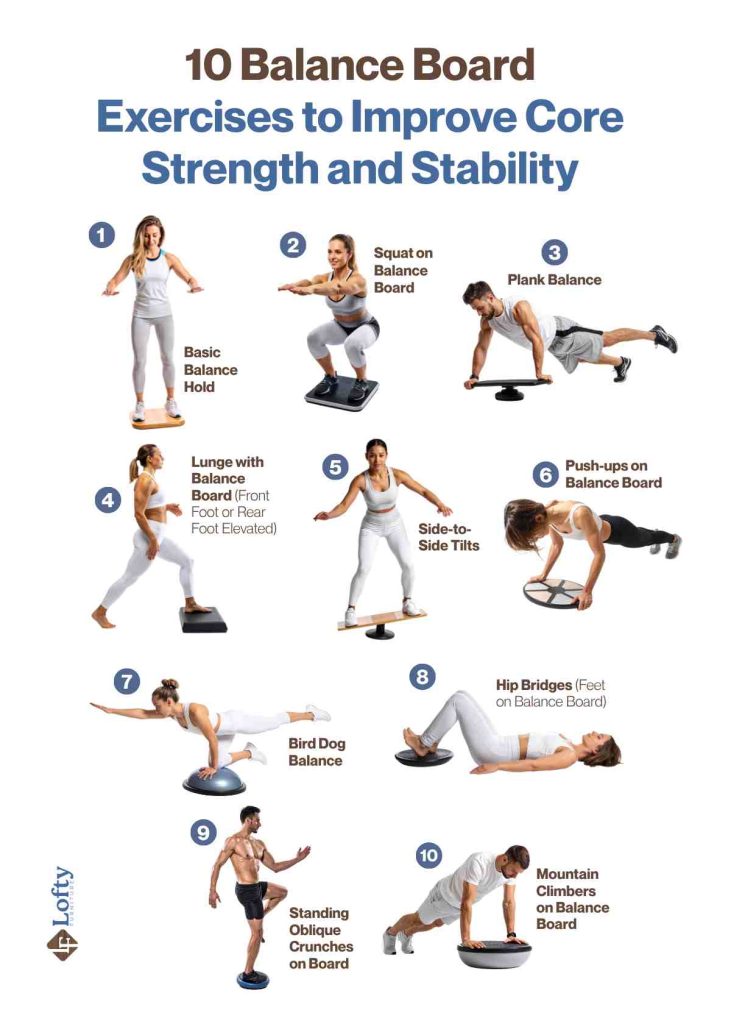
Credit: loftyfurniture.com
Choosing The Right Push Up Board
Choosing the right push up board is important for a good workout. The board must suit your needs and last long. It should support different exercises and fit your space. Quality and design matter for safety and comfort. Let’s explore key features to consider.
Material And Durability
Push up boards come in various materials like plastic, wood, and metal. Plastic boards are lightweight but may break over time. Wood offers strength but can be heavy. Metal boards are very strong but might be expensive. Choose a board that feels sturdy and can hold your weight without bending or cracking. Good durability means the board will last through many workouts.
Adjustable Positions
A push up board with adjustable positions helps target different muscles. Multiple slots allow you to change hand placement easily. This variety improves strength in your chest, shoulders, and arms. Check how many positions the board offers. More options mean better workout variety. Also, the positions should be easy to switch during exercise.
Portability And Storage
Consider the size and weight for easy transport and storage. A compact board fits well in small spaces and can be carried to the gym or park. Some boards fold or come with a carry bag. Lightweight boards are good for travel. Make sure the board can be stored without taking too much room.
Setting Up Your Workout Space
Creating the right environment for your push-up board workout can make a huge difference in your performance and safety. Your workout space should feel inviting and practical, helping you stay focused and motivated. Let’s look at some key points to get your area ready for effective training.
Finding A Flat Surface
Start by choosing a flat, sturdy surface for your push-up board. Uneven floors can throw off your balance and reduce the effectiveness of your workout.
Hardwood, tile, or a solid gym mat are great options. Avoid carpeted areas that can cause your board to wobble or slide.
Have you checked if your space offers enough room around the board to move freely? This simple detail can prevent accidents and improve your range of motion.
Ensuring Safety And Comfort
Safety should never be an afterthought. Make sure the area is free of clutter like loose cables, toys, or furniture that could cause you to trip or lose focus.
Adding a cushioned mat underneath your push-up board can protect your wrists and knees. It also provides extra grip, preventing the board from slipping.
Don’t forget good lighting. A well-lit area helps you maintain proper form and stay alert during your workout.
Warming Up Before Exercise
Take a few minutes to warm up before starting your push-up board routine. This prepares your muscles and reduces injury risk.
Simple moves like arm circles, shoulder shrugs, or light jogging in place increase blood flow and loosen joints.
Have you noticed how warming up boosts your performance? It’s a small step that makes your workout feel smoother and more controlled.
Push Up Variations On The Board
The push up board is more than just a sturdy platform; it’s a tool that helps you target different muscles by adjusting your hand placement. Using the board, you can switch between push up variations with ease and precision. This variety keeps your workouts fresh and challenges your muscles in new ways.
Standard Push Ups
Start with the basic push up using the board’s neutral hand positions. This targets your chest, shoulders, and triceps evenly. The board keeps your wrists aligned, reducing strain and letting you focus on form.
Try doing sets of 10 to 15 reps, paying attention to your body’s alignment. If you feel discomfort, adjust your hand placement slightly on the board. Have you noticed how a small change in hand position affects muscle activation?
Wide Grip Push Ups
Place your hands on the outer slots of the board to perform wide grip push ups. This variation puts more emphasis on your chest muscles and the front of your shoulders. It’s a great way to build upper body strength with a different angle.
Start with fewer reps because this move can be tougher on your shoulders. If you want to increase difficulty, slow down the movement to engage your muscles more deeply. How does your chest feel different after wide grip versus standard push ups?
Triceps Push Ups
Shift your hands closer together on the board to focus on your triceps. This narrow grip targets the back of your arms and the inner chest. The board guides your hand placement, making it easier to maintain proper form.
Try sets of 8 to 12 reps, keeping your elbows close to your body. This variation can help you build stronger arms faster. Have you ever noticed how pushing through your triceps changes the effort compared to regular push ups?
Incline And Decline Push Ups
Use the board on an elevated surface for incline push ups or place your feet on a raised platform for decline push ups. Incline push ups reduce the load, making them perfect for beginners or warm-ups. Decline push ups increase difficulty by shifting more weight to your upper chest and shoulders.
Mix these variations to challenge different muscle groups and improve overall strength. Keep track of which position feels strongest and which needs more work. What new results could you see by adding incline or decline push ups to your routine?
Designing A Weekly Workout Plan
Creating a weekly workout plan with your push up board can dramatically improve your strength and endurance. The key is structuring your sessions so you challenge your muscles without overdoing it. Let’s break down how to balance your workouts effectively and keep progressing week by week.
Balancing Intensity And Rest
Pushing yourself too hard every day can lead to burnout or injury. Aim to mix high-intensity push up sessions with lighter days or complete rest. For example, you might do intense sets on Monday, Wednesday, and Friday, while using Tuesday and Thursday for active recovery or gentle stretching.
Listen to your body closely. If your muscles feel overly sore or fatigued, it’s okay to swap a workout day for rest. Remember, rest days are when your muscles repair and grow stronger, so don’t skip them just because you feel motivated.
Progressive Overload Techniques
To build muscle and strength, you need to gradually increase the challenge. Start by adding more reps or sets to your push up board workout each week. You can also change hand positions on the board to target different muscle groups more intensely.
Tracking your progress helps you stay on course. Keep a simple log of how many reps and sets you complete, then aim to improve by small increments. Have you tried slowing down your push ups to increase time under tension? That’s a powerful way to make your muscles work harder without adding more reps.
Incorporating Cardio And Flexibility
Push ups build upper body strength, but your plan should include more than just that. Add cardio sessions like brisk walking, cycling, or jumping rope to boost heart health and endurance. Even 20 minutes a few times a week makes a big difference.
Don’t forget flexibility work. Stretching your chest, shoulders, and arms after your push up workout helps prevent tightness and improves range of motion. Have you noticed how much easier push ups feel when your muscles are loose and flexible?
Tracking Progress And Adjustments
Tracking progress and making adjustments are key to a successful push up board workout plan. It helps you see how far you have come and what needs to change. Consistent tracking keeps motivation high and guides your workout choices.
Recording Reps And Sets
Write down the number of push ups done in each set. Note the total sets completed in every workout session. Use a notebook or an app for easy tracking.
Keep records clear. Check if you can increase reps or sets over time. This simple habit shows real progress and builds workout confidence.
Noticing Muscle Growth
Watch for changes in muscle size and strength. Take pictures weekly or measure arm and chest size with a tape. Look for firmer muscles and less fatigue during exercises.
Small changes add up. Muscle growth means your body adapts well to the push up board workout. This signals it is time to increase difficulty.
Modifying Workouts For Plateaus
Plateaus happen when progress slows or stops. Change your workout to push past these moments. Try different push up positions on the board to target new muscles.
- Increase reps or sets gradually.
- Reduce rest time between sets.
- Use slower, controlled movements.
- Add holds at the lowest point of the push up.
Adjusting workouts keeps your muscles challenged and growing. This avoids boredom and keeps results coming.
Common Mistakes To Avoid
Knowing what to avoid during your push up board workout can save you from injuries and help you see better results. Many people unknowingly make mistakes that slow down progress or cause strain. Let’s look at some common pitfalls and how you can steer clear of them.
Poor Form And Posture
Maintaining proper form is key to targeting the right muscles and preventing injury. Avoid letting your hips sag or your back arch too much; both can stress your lower back. Keep your body in a straight line from head to heels and engage your core throughout the movement.
Have you ever noticed your elbows flaring out wide? That’s a common error that can hurt your shoulders. Instead, keep your elbows at about a 45-degree angle to protect your joints and maximize chest activation.
Overtraining Risks
Pushing yourself too hard without rest can lead to muscle fatigue and setbacks. It’s tempting to do extra sets, but muscles need time to recover and grow stronger. Pay attention to how your body feels—persistent soreness or joint pain are signs you need a break.
Trying to advance too quickly by increasing reps or intensity every day can backfire. Instead, aim for consistent progress with built-in rest days to avoid burnout and injury.
Ignoring Warm-ups And Cool-downs
Skipping warm-ups might save time, but it increases your risk of strains and reduces performance. A simple 5-minute warm-up, like arm circles or light jogging, gets your blood flowing and prepares muscles for work.
Don’t rush out right after your workout either. Cooling down with stretches helps reduce muscle tightness and soreness later. How often do you make time for these steps? Adding them can make a big difference in your recovery and results.
Nutrition Tips For Muscle Gains
Building muscle with your Push Up Board Workout Plan doesn’t end when you step off the board. What you eat plays a huge role in how quickly and effectively your muscles grow. Nutrition provides the fuel and building blocks your body needs to repair and strengthen muscles after every push-up session.
Protein Intake Recommendations
Protein is the cornerstone of muscle growth. Aim to eat about 1.6 to 2.2 grams of protein per kilogram of your body weight daily to support recovery and gains.
Good sources include chicken, fish, eggs, dairy, and plant-based options like lentils and quinoa. Spread your protein intake evenly throughout the day to keep your muscles fueled consistently.
I noticed a big difference when I started tracking my protein—my strength improved faster, and muscle soreness decreased. Have you checked if you’re hitting your daily protein target?
Hydration Strategies
Water is crucial for muscle function and recovery. Drinking enough fluids helps transport nutrients and flush out waste from muscle tissues.
Try to drink at least 3 liters of water daily, more if you sweat heavily during workouts. Adding electrolytes like sodium and potassium can improve hydration during intense sessions.
One trick that worked for me was keeping a water bottle at my desk and sipping regularly, which kept energy levels steady throughout the day. What’s your hydration habit?
Supplements To Consider
Supplements can boost your muscle gains but should never replace whole foods. Creatine monohydrate is one of the most researched and effective supplements for increasing strength and muscle mass.
Whey protein powder offers a quick and convenient way to meet protein needs, especially post-workout. Omega-3 fatty acids help reduce inflammation and support recovery.
Before adding supplements, think about your diet first. Are you consistently eating enough protein and calories? Supplements work best as a small addition, not the main source.

Credit: www.ypc.co.uk
Frequently Asked Questions
What Muscles Do Push Up Boards Target Effectively?
Push up boards engage chest, shoulders, triceps, and core muscles. They allow varied hand positions to target different muscle groups. This diversity enhances strength and muscle tone efficiently. Using a push up board can improve upper body stability and endurance over time.
How Often Should I Do Push Up Board Workouts?
For best results, perform push up board workouts 3-4 times weekly. Allow at least one rest day between sessions for muscle recovery. Consistency is key to building strength and endurance. Adjust frequency based on your fitness level and goals.
Can Push Up Boards Help With Weight Loss?
Yes, push up boards can aid weight loss by burning calories. They provide a full upper body workout that boosts metabolism. Combined with a balanced diet, they help reduce body fat. Regular use improves muscle tone, contributing to a leaner physique.
Are Push Up Board Workouts Suitable For Beginners?
Push up boards are great for beginners due to guided hand placement. They help maintain correct form, reducing injury risk. Start with fewer reps, gradually increasing as strength improves. Beginners should focus on mastering technique before increasing intensity.
Conclusion
A push-up board workout offers a simple yet effective fitness routine. It enhances muscle strength and improves overall body fitness. Easy to use at home or the gym. Consistency is key to seeing results. Start slow and increase intensity over time.
Remember to maintain proper form to avoid injury. This plan suits beginners and experienced fitness enthusiasts alike. Enjoy the journey to a stronger, healthier you. Stay committed and watch your progress unfold. Make the push-up board a part of your regular exercise routine.
Your body will thank you.







