
Are you looking to enhance your fitness routine and see real results? If so, incorporating a pull day workout into your regimen might be the game-changer you’ve been searching for.
Imagine sculpting a stronger, more defined upper body while improving your overall strength and posture. A pull day workout focuses on those crucial muscles like your back, biceps, and shoulders, helping you achieve a balanced physique. But why stop at just imagining?
You’re about to discover a simple, effective routine that will take your fitness goals to the next level. Get ready to uncover the secrets of a pull day workout that will not only transform your body but also boost your confidence. Keep reading, and let’s unlock the power of pull exercises together.
Credit: fitneslover.com
Benefits Of Pull Day Workouts
Pull day workouts focus on muscles used for pulling motions. These include the back, biceps, and rear shoulders. Training these muscles helps improve posture and upper body strength. It also balances muscle development and reduces injury risk.
Improves Back Strength And Size
Pull exercises target the upper and middle back. Strong back muscles support better posture and daily movements. They also help lift heavier weights during workouts. Consistent pull day training can increase muscle size and definition.
Enhances Grip Strength
Many pull movements require a firm grip. Over time, this builds stronger hands and forearms. Grip strength helps in other lifts and everyday tasks. It also supports better control during pull exercises.
Boosts Muscle Balance
Pull day workouts balance push day exercises like chest presses. Balanced muscle groups reduce the risk of injury. They promote joint health and improve overall strength. Balanced training also creates a more symmetrical physique.
Supports Better Posture
Pull exercises strengthen the muscles that pull the shoulders back. This helps prevent slouching and rounded shoulders. Improved posture reduces back and neck pain. It also enhances confidence and appearance.
Increases Calorie Burn
Pull workouts engage large muscle groups. This boosts metabolism during and after exercise. More muscle activity means more calories burned. It supports fat loss and muscle gain goals.
Key Muscles Targeted
Understanding the key muscles targeted during your pull day workout routine helps you focus better and achieve balanced strength. Each muscle group plays a specific role in pulling movements, and knowing these can guide your exercise choices. Let’s break down the main muscles you work on and why they matter.
Back Muscles
Your back is the powerhouse of pull exercises. It includes muscles like the latissimus dorsi, trapezius, and rhomboids. Strengthening these muscles improves your posture, supports your spine, and enhances overall upper body strength.
When you do pull-ups or rows, your back muscles engage to pull your body or weights toward you. Ever noticed how your shirt fits better after consistent back training? That’s because a strong back shapes your upper body and boosts your confidence.
Biceps
The biceps brachii are the primary movers during most pulling motions. They help bend your elbows and assist in lifting weights toward your chest. A well-developed bicep not only looks good but also supports arm strength for daily tasks.
Think about how often you pull doors open or carry groceries. Your biceps play a key role here. Focusing on exercises like barbell curls or chin-ups directly targets these muscles for growth and endurance.
Forearms
Forearms get a lot of work during pull workouts, especially in gripping weights or bars. Strong forearms improve your grip strength, which allows you to lift heavier and perform more reps. This often overlooked area is crucial for progressing in your routine.
Have you struggled to hold onto the barbell during deadlifts? That’s your forearms telling you they need more attention. Adding wrist curls or farmer’s walks can boost your grip and overall pulling power.
Rear Delts
The rear deltoids, located at the back of your shoulders, stabilize your shoulder joint during pulling movements. They balance the front delts and help prevent injuries caused by muscle imbalances. Ignoring rear delts can lead to poor posture and shoulder pain.
Exercises like face pulls or reverse flyes specifically hit this muscle group. When you strengthen your rear delts, you improve shoulder mobility and reduce the risk of strains during workouts and everyday activities.
Essential Pull Day Exercises
Building a strong and balanced back requires focusing on exercises that target the pulling muscles effectively. Essential pull day exercises help you develop strength, improve posture, and prevent injuries by engaging your lats, traps, rhomboids, and biceps. Choosing the right moves can make your workouts more efficient and rewarding.
Deadlifts
Deadlifts are a powerhouse exercise that works your entire posterior chain, including the lower back, glutes, and hamstrings. They teach you how to lift heavy loads safely while improving grip strength and core stability. Have you noticed how mastering deadlifts changes your overall strength and confidence in the gym?
Pull-ups And Chin-ups
These bodyweight classics target your upper back and biceps with intensity. Pull-ups emphasize your lats, while chin-ups put more stress on your biceps, offering slightly different muscle engagement. Struggling with pull-ups? Try assisted versions or negative reps to build your strength progressively.
Barbell Rows
Barbell rows help you build thickness in your upper back and improve posture by strengthening your rhomboids and traps. Maintaining a flat back and controlled motion ensures maximum benefit and reduces injury risk. Are you focusing enough on form to get the most from each rep?
Face Pulls
Face pulls target your rear delts and upper traps, crucial muscles often neglected in pull routines. This exercise supports shoulder health and balances your pushing and pulling strength. Adding face pulls to your routine can reduce shoulder pain and improve your overall mobility.
Hammer Curls
Hammer curls work your biceps and forearms, enhancing your grip and arm strength. They complement pulling exercises by targeting muscles that assist in lifting and pulling movements. How often do you include direct arm work to support your pull day gains?

Credit: www.americansportandfitness.com
Structuring Your Pull Day Routine
Structuring your pull day routine effectively can make a huge difference in your progress and overall workout satisfaction. It’s not just about picking exercises but organizing them in a way that maximizes strength gains and muscle growth. How you warm up, the order you choose, and how you manage sets, reps, and rest all play crucial roles.
Warm-up Tips
Start your pull day with a warm-up that gets your back, biceps, and grip ready for work. Dynamic stretches like arm circles and band pull-aparts activate the muscles without tiring them out.
Spend 5 to 10 minutes on light cardio or rowing to increase blood flow. This helps prevent injury and improves your performance.
Remember, skipping warm-up means risking poor form and missing out on lifting heavier weights safely. What simple warm-up moves have you found energize you the most?
Exercise Order
Begin with compound movements like pull-ups or bent-over rows because they demand the most energy and engage multiple muscle groups.
Follow these with isolation exercises such as bicep curls or face pulls to target specific muscles once your bigger lifts are done.
Ordering your exercises this way ensures you hit the major muscles hard first, then focus on detail work without compromising form or effort.
Sets And Reps
Decide what your goal is: strength, size, or endurance. For strength, aim for 3 to 5 sets of 4 to 6 reps with heavier weights.
If muscle growth is your target, 3 to 4 sets of 8 to 12 reps work best. For endurance, try lighter weights with 12 to 15 reps.
Adjusting sets and reps based on your goals keeps your training focused and efficient.
Rest Periods
The rest between sets impacts how much you recover and how intense your workout feels. For strength, take longer breaks of 2 to 3 minutes to allow full recovery.
For muscle growth, keep rest between 30 seconds to 90 seconds. This keeps the muscles under tension longer and promotes hypertrophy.
Shorter rest times of 15 to 30 seconds help improve muscular endurance but can be very challenging. What rest length leaves you feeling strongest during your next set?
Maximizing Strength Gains
Maximizing strength gains during your pull day workout requires more than just lifting heavy weights. It demands a smart approach that balances intensity, technique, and recovery. Focusing on key elements will push your muscles to grow stronger and help you avoid plateaus.
Progressive Overload
To build strength, you need to challenge your muscles consistently. This means gradually increasing the weight, reps, or sets over time. If you keep lifting the same amount, your muscles won’t adapt or grow stronger.
Try tracking your progress each session. Add just a small amount of weight or an extra rep when you can. This steady increase keeps your muscles guessing and growing.
Proper Form And Technique
Strength gains come faster when you use the right form. Poor technique can lead to injuries and wasted effort. Focus on controlled, full-range movements that target the right muscles.
For example, during pull-ups, avoid swinging or jerking your body. Instead, pull yourself up smoothly and lower down slowly. This ensures your back and biceps are doing the work, not momentum.
Nutrition And Recovery
Muscles need fuel and rest to grow stronger. Eating enough protein supports muscle repair after intense pull workouts. Don’t forget carbs and fats—they provide energy and help recovery too.
Recovery means more than just rest days. Aim for quality sleep and manage stress levels. Ask yourself: Are you giving your body enough time to rebuild before the next session?
Common Mistakes To Avoid
A pull day workout targets muscles involved in pulling motions. Common mistakes can reduce progress and cause injury. Knowing what to avoid helps you train smart and stay safe.
Overtraining
Training pull muscles too often leads to fatigue and slower recovery. Muscles need rest to grow stronger. Overtraining causes pain and lowers performance. Stick to a balanced schedule with rest days included.
Neglecting Smaller Muscles
Focus on big muscles only limits strength gains. Smaller muscles like rear delts and traps support bigger pulls. Ignoring them can cause imbalances and injury. Include exercises targeting these smaller muscles in your routine.
Poor Posture
Bad posture during exercises strains joints and muscles. Rounded shoulders or improper form reduces workout effectiveness. Keep your back straight and engage your core. Good posture improves results and prevents pain.
Sample Pull Day Workout Plans
Sample pull day workout plans help you build strong back and arm muscles. They provide a clear structure for your training sessions. These plans suit different fitness levels, from beginners to advanced lifters. Follow the routines to improve strength and muscle growth effectively.
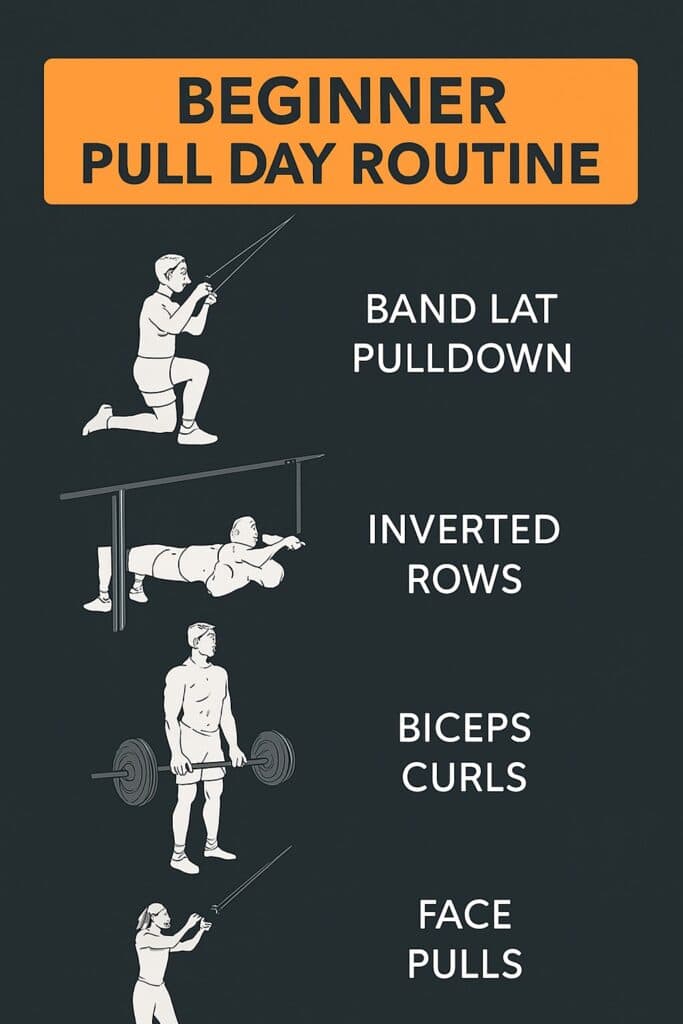
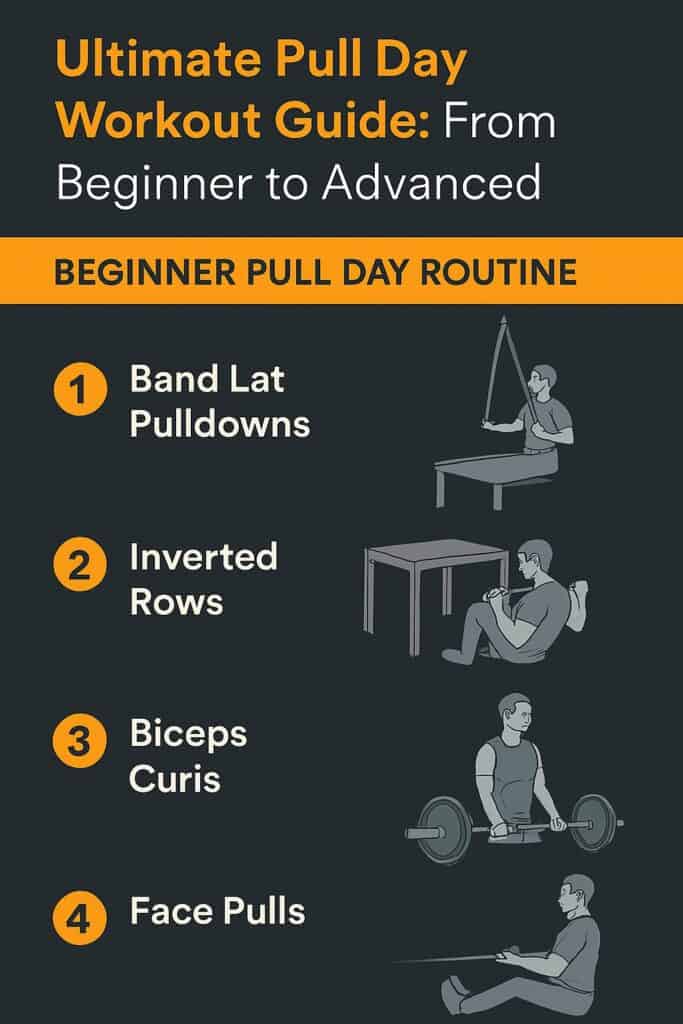
Beginner Routine
- Pull-ups or assisted pull-ups – 3 sets of 6-8 reps
- Bent-over dumbbell rows – 3 sets of 10-12 reps
- Seated cable rows – 3 sets of 10-12 reps
- Face pulls – 3 sets of 12-15 reps
- Bicep curls with dumbbells – 3 sets of 12 reps
Intermediate Routine
- Weighted pull-ups – 4 sets of 6-8 reps
- Barbell bent-over rows – 4 sets of 8-10 reps
- Lat pulldowns – 4 sets of 10-12 reps
- Face pulls – 4 sets of 15 reps
- Hammer curls – 4 sets of 12 reps
Advanced Routine
- Weighted pull-ups – 5 sets of 8-10 reps
- Barbell bent-over rows – 5 sets of 8 reps
- Chest-supported T-bar rows – 5 sets of 10 reps
- Face pulls – 5 sets of 15-20 reps
- Concentration curls – 5 sets of 12 reps
Tracking Progress And Adjustments
Tracking progress and making adjustments are key to improving your pull day workouts. Without tracking, it’s hard to know if you are getting stronger or building muscle. Regularly checking your progress helps you stay motivated and focused on your goals.
Adjustments allow you to challenge your muscles in new ways. They also prevent plateaus and reduce the risk of injury. Tracking progress and changing your routine go hand in hand for steady improvement.
Tracking Your Pull Day Performance
Keep a workout journal or use an app to record your exercises. Note the weight, sets, and reps for each exercise. Track how you feel during and after workouts. This data shows your strength and endurance growth over time.
Signs You Need To Adjust Your Routine
- Stalled progress in strength or muscle size
- Feeling overly tired or sore regularly
- Lack of motivation or workout boredom
- Difficulty completing sets or reps
These signs suggest it’s time to change your exercises, weights, or rest periods.
How To Make Effective Adjustments
- Increase weights gradually to challenge muscles
- Add more sets or reps for volume
- Change grip or exercise variations for variety
- Adjust rest time between sets for endurance
Small changes keep your workouts effective and engaging.
Credit: fitneslover.com
Frequently Asked Questions
What Muscles Does A Pull Day Workout Target?
A pull day workout mainly targets the back, biceps, and rear shoulders. It focuses on pulling movements like rows and pull-ups. This routine helps build strength and muscle in these areas, improving posture and upper body power.
How Often Should You Do Pull Day Workouts?
For optimal results, perform pull day workouts 1-2 times per week. Allow 48 hours for muscle recovery between sessions. This frequency supports muscle growth without overtraining or injury risk, fitting well into most balanced workout routines.
What Are The Best Exercises For Pull Day?
Best pull day exercises include pull-ups, bent-over rows, deadlifts, and face pulls. These moves engage multiple muscles, boosting strength and size. Incorporate both compound and isolation exercises for a balanced and effective pull workout.
Can Pull Day Workouts Help Improve Posture?
Yes, pull day workouts strengthen the upper back and rear shoulders. Stronger back muscles help correct rounded shoulders and slouching. Consistent training promotes better posture and reduces the risk of back pain.
Conclusion
Pull day workouts help build strong back and arm muscles. Stick to the routine to see steady progress. Rest well between workouts to allow muscles to recover. Consistency matters more than lifting heavy weights quickly. Focus on form to avoid injuries and get better results.
Track your progress and adjust exercises as needed. Enjoy the process and stay patient with your growth. Your efforts will show over time with regular pull day sessions. Keep moving forward, one pull at a time.







