
Are you looking to supercharge your low carb diet and reach your fitness goals faster? Protein powder might just be the secret weapon you need.
Imagine transforming your meals with a simple scoop, all while staying true to your low carb lifestyle. But with so many options out there, how do you choose the right one? We’re diving into the world of protein powders, specifically tailored for those who thrive on a low carb diet.
We’ll help you discover how the right protein powder can not only fuel your body but also support weight loss and muscle gain. Ready to unlock the power of protein and elevate your health journey? Keep reading to find out how you can make the most out of your dietary choices without sacrificing flavor or results.
Benefits Of Protein Powder On Low Carb Diet
Protein powder supports many goals on a low carb diet. It provides a simple way to boost protein intake without adding extra carbs. This helps the body burn fat, keeps muscles strong, and controls hunger. Using protein powder can make sticking to a low carb plan easier and more effective.
Enhancing Fat Loss
Protein powder increases protein levels, which helps the body burn more fat. It raises metabolism and promotes fat breakdown. High protein intake also supports steady energy without blood sugar spikes. This helps reduce stored fat over time.
Maintaining Muscle Mass
Low carb diets can sometimes lead to muscle loss. Protein powder gives the body the amino acids it needs to keep muscles strong. It supports muscle repair and growth after exercise. This helps maintain strength and tone during weight loss.
Controlling Appetite
Protein powder helps you feel full longer. It slows digestion and reduces hunger cravings. This makes it easier to eat less and avoid snacking. Managing appetite supports better control over daily calorie intake.
Types Of Protein Powder Suitable For Low Carb
Choosing the right protein powder can make a big difference in your low carb diet. Not all protein powders are created equal when it comes to carb content and digestibility. Knowing which types fit best with your goals helps you stay on track without sacrificing taste or nutrition.
Whey Protein Isolate
Whey protein isolate is a favorite for low carb diets because it contains very little lactose and carbs. It’s quickly absorbed, making it ideal for a post-workout boost. If you want to build muscle or recover faster, this type is a solid choice.
Look for products with at least 90% protein content to keep carbs minimal. Some brands add fillers or sweeteners that can increase carbs, so always check the label carefully.
Casein Protein
Casein protein digests slowly, providing a steady release of amino acids over several hours. This makes it great for meal replacement or a nighttime snack that won’t spike your blood sugar. If you struggle with hunger between meals, casein can help you feel fuller longer.
It’s a bit higher in carbs than whey isolate but still low enough for most low carb diets. Try mixing it with unsweetened almond milk for a creamy, low carb shake.
Plant-based Options
If you avoid dairy, plant-based protein powders like pea, hemp, or brown rice protein can fit your low carb lifestyle. They often contain fiber, which helps with digestion and keeps net carbs low.
Some blends combine several plant proteins to provide a full amino acid profile. Watch for added sugars or starches in flavored varieties. Unsweetened versions give you the most control over your carb intake.
Which type fits your routine best? Experiment with these options to find the one you enjoy and that supports your low carb goals without compromise.
How To Choose The Right Protein Powder
Choosing the right protein powder supports your low carb diet goals. It affects your energy, muscle health, and appetite. Picking the best option means checking details carefully. Focus on carb content, ingredient quality, and how the powder tastes and feels. These points help find a protein powder that fits your lifestyle and diet.
Checking Carb Content
Low carb diets need protein powders with minimal carbs. Always read the nutrition label. Look for powders with less than 3 grams of carbs per serving. Avoid powders with added sugars or fillers. These can increase your carb intake. Choose powders with natural sweeteners or no sweeteners at all.
Assessing Ingredient Quality
High-quality ingredients improve protein absorption and health benefits. Check for pure protein sources like whey, casein, or plant-based proteins. Avoid powders with artificial additives, colors, or preservatives. Organic or grass-fed options often have better nutrient profiles. Clean ingredients mean fewer chances of digestive issues.
Considering Flavor And Texture
Taste and texture affect how often you use protein powder. Pick flavors you enjoy to avoid wasting the product. Try samples if possible. Look for powders that mix well in water or milk without clumps. Smooth texture and pleasant flavor make daily intake easier and more enjoyable.
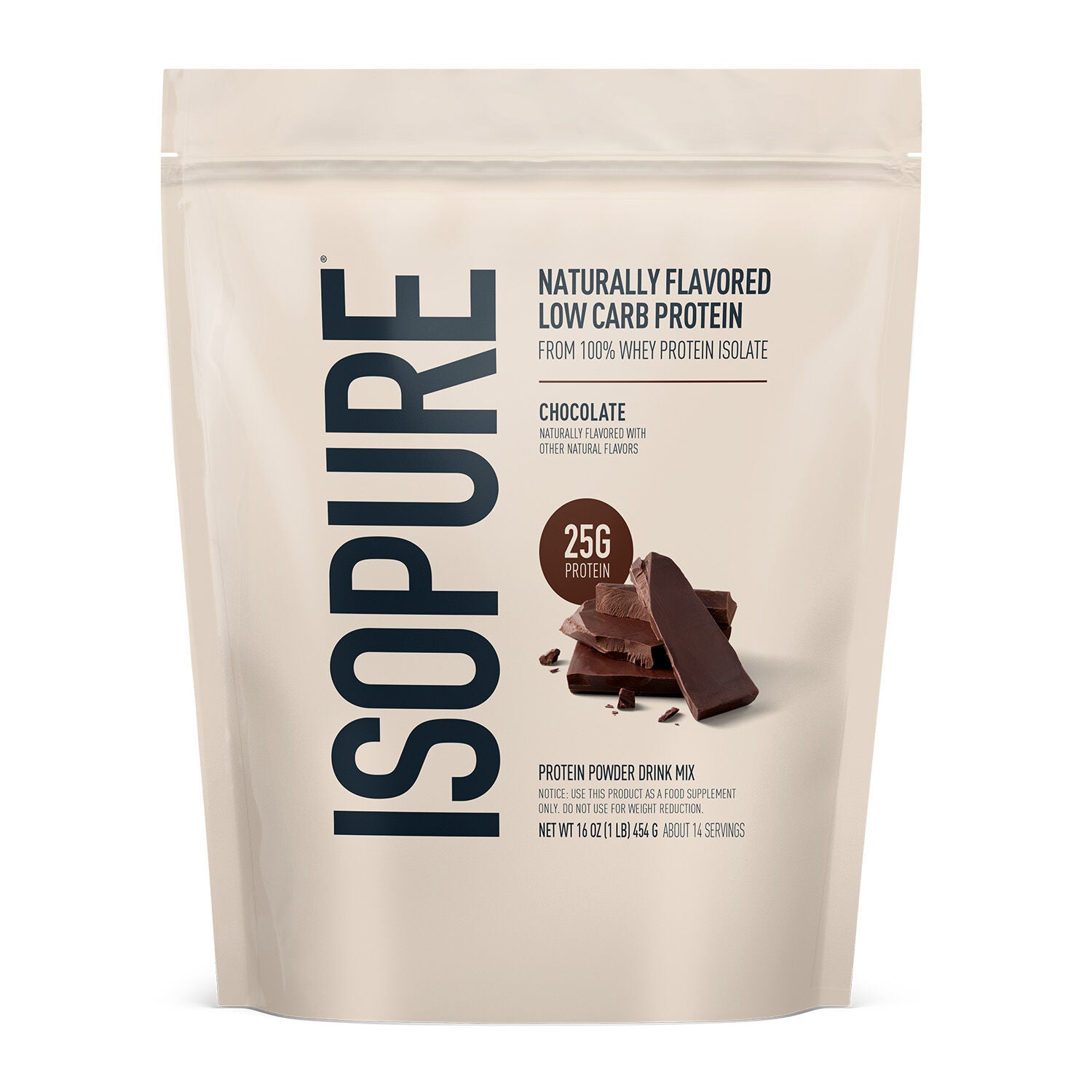
Credit: www.gnc.com
Best Practices For Using Protein Powder
Using protein powder correctly boosts its benefits on a low carb diet. It supports muscle repair and keeps you full longer. Learning the best ways to use protein powder helps maintain energy and supports weight goals. Follow simple steps for timing, combining, and serving sizes to get the best results.
Timing Your Intake
Consume protein powder around your workout times for better muscle recovery. Drinking it in the morning can reduce hunger and keep energy steady. Avoid taking protein too late at night to prevent digestion issues.
Combining With Meals
Mix protein powder with low carb foods for balanced nutrition. Add it to smoothies with greens or nuts for extra fiber and healthy fats. Use it as a snack with vegetables to maintain low carb levels.
Recommended Serving Sizes
Stick to the serving size on the protein powder package. Usually, one scoop provides enough protein for a meal or snack. Avoid taking too much to prevent kidney stress and excess calories.
Common Mistakes To Avoid
Avoiding common mistakes with protein powder can make a big difference in how well your low carb diet works. Many people think protein powder is a magic fix, but there are important details to watch out for.
Relying Solely On Protein Powder
Protein powder is a convenient source of protein, but it shouldn’t replace whole foods in your diet. Real foods offer vital nutrients and fiber that powders can’t provide. Have you noticed how you feel more satisfied and energized after a meal with real vegetables and meat compared to just a shake?
Try to use protein powder as a supplement, not your main protein source. Balance shakes with nuts, eggs, or lean meats to keep your diet rich and varied.
Ignoring Total Carb Intake
Some protein powders contain hidden carbs that can add up quickly. If you’re not checking labels carefully, those extra carbs might push you out of your low carb range without realizing it. Do you track all carbs from every source, including your protein powder?
Look for powders labeled “low carb” or check the nutrition facts to stay within your daily limits. Remember, every gram counts when you’re aiming for ketosis or carb control.
Overconsumption Risks
It’s easy to think more protein powder means better results, but too much can cause problems. Overloading on protein can strain your kidneys and may even slow down fat loss by converting excess protein to glucose. Have you ever felt bloated or sluggish after drinking several protein shakes a day?
Stick to recommended serving sizes and listen to your body. Moderation helps keep your diet effective and your health intact.

Credit: www.amazon.com
Recipes And Ideas With Protein Powder
Protein powder fits well in a low carb diet. It helps keep you full and supports muscle health. Using protein powder in recipes brings variety and taste to your meals. Here are some easy ideas to include protein powder in your daily food.
Smoothies And Shakes
Smoothies and shakes are quick and tasty ways to consume protein powder. Blend protein powder with unsweetened almond milk or coconut milk. Add low carb fruits like berries for flavor and nutrients.
- Mix protein powder, spinach, and avocado for a creamy green shake.
- Blend protein powder with Greek yogurt and a few raspberries.
- Add a spoon of peanut butter for extra richness and protein.
Low Carb Snacks
Protein powder can boost snacks without adding many carbs. Create quick bars or bites that fuel your day. Use ingredients that are low in sugar and carbs.
- Combine protein powder, almond flour, and a sugar-free sweetener.
- Roll the mix into small balls and refrigerate for a quick snack.
- Make pancakes with protein powder and coconut flour for a filling treat.
Meal Replacement Options
Protein powder helps build simple meal replacements. These meals save time and keep carb intake low. Use protein powder with healthy fats and fiber for balance.
- Mix protein powder with heavy cream and chia seeds for a pudding.
- Blend protein powder with avocado and spinach for a green meal shake.
- Combine protein powder with broth and vegetables for a savory drink.
Tracking Progress And Adjusting Intake
Tracking progress and adjusting protein powder intake is essential on a low carb diet. It helps ensure your body gets the right nutrients without excess carbs. Monitoring your results guides better choices and improves fat loss.
Monitoring Fat Loss
Track fat loss with a simple scale or body measurements. Note changes weekly to see if protein intake supports your goals. Keep a journal to record weight, waist size, and energy levels. This data shows trends beyond daily fluctuations.
Listening To Your Body
Pay attention to hunger, energy, and recovery after workouts. Protein needs can change with activity and stress. Feeling tired or hungry may signal a need to adjust intake. Digestive discomfort can also mean too much protein or wrong timing.
Adjusting Protein Levels
Change protein powder intake based on progress and body signals. Increase protein if muscle loss or fatigue occurs. Reduce if energy drops or digestion worsens. Balance protein with healthy fats and low carbs for best results.

Credit: www.amazon.com
Frequently Asked Questions
What Is The Best Protein Powder For Low Carb Diets?
Whey isolate and collagen protein powders are ideal. They have minimal carbs and high protein content. These support muscle growth and fat loss effectively.
Can Protein Powder Affect Ketosis In Low Carb Diets?
High-quality protein powders with low carbs won’t disrupt ketosis. Avoid powders with added sugars or fillers. Always check the nutrition label to maintain ketosis.
How Much Protein Powder Should I Consume Daily?
Aim for 20-30 grams per serving, one to two times daily. Adjust based on your activity level and protein needs to support muscle and recovery.
Are Plant-based Protein Powders Good For Low Carb Diets?
Yes, but choose those low in carbs like pea or hemp protein. Avoid blends with high-carb fillers like rice or oats.
Conclusion
Choosing the right protein powder supports your low carb diet goals. It helps build muscle and keeps you full longer. Always check labels to avoid hidden sugars or carbs. Mixing protein powder with low carb foods works well. Small changes add up to better health over time.
Stay consistent and listen to your body’s needs. Your low carb journey can be easier with smart protein choices. Keep it simple and enjoy the benefits every day.







