
Are you looking to build muscle but unsure where to start with your diet? Protein bars could be the game changer in your muscle-building journey.
These compact, power-packed snacks offer a convenient and delicious way to fuel your body with the protein it needs to grow stronger and leaner. Imagine grabbing a quick bite that not only satisfies your hunger but also gives your muscles the boost they crave.
You’ll discover how protein bars can become your secret weapon for building muscle effectively. Keep reading to find out how to choose the best ones, when to eat them, and how they can fit seamlessly into your busy lifestyle. Don’t miss out on unlocking the potential of protein bars for your muscle-building goals!
Benefits Of Protein Bars For Muscle Growth
Protein bars offer a simple way to support muscle growth. They provide essential nutrients that help build and repair muscle tissue. Eating protein bars can fit easily into busy schedules. These bars help improve workout results and speed up recovery after exercise.
Convenient Nutrient Source
Protein bars contain high-quality protein needed for muscle growth. They also have carbohydrates and fats for energy. Portable and easy to carry, they make healthy eating simple. No need to prepare meals or carry extra utensils.
Supports Muscle Recovery
Protein bars help repair muscles after workouts. They provide amino acids that reduce muscle soreness. Eating protein soon after exercise boosts muscle repair. Faster recovery means less downtime between workouts.
Enhances Workout Performance
Consuming protein bars before workouts fuels muscles with energy. Balanced nutrients keep energy levels steady during exercise. This support helps maintain strength and endurance. Better performance leads to improved muscle gains over time.

Credit: www.mymusclechef.com
Key Ingredients To Look For
Choosing the right protein bar can make a big difference in your muscle-building journey. Not all bars are created equal, and knowing what ingredients to focus on helps you fuel your body effectively. Let’s break down the key components that should be in your protein bar to support muscle growth and recovery.
High-quality Protein Types
Look for protein bars that contain complete proteins—those with all nine essential amino acids. Whey protein is a top choice because it digests quickly and supports muscle repair. Plant-based options like pea protein and brown rice protein are great if you prefer a vegan-friendly source.
Some bars mix different proteins to improve absorption and amino acid profile. Have you checked the protein source on your bar’s label lately? The quality matters more than just the protein amount.
Optimal Carb And Fat Ratios
Carbohydrates provide energy, while fats support hormone production and overall health. A good muscle-building bar balances these macros without going overboard on sugars or unhealthy fats.
Look for bars with complex carbs such as oats or sweet potatoes rather than simple sugars. Healthy fats from nuts, seeds, or coconut oil add sustained energy and help with nutrient absorption.
- Ideal carb range: 15-25 grams per bar
- Healthy fats: 5-10 grams per bar
- Limit added sugars to under 5 grams
Added Vitamins And Minerals
Vitamins and minerals support muscle function, energy metabolism, and recovery. Bars enriched with magnesium, calcium, and B vitamins give your muscles the extra help they need after a tough workout.
Some bars also include antioxidants like vitamin C and E to reduce muscle soreness. Do you pay attention to these extras when choosing your protein bar? They can boost your results in subtle but meaningful ways.
Top Protein Bars For Fast Muscle Gains
Protein bars help fuel your muscles after workouts. They provide a quick source of protein needed for muscle repair and growth. Choosing the right bar can speed up muscle gains. Quality protein and balanced nutrients matter most. Here are top protein bars to support fast muscle building.
Best For Whey Protein Fans
Whey protein is a popular choice for muscle growth. It digests quickly and contains all essential amino acids. Bars with whey offer a high-quality protein boost.
- Contains 20-25 grams of whey protein per bar
- Supports quick muscle recovery
- Often enriched with vitamins and minerals
- Good taste and easy to digest
Ideal Plant-based Options
Plant-based protein bars suit vegans and those with dairy allergies. These bars use pea, brown rice, or hemp proteins. They provide complete proteins when combined properly.
- Free from animal products and lactose
- Contains fiber for better digestion
- Rich in antioxidants and natural ingredients
- Good for sustainable muscle building
Low-sugar Choices
Muscle building needs clean nutrition. Low-sugar bars reduce extra calories and insulin spikes. They focus on protein and healthy fats instead of sugar.
- Less than 5 grams of sugar per bar
- Uses natural sweeteners like stevia or monk fruit
- Helps maintain energy without sugar crashes
- Supports lean muscle gains without fat gain
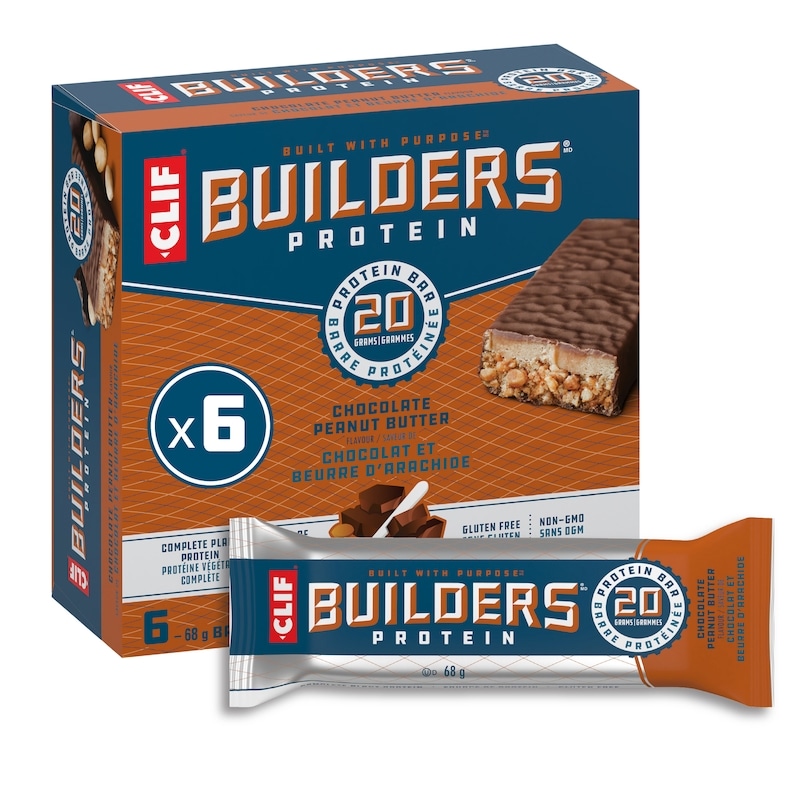
Credit: www.realcanadiansuperstore.ca
When To Eat Protein Bars
Knowing the best time to eat protein bars helps you build muscle efficiently. Protein bars can support your workout and recovery phases. They also work well as snacks to keep your protein intake steady.
Pre-workout Fuel
Eating a protein bar before exercise gives your muscles energy. It helps prevent muscle breakdown during workouts. Choose bars with a good mix of protein and carbs. Eat them about 30 to 60 minutes before training.
Post-workout Recovery
After exercise, muscles need protein to repair and grow. A protein bar is a quick source of this nutrient. Consuming one within 30 minutes post-workout boosts recovery. It replenishes energy and helps reduce muscle soreness.
Between Meals Snack
Protein bars make great snacks between meals. They keep your protein levels steady throughout the day. This supports muscle growth and prevents hunger. Choose bars low in sugar and high in protein for best results.
Common Mistakes With Protein Bars
Protein bars can be a great tool for building muscle, but many people make avoidable mistakes that hinder their progress. Understanding these common errors can help you use protein bars more effectively in your muscle-building routine.
Relying Solely On Bars
Protein bars should never replace whole foods in your diet. They are supplements, not meal substitutes. I once depended too much on bars and noticed my energy levels drop during workouts. Real food provides a wider range of nutrients that bars can’t match.
Ask yourself: Are you using protein bars to complement your meals or as a quick fix? Relying only on bars can lead to nutrient gaps and affect muscle recovery.
Ignoring Calorie Intake
Protein bars vary widely in calories, and ignoring this can stall your muscle gains. If you eat bars without tracking your total calorie intake, you might end up in a calorie deficit or surplus unintentionally.
Remember, muscle growth demands a calorie surplus. Keep an eye on calories from bars alongside your regular meals to maintain the right balance.
Choosing Low-quality Products
Not all protein bars are created equal. Many contain added sugars, artificial ingredients, and low-quality protein sources. I once bought bars that listed “protein isolate” but had more sugar than protein, which did more harm than good.
Look for bars with clean ingredients and at least 15-20 grams of protein per serving. Your muscles deserve quality fuel, so don’t settle for less.

Credit: www.amazon.com
Tips For Maximizing Muscle Gains
Maximizing muscle gains takes more than just eating protein bars. It requires a balanced approach. Combining good nutrition, hydration, and training helps you see better results. Small habits can make a big difference.
Combine Bars With Whole Foods
Protein bars provide quick nutrition but lack some important nutrients. Eating whole foods adds vitamins, minerals, and fiber. Include lean meats, vegetables, fruits, and whole grains in your diet. This balance supports muscle repair and overall health.
Stay Hydrated
Water is vital for muscle growth and recovery. It helps transport nutrients to your muscles. Drink water before, during, and after workouts. Avoid sugary drinks that can slow down progress. Aim for at least 8 cups of water daily.
Maintain Consistent Training
Muscle gains happen with regular exercise. Stick to a workout schedule that targets all major muscle groups. Allow time for rest and recovery. Consistency helps your muscles grow stronger and bigger over time.
Frequently Asked Questions
What Are The Best Protein Bars For Muscle Building?
The best protein bars for muscle building contain 15-25 grams of protein, low sugar, and quality ingredients. Look for bars with whey or plant-based protein to support muscle recovery and growth effectively.
How Do Protein Bars Help Build Muscle?
Protein bars provide a quick, convenient source of protein essential for muscle repair and growth. They help meet daily protein needs, especially post-workout, promoting faster recovery and enhanced muscle synthesis.
When Is The Best Time To Eat A Protein Bar?
The best time to eat a protein bar is within 30 minutes after exercise. This timing maximizes muscle recovery by supplying protein and nutrients when muscles are most receptive.
Can Protein Bars Replace Meals For Muscle Gain?
Protein bars can supplement meals but should not fully replace them. Whole foods provide balanced nutrients essential for overall health and optimal muscle growth.
Conclusion
Protein bars can support your muscle building goals effectively. They provide protein and nutrients needed for recovery and growth. Choose bars with quality ingredients and balanced macros. Use them as a convenient snack after workouts or between meals. Remember, protein bars are a helpful addition, not a full meal replacement.
Combine them with a healthy diet and regular exercise. Consistency matters most for muscle gains. Stay patient and enjoy the process. Small steps lead to strong results.







