
Are you curious about how your fitness measures up at different ages? The Presidential Fitness Test Standards by Age give you a clear picture of what physical abilities you should aim for.
Whether you’re a student, a parent, or just someone wanting to track your progress, understanding these standards can motivate you to reach your best. You’ll discover the key fitness benchmarks set for each age group and learn how you can meet or even exceed them.
Ready to see where you stand and take your fitness to the next level? Keep reading!
Presidential Fitness Test Overview
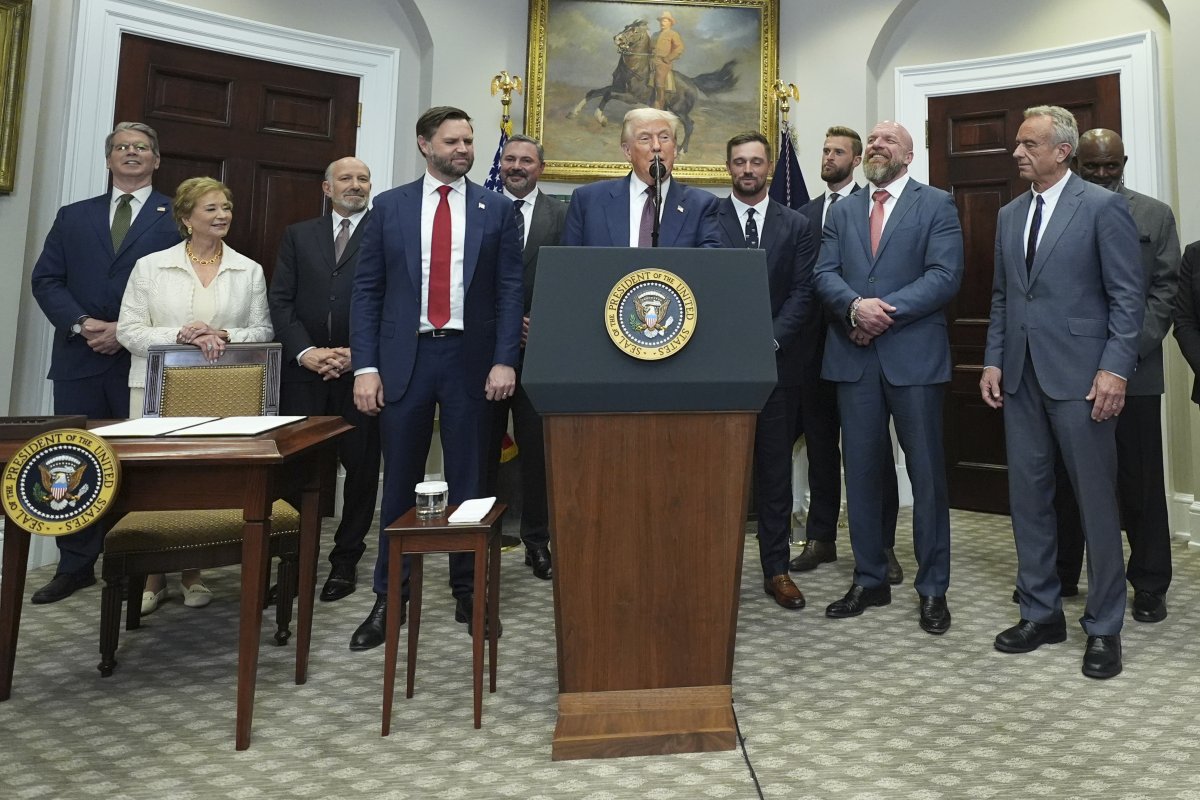
The Presidential Fitness Test measures the physical fitness of children. It evaluates their strength, endurance, and flexibility. The program aims to promote physical activity and healthy lifestyles among youth. Each test has specific standards based on age and gender.
What Is The Presidential Fitness Test?
The Presidential Fitness Test is a series of physical activities. These activities assess a child’s fitness level. It includes exercises like sit-ups, push-ups, and running. The test challenges students to improve their personal fitness. It encourages regular exercise and healthy habits.
Components Of The Test
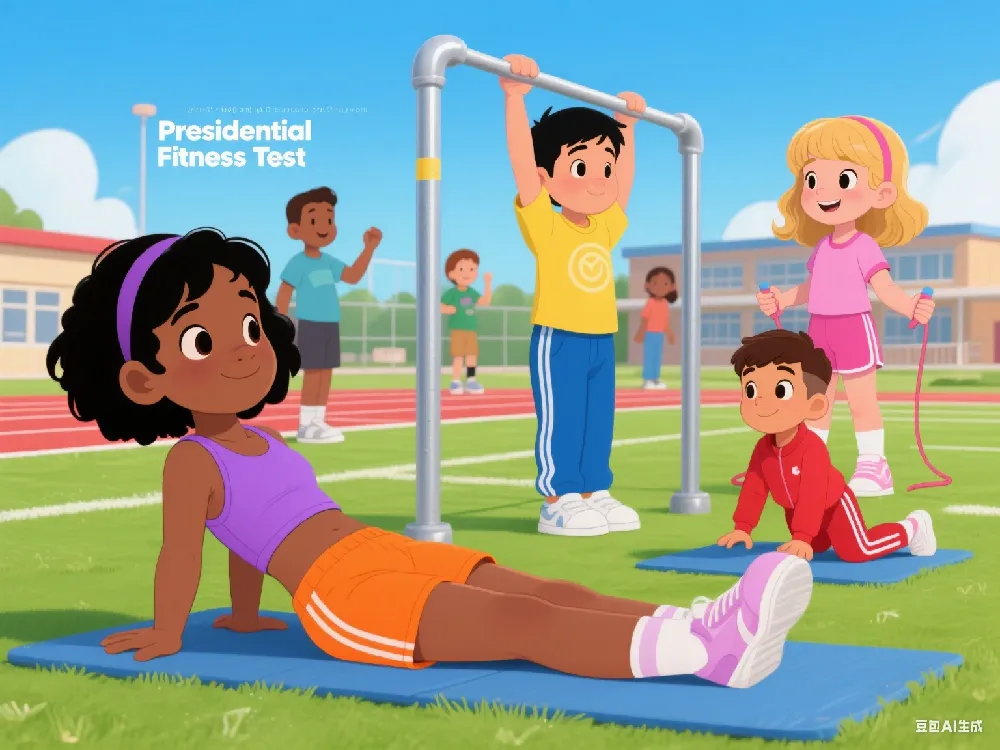
- Curl-Ups:Measures abdominal strength.
- Push-Ups:Tests upper body strength.
- Shuttle Run:Assesses speed and agility.
- V-Sit Reach:Evaluates flexibility.
- One-Mile Run:Checks cardiovascular endurance.
Benefits Of The Test
Participating in the test helps students set fitness goals. It motivates them to stay active. Regular participation can improve physical health. It can also enhance mental well-being. The test fosters a sense of achievement and discipline.
Credit: www.newsweek.com
Age Groups And Categories
Understanding the Presidential Fitness Test standards by age helps you see how fitness goals grow with your child’s development. Each age group has tailored benchmarks that reflect physical ability and encourage gradual improvement. These categories guide educators and parents to support kids in reaching realistic and healthy fitness levels.
Elementary School Standards
At the elementary level, the focus is on building basic strength, endurance, and coordination. Children are tested on simple activities like sit-ups, push-ups, and a mile run or shuttle run. The goal is to make fitness fun and achievable, setting a positive tone for lifelong habits.
For example, a 7-year-old might aim to complete 10 sit-ups and run a quarter mile without stopping. These standards emphasize participation over competition, helping kids feel confident about their progress.
Middle School Benchmarks
Middle school standards raise the bar, reflecting the physical changes and increased stamina of preteens. Tests often include more repetitions and longer distances, such as a mile run time target or a minimum number of pull-ups.
At this stage, you might notice your child pushing harder and showing more interest in personal fitness. Setting specific goals like 15 push-ups or a 10-minute mile run motivates them to improve steadily.
High School Requirements
High school standards prepare teens for adult fitness and health. The benchmarks are more demanding, including exercises like the 1.5-mile run, multiple sets of push-ups and sit-ups, and flexibility tests.
Meeting these requirements often requires consistent training and dedication. Have you seen how teens respond when they track their progress and set personal records? It’s a clear sign that clear, age-appropriate standards make a real difference in fitness outcomes.
Fitness Test Components
The Presidential Fitness Test measures key areas of physical health. These areas show overall fitness and help track progress. The test covers four main components. Each one checks a specific part of fitness. Understanding these components helps prepare for the test and improve health.
Aerobic Capacity
Aerobic capacity measures how well the heart and lungs work. It shows how long you can do activities like running or swimming. The test often uses timed runs or shuttle runs. Good aerobic capacity means better endurance and energy.
Muscular Strength
Muscular strength tests how strong your muscles are. It checks the power in your arms, legs, and core. Common exercises include push-ups and pull-ups. Strong muscles help with daily tasks and prevent injuries.
Flexibility
Flexibility shows how much your joints can move. It helps with balance and reduces muscle tightness. The sit-and-reach test is a popular way to measure flexibility. Being flexible improves movement and lowers injury risk.
Body Composition
Body composition measures the amount of fat compared to muscle. It gives a clear picture of health beyond just weight. The test uses tools like skinfold calipers or BMI charts. A healthy body composition supports overall fitness and well-being.
Performance Benchmarks By Age
Performance benchmarks in the Presidential Fitness Test vary by age. These standards help track physical development and fitness levels in children and teens. Each age group has specific goals that match their growth and abilities.
These benchmarks cover exercises like push-ups, sit-ups, running, and flexibility tests. They encourage consistent physical activity and healthy habits early in life.
Young Children (6-8 Years)
Young children focus on basic movements and building strength. The standards are simple and fun to encourage participation. Key benchmarks include:
- Push-ups: 3-7 reps
- Sit-ups: 10-20 reps
- One-mile run: 12-15 minutes
- Flexibility: Touching toes easily
At this age, the goal is to develop coordination and endurance without pressure.
Preteens (9-12 Years)
Preteens improve strength and stamina. Tests become slightly more challenging to match their growth. Typical benchmarks include:
- Push-ups: 10-15 reps
- Sit-ups: 20-30 reps
- One-mile run: 9-12 minutes
- Flexibility: Reaching beyond toes
These standards help children prepare for more intense physical activity in their teens.
Teens (13-18 Years)
Teens face higher standards to build strength and endurance. These benchmarks reflect near-adult fitness levels. Examples include:
- Push-ups: 20-30 reps
- Sit-ups: 30-50 reps
- One-mile run: 7-9 minutes
- Flexibility: Touching palms to floor
Meeting these goals supports overall health and physical confidence during adolescence.
Tips To Meet Or Exceed Standards
Meeting or exceeding the Presidential Fitness Test Standards by age can feel challenging, but the right approach makes a huge difference. You don’t have to be an athlete to improve your performance; small, focused changes in your routine can lead to big results. Let’s look at practical tips that can help you reach your fitness goals with confidence and ease.
Training Strategies
Start by creating a balanced workout plan that targets all areas tested: strength, endurance, and flexibility.
- Mix cardio exercises like running or cycling with strength training such as push-ups and sit-ups.
- Practice the specific test exercises regularly to build familiarity and improve technique.
- Include stretching routines to enhance your flexibility and reduce injury risks.
Think about how consistent practice changed your performance in other skills—why should fitness be any different?
Nutrition Advice
Your body needs the right fuel to perform well on the test day.
- Eat balanced meals with enough protein to support muscle recovery and growth.
- Stay hydrated throughout the day, especially before and after workouts.
- Limit processed foods and sugary snacks that can drain your energy.
Have you noticed how eating well affects your energy levels during physical activities?
Consistency And Motivation
Showing up regularly is more important than doing intense workouts sporadically.
- Set small, achievable goals to track your progress and celebrate wins.
- Find a workout buddy or join a group to keep your motivation high.
- Remind yourself why you want to meet these standards—it makes sticking to your routine easier.
What motivates you more: personal goals or friendly competition? Use that to keep pushing forward.
Credit: www.ntaifitness.com
Tracking Progress Over Time
Tracking your progress over time in the Presidential Fitness Test is key to understanding your physical growth and areas that need improvement. It’s not just about hitting a number once but seeing how consistent effort brings you closer to your fitness goals. Keeping a clear record helps you stay motivated and makes your journey more rewarding.
Recording Results
Start by writing down your test results immediately after each session. Use a simple notebook or a digital app to log details like age, date, and scores for each fitness component. This habit creates a clear timeline of your progress and helps spot patterns you might otherwise miss.
Consider adding notes about how you felt during the test or any challenges you faced. Did you struggle with the sit-ups but find push-ups easier? These small insights can guide your next workout plan.
Setting Personal Goals
After recording your results, set specific, realistic goals for improvement. Instead of aiming to “get better,” choose targets like adding five more sit-ups or shaving off a few seconds in the run. Clear goals turn vague hopes into actionable steps.
Ask yourself: What motivates you? Is it beating your last score or reaching a standard for your age group? Defining your “why” makes your goals meaningful and keeps you pushing forward.
Remember, progress doesn’t always follow a straight line. Celebrate small wins, and adjust your goals as you grow stronger. Tracking your journey this way turns the Presidential Fitness Test from a challenge into a personal victory.
Common Challenges And Solutions
The Presidential Fitness Test challenges many students across different ages. Common struggles include hitting progress plateaus, preventing injuries, and managing test anxiety. Finding practical solutions helps improve performance and enjoyment. Understanding these challenges prepares students for success in the test.
Overcoming Plateaus
<pmany a="" and="" are="" best.Injury Prevention
Injuries slow down progress and can cause pain. Warm up before exercises with light stretching or jogging. Use proper form for each activity to avoid strain. Do not push too hard too fast. Wear appropriate shoes and clothing for comfort and support. Listen to your body and rest if you feel pain.
Dealing With Test Anxiety
Feeling nervous before the test is common. Practice the test exercises several times to build confidence. Use deep breathing techniques to stay calm. Visualize success and positive outcomes. Focus on your effort, not just the score. Talk to teachers or friends for support. A calm mind helps improve performance.

Credit: medium.com
Frequently Asked Questions
What Are The Presidential Fitness Test Standards By Age?
The Presidential Fitness Test standards vary by age and gender. They measure strength, endurance, and flexibility. Each age group has specific benchmarks to promote physical fitness and track progress.
How Is The Presidential Fitness Test Structured For Children?
The test includes exercises like push-ups, sit-ups, and a mile run. Standards adjust for age groups, ensuring fair assessment. It encourages kids to improve physical health and build lifelong fitness habits.
Why Are Age-specific Standards Important In Fitness Tests?
Age-specific standards ensure fair evaluation of physical abilities. Children and teens develop at different rates. Tailoring benchmarks motivates all ages to achieve realistic, healthy fitness goals appropriate to their development.
How Can Parents Help Children Meet Fitness Standards?
Parents can encourage regular exercise and balanced nutrition. They should support practice of test activities. Positive reinforcement helps kids stay motivated and improve their fitness safely and effectively.
Conclusion
The Presidential Fitness Test helps track physical health at every age. It sets clear goals for strength, endurance, and flexibility. Meeting these standards shows progress and builds confidence. Regular exercise supports a healthy lifestyle for children and teens. Staying active also improves mood and focus.
Remember, small steps lead to big results over time. Keep practicing and enjoy the benefits of fitness every day.







