
Are you gearing up for bariatric surgery? If so, you’re likely aware of the importance of a pre bariatric surgery diet.
This crucial step isn’t just a routine requirement—it’s a foundational element that can significantly impact the success of your procedure and your long-term health. Imagine stepping into surgery with confidence, knowing that you’ve done everything possible to ensure a smoother operation and a quicker recovery.
That’s the power of preparing your body with the right nutrition. You’ll discover the essential components of a pre bariatric surgery diet, why it’s vital for your health journey, and practical tips to make it easier. Ready to set yourself up for success? Let’s dive in.
Purpose Of Pre Bariatric Diet
The purpose of a pre bariatric diet goes beyond just cutting calories. It prepares your body and mind for the surgery ahead, aiming to improve your overall health and increase the chances of a successful procedure. Understanding why this diet matters can help you stay motivated and committed during this crucial phase.
Reducing Liver Size For Safer Surgery
Your liver can become enlarged due to excess fat, making surgery more complicated and risky. The pre bariatric diet helps shrink your liver by limiting high-fat and high-sugar foods.
Smaller liver size means surgeons can access your stomach more easily, reducing the chance of complications. Have you ever thought about how much your diet can directly impact the safety of your surgery?
Jumpstarting Weight Loss Before Surgery
Shedding some pounds before surgery lessens the stress on your heart and lungs during the operation. This initial weight loss also improves your body’s response to anesthesia.
Even losing a few pounds in the weeks before surgery can make a significant difference in recovery time and outcome. What small changes can you make today that might lead to better results tomorrow?
Helping You Get Used To New Eating Habits
The pre bariatric diet introduces you to smaller, balanced meals that you will follow after surgery. This helps your body adjust gradually and lowers the risk of discomfort after the procedure.
Getting comfortable with portion control and healthy food choices now can set you up for long-term success. How ready are you to embrace these new habits for a healthier life?
Improving Metabolic Health
The diet focuses on improving blood sugar levels, cholesterol, and blood pressure. These changes reduce surgical risks and promote faster healing.
Better metabolic health means fewer complications and a smoother recovery process. Are you willing to take control of your health to experience these benefits?
Credit: wellresourced.com
Key Dietary Changes
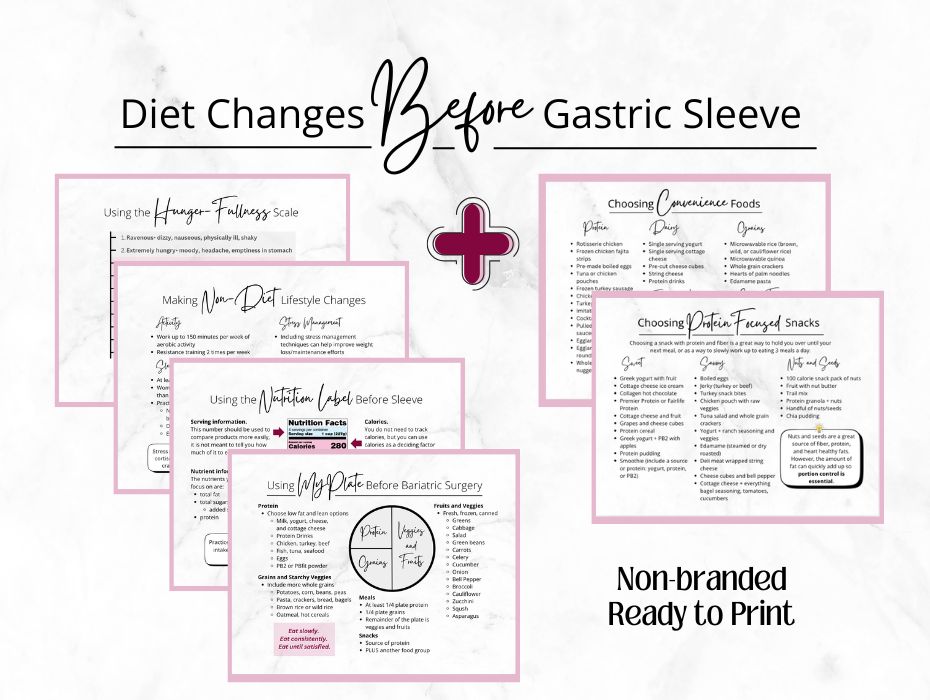
Preparing your body for bariatric surgery means making important changes to your diet. These changes help shrink your liver, improve your metabolism, and set you up for long-term success after surgery. Understanding the key dietary adjustments can make this challenging period more manageable and effective.
Reducing Calorie Intake
Cutting down on calories is crucial before surgery. It helps reduce fat around your liver and abdomen, making the procedure safer. You don’t need to starve yourself; focus on smaller portions and avoid high-calorie snacks.
Try swapping sugary drinks with water or herbal teas. Notice how you feel with fewer calories—more energy or sluggishness? This feedback is valuable for tuning your diet.
Increasing Protein Consumption
Protein supports muscle strength and healing, which is essential during your pre-surgery phase. Aim for lean sources like chicken, fish, eggs, or plant-based proteins daily. It keeps you full longer and helps preserve muscle as you lose weight.
Have you tried adding a protein shake or a handful of nuts between meals? These little changes can keep hunger at bay without extra calories.
Limiting Carbohydrates And Fats
Reducing carbs and fats helps control blood sugar and lower overall calorie intake. Focus on cutting back on bread, pasta, fried foods, and sugary treats. Instead, fill your plate with vegetables and lean proteins.
Ask yourself which carb or fat sources you can swap for healthier options. Sometimes, small tweaks like choosing avocado over mayonnaise can make a big difference.
Recommended Foods
Choosing the right foods before bariatric surgery sets the stage for a smoother recovery and better long-term results. Your body needs good fuel to adapt to the changes ahead. Focus on foods that support healing, reduce inflammation, and help shrink your liver, making surgery safer.
Lean Proteins
Lean proteins are essential for muscle preservation and healing after surgery. Think skinless chicken breast, turkey, fish, eggs, and low-fat dairy. These options provide high-quality protein without extra fat that could slow your progress.
Have you noticed how including a protein source in every meal keeps you feeling fuller longer? That’s a helpful habit to develop now. Avoid processed meats like sausages or deli cuts, as they are often high in unhealthy fats and sodium.
Vegetables And Fruits
Vegetables and fruits supply vital vitamins, minerals, and fiber to support digestion and immune health. Non-starchy veggies like spinach, broccoli, and peppers are excellent choices. They help fill you up without adding too many calories.
Fruits like berries, apples, and citrus add natural sweetness and antioxidants. But be mindful of portion sizes since some fruits contain higher sugar levels. Try steaming or roasting vegetables to bring out their flavor, making them more enjoyable.
Whole Grains
Whole grains offer steady energy and important nutrients like B vitamins and fiber. Brown rice, quinoa, whole oats, and whole wheat bread are smart picks. These grains can stabilize blood sugar and prevent energy crashes.
Are you getting enough fiber each day? Whole grains help with that, which aids your digestion and prevents constipation—a common post-surgery issue. Avoid refined grains such as white bread and white rice, which lack nutrients and fiber.

Credit: mexicobariatriccenter.com
Foods To Avoid
Before bariatric surgery, certain foods can hinder your progress and affect your health. Avoiding these foods prepares your body for surgery and helps ensure a smoother recovery. Focus on clean, nutritious options and cut out items that can cause complications or slow weight loss.
Sugary Snacks And Drinks
Sugary snacks and drinks add empty calories with little nutrition. Candy, cookies, and cakes spike blood sugar and cause cravings. Soda and sweetened juices lead to rapid weight gain and insulin issues. These items increase hunger and make portion control harder.
Fried And Processed Foods
Fried foods contain unhealthy fats that slow digestion and increase inflammation. Processed foods often have high salt and artificial additives. Examples include fast food, chips, and packaged snacks. These foods can cause bloating and discomfort before surgery.
High-calorie Beverages
High-calorie beverages like milkshakes and specialty coffee drinks add unnecessary calories. Alcohol also adds empty calories and affects liver function. These drinks do not fill you up but can increase your total calorie intake quickly.
Meal Planning Tips
Meal planning before bariatric surgery is more than just choosing what to eat. It sets the stage for your body’s adjustment to new eating habits. Planning carefully helps you stay on track, avoid hunger, and support your health goals.
Portion Control
Controlling portion sizes is crucial before surgery. Smaller portions reduce the workload on your digestive system and help you get used to eating less.
Try using smaller plates or measuring cups to keep your portions in check. For example, limit your protein servings to about 3 ounces, roughly the size of a deck of cards.
Have you noticed how your hunger changes when you eat less? Paying attention to this can guide how you adjust portions over time.
Meal Timing
Regular meal timing helps regulate your metabolism and prevents overeating. Aim to eat every 3 to 4 hours to keep your energy steady.
Skipping meals can make you overeat later, which puts stress on your body before surgery. Setting alarms or reminders can help you stick to your schedule.
Consider how your daily routine affects your eating times. Can you plan meals around your busiest hours to avoid skipping them?
Hydration Strategies
Staying hydrated is vital for your body’s healing and overall function. Drink water consistently throughout the day rather than all at once.
Aim for about 64 ounces daily, but spread it out. Sipping water between meals helps prevent discomfort and prepares your stomach for surgery.
If you find plain water boring, try infusing it with fresh lemon or cucumber slices. What tricks have you found useful to drink more fluids?
Common Challenges
Preparing for bariatric surgery involves major diet changes. These changes bring common challenges that many patients face. Understanding these hurdles helps to handle them better. The first step is to recognize what makes the pre-surgery diet hard.
Dealing With Cravings
Cravings are strong desires for certain foods. These often include sweets, fried foods, or snacks. Cravings can feel intense, especially at the start of the diet. They can cause stress and make sticking to the diet tough. Strategies like drinking water or distracting yourself can help. Planning meals ahead reduces chances of giving in to cravings.
Managing Hunger
Feeling hungry is common on a low-calorie pre-surgery diet. Hunger may feel sharper because of fewer meals or smaller portions. It helps to eat high-protein foods that fill you up longer. Drinking enough water also controls hunger signals. Eating slowly gives your brain time to register fullness. Small, frequent meals can keep hunger at bay.
Staying Motivated
Keeping motivation high is hard during strict diet changes. Slow progress can lead to frustration or doubt. Setting clear, simple goals helps maintain focus. Support from family, friends, or support groups boosts motivation. Celebrate small successes to stay encouraged. Remember why the surgery and diet are important for your health.
Role Of Exercise
Exercise plays a crucial role in preparing your body for bariatric surgery. It helps improve your overall health, boosts metabolism, and supports weight loss before the procedure. Understanding how to use exercise effectively can make your surgery safer and your recovery smoother.
Improving Cardiovascular Health
Regular exercise strengthens your heart and lungs. This improvement reduces the risk of complications during surgery. Even light activities like walking or swimming can make a big difference.
Have you noticed how just a short walk makes you feel more energetic? That boost in cardiovascular health is exactly what you want before surgery.
Building Muscle Strength
Strong muscles support your body during the weight loss process. They help maintain your metabolism and make daily activities easier after surgery. Simple strength exercises, such as bodyweight squats or light resistance training, can build this strength.
Think about how much easier it is to carry groceries or climb stairs when your muscles are stronger. This strength will help you recover faster post-surgery.
Enhancing Mental Readiness
Exercise also improves your mood and reduces stress. Preparing mentally for surgery is just as important as physical readiness. Activities like yoga or brisk walking can calm your mind and boost confidence.
Have you ever felt clearer and more positive after a workout? That feeling can help you face the challenges ahead with a stronger mindset.
Tips For Starting Your Pre-surgery Exercise
- Begin with low-impact exercises that match your current fitness level.
- Set small, achievable goals to stay motivated.
- Listen to your body and avoid pushing too hard.
- Consult your healthcare provider before starting any new exercise routine.

Credit: barilife.com
Monitoring Progress
Monitoring progress before bariatric surgery helps ensure you stay on track with your diet plan. It allows you to see positive changes and adjust habits if needed. Careful tracking builds motivation and prepares you for surgery success.
Tracking Weight Changes
Regularly weighing yourself shows how your body responds to the diet. Record your weight at the same time each day or week. Notice small changes, not just big drops. Celebrate progress, even if it feels slow. Consistency matters more than rapid shifts.
Keeping A Food Journal
Writing down what you eat helps identify good and bad habits. Note portion sizes, meal times, and snacks. This practice increases awareness and encourages healthier choices. Reviewing your journal reveals patterns and areas to improve. It also helps your doctor understand your diet better.
Regular Medical Checkups
Doctors track your overall health and diet effects. Tests might include blood work, blood pressure, and nutrient levels. These checkups ensure your body is ready for surgery. Share your food journal and weight records during visits. Medical advice guides safe and effective pre-surgery weight loss.
Mental Preparation
Mental preparation is as important as physical readiness before bariatric surgery. Your mind needs to be set on the right path to handle the changes that come with the surgery and the new lifestyle afterward. Understanding your thoughts and emotions can help you stay committed and avoid setbacks.
Setting Realistic Goals
Setting goals that are clear and achievable keeps you motivated. Instead of aiming for drastic weight loss overnight, focus on small, steady improvements.
Ask yourself: What can I realistically change in my eating habits this week? What daily habits can I adjust to support my surgery?
Realistic goals might include drinking more water, cutting back on sugary drinks, or walking 10 minutes a day. These small wins add up and build confidence.
Building Support Systems
You don’t have to do this alone. Sharing your journey with family, friends, or support groups provides encouragement and accountability.
Think about who in your life understands your goals and can offer positive support. Sometimes just knowing someone is there to listen makes a big difference.
Consider joining online forums or local groups where others share their experiences with bariatric surgery. Hearing others’ challenges and victories can keep you focused.
Addressing Emotional Eating
Many people eat not just for hunger but to cope with emotions like stress or boredom. Recognizing this habit is a crucial step before surgery.
Try keeping a journal to track when and why you eat emotionally. Are you reaching for food when upset or anxious?
Finding alternatives like walking, meditating, or calling a friend can help you manage emotions without turning to food. What new habits can you start today to break the cycle?
Frequently Asked Questions
What Is A Pre Bariatric Surgery Diet?
A pre bariatric surgery diet prepares your body for surgery. It typically involves low-calorie, high-protein meals. This diet helps reduce liver size and fat. It improves surgical safety and recovery outcomes.
How Long Should I Follow The Pre Bariatric Diet?
The pre bariatric diet usually lasts 1 to 2 weeks. Your surgeon will provide specific timing based on your case. Following it strictly is crucial for surgery success. It helps optimize your body for the procedure.
Can I Eat Fruits And Vegetables Before Surgery?
Yes, fruits and vegetables are encouraged in the pre bariatric diet. They provide essential vitamins and fiber. However, portion sizes and types may be limited. Avoid high-sugar fruits and starchy vegetables as advised.
Why Is Protein Important In The Pre Surgery Diet?
Protein supports muscle preservation and healing during surgery preparation. It also helps you feel full and maintain energy. The diet focuses on lean protein sources like chicken, fish, and dairy. Adequate protein intake improves recovery after bariatric surgery.
Conclusion
A pre bariatric surgery diet helps prepare your body for surgery. It reduces liver fat and improves healing. Eating the right foods supports weight loss before the procedure. Small, healthy meals keep energy steady all day. Follow your doctor’s advice closely for best results.
This diet sets a strong foundation for your new lifestyle. Stay patient and focused on your health goals. Every step counts on this important journey.







