
Looking to take your home workouts to the next level? Power Tower gym equipment might be exactly what you need.
This versatile piece lets you target multiple muscle groups with just one tool. Imagine being able to do pull-ups, dips, leg raises, and push-ups all in one spot. If you want to build strength, improve your posture, and boost your confidence, keep reading.
By the end of this article, you’ll know why a Power Tower is a smart addition to your fitness routine and how it can help you reach your goals faster.

Credit: www.amazon.ca
Power Tower Basics
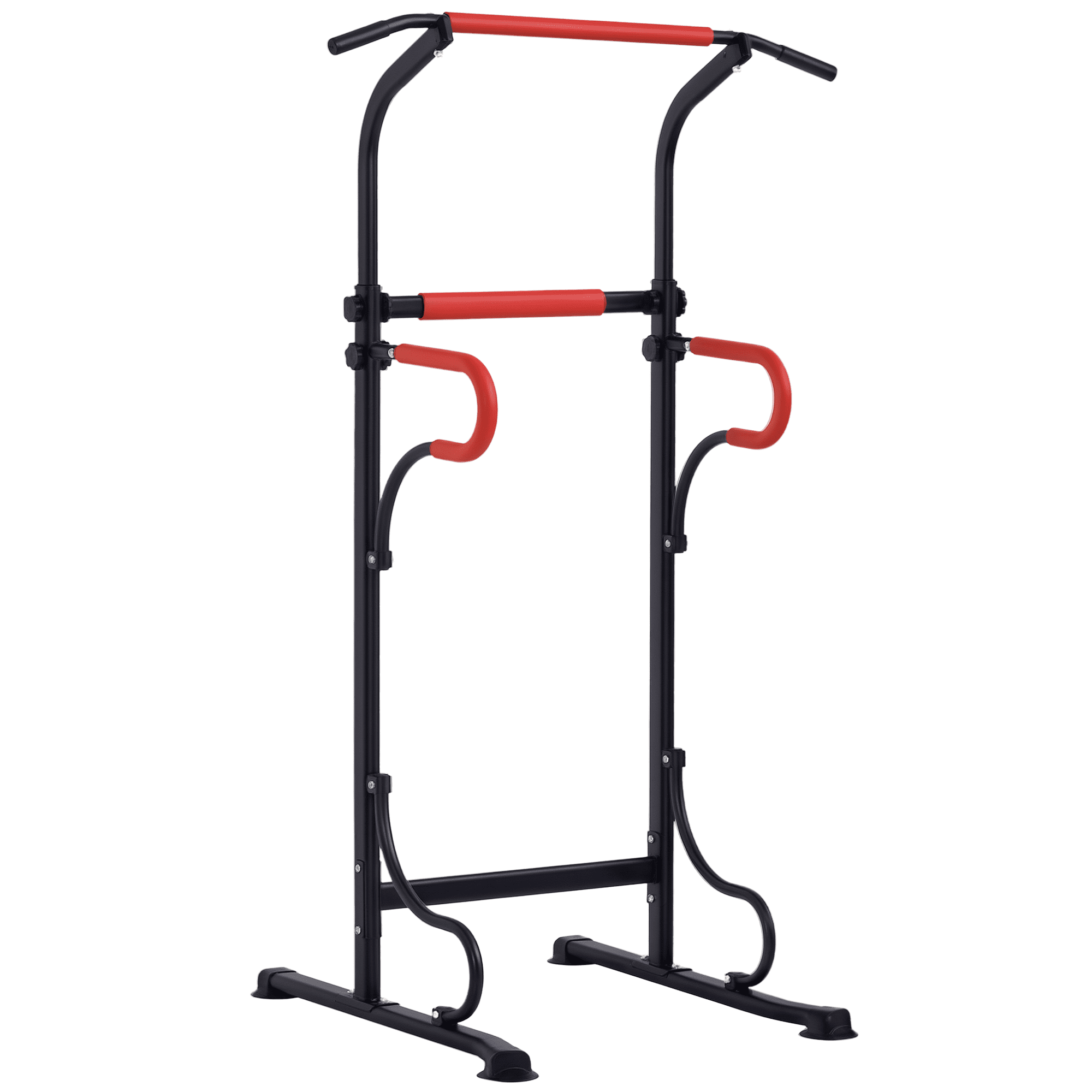
The power tower is a versatile piece of gym equipment. It helps in performing body-weight exercises. It’s a great tool for strength training and muscle building. Understanding its basics can enhance workout routines.
Key Features
The power tower offers several features. These include dip stations and pull-up bars. It usually has a push-up station too. These features help target different muscle groups. The equipment is sturdy and supports various exercises.
Types And Models
Power towers come in various types and models. Some are basic with minimal features. Others are advanced with additional attachments. There are foldable models for easy storage. Some models include adjustable height options. These variations suit different fitness levels and spaces.
Choosing The Right One
Consider your fitness goals first. Look at the available space at home. Check the weight capacity of the tower. Ensure it fits your exercise needs. Read reviews and compare brands. This helps in making an informed choice.
Core Exercises
Core exercises on the Power Tower are essential for building strength and stability in your midsection. This equipment allows you to target multiple muscle groups with bodyweight moves that challenge your abs, back, and shoulders. Adding these exercises to your routine can improve your posture and boost your overall fitness level.
Pull-ups And Chin-ups
Pull-ups and chin-ups are fantastic for developing upper body strength while engaging your core. As you pull your body up, your abs work hard to stabilize your torso. Try different grips to focus on various muscles and keep your workouts fresh.
Have you noticed how even a slight swing during pull-ups makes your core work harder? That’s your body fighting to stay steady, which means more core activation than you might expect.
Dips For Upper Body
Dips on the Power Tower target your chest, shoulders, and triceps, but they also require core control to maintain balance. When performing dips, tighten your abdominal muscles to avoid leaning too far forward or backward. This simple adjustment increases the exercise’s effectiveness for your core.
Next time you do dips, focus on keeping your body straight and controlled. This small change can turn a standard upper-body move into a core-strengthening challenge.
Leg Raises For Abs
Leg raises are a direct and powerful way to work your lower abs on the Power Tower. Hanging from the bars, lift your legs slowly and with control to maximize muscle engagement. You can start with bent knees if straight legs feel too difficult at first.
Do you feel your lower abs burning during leg raises? That’s a sign you’re activating the right muscles. Keep your movements slow and steady to avoid swinging and get the most out of this exercise.
Push-up Variations
The Power Tower lets you perform several push-up variations that challenge your core while strengthening your chest and arms. Try incline or decline push-ups using the bars to increase difficulty and engage your core more intensely. These variations force your abs to work harder to stabilize your body.
Have you tried doing push-ups on the Power Tower bars? Changing the angle changes your muscle activation, making your core work in new ways. This can help break through plateaus and keep your workouts interesting.
Muscle Groups Targeted
The Power Tower gym equipment is a versatile tool that targets multiple muscle groups, making your workouts efficient and effective. Understanding which muscles you engage helps you focus your efforts and track progress. Let’s break down the main muscle groups you work on using this equipment.
Back And Shoulders
Pull-up and chin-up bars on the Power Tower focus heavily on your back muscles, especially the latissimus dorsi. These exercises also activate your shoulders, particularly the deltoids, helping you build upper body strength.
When I added pull-ups to my routine, my posture improved noticeably. Have you noticed how stronger back muscles can reduce shoulder strain during daily activities?
Chest And Triceps
Dips on the Power Tower primarily target your chest and triceps. This movement helps sculpt your upper arms and build chest definition without needing extra weights.
Try adjusting your body angle during dips to emphasize either the chest or triceps more. Which variation feels stronger and more comfortable for you?
Core Strength
The Power Tower includes stations for leg raises, which are excellent for your abdominal muscles. These exercises work your entire core, including the rectus abdominis and obliques, enhancing stability and balance.
Stronger core muscles support almost every other exercise you do. How do you feel your core strength impacts your daily movements?
Leg Engagement
While the Power Tower mainly focuses on upper body and core, certain moves like hanging leg raises also engage your hip flexors and lower abs. These muscles are essential for leg movement and coordination.
Adding leg raises can complement your leg workouts by improving flexibility and control. Have you considered how your core strength affects your leg performance?
Workout Plans
Power Tower gym equipment offers a versatile way to build strength and endurance. It targets multiple muscle groups using body weight exercises. Structured workout plans help users progress safely and effectively. These plans vary by skill level to suit beginners, intermediates, and advanced users.
Beginner Routines
Start with simple moves focusing on form and control. Aim for low repetitions with rest between sets. Exercises like assisted pull-ups, knee raises, and wall push-ups work well.
- 3 sets of 5 assisted pull-ups
- 3 sets of 10 knee raises
- 3 sets of 8 wall push-ups
Rest for 60 seconds between sets. Repeat this routine 2-3 times per week.
Intermediate Challenges
Increase repetitions and add variety to boost strength. Incorporate full pull-ups, dips, and leg raises. Try supersets to reduce rest and increase intensity.
- 4 sets of 8 pull-ups
- 4 sets of 12 dips
- 4 sets of 15 leg raises
Rest 30-45 seconds between supersets. Train 3-4 times weekly for best results.
Advanced Training
Focus on higher reps and advanced movements for muscle growth. Include muscle-ups, L-sits, and explosive dips. Use slow negatives to increase difficulty.
- 5 sets of 10 muscle-ups
- 5 sets of 20 L-sits (hold for 10 seconds)
- 5 sets of 15 explosive dips
Keep rest short, about 20-30 seconds. Train 4-5 times a week for maximum gains.
Combining With Other Equipment
Mix Power Tower exercises with dumbbells, resistance bands, or kettlebells. This combination enhances overall fitness and muscle balance.
- Use dumbbells for bicep curls after pull-ups
- Add resistance bands for assisted dips
- Perform kettlebell swings to complement leg raises
This varied approach prevents plateaus and keeps workouts engaging.
Safety Tips
Using Power Tower gym equipment can boost your fitness routine, but safety should always come first. Paying attention to how you use the equipment protects you from injuries and helps you get the most out of every workout session. Let’s dive into some practical safety tips to keep your training both effective and secure.
Proper Form
Maintaining proper form on the Power Tower is crucial. Incorrect posture can strain your muscles and joints, leading to injuries that slow down your progress. Focus on controlled movements—avoid swinging or jerking your body during exercises like pull-ups or dips.
Ask yourself: Are you fully engaging the right muscles without overcompensating? If you feel discomfort in unexpected places, it’s time to adjust your technique or reduce reps. Watching videos or working with a trainer can help you master the correct form.
Warm-up And Cool Down
Starting your workout with a warm-up prepares your muscles and joints for the work ahead. Simple activities like arm circles, light jogging, or dynamic stretches increase blood flow and reduce stiffness. This makes your body less prone to strains when you use the Power Tower.
Cooling down is equally important. Gentle stretching or slow-paced movements after your workout help your muscles relax and lower the risk of soreness. You might wonder if skipping these steps saves time—but does rushing ever actually speed up your recovery?
Preventing Injuries
Injuries often happen when you push too hard or use the equipment improperly. Listen to your body’s signals and avoid overexerting yourself. Rest days between intense sessions allow your muscles to repair and grow stronger.
Wear proper workout gear, especially shoes with good grip, to avoid slips. Keep your hands dry or use gloves if needed to maintain a firm hold on bars. These small precautions can prevent falls and sprains that might set you back weeks.
Maintenance And Care
Regularly check your Power Tower for loose bolts, worn grips, or rust. A well-maintained machine works smoothly and reduces the chance of accidents. Wiping down the equipment after use removes sweat and dirt that can degrade materials over time.
If you spot any damage, fix it immediately or avoid using that part until it’s safe. Have you inspected your equipment recently? Taking a few minutes for maintenance can save you from costly injuries and repairs later on.

Credit: www.amazon.ca
Benefits Of Power Tower Training
Power tower training offers a range of benefits that can transform your fitness routine. It targets multiple muscle groups, making your workouts efficient and effective. Whether you’re a beginner or experienced, the power tower adapts to your level and goals.
Strength Gains
Using a power tower regularly builds upper body strength quickly. It engages muscles like your chest, back, arms, and shoulders through exercises such as pull-ups and dips.
One user shared how their pull-up count doubled in just a month by training on a power tower three times a week. Could focusing on compound movements like these speed up your strength progress too?
Muscle Definition
Power tower exercises help sculpt your muscles by targeting different angles and muscle groups. You don’t just get stronger—you also see clearer muscle lines and tone.
Adding leg raises and knee lifts to your routine can define your abs without needing extra equipment. How would visible muscle definition change the way you feel about your workouts?
Convenience At Home
Having a power tower at home saves you trips to the gym and time waiting for equipment. You can fit quick workouts into your day whenever you want.
This ease of access helped one busy parent stay consistent despite a hectic schedule. What would you do with the extra time gained by working out at home?
Cost-effectiveness
Compared to gym memberships or multiple machines, a power tower is a one-time investment that offers many workout options. It replaces several pieces of equipment, saving money and space.
Think about how many workout tools you own that rarely get used. Could a power tower simplify your fitness gear and cut costs?
Accessories And Add-ons
Enhancing your power tower workouts is simple with the right accessories and add-ons. These tools improve comfort, safety, and performance. They help target different muscle groups and increase workout variety.
Resistance Bands
Resistance bands add extra challenge to your exercises. They come in various strengths to match your fitness level. Attach them to the power tower for assisted pull-ups or added resistance during dips. Bands improve muscle strength and flexibility. They are lightweight and easy to store.
Weight Belts
Weight belts increase the intensity of your workouts. You can attach weights to the belt for added resistance during pull-ups or dips. This boosts muscle growth and endurance. Weight belts provide secure support and help maintain proper form. They are adjustable to fit different waist sizes.
Grip Enhancers
Grip enhancers improve your hold on bars and handles. They prevent slipping caused by sweat or fatigue. Common types include gloves, chalk, and grip pads. These accessories reduce hand strain and increase workout time. Better grip means safer and more effective exercises.
Credit: www.walmart.ca
Frequently Asked Questions
What Is A Power Tower Gym Equipment?
A Power Tower is a versatile piece of gym equipment. It allows you to perform pull-ups, dips, push-ups, and leg raises. It targets multiple muscle groups, including arms, chest, and core. This equipment is ideal for bodyweight strength training at home or gym.
How Does Power Tower Improve Workout Efficiency?
Power Tower combines multiple exercises in one station. It saves space and time during workouts. You can switch between exercises quickly. This variety helps build strength and endurance effectively. It suits both beginners and advanced fitness levels.
Which Muscles Does Power Tower Target Most?
Power Tower mainly targets upper body muscles. It focuses on biceps, triceps, chest, shoulders, and back. Core muscles also engage during leg raises and knee lifts. This equipment provides a full upper body and core workout. It supports muscle toning and strength building.
Is Power Tower Suitable For Beginners?
Yes, Power Tower is suitable for beginners. It offers adjustable difficulty levels for different exercises. Beginners can start with assisted pull-ups or dips. The equipment allows gradual strength improvement safely. Proper form is essential to avoid injuries.
Conclusion
Power Tower gym equipment offers many ways to exercise your whole body. It helps build strength in arms, chest, and core muscles. The equipment fits well in small home spaces. Regular use can improve fitness and health steadily. Choose the right model that suits your needs.
Simple workouts lead to great results over time. Stay consistent and enjoy the benefits of this versatile gear.







