
Are you tired of feeling stiff and sore after long hours at your desk or daily activities? Your posture might be the hidden culprit.
Poor posture not only affects how you look but can lead to discomfort and even pain over time. The good news? You can fix it with simple posture exercises at the gym. These moves are designed to strengthen your muscles and align your body, helping you stand taller, feel better, and boost your confidence.
Keep reading to discover easy and effective posture exercises that you can start doing today to transform how you carry yourself every single day.
Benefits Of Good Posture
Good posture is more than just standing up straight; it shapes how your body feels and performs every day. Paying attention to your posture through targeted gym exercises can bring noticeable benefits that improve your overall well-being. Have you noticed how sitting or standing correctly can change your energy levels or focus? Let’s look at some key advantages that good posture brings.
Improved Spine Health
Your spine supports your entire body weight, so keeping it aligned is crucial. Good posture helps maintain the natural curves of your spine, reducing strain on discs and joints. Over time, this can prevent issues like herniated discs or chronic back problems.
Think about how you feel after a long day slouching—your back probably aches. Practicing posture exercises at the gym strengthens the muscles that hold your spine upright, making those aches less frequent or even disappear.
Enhanced Muscle Strength
Good posture activates and strengthens the muscles around your shoulders, core, and lower back. This means your muscles work more efficiently, improving your balance and stability.
While training, you might find your workouts become easier as your body moves correctly and uses the right muscles. Stronger muscles also support better posture outside the gym, creating a positive cycle.
Reduced Pain And Discomfort
Poor posture often leads to muscle tension and joint pain, especially in the neck, shoulders, and lower back. By focusing on posture exercises, you can ease this discomfort and reduce the risk of chronic pain.
Have you experienced tension headaches or stiffness after long hours at a desk? Improving your posture can relieve these symptoms by reducing unnecessary stress on your body.
Key Muscles For Posture
Understanding the key muscles for posture is essential if you want to improve your stance and reduce discomfort. These muscles work together to keep your spine aligned and your body balanced throughout the day. Strengthening them can make a noticeable difference in how you carry yourself and how you feel.
Core Stabilizers
Your core stabilizers include muscles like the transverse abdominis, obliques, and pelvic floor. These muscles act like a natural corset, supporting your spine from the front and sides. If your core is weak, you might notice slouching or lower back pain after sitting or standing for a long time.
Try exercises like planks or dead bugs to activate these muscles. They don’t just improve posture—they also enhance your overall movement and stability. Have you ever felt your back tighten after sitting? That’s your core asking for some attention.
Back Extensors
The back extensors run along your spine and help you stand tall. Muscles like the erector spinae are key players in keeping your back straight and your shoulders from rounding forward. Weak back extensors often lead to a hunched posture, especially after long hours at a desk.
Simple moves such as superman lifts or bird dogs can strengthen these muscles. You’ll notice better endurance in your back and less fatigue when standing or walking. How often do you catch yourself leaning forward without realizing it?
Shoulder Retractors
Shoulder retractors, including the rhomboids and middle trapezius, pull your shoulders back and open up your chest. These muscles fight against the common forward-shoulder posture caused by phone and computer use. Tight chest muscles combined with weak retractors can make your posture look rounded and tired.
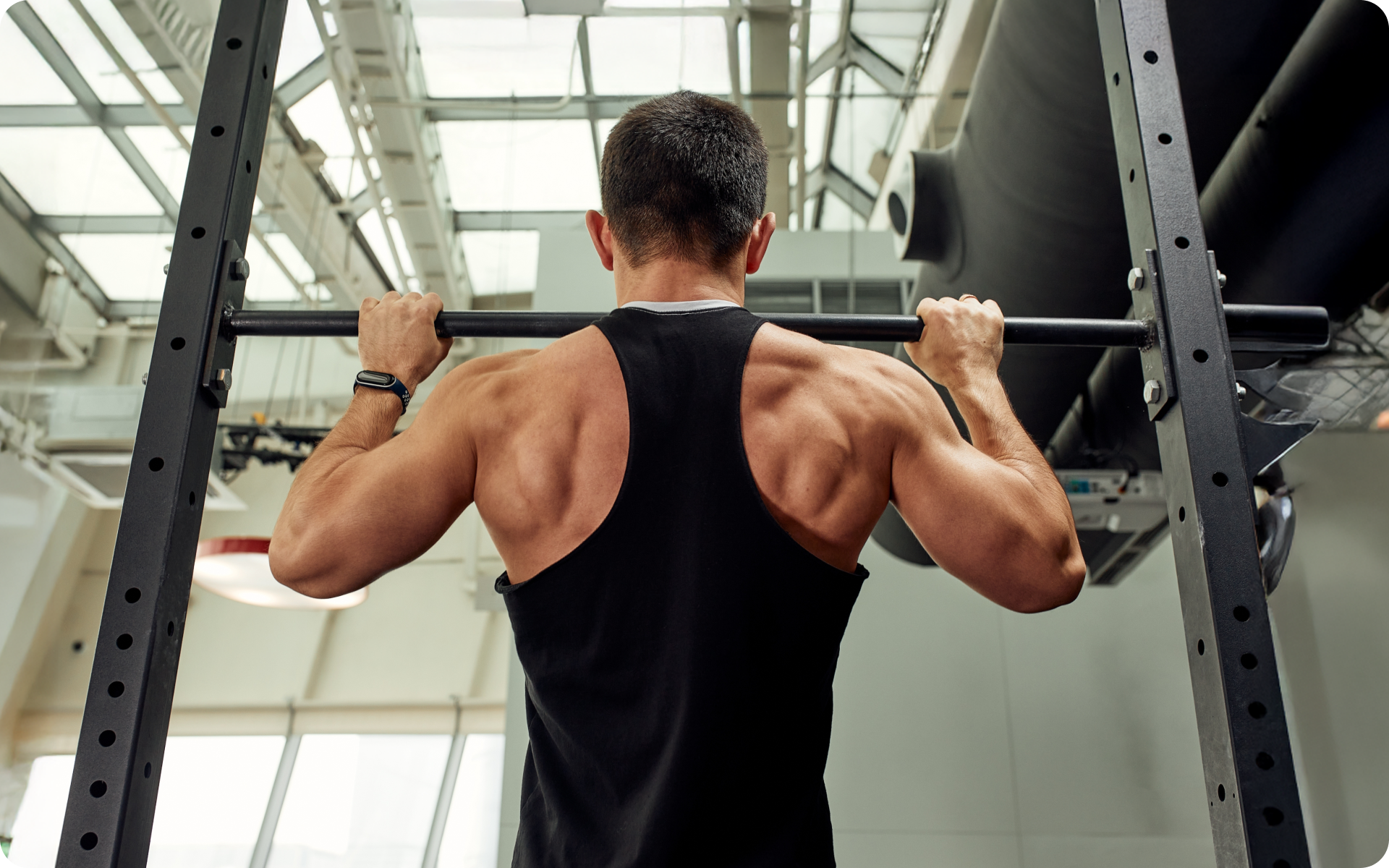
Rows and scapular squeezes target these muscles effectively. Strengthening them helps you maintain an open, confident posture throughout the day. Next time you check your posture, ask yourself—are your shoulders rolled forward or pulled back?
Warm-up Techniques
Proper warm-up techniques prepare your body for posture exercises at the gym. They increase blood flow and improve muscle flexibility. Warming up helps reduce injury risks and enhances exercise performance.
Focus on movements that target the muscles involved in maintaining good posture. Start gently and gradually increase intensity. This approach activates your muscles and joints effectively.
Dynamic Stretching
Dynamic stretching uses controlled movements to warm up muscles and joints. It helps improve range of motion and muscle coordination. Examples include arm circles, leg swings, and torso twists.
Keep movements smooth and steady. Avoid bouncing or jerking to prevent muscle strain. Dynamic stretches prepare your body for the workout ahead by mimicking exercise motions.
Foam Rolling Tips
Foam rolling releases muscle tightness and improves blood flow. Focus on areas that feel stiff or sore, such as the upper back, shoulders, and hips.
- Use slow, controlled movements over each muscle group.
- Pause on tender spots for 20-30 seconds to release tension.
- Do not roll directly over joints or bones.
Foam rolling before posture exercises helps relax muscles and increases mobility. It makes stretching and strengthening exercises more effective.
Credit: betterme.world
Top Posture Exercises
Good posture supports your spine and reduces muscle strain. Exercises that strengthen your back and core improve your stance. These posture exercises target key muscles and joints to help you stand tall and feel better.
Plank Variations
Planks build core strength and stabilize your spine. Try front planks and side planks to engage different muscles. Hold each position for 20 to 30 seconds. Keep your body straight and avoid sagging hips.
Thoracic Extensions
This exercise opens up the upper back and improves mobility. Sit or lie on a foam roller placed under your shoulder blades. Gently lean back to stretch the thoracic spine. Repeat slowly to increase flexibility.
Scapular Retractions
Scapular retractions strengthen muscles between the shoulder blades. Sit or stand with your arms at your sides. Pull your shoulder blades together and hold for a few seconds. Release and repeat for better posture support.
Wall Angels
Wall angels improve shoulder and upper back alignment. Stand with your back against a wall. Raise your arms to form a “W” shape, then slowly move them up to form a “Y.” Keep your back flat against the wall throughout.
Gym Equipment For Posture
Choosing the right gym equipment can make a huge difference in improving your posture. The right tools help target the muscles that support your spine and shoulders. Using equipment designed for posture exercises lets you work more effectively and safely.
Resistance Bands
Resistance bands are simple but powerful tools for posture improvement. They help strengthen your back, shoulders, and core without putting too much strain on your joints. You can use them for exercises like rows and pull-aparts, which promote better shoulder alignment.
One great thing about resistance bands is their versatility. You can adjust the tension to match your strength level. Have you tried doing face pulls with a resistance band? It’s a game-changer for shoulder health and posture.
Stability Balls
Stability balls challenge your balance while engaging your core muscles. Sitting or exercising on a stability ball encourages you to maintain a neutral spine and avoid slouching. This constant engagement helps build the muscles needed for good posture.
Using a stability ball for exercises like bridges or wall squats trains your body to hold proper alignment naturally. Ever noticed how sitting on one makes you sit up straighter? That’s your muscles working to keep you balanced.
Cable Machines
Cable machines offer controlled resistance that targets posture-related muscles precisely. They allow you to perform movements like lat pulldowns and face pulls with smooth, adjustable tension. These exercises strengthen the upper back and open up tight chest muscles.
Adjustable cables let you work at different angles, which is important for balanced muscle development. Have you tried slow, controlled rows on a cable machine? They can improve your posture by reinforcing the muscles that pull your shoulders back.
Common Mistakes To Avoid
Posture exercises can transform how you feel and move, but common mistakes can hold you back or even cause pain. Paying attention to these errors helps you get the most from your gym sessions and protects your body from injury. Here are some frequent pitfalls to watch out for and how to avoid them.
Overarching The Lower Back
One of the most common mistakes is overarching the lower back during exercises like planks or bridges. This puts unnecessary stress on your spine instead of strengthening your muscles.
Try to keep your spine neutral and avoid pushing your hips too far forward. Imagine gently tucking your pelvis under to maintain a straight line from shoulders to hips. If you feel discomfort in your lower back, pause and adjust your position.
Neglecting Core Engagement
Your core is the foundation for good posture, yet many forget to engage these muscles during workouts. Without activating your core, other muscles compensate, which can lead to imbalances and poor results.
Focus on drawing your belly button toward your spine during exercises. This simple action stabilizes your torso and supports your back. Ask yourself: are you feeling your core working or just going through the motions?
Using Incorrect Form
Incorrect form reduces the effectiveness of posture exercises and increases injury risk. This can happen if you rush, use too much weight, or don’t fully understand the movement.
Take time to learn each exercise properly. Use mirrors or record yourself to check alignment. If possible, get feedback from a trainer who can spot and correct your form before bad habits develop.
Progress Tracking Tips
Tracking your progress in posture exercises at the gym is key to seeing real improvements. Without clear feedback, it’s easy to lose motivation or miss subtle changes. Paying attention to small wins keeps you focused and helps adjust your routine effectively.
Posture Self-assessment
Taking time to assess your posture regularly gives you a baseline to compare against. Stand naturally in front of a wall and check if your head, shoulders, and back touch evenly. This simple test can reveal imbalances or areas that need extra work.
Try to notice how your body feels during daily activities. Do you slump when sitting or lean more on one side? Writing down these observations helps you connect your exercises to real-life posture improvements.
Using Mirrors And Photos
Mirrors are your best friends for instant feedback. Use a full-length mirror during exercises to ensure your form stays correct. Seeing yourself helps catch mistakes you might not feel.
Taking photos weekly can show progress that your eyes miss day-to-day. Stand in the same spot, wear similar clothes, and snap front and side views. Comparing pictures over time highlights subtle shifts in alignment and muscle tone.
What changes do you notice after a month of focused posture work? Capturing your journey visually makes the effort more rewarding and keeps you committed.

Credit: www.youtube.com
Incorporating Exercises Daily
Adding posture exercises to your daily routine can transform how you feel and move throughout the day. The key is consistency, not intensity. Small, regular efforts bring lasting benefits to your spine and muscles.
Routine Scheduling
Set a specific time each day for your posture exercises. It could be right after waking up or during a mid-afternoon break. Consistency helps form a habit, making it less likely you’ll skip sessions.
Try keeping your workout short but effective—10 to 15 minutes is enough to target key muscles. Use reminders on your phone or calendar to stay on track. What’s a realistic time slot you can commit to every day?
Balancing Work And Rest
Overdoing posture exercises can cause strain, so balance is crucial. Pay attention to how your body feels after each session and adjust accordingly. Rest days or lighter sessions can help muscles recover and grow stronger.
In between exercise days, simple stretches or mindful posture checks while working can maintain progress. Remember, quality beats quantity—doing fewer reps with good form is better than rushing through many. How do you currently listen to your body’s signals during workouts?

Credit: www.goldsgym.com
Frequently Asked Questions
What Are The Best Posture Exercises At The Gym?
Best posture exercises include planks, rows, chest stretches, and shoulder blade squeezes. These strengthen back muscles and open the chest. Consistent practice improves spinal alignment and reduces slouching.
How Often Should I Do Posture Exercises?
Aim for posture exercises 3 to 4 times weekly. Regular sessions help build muscle memory and strength. Consistency is key to lasting posture improvement.
Can Posture Exercises Reduce Back Pain?
Yes, posture exercises strengthen core and back muscles. This support eases spinal pressure and relieves back pain. Improved posture also prevents future discomfort.
Should I Use Weights For Posture Exercises?
Light weights can enhance posture workouts by adding resistance. Focus on controlled movements to avoid injury. Gradually increase weight as strength improves.
Conclusion
Improving posture can boost health and confidence. Regular exercises at the gym help. Start with simple stretches. Gradually add more challenging movements. Consistency is key. Listen to your body’s signals. Avoid overexertion. Enjoy the benefits of better posture. Feel more energetic and alert each day.
Remember, small steps make big changes. With dedication, posture can improve over time. Enjoy the journey to a healthier you. Stay motivated and keep moving forward. Your body will thank you for it.







