
Are you curious about trying a plant-based diet but not sure where to start? You’re not alone.
Many people are discovering the benefits of a plant-based lifestyle, from improved health to a lighter environmental footprint. But diving into a new way of eating can feel overwhelming, especially if you’re used to meat-heavy meals. Imagine having a clear, easy-to-follow meal plan that guides you step-by-step through the process.
Picture yourself enjoying vibrant, delicious meals that nourish your body and delight your taste buds. This guide is designed just for you, to simplify your transition and make plant-based eating a joyful and satisfying experience. Ready to explore how you can transform your meals and embrace a healthier lifestyle? Let’s dive in and unlock the secrets of a plant-based diet meal plan tailored for beginners like you.

Credit: becomingyouwithjulie.com
Benefits Of A Plant-based Diet
A plant-based diet offers many benefits beyond just food choices. It can improve health, help the environment, and support animal welfare. Choosing plants over animal products can create positive changes in daily life and the world around us.
Health Improvements
A plant-based diet can lower the risk of many diseases. It often reduces blood pressure and bad cholesterol. People may feel more energetic and maintain a healthy weight. Plants provide vitamins, minerals, and fiber that support digestion. This diet can also improve heart health and reduce inflammation.
Environmental Impact
Eating more plants reduces the need for large-scale animal farming. This lowers greenhouse gas emissions and saves water. Plant foods use less land and cause less pollution. Choosing plants helps protect forests and wildlife habitats. It supports a cleaner planet for future generations.
Ethical Considerations
A plant-based diet avoids harm to animals raised for food. It promotes kindness and respect for all living beings. Many people choose plants to oppose factory farming practices. This diet aligns with values of compassion and animal welfare. It encourages mindful eating and awareness of food sources.

Credit: becomingyouwithjulie.com
Essential Nutrients To Focus On
Starting a plant-based diet means paying close attention to the nutrients your body needs. Without careful planning, it’s easy to miss out on key elements that keep you energized and healthy. Focusing on essential nutrients helps you build balanced meals that support your lifestyle and wellbeing.
Protein Sources
Protein is crucial for muscle repair, immune function, and overall energy. You don’t need meat to get enough protein; plants offer plenty of options. Think about adding lentils, chickpeas, tofu, tempeh, and quinoa to your meals.
Mix different sources throughout the day to get a complete amino acid profile. Have you tried making a chickpea salad or a tofu stir-fry yet? These dishes can be both tasty and protein-packed.
Vitamins And Minerals
Some vitamins and minerals require special attention on a plant-based diet. Vitamin B12, iron, calcium, and vitamin D are top priorities. Since B12 is mainly found in animal products, consider fortified foods or supplements to meet your needs.
Leafy greens like spinach and kale provide calcium and iron, but pairing them with vitamin C-rich foods like bell peppers can improve absorption. How often do you add a citrus fruit or tomato to your meals? These small tweaks make a big difference.
Healthy Fats
Healthy fats support brain health and hormone balance. Nuts, seeds, avocados, and olives are excellent sources that fit perfectly into a plant-based plan. Including these fats can also help you feel full and satisfied after meals.
Try sprinkling chia or flaxseeds on your breakfast or snacking on a handful of walnuts. Are you getting enough omega-3 fatty acids from your plant-based foods? These fats are essential and often overlooked.
Creating Your First Meal Plan
Creating your first plant-based meal plan sets the foundation for healthy eating. It helps you stay organized and ensures balanced nutrition. Planning ahead reduces stress and makes cooking easier. A simple plan saves time and money while supporting your new lifestyle.
Planning Balanced Meals
Focus on variety in each meal. Include vegetables, fruits, whole grains, and plant proteins. Balance macronutrients for energy and fullness.
- Vegetables and fruits provide vitamins and fiber.
- Whole grains like brown rice and quinoa add complex carbs.
- Legumes, tofu, and nuts offer protein and healthy fats.
Use colorful plates to cover different nutrients. Aim for simple, tasty combinations.
Shopping Tips
Make a shopping list before you visit the store. Stick to plant-based staples and fresh produce. Buy seasonal fruits and vegetables for better flavor and price.
- Choose whole foods over processed items.
- Check labels for added sugars or animal products.
- Buy frozen veggies for convenience and longer storage.
Shop the perimeter of the store for fresh foods. Avoid aisles with heavily processed snacks.
Meal Prep Strategies
Prepare meals in advance to save time during busy days. Cook large batches of grains and legumes. Chop vegetables and store them in containers.
- Use airtight containers to keep food fresh.
- Label meals with dates to avoid spoilage.
- Mix and match ingredients for variety throughout the week.
Keep snacks ready, like nuts or cut fruits. This helps avoid unhealthy choices.
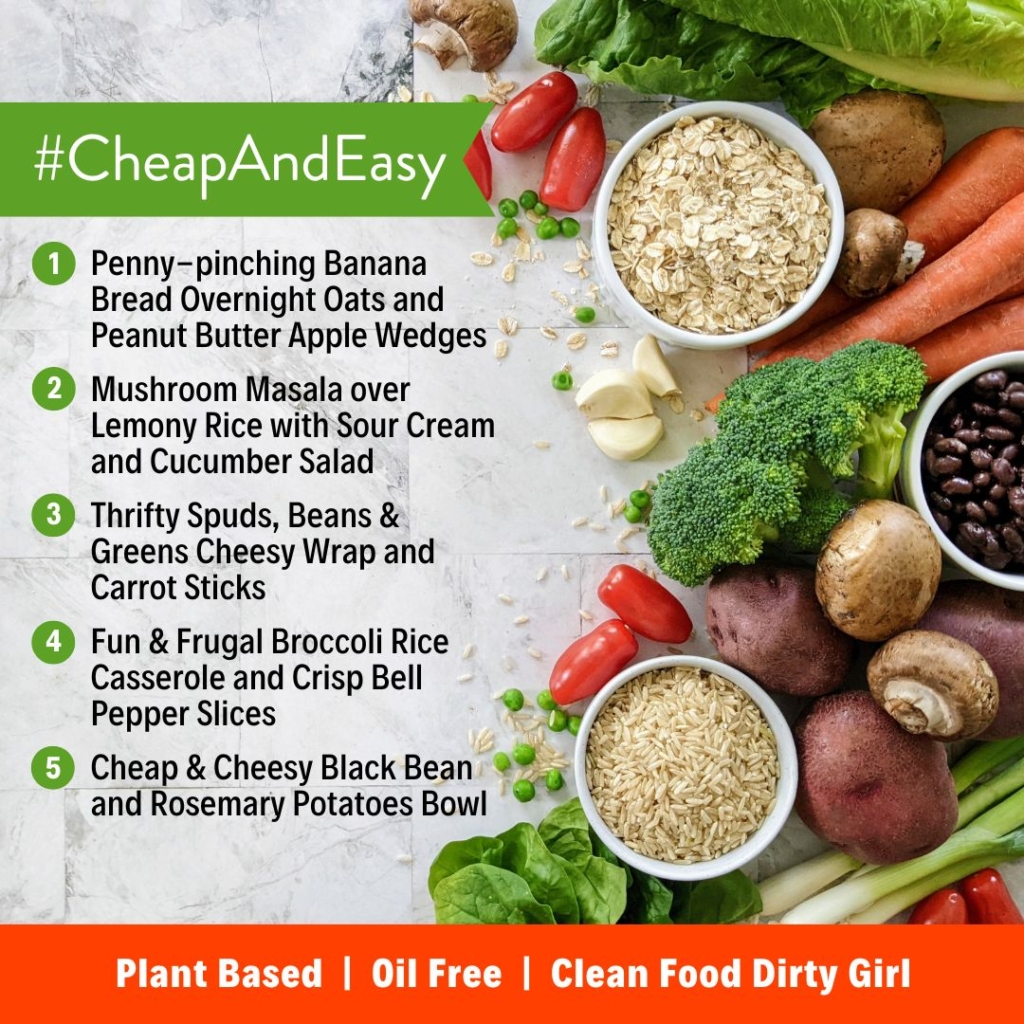
Credit: cleanfooddirtygirl.com
Easy Breakfast Ideas
Starting your day with a plant-based breakfast can be simple and tasty. These easy ideas require little time and use common ingredients. Each option offers good nutrition and energy to keep you active. Explore these breakfast choices for a fresh start.
Smoothie Bowls
Smoothie bowls are thick and creamy. Blend fruits like banana, berries, and spinach with plant milk. Pour into a bowl and top with nuts, seeds, and sliced fruit. They are quick to make and easy to customize.
Overnight Oats
Overnight oats need no cooking. Mix rolled oats with plant milk and a sweetener like maple syrup. Add chia seeds or fruit for extra flavor. Let it sit in the fridge overnight. In the morning, enjoy a cool and filling meal.
Tofu Scrambles
Tofu scrambles mimic scrambled eggs. Crumble firm tofu and cook with vegetables like peppers and spinach. Season with turmeric, salt, and pepper. This dish is high in protein and perfect for a warm breakfast.
Simple Lunch Recipes
Simple lunch recipes suit a plant-based diet perfectly. They save time and keep you full through the afternoon. Easy meals with fresh ingredients make your lunch both tasty and healthy. These recipes focus on variety and balance, ensuring you get enough protein and fiber. Try these simple ideas to enjoy your plant-based journey.
Salads With Protein
Salads can be more than just greens. Add beans, lentils, or chickpeas for protein. Nuts and seeds boost crunch and nutrition. Tofu or tempeh cubes make salads hearty. Use colorful veggies like bell peppers, carrots, and tomatoes. A light vinaigrette or tahini dressing brings all flavors together.
Hearty Soups
Soups warm you up and fill you up. Lentil soup is rich in protein and fiber. Vegetable minestrone offers many nutrients in one bowl. Blend cooked beans into creamy soups without dairy. Add whole grains like quinoa or barley for extra energy. Spices like cumin and turmeric add depth and health benefits.
Wraps And Sandwiches
Wraps and sandwiches are quick and portable. Use whole grain or gluten-free wraps for better nutrition. Fill with hummus, grilled veggies, and leafy greens. Black beans or mashed chickpeas make tasty spreads. Fresh herbs add flavor without extra calories. Wrap tightly to keep ingredients fresh and neat.
Delicious Dinner Options
Dinner is the perfect time to enjoy a variety of plant-based meals. These options are simple, tasty, and full of nutrients. Each dish offers a unique blend of flavors and textures. They help keep your meals exciting and satisfying.
Grain Bowls
Grain bowls combine cooked grains with vegetables and protein sources. Use quinoa, brown rice, or farro as the base. Top with roasted vegetables, beans, and a delicious dressing.
- Start with a grain of choice, cooked and cooled.
- Add colorful veggies like spinach, carrots, and bell peppers.
- Include protein such as chickpeas, tofu, or tempeh.
- Finish with a drizzle of tahini or lemon vinaigrette.
Grain bowls are easy to customize. They offer a balanced, wholesome dinner option.
Stir-fries
Stir-fries are quick and flavorful. Use a variety of fresh or frozen vegetables. Add tofu or seitan for protein. Cook everything in a wok or large pan with a tasty sauce.
- Heat oil and add garlic and ginger for aroma.
- Stir in vegetables like broccoli, snap peas, and mushrooms.
- Add tofu or plant-based meat substitute.
- Pour in soy sauce, sesame oil, and a pinch of chili flakes.
- Serve over steamed rice or noodles.
This meal is perfect for busy nights. It’s nutritious, colorful, and filling.
Plant-based Pasta
Pasta dishes can be delicious without animal products. Use whole-grain or legume-based pasta for extra fiber and protein. Pair with vibrant sauces and vegetables.
- Cook pasta according to package instructions.
- Prepare a tomato-based or creamy avocado sauce.
- Add sautéed vegetables like zucchini, tomatoes, and spinach.
- Mix pasta with sauce and veggies.
- Top with fresh herbs or nutritional yeast for flavor.
Plant-based pasta offers comfort and great taste. It suits all skill levels in cooking.
Snack And Dessert Choices
Snacks and desserts can be tasty and healthy on a plant-based diet. Choosing the right options helps keep energy high and cravings low. Simple ingredients often create the best treats. These snacks and desserts provide natural sweetness and important nutrients.
Energy Bites
Energy bites are small, nutritious snacks that fuel your body quickly. They often contain nuts, seeds, and dried fruits. These ingredients offer protein, fiber, and healthy fats. Energy bites are easy to make and carry anywhere.
- Mix dates, almonds, and cocoa powder.
- Add chia seeds for extra fiber.
- Roll into bite-size balls and chill.
Energy bites satisfy hunger and boost energy without processed sugars.
Fruit-based Treats
Fruit-based treats bring natural sweetness and vitamins. Fresh or frozen fruits work well for quick desserts. They can be combined or served alone to refresh your palate.
- Blend bananas and berries for smoothies.
- Top sliced apples with cinnamon and nuts.
- Freeze grapes or mango chunks for a cool snack.
These treats support digestion and keep you hydrated.
Dairy-free Desserts
Dairy-free desserts are perfect for a plant-based plan. Use alternatives like coconut milk, almond milk, or oat milk. These options offer creamy textures without animal products.
- Make chia pudding with almond milk and maple syrup.
- Bake cookies using coconut oil and flaxseed.
- Create sorbets from blended frozen fruits.
Dairy-free desserts are gentle on digestion and satisfy sweet cravings.
Tips For Staying On Track
Sticking to a plant-based diet meal plan can feel challenging at times, especially when old habits or busy days test your commitment. Having practical tips to stay on track makes the journey smoother and more enjoyable. Here are some strategies to help you navigate cravings, dining out, and tracking your progress effectively.
Dealing With Cravings
Cravings can surprise you, even when you’re committed to your plant-based plan. Instead of ignoring them, try to understand what your body really needs. Sometimes, a craving for something sweet means your energy is low, so reaching for fresh fruit or a handful of nuts can satisfy that urge in a healthy way.
If you miss the texture or flavor of certain animal products, experiment with plant-based alternatives like smoked tempeh or spicy chickpea snacks. Keep quick, satisfying snacks handy to avoid reaching for processed junk food. Have you noticed which cravings hit hardest during your day?
Eating Out
Eating out can feel tricky on a plant-based diet, but it’s manageable with a bit of planning. Check menus online before you go and identify dishes you can customize, like salads without cheese or veggie stir-fries without meat. Don’t hesitate to ask servers about plant-based options—they often have ideas you won’t find on the menu.
Consider sharing dishes with friends to try more plant-based options without over-ordering. Bringing a small snack along can also keep hunger at bay while you decide. How do you usually handle eating out without breaking your meal plan?
Tracking Progress
Keeping track of your meals and how you feel helps maintain motivation. Use a simple journal or an app to note what you eat and any changes in energy or mood. Seeing your progress over time can highlight what works best and where you might need adjustments.
Celebrate small wins like trying a new vegetable or cooking a recipe without shortcuts. This keeps your journey positive and focused. What kind of progress tracking feels easiest for you to stick with?
Frequently Asked Questions
What Is A Plant Based Diet Meal Plan For Beginners?
A plant based diet meal plan for beginners focuses on whole, unprocessed plant foods. It excludes animal products and emphasizes fruits, vegetables, grains, nuts, and legumes. This plan helps improve health, supports weight loss, and boosts energy with balanced, nutrient-rich meals.
How To Start A Plant Based Diet Meal Plan?
Start by gradually replacing animal products with plant foods. Plan meals around vegetables, fruits, grains, and legumes. Experiment with recipes and keep snacks healthy. Stay hydrated and ensure you get enough protein and vitamins from plant sources.
What Are The Health Benefits Of A Plant Based Diet?
A plant based diet lowers the risk of heart disease, diabetes, and certain cancers. It supports weight management and improves digestion. Rich in fiber and antioxidants, it also boosts energy and promotes overall well-being.
What Foods Should Beginners Avoid In A Plant Based Diet?
Beginners should avoid meat, dairy, eggs, and processed foods with animal ingredients. Limit refined sugars and oils. Focus on whole, natural plant foods like fruits, vegetables, nuts, seeds, and whole grains for optimal nutrition.
Conclusion
Starting a plant-based diet meal plan is simple and rewarding. Choose fresh fruits, vegetables, grains, and legumes daily. Plan meals to include variety and color. Enjoy new flavors and textures as you cook. Small steps lead to healthy habits. Stay patient and keep trying new recipes.
Your body and mind will thank you. Embrace the journey toward better eating today.







