
Have you ever wondered what makes pigs grow healthy and strong? Understanding the right diet for pigs is crucial, not just for farmers but for anyone interested in animal care.
You might be surprised to learn how much a pig’s diet can impact its growth, behavior, and overall well-being. Whether you’re raising pigs or just curious about these fascinating animals, knowing what they eat can open your eyes to a world of nutrition and animal science.
So, what exactly should a pig eat to thrive? Keep reading, and you’ll discover the secrets behind a perfect pig diet that can transform their health and vitality.
Nutritional Needs Of Pigs
Understanding the nutritional needs of pigs is crucial for raising healthy animals and achieving the best growth results. Pigs require a balanced diet that meets their specific demands for energy, protein, vitamins, and minerals. Meeting these needs not only supports their well-being but also improves productivity and reduces feeding costs.
Essential Nutrients
Pigs need a variety of nutrients to stay healthy and grow efficiently. These include carbohydrates, fats, proteins, vitamins, and minerals. Each nutrient plays a distinct role, such as providing energy, building tissues, or supporting metabolic functions.
Vitamins like A, D, and E are vital for immune function and reproduction, while minerals such as calcium and phosphorus support bone development. Missing even one essential nutrient can slow down growth or cause health issues.
Energy Requirements
Energy is the fuel that powers all pig activities, from moving around to growing muscle. Carbohydrates and fats are the primary energy sources in a pig’s diet. You need to balance energy intake carefully—too little slows growth, while too much can lead to excessive fat.
Energy needs vary by age, weight, and purpose (e.g., breeding or finishing). For example, a young pig growing rapidly demands more energy than an adult pig maintained for breeding. How do you adjust the feed to match these changing needs?
Protein Sources
Protein is the building block for muscles, organs, and other tissues. Pigs require high-quality protein with the right balance of amino acids for efficient growth. Common protein sources include soybean meal, fish meal, and legumes.
Choosing the right protein source affects not only growth but also feed cost. Using a mix of plant and animal proteins can improve nutrient balance and reduce expenses. Have you experimented with different protein combinations to see what works best for your pigs?
Types Of Pig Feed
Pigs need different types of feed to stay healthy and grow well. The kind of feed depends on the pig’s age, purpose, and environment. Feed can be bought, made at home, or found naturally on the farm. Each type offers unique benefits and nutrients for pigs.
Commercial Feeds
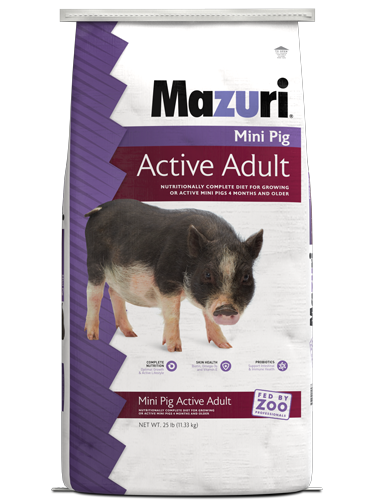
Commercial feeds are made in factories with balanced nutrition. They contain grains, vitamins, minerals, and proteins. These feeds are easy to use and save time. Many farmers choose commercial feeds for consistent quality and fast pig growth.
They come in forms like pellets, crumbles, or mash. Each form suits different pig ages and sizes. Commercial feeds help prevent nutrient deficiencies and diseases.
Homemade Feed Options
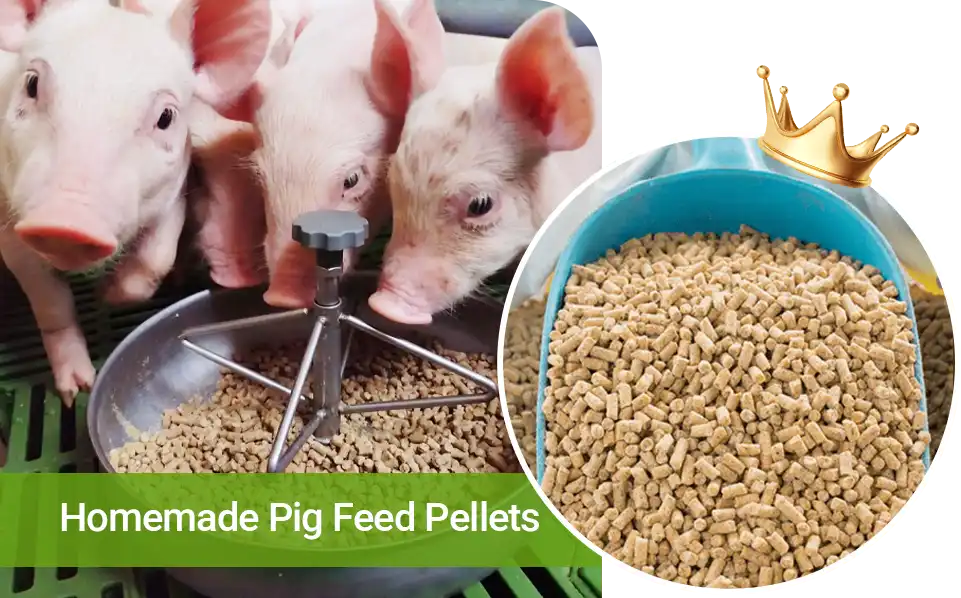
Homemade feeds use kitchen scraps, grains, and farm by-products. This option is cost-effective for small farms or hobbyists. Mixing grains like corn, wheat, and barley creates a good base. Adding protein sources such as soybean or fish meal improves growth.
Farmers can control ingredients to fit pig needs. Homemade feeds need careful preparation to avoid health problems. Cleanliness and balance are important for safe pig diets.
Natural Forage
Natural forage means pigs eat plants, roots, and insects from the farm. This diet is very natural and helps pigs stay active. Common forage includes grass, clover, weeds, and fallen fruits. Pigs also root in the soil for insects and worms.
Foraging reduces feeding costs and improves meat flavor. It requires enough land and good pasture management. Natural forage works best combined with other feed types for full nutrition.
Feeding Stages And Strategies
Understanding the different feeding stages and strategies is key to raising healthy, productive pigs. Each stage of a pig’s life demands specific nutrients and care to support growth and overall well-being. Adjusting the diet at the right time can improve feed efficiency and reduce costs, benefiting both you and your animals.
Feeding Piglets
Piglets need nutrient-rich feed to support rapid growth and immune development. Initially, they rely on their mother’s milk, which provides essential antibodies and energy.
After a few weeks, introducing creep feed helps piglets transition to solid food. This feed should be high in protein (around 18-20%) and easy to digest.
Make sure fresh water is always available. Have you noticed how piglets eagerly explore new feed when it’s offered in small, frequent amounts?
Feeding Growing Pigs
Growing pigs require a balanced diet that supports muscle development and prepares them for finishing. Their feed usually contains 14-16% protein with higher energy levels than piglet feed.
Feeding strategies include providing meals twice daily or free access to feed, depending on your setup and pig behavior. Watch for signs of overfeeding, like excess fat, which can affect meat quality.
Adding vitamins and minerals such as zinc and iron can prevent deficiencies and support healthy growth. Have you checked whether your feed meets all these micronutrient needs?
Feeding Adult Pigs
Adult pigs require a diet that maintains their weight and health without promoting excessive fat. Protein levels can drop to around 12-14%, focusing more on energy balance.
Tailor feed amounts based on activity level, reproductive status, and environmental conditions. For example, breeding sows need more energy and nutrients during pregnancy and lactation.
Consider fiber inclusion to aid digestion and prevent obesity. How often do you evaluate your adult pigs’ body condition to adjust their diet accordingly?
Credit: alaskamillandfeed.com
Common Feeding Mistakes
Feeding pigs might seem straightforward, but many pig owners fall into common traps that can harm their animals’ health and growth. Avoiding these mistakes is crucial for maintaining a balanced and effective diet. Let’s take a closer look at some feeding errors that you might be making without realizing it.
Overfeeding And Underfeeding
Giving your pig too much food can lead to obesity, which causes joint problems and reduces their lifespan. On the other hand, underfeeding stunts growth and weakens their immune system, making them vulnerable to diseases.
Finding the right balance means observing your pig’s body condition regularly. Are they gaining weight too fast or seem too thin? Adjust portion sizes accordingly and avoid free-feeding unless you have a breed that requires it.
Imbalanced Diets
Pigs need a mix of carbohydrates, proteins, fats, vitamins, and minerals to thrive. Feeding mostly grains or leftovers without proper supplements can cause nutrient deficiencies or excesses.
Have you checked if your pig’s feed contains all essential nutrients? Adding a commercial pig feed or mineral blocks can help fill nutritional gaps. Remember, what works for one pig might not work for another depending on age and activity level.
Unsafe Feed Ingredients
Not all food scraps or garden leftovers are safe for pigs. Some plants and spoiled foods contain toxins that can cause illness or even be fatal.
Be cautious about what you add to your pig’s diet. Avoid anything moldy, salty, or containing caffeine and chocolate. Always research new feed ingredients before offering them to your pig to keep their diet safe and healthy.
Supplements And Additives
Supplements and additives play a crucial role in enhancing pig diets. They provide essential nutrients that might be missing from basic feed. Adding the right supplements can boost growth, improve health, and increase feed efficiency.
Vitamins And Minerals
Vitamins and minerals are the building blocks for a pig’s overall health. They support immune function, bone development, and reproduction. For instance, adding calcium and phosphorus ensures strong bones, while vitamin E helps protect cells from damage.
Have you checked if your pig’s feed contains enough trace minerals like zinc and selenium? These are vital for preventing deficiencies that could slow growth or cause illness.
Probiotics And Enzymes
Probiotics introduce beneficial bacteria into the pig’s gut, aiding digestion and boosting immunity. Enzymes help break down tough feed components, making nutrients easier to absorb.
Adding these can reduce digestive problems and improve feed conversion rates. Think about how a healthy gut can mean fewer vet visits and better daily gains for your pigs.
Feed Enhancers
Feed enhancers include additives like flavorings, preservatives, and growth promoters. They make feed more palatable, extend shelf life, and sometimes stimulate appetite.
Using natural feed enhancers can encourage pigs to eat more consistently. Have you noticed how some pigs are picky eaters? Feed enhancers might be the answer to keeping their intake steady.

Credit: www.amazon.com
Water Management For Pigs
Water management plays a vital role in pig health and growth. Proper water supply supports digestion, nutrient absorption, and body temperature control. Ensuring pigs have clean and enough water improves their overall well-being and productivity.
Water Quality
Water quality directly affects pig health. Water should be free from harmful chemicals, bacteria, and pollutants. Test water regularly for contaminants like nitrates, chlorine, and heavy metals. Use clean containers and pipes to avoid contamination. Fresh, clear water encourages pigs to drink more.
Water Intake Needs
Pigs need plenty of water daily. On average, a pig drinks about 4 to 7 gallons per day. Water needs change with age, weight, diet, and weather. Hot days increase water demand. Monitor water intake to detect illness early. Provide easy access to water at all times.
Hydration Tips
- Place waterers at pig height for easy drinking.
- Keep waterers clean and free from debris.
- Use automatic waterers to ensure constant supply.
- Check water temperature; lukewarm water is best.
- Provide shade to reduce heat stress and water loss.
Monitoring Pig Health Through Diet
Monitoring pig health through diet is vital for raising strong and productive animals. Proper nutrition supports growth, immunity, and overall well-being. Careful observation of diet effects helps catch health problems early. It also guides changes to improve pig health and performance.
Signs Of Nutritional Deficiencies
Pigs with poor nutrition show clear signs. Watch for these symptoms:
- Slow growth or weight loss
- Dull coat or hair loss
- Weakness and low energy
- Swollen joints or lameness
- Diarrhea or digestive issues
- Poor appetite or refusal to eat
- Respiratory problems or coughing
Noticing these signs early helps prevent serious health issues. Correcting diet can reverse many problems.
Adjusting Diet For Health Issues
Diet changes help manage pig health problems. Add supplements like vitamins or minerals if needed. Increase protein or energy for pigs that grow slowly. Reduce certain feed ingredients if pigs have allergies or digestive troubles. Consult a vet or nutritionist for best advice. Small diet tweaks improve health and recovery.
Record Keeping
Keep detailed records of feed and pig health. Note changes in weight, behavior, and appearance. Track daily feed amounts and types. Record any illness or treatments given. This data helps identify patterns and causes of health issues. Use records to plan better diets and care. Good records lead to healthier pigs and better farm results.
Credit: www.kwmach.com
Frequently Asked Questions
What Is The Ideal Diet For Pigs?
The ideal pig diet includes grains, protein, vitamins, and minerals. Balanced nutrition supports growth, health, and productivity in pigs. Fresh water must always be available. Avoid moldy or spoiled feed to prevent illness.
Can Pigs Eat Fruits And Vegetables?
Yes, pigs can eat many fruits and vegetables. They provide essential vitamins and fiber. Avoid toxic plants like raw potatoes or green tomatoes. Always introduce new foods gradually to prevent digestive issues.
How Much Feed Should A Pig Consume Daily?
A pig’s daily feed depends on age, weight, and purpose. Generally, growing pigs eat 4-6% of their body weight in feed. Monitor pig condition and adjust feed amounts accordingly for optimal health.
Are Commercial Pig Feeds Better Than Homemade Diets?
Commercial feeds are formulated for balanced nutrition and convenience. Homemade diets require careful planning to meet all nutrient needs. Both can work, but commercial feeds reduce risk of nutrient deficiencies.
Conclusion
A balanced pig diet helps pigs grow strong and stay healthy. Feed them grains, vegetables, and clean water every day. Avoid giving too many treats or spoiled food. Good nutrition supports their immune system and energy. Proper feeding reduces illness and improves meat quality.
Keep learning about pig nutrition for best results. Healthy pigs mean better farming and happier farmers. Simple steps lead to great pig care.







