
Are you feeling those subtle shifts in your body and wondering if there’s a way to regain control? You’re not alone.
Perimenopause can be a challenging phase, but it’s also an opportunity to embrace change and prioritize your health like never before. A well-structured workout plan tailored for perimenopause can be your secret weapon. It can help boost your mood, increase energy levels, and manage weight fluctuations that often come with this stage of life.
Imagine feeling stronger, more vibrant, and ready to tackle each day with confidence. Curious about how to make this possible? Keep reading to discover a workout plan designed specifically for you, helping you to navigate perimenopause with strength and ease.
Benefits Of Exercise During Perimenopause
Exercise plays a vital role during perimenopause. It helps women feel stronger and more balanced. Regular physical activity supports the body through many changes. It boosts health and eases common symptoms. Moving the body daily makes a real difference in well-being.
Improving Energy Levels
Exercise increases blood flow and oxygen to the body. This helps reduce fatigue and boosts stamina. Even light workouts can make energy last longer. Staying active helps fight tiredness and keeps you alert. It supports better sleep, which fuels daytime energy.
Managing Hormonal Changes
Physical activity helps balance hormones naturally. It can lower stress hormones that rise during perimenopause. Exercise also supports better insulin sensitivity, reducing mood swings. Moving regularly keeps the endocrine system stable. This eases hot flashes and other hormonal symptoms.
Enhancing Mood And Mental Health
Workout sessions release feel-good chemicals called endorphins. These reduce anxiety and improve overall mood. Exercise also lowers depression risk and fights stress. It sharpens focus and helps clear the mind. Staying active creates a positive mental space.
Supporting Bone Health
Bone density can drop during perimenopause. Weight-bearing exercises help maintain strong bones. Activities like walking, jogging, and strength training build bone mass. This lowers the risk of fractures and osteoporosis. Keeping bones healthy supports long-term mobility.

Credit: www.womenshealthmag.com
Key Workout Types To Include
Choosing the right workouts during perimenopause supports your body’s changing needs. Different exercises target muscle strength, heart health, flexibility, and mental calmness. A balanced mix helps reduce symptoms and boosts overall wellbeing.
Focus on exercises that build muscle, improve circulation, enhance balance, and calm the mind. Each type plays a key role in managing perimenopause effects. Here are the essential workout types to include.
Strength Training For Muscle Tone
Muscle loss can speed up during perimenopause. Strength training helps maintain and build muscle tone. Use weights, resistance bands, or bodyweight exercises. Aim for two to three sessions weekly. This type of workout increases metabolism and supports bone health.
Cardio For Heart Health
Heart health becomes more important as estrogen levels drop. Cardio exercises improve circulation and endurance. Walking, swimming, cycling, or dancing are gentle and effective options. Aim for at least 150 minutes of moderate cardio each week. Cardio also helps manage weight and mood swings.
Flexibility And Balance Exercises
Stiffness and balance issues can arise during perimenopause. Stretching and balance exercises improve joint mobility and prevent falls. Include yoga, Pilates, or simple stretching routines. Practice flexibility exercises daily or every other day. Better balance enhances confidence and reduces injury risk.
Mind-body Practices
Stress and sleep problems are common during perimenopause. Mind-body exercises like yoga and tai chi reduce stress and improve sleep quality. These practices also enhance mental focus and emotional stability. Spend time daily or several times a week on relaxation and breathing techniques.
Sample Weekly Workout Plan
A well-rounded workout plan supports women during perimenopause by balancing strength, cardio, and recovery. This sample weekly workout plan targets key areas to boost energy, improve mood, and maintain muscle mass. Each day focuses on a different type of exercise to keep the body active and healthy.
Day 1: Strength And Resistance
Start the week by building muscle and bone strength. Use light weights or resistance bands. Include exercises like squats, lunges, and push-ups. Aim for 2-3 sets of 10-12 reps. Strength training helps combat muscle loss common in perimenopause.
Day 2: Cardio And Endurance
Boost heart health and stamina with cardio workouts. Choose activities like brisk walking, cycling, or swimming. Keep a steady pace for 30-40 minutes. Cardio supports weight management and reduces fatigue.
Day 3: Rest And Recovery
Allow your muscles to recover and rebuild. Focus on gentle stretching or light walking. Rest days prevent injury and reduce stress. Quality rest improves overall workout results.
Day 4: Flexibility And Balance
Improve range of motion and reduce fall risk. Practice yoga or Pilates for 30 minutes. Focus on slow, controlled movements. Flexibility and balance exercises ease joint stiffness.
Day 5: Mixed Cardio And Strength
Combine cardio bursts with strength moves. Try circuit training with jumping jacks, squats, and dumbbell presses. Perform 3 rounds of 10-15 reps each. This mix enhances fitness and burns calories efficiently.
Day 6: Mind-body Connection
Focus on calming the mind and reducing stress. Engage in meditation, deep breathing, or Tai Chi. Spend 20-30 minutes practicing mindfulness. Mind-body exercises support emotional balance during hormonal changes.
Day 7: Active Rest
Stay lightly active with easy activities. Go for a slow walk or do light gardening. Keep movement gentle and enjoyable. Active rest keeps circulation flowing and muscles loose.
Credit: www.andyandlauraberger.com
Tips For Staying Motivated
Staying motivated during perimenopause workouts is key to feeling strong and healthy. Energy levels can shift, and moods may fluctuate. Keeping a steady workout habit helps manage these changes better. Small actions can keep motivation alive and make exercise a positive part of your day.
Setting Realistic Goals
Set clear and simple goals you can reach. Avoid big goals that seem hard or far away. Focus on what feels good and doable. Celebrate small wins to keep your spirits high. Goals like “walk 10 minutes” or “do yoga twice a week” work well.
Tracking Progress
Write down your workouts and how you feel after them. Use a journal or an app to note your progress. Seeing your improvements boosts confidence and motivation. Track things like time spent, distance, or mood changes. This helps you stay aware of your growth.
Finding Support And Community
Join groups or classes for women in perimenopause. Sharing your journey with others brings comfort and encouragement. Talk with friends or family about your goals. Support makes exercise more fun and less lonely. You can learn new tips and stay inspired together.
Adapting Workouts To Energy Levels
Listen to your body and adjust workouts as needed. Some days require lighter activity like stretching or walking. Other days, you may feel ready for more intense exercise. Flexibility keeps workouts enjoyable and safe. Honor your energy and avoid pushing too hard.
Nutrition To Complement Workouts
Nutrition plays a key role in supporting workouts during perimenopause. Eating the right foods helps maintain energy, build strength, and manage symptoms. Proper nutrition also aids recovery and keeps the body balanced.
Foods That Boost Vitality
Choose foods rich in vitamins and minerals. Fresh fruits and vegetables provide antioxidants that fight fatigue. Whole grains offer steady energy through complex carbohydrates. Lean proteins support muscle repair and hormone balance. Healthy fats from nuts, seeds, and fish promote brain health and reduce inflammation.
- Spinach, kale, and broccoli
- Blueberries, oranges, and apples
- Quinoa, brown rice, and oats
- Chicken, turkey, tofu, and beans
- Salmon, walnuts, and flaxseeds
Hydration Strategies
Water is essential for workout performance and recovery. Drink small amounts throughout the day to stay hydrated. Herbal teas and water-rich fruits also help maintain fluid balance. Avoid sugary drinks that cause energy crashes and dehydration.
- Drink at least 8 glasses of water daily
- Include cucumber and watermelon for hydration
- Limit caffeine and alcohol intake
Supplements To Consider
Supplements can fill nutrient gaps during perimenopause. Calcium and vitamin D support bone health. Magnesium helps with muscle function and sleep. Omega-3 fatty acids reduce inflammation and support heart health. Consult a healthcare provider before starting supplements.
| Supplement | Benefit |
|---|---|
| Calcium | Strengthens bones |
| Vitamin D | Improves calcium absorption |
| Magnesium | Supports muscles and sleep |
| Omega-3 | Reduces inflammation |
Safety Considerations
Safety is the top priority in any perimenopause workout plan. During this phase, the body undergoes many changes. These changes affect strength, balance, and energy. Exercising safely helps avoid injuries and supports overall well-being. Understanding how to protect your body is essential for lasting fitness.
Listening To Your Body
Pay close attention to how your body feels during exercise. Stop if you feel pain, dizziness, or extreme tiredness. Rest is just as important as activity. Notice signs of strain or discomfort early. Adjust the intensity or take breaks to prevent injury.
Modifying Exercises
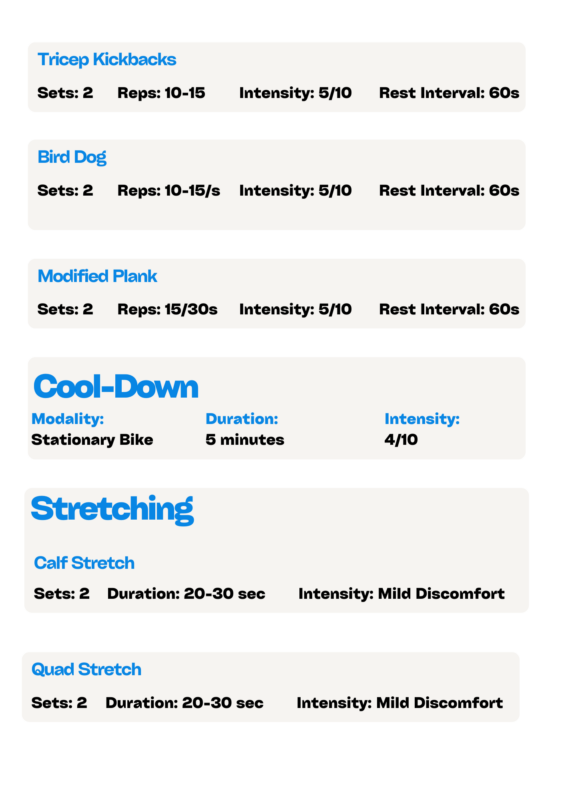
Choose exercises that suit your current fitness level and health. Modify movements to reduce stress on joints and muscles. Use lighter weights or lower impact options. Gentle stretching and low-impact cardio can be safer choices. Focus on form rather than speed or weight.
Consulting Healthcare Providers
Talk with your doctor before starting a new workout plan. Share your health history and any symptoms you experience. A healthcare provider can guide safe exercise choices. They can suggest modifications based on your needs. Regular check-ins help track progress and adjust plans safely.
Credit: 4afsfit.com
Frequently Asked Questions
What Is The Best Workout For Perimenopause Women?
A balanced workout includes strength training, cardio, and flexibility exercises. It helps manage symptoms and boosts metabolism during perimenopause.
How Often Should I Exercise During Perimenopause?
Aim for at least 150 minutes of moderate exercise weekly. Regular activity reduces hot flashes and improves mood and bone health.
Can Exercise Reduce Perimenopause Symptoms Effectively?
Yes, exercise helps reduce hot flashes, mood swings, and weight gain. It also improves sleep quality and overall well-being.
Should I Focus On Strength Training In Perimenopause?
Yes, strength training preserves muscle mass and bone density. It combats age-related muscle loss and supports metabolic health.
Conclusion
Staying active during perimenopause helps manage symptoms well. Choose exercises that feel good and fit your daily routine. Consistency matters more than intensity or duration. Listen to your body and adjust workouts as needed. Strength training, walking, and stretching support overall health.
Small steps lead to big improvements over time. Enjoy moving and celebrate your progress every day. This plan can boost energy, mood, and confidence. Embrace exercise as a helpful part of your journey.







