
Are you struggling to find the right workout routine for managing Polycystic Ovary Syndrome (PCOS)? You’re not alone.
Many women with PCOS face challenges when it comes to choosing a fitness plan that supports their unique health needs. The good news is that the right workout plan can make a significant difference in managing symptoms and improving your overall well-being.
Imagine a workout regimen designed specifically for you, one that helps balance hormones, boosts energy, and supports weight management. Sounds like a dream, right? We’ll explore a PCOS workout plan that can help you take control of your health. You’ll discover simple, effective exercises tailored to your needs, empowering you to feel your best. Dive in to learn how you can transform your fitness journey and embrace a healthier lifestyle.
Credit: www.lemon8-app.com
Effects Of Pcos On Hormones
Polycystic Ovary Syndrome (PCOS) affects the body’s hormone balance. Hormones control many important functions, including mood, weight, and metabolism. Changes in hormone levels cause many PCOS symptoms. Understanding these effects helps create effective workout plans to manage PCOS better.
How Pcos Alters Hormone Levels
PCOS causes the body to produce more androgens, often called male hormones. Women with PCOS have higher testosterone levels than usual. This hormone imbalance disrupts the menstrual cycle. It also causes acne, hair loss, and excess hair growth on the face and body.
Insulin resistance is common in PCOS. The body struggles to use insulin properly, leading to higher insulin levels. This excess insulin can increase androgen production. It creates a cycle of hormonal imbalance that worsens PCOS symptoms.
Impact On Metabolism And Weight
PCOS often slows down metabolism. The body burns fewer calories at rest. This slowdown makes losing weight very hard. Many women with PCOS gain weight easily, especially around the belly.
Insulin resistance also affects fat storage. The body stores more fat, especially visceral fat. This type of fat surrounds organs and increases health risks. Managing weight with diet and exercise is key to controlling PCOS symptoms.

Credit: www.youtube.com
Benefits Of Exercise For Pcos
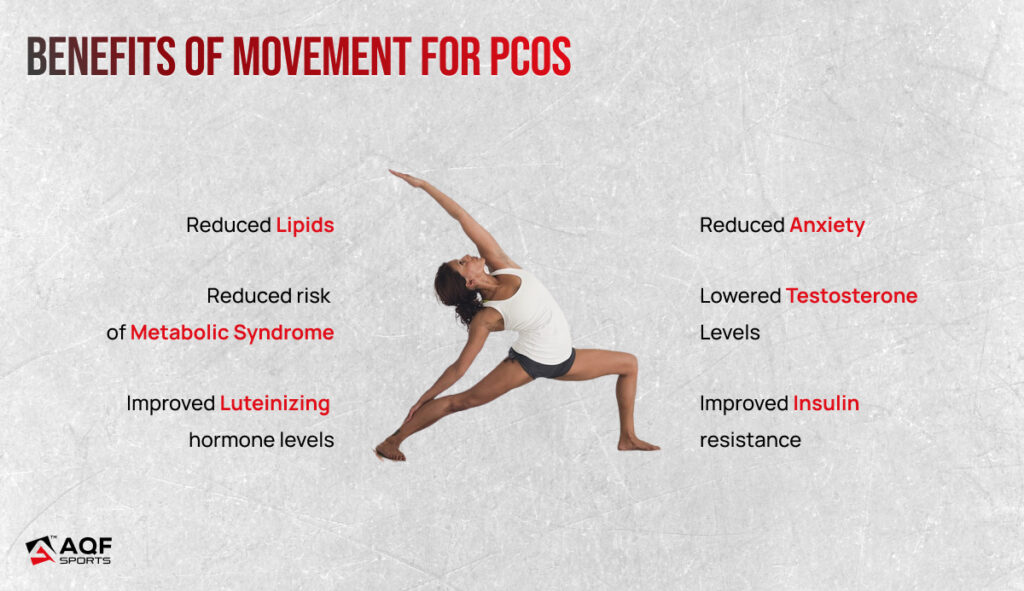
Exercise is a powerful tool for managing PCOS symptoms and improving your overall health. It helps balance hormones, controls weight, and boosts your energy levels. When you make exercise a regular part of your routine, you can notice real changes in how you feel and function every day.
Improving Insulin Sensitivity
Many women with PCOS struggle with insulin resistance, which can lead to higher blood sugar levels. Exercise helps your body use insulin more effectively, lowering blood sugar and reducing the risk of diabetes.
Even a simple 30-minute walk can make a difference. Have you tried tracking how your blood sugar responds to different workouts? It might help you find what works best for your body.
Reducing Androgen Levels
High androgen levels cause symptoms like excess hair growth and acne in PCOS. Regular physical activity can help lower these hormone levels naturally.
Strength training and cardio workouts are especially effective. You might notice clearer skin and less hair growth after a few weeks of consistent exercise.
Enhancing Mood And Energy
PCOS often brings mood swings and fatigue. Exercise releases endorphins, which boost your mood and energy.
Think about how a quick workout or stretching session lifts your spirits. Could making this a daily habit improve your mental clarity and motivation?
Key Workout Types For Pcos
Choosing the right workout types helps manage PCOS symptoms effectively. Exercise supports hormone balance and weight control. It also improves mood and reduces insulin resistance. Combining different workouts creates a balanced plan. Each type targets unique benefits for your body and mind.
Strength Training Moves
Strength training builds muscle and boosts metabolism. It helps reduce body fat and improves insulin sensitivity. Simple exercises like squats, lunges, and push-ups work well. Use light weights or resistance bands for added challenge. Aim for two to three sessions per week. Rest between sets to avoid injury.
Cardio Exercises
Cardio workouts increase heart rate and burn calories. Walking, cycling, and swimming are gentle on joints. Try moderate intensity for 30 minutes most days. Consistent cardio supports weight loss and hormone balance. It also lifts energy levels and reduces stress. Mix steady pace with short bursts of speed for variety.
Flexibility And Balance Workouts
Flexibility and balance exercises improve movement and reduce tension. Yoga and Pilates help stretch muscles and calm the mind. These workouts enhance posture and core strength. Practice deep breathing to lower stress hormones. Include flexibility sessions two times a week. They complement strength and cardio routines well.
Sample Weekly Pcos Workout Plan
Creating a workout plan tailored for PCOS can make a huge difference in managing symptoms and improving overall well-being. A sample weekly PCOS workout plan helps structure your efforts, making it easier to stay consistent and see progress. Here’s a breakdown that balances cardio, strength, and flexibility to support hormone balance and boost energy.
Day-by-day Exercise Breakdown
| Day | Workout | Focus |
|---|---|---|
| Monday | 30 minutes brisk walking + 15 minutes bodyweight strength training | Cardio & muscle toning |
| Tuesday | Yoga or Pilates (45 minutes) | Flexibility & stress reduction |
| Wednesday | Interval training: 20 minutes alternating jogging and walking | Boost metabolism & cardiovascular health |
| Thursday | Strength training with weights or resistance bands (30 minutes) | Muscle building & insulin sensitivity |
| Friday | Low-impact cardio: swimming or cycling (30-40 minutes) | Endurance & joint-friendly exercise |
| Saturday | Active rest: light stretching or a gentle walk (20-30 minutes) | Recovery & mobility |
| Sunday | Rest day | Body recovery |
Feeling overwhelmed about fitting workouts into your day? Try mixing the activities that feel best to you and adjust time spent gradually. The key is moving consistently without burnout.
Tips For Progression And Consistency
- Start small:Choose manageable durations and intensities, then increase gradually to avoid injury and discouragement.
- Listen to your body:PCOS can affect energy levels differently each day. Adjust workouts to how you feel without guilt.
- Set clear goals:Whether it’s improving stamina or reducing stress, having targets keeps motivation high.
- Track your progress:Use a journal or app to note what you did and how you felt; it reveals patterns and wins.
- Mix it up:Avoid boredom by switching between cardio, strength, and flexibility exercises.
- Find support:Join a class or online community for encouragement and accountability.
How do you stay motivated when the scale stalls or symptoms flare? Sometimes focusing on how your energy improves or mood lifts is a better measure of success.
Exercise Tips For Hormone Balance
Balancing hormones through exercise is a powerful way to manage PCOS symptoms. Your workout plan should support hormone health, not add more stress. Choosing the right kinds of movement and knowing when to rest can make a big difference in how you feel and how your body responds.
Managing Stress With Movement
Physical activity helps lower cortisol, the stress hormone that can worsen PCOS symptoms. But intense workouts might raise stress levels instead of reducing them. Focus on gentle exercises like walking, yoga, or swimming to calm your mind and body.
Have you noticed how a slow yoga session after a hectic day can soothe your nerves? That’s your body telling you it needs calming, not more intensity. Adding breathing exercises or stretching after workouts can further reduce stress and support hormone balance.
Importance Of Rest And Recovery
Rest days are just as important as workout days. Your body needs time to repair and rebalance hormone levels after exercise. Without enough recovery, you might feel more tired and see little improvement in symptoms.
Try to get quality sleep and avoid working out too hard every day. Listen to your body’s signals—if you feel overly sore or exhausted, take a break. Rest doesn’t mean inactivity; it means smart, intentional care for your body to keep hormones in check.
Credit: uk.aqfsports.com
Nutrition And Lifestyle Support
Nutrition and lifestyle play a vital role in managing PCOS effectively. A well-balanced diet supports workout routines and helps regulate hormones. Lifestyle habits like sleep and hydration impact energy and recovery. Combining proper nutrition with healthy daily habits enhances overall well-being and workout results.
Diet Choices To Complement Workouts
Choosing the right foods boosts energy and controls blood sugar levels. Focus on whole, unprocessed foods for steady energy throughout the day. Include:
- Lean proteins like chicken, fish, and tofu
- High-fiber vegetables and fruits
- Whole grains such as brown rice and quinoa
- Healthy fats from nuts, seeds, and olive oil
Avoid sugary snacks and refined carbs that cause insulin spikes. Eating small, frequent meals helps maintain energy and reduces cravings. Proper nutrition supports muscle repair and fat loss during workouts.
Sleep And Hydration’s Role
Good sleep is essential for hormone balance and muscle recovery. Aim for 7-9 hours of quality sleep every night. Poor sleep increases stress hormones, which can worsen PCOS symptoms.
Hydration aids digestion and keeps muscles working well. Drink plenty of water before, during, and after exercise. Dehydration can lead to fatigue and reduce workout performance.
Frequently Asked Questions
What Is The Best Workout For Pcos?
The best workout for PCOS includes a mix of cardio, strength training, and flexibility exercises. These help regulate hormones, improve insulin sensitivity, and reduce weight. Aim for at least 30 minutes of moderate exercise, 4-5 times a week for effective results.
How Often Should I Exercise With Pcos?
Exercise 4 to 5 times per week, with sessions lasting 30 to 60 minutes. Consistency is key to managing PCOS symptoms like weight gain and insulin resistance. Regular workouts improve mood, energy, and hormonal balance.
Can Strength Training Help With Pcos Symptoms?
Yes, strength training helps increase muscle mass and boost metabolism. It improves insulin sensitivity and supports weight management, which is crucial for PCOS. Include resistance exercises 2-3 times a week for best outcomes.
Is Cardio Necessary For Pcos Workout Plans?
Cardio is essential for burning calories and improving heart health. It helps reduce insulin resistance and supports weight loss. Aim for moderate-intensity cardio activities like walking, cycling, or swimming to manage PCOS effectively.
Conclusion
A PCOS workout plan helps balance hormones and boost energy. Regular exercise supports weight management and reduces symptoms. Choose activities you enjoy to stay motivated and consistent. Small steps make a big difference over time. Listen to your body and adjust as needed.
Stay patient; results take time but are worth it. Healthy habits improve mood and overall well-being. Keep moving forward, one day at a time. Your body will thank you for the care.







