
Have you ever wondered what exactly goes into a can of Diet Coke? If you’re watching your calories or curious about what makes this popular drink a go-to for many, understanding its nutritional information is key.
Knowing what’s inside your favorite soda can help you make smarter choices for your health without giving up the taste you enjoy. Keep reading, and you’ll discover surprising facts about Diet Coke that could change the way you think about this fizzy favorite.
Calories And Sweeteners
Understanding the calories and sweeteners in Diet Coke can help you make smarter choices about your beverage intake. Many people choose Diet Coke to reduce calorie consumption, but it’s important to know what exactly you’re drinking beyond just the calorie count. Let’s break down the details so you can decide if it fits your diet and lifestyle.
Calorie Count Per Serving
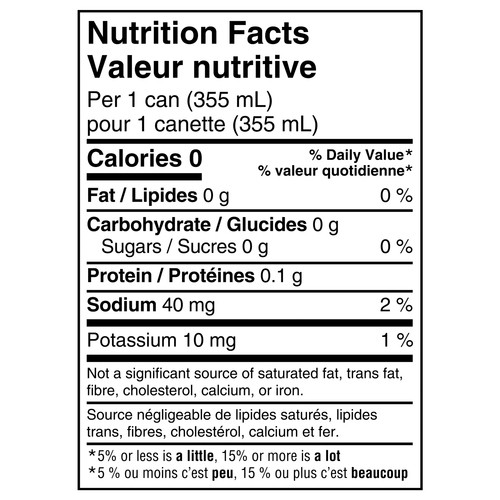
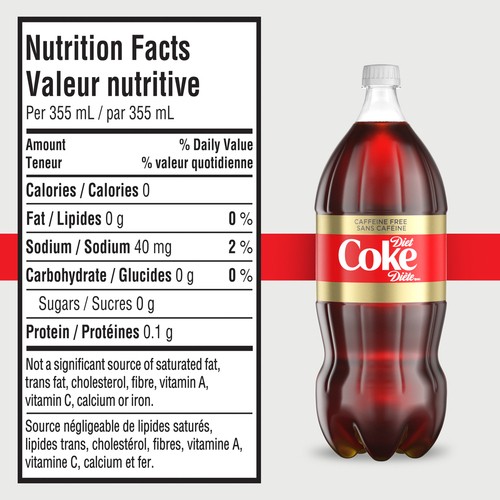
Diet Coke contains zero calories per serving. This makes it a popular option for those trying to cut back on sugar and calories without giving up soda altogether.
Unlike regular soda, which can pack over 140 calories per can, Diet Coke offers a guilt-free alternative. But zero calories don’t always mean zero impact on your health.
Artificial Sweeteners Used
Diet Coke uses artificial sweeteners instead of sugar to achieve its sweet taste. The main sweetener is aspartame, sometimes combined with acesulfame potassium (Ace-K).
These sweeteners provide sweetness without adding calories. However, some people may notice a slightly different taste compared to sugar-sweetened drinks.
Are you sensitive to artificial sweeteners? Knowing this can help you decide if Diet Coke is right for you.
Impact On Blood Sugar Levels
Because Diet Coke contains no sugar, it generally has little to no effect on blood sugar levels. This makes it a preferred choice for people managing diabetes or watching their blood sugar.
However, studies show mixed results on how artificial sweeteners affect insulin response and appetite. Some people find they crave more sweet foods after drinking diet sodas.
Have you noticed changes in your cravings or energy after drinking Diet Coke? Paying attention to your body’s reactions can guide your beverage choices.
Credit: voila.ca
Vitamins And Minerals
Vitamins and minerals are essential for the body’s daily functions. They support immune health, energy production, and bone strength. Understanding the nutritional content of Diet Coke helps clarify its role in your diet. Unlike nutrient-rich foods, Diet Coke offers little in vitamins and minerals. Still, it is useful to see what micronutrients, if any, it contains.
Presence Of Micronutrients
Diet Coke contains almost no vitamins or minerals. It is mainly water, artificial sweeteners, and flavorings. The beverage does not provide significant amounts of essential nutrients like vitamin C, calcium, or iron. Its formula focuses on taste and low calories rather than nutrition.
Comparison With Regular Soda
Regular sodas usually have no vitamins or minerals either. Both Diet Coke and regular soda lack micronutrients. The key difference lies in calorie content and sugar levels. Regular soda contains sugar and calories, while Diet Coke uses artificial sweeteners with zero calories. Neither drink contributes to daily vitamin or mineral intake.
Caffeine Content
Caffeine content in Diet Coke is a key factor for many who choose this drink as their go-to refreshment. Understanding how much caffeine is in each can helps you manage your intake and avoid unwanted jitters or sleepless nights. Let’s look closer at what’s inside your can and how it might affect your energy levels.
Amount Per Can
A standard 12-ounce (355 ml) can of Diet Coke contains approximately 46 milligrams of caffeine. This amount is less than a typical cup of coffee, which usually has around 95 milligrams, but more than many other soft drinks.
Knowing this can help you decide how many cans you can enjoy without overdoing it. For example, if you drink two cans, you’re consuming about 92 milligrams of caffeine, close to a cup of coffee’s caffeine content.
Effects On Energy And Alertness
Caffeine in Diet Coke can give you a noticeable boost in alertness and focus. Many people, including myself, have felt sharper during mid-afternoon slumps after having a can.
However, caffeine affects everyone differently. Some may feel more energized, while others might experience anxiety or a racing heart if they consume too much.
Have you ever tracked how caffeine impacts your productivity or mood? Paying attention to your body’s response can help you optimize your caffeine intake for better energy without the crash.
Sodium And Additives
Understanding the sodium content and additives in Diet Coke can help you make smarter choices about what you drink. These elements affect not only the flavor but also your health. Let’s break down what’s inside your can beyond just calories and caffeine.
Sodium Levels In Diet Coke
Diet Coke contains a small amount of sodium, usually around 40 milligrams per 12-ounce can. While this is relatively low compared to many processed foods, it can add up if you consume multiple cans daily.
Why does Diet Coke have sodium? It helps enhance flavor and balance sweetness, making the taste more satisfying. If you’re watching your sodium intake for blood pressure or other health reasons, knowing this can guide your consumption.
Common Additives And Their Roles
Diet Coke includes several additives designed to improve taste, texture, and shelf life. These are not random chemicals but carefully chosen ingredients.
- Aspartame:A low-calorie sweetener that replaces sugar, giving Diet Coke its sweet taste without the calories.
- Caffeine:Added for its stimulating effects, caffeine also affects flavor.
- Phosphoric Acid:Adds acidity to balance sweetness and provides that sharp, tangy taste.
- Potassium Benzoate:Acts as a preservative to keep the drink fresh over time.
- Natural Flavors:A blend that gives Diet Coke its unique signature taste.
Have you ever wondered how these ingredients impact your body beyond just flavor? Some people report sensitivity to aspartame or caffeine, which can affect sleep or cause headaches. Paying attention to these additives can help you decide if Diet Coke fits your lifestyle.
Health Implications
Understanding the health implications of Diet Coke is essential if you want to make informed choices about your beverage consumption. While it offers some appealing benefits, it also comes with certain risks that you should consider carefully. Let’s take a closer look at what this popular drink means for your health.
Potential Benefits And Risks
Diet Coke contains zero calories and no sugar, which can be a major advantage if you’re trying to reduce your calorie intake.
The use of artificial sweeteners like aspartame allows for sweetness without the added sugar load, potentially lowering the risk of diabetes and cavities compared to regular soda.
However, some studies suggest artificial sweeteners might affect your metabolism and gut health negatively. You might wonder if these sweeteners could increase cravings for sweets, leading to overeating later.
Another concern is the impact of caffeine, which can cause jitters or sleep disruption if consumed in large amounts. You should monitor how your body reacts, especially if you have sensitivity to caffeine.
Diet Coke And Weight Management
Many people choose Diet Coke as a tool for weight management because it has zero calories.
Replacing sugary drinks with Diet Coke can reduce your overall calorie intake, which may help with weight loss or maintenance.
Still, some research indicates that diet sodas might not always lead to weight loss and could even be linked to weight gain in some cases.
Why does this happen? One theory is that artificial sweeteners can confuse your brain’s reward system, leading you to eat more later to satisfy your sweet cravings.
Pay attention to how Diet Coke affects your hunger and eating habits personally. Does it help you cut back on calories, or does it make you want to snack more?
Credit: voila.ca
Myths Vs Facts
Diet Coke often faces many rumors about its nutritional value. Separating myths from facts helps us understand its real impact on health. Let’s explore common misconceptions and what science actually says.
Common Misconceptions
- Diet Coke contains harmful chemicals that cause illness.
- It leads to weight gain despite having zero calories.
- Artificial sweeteners in Diet Coke are unsafe for regular use.
- Drinking Diet Coke causes dehydration more than water.
- Diet Coke damages bones and teeth faster than sugary drinks.
Scientific Findings
Research shows Diet Coke contains zero sugar and very few calories. It uses approved artificial sweeteners like aspartame, safe for most people.
Studies find no direct link between Diet Coke and weight gain. Some evidence suggests it may help reduce calorie intake compared to sugary sodas.
Artificial sweeteners in Diet Coke have passed safety checks by health authorities worldwide. Moderate consumption is generally safe.
Diet Coke does not cause more dehydration than water. It can contribute to daily fluid intake.
There is limited evidence that Diet Coke harms bones or teeth more than other acidic drinks. Good dental hygiene is key.
Comparing Diet Coke To Alternatives
Comparing Diet Coke to its alternatives helps understand its place in a healthy diet. This section breaks down differences in calories, ingredients, and taste. It highlights how Diet Coke stacks up against other drinks.
Diet Coke Vs Regular Coke
Diet Coke contains zero calories, while Regular Coke has about 140 calories per 12 oz can. Diet Coke uses artificial sweeteners like aspartame instead of sugar. Regular Coke’s high sugar content can cause weight gain and blood sugar spikes. Diet Coke offers a similar taste with fewer calories. Both drinks have caffeine, but Diet Coke has slightly less.
| Nutrient | Diet Coke (12 oz) | Regular Coke (12 oz) |
|---|---|---|
| Calories | 0 | 140 |
| Sugar | 0g | 39g |
| Caffeine | 46mg | 34mg |
Other Low-calorie Beverages
Many options exist beyond Diet Coke. Sparkling water, flavored waters, and iced teas offer low or zero calories. Some use natural sweeteners like stevia or monk fruit. Others contain no sweeteners but add fruit flavors.
- Sparkling water: Zero calories, no sugar or artificial sweeteners.
- Flavored water: Often zero calories, may have natural flavors.
- Iced tea: Unsweetened versions have zero calories; sweetened ones vary.
- Other diet sodas: Similar calorie count but different sweeteners and flavors.
Choosing between these drinks depends on taste and dietary needs. Diet Coke suits those who want a soda taste without sugar. Alternatives offer variety with fewer additives.

Credit: www.cub.com
Frequently Asked Questions
What Ingredients Are In Diet Coke?
Diet Coke contains carbonated water, caramel color, phosphoric acid, aspartame, caffeine, citric acid, and natural flavors. This low-calorie beverage is sweetened primarily with aspartame. It is important to note that Diet Coke does not contain sugar or calories, making it a popular choice for those reducing calorie intake.
Is Diet Coke Calorie-free?
Yes, Diet Coke is calorie-free. It is sweetened with artificial sweeteners instead of sugar. This makes it a popular choice for those monitoring their caloric intake. Despite being calorie-free, it retains a similar taste to regular Coke. Always check the label for specific nutritional details.
Does Diet Coke Have Any Nutritional Value?
Diet Coke offers minimal nutritional value as it contains no calories, sugar, or significant nutrients. It’s primarily composed of carbonated water and artificial sweeteners. While it can be part of a calorie-controlled diet, it’s not a source of essential vitamins or minerals.
Always consume in moderation as part of a balanced diet.
How Much Caffeine Is In Diet Coke?
Diet Coke contains approximately 46 mg of caffeine per 12-ounce can. This amount is lower than many other caffeinated beverages, such as coffee. If you’re monitoring your caffeine intake, it’s essential to consider the cumulative effect of all sources. Always check labels for precise caffeine content.
Conclusion
Diet Coke contains zero calories and no sugar, making it a popular choice. It uses artificial sweeteners to provide sweetness without added calories. Knowing the nutritional facts helps you make better drink choices. Drinking it in moderation fits well within a balanced diet.
Always check labels to stay informed about what you consume. Remember, water is the best drink to stay healthy and hydrated. Choose wisely, and enjoy your beverages responsibly.







