
Are you curious about the dietary practices followed by millions around the world? The Muslim diet is not just about what’s on the plate; it’s a way of life that combines spirituality, health, and community.
Whether you’re exploring new cultures or seeking healthier lifestyle choices, understanding the principles of a Muslim diet can offer fresh perspectives. It’s more than just avoiding certain foods; it’s about embracing a balanced, mindful approach to eating. You might be surprised at how these age-old practices align with modern nutritional wisdom.
Ready to uncover how these dietary guidelines can impact your life? Let’s dive deeper into the essentials of the Muslim diet, unraveling its unique benefits and holistic approach that might just transform your eating habits.
Halal Eating Principles
Halal eating principles guide Muslims on what foods they can consume. These rules come from Islamic law and focus on purity and cleanliness. Eating halal means choosing foods prepared in a specific way. It ensures respect for animal welfare and spiritual cleanliness. Understanding these principles helps maintain a healthy and ethical diet.
Key Halal Dietary Rules
- Animals must be healthy and alive at the time of slaughter.
- Slaughtering must be done by a Muslim, using a sharp knife.
- Blood must be fully drained from the veins.
- Forbidden parts, like certain organs, cannot be eaten.
- No alcohol or intoxicants are allowed in food or drink.
Common Halal Food Sources
- Meat from cows, sheep, goats, and chickens slaughtered properly.
- Seafood like fish and shrimp, often considered halal.
- Fruits, vegetables, grains, and legumes are naturally halal.
- Dairy products from halal animals without forbidden additives.
- Legitimate processed foods certified as halal by authorities.
Foods To Avoid
- Pork and pork products, strictly forbidden in Islam.
- Animals not slaughtered according to halal rules.
- Meat from predators or scavengers like lions or dogs.
- Alcohol and foods cooked with or containing alcohol.
- Blood and blood-based products are not halal.

Credit: www.freepik.com
Balancing Nutrition In A Muslim Diet
Balancing nutrition in a Muslim diet supports both health and religious practices. It ensures energy, strength, and well-being throughout the day. Careful food choices help maintain physical health and spiritual focus. A balanced diet respects halal guidelines while offering essential nutrients.
Incorporating Fruits And Vegetables
Fruits and vegetables provide vitamins, minerals, and fiber. They help digestion and boost immunity. Aim to include a variety of colors and types. Fresh, seasonal produce offers the best taste and nutrition. Raw or cooked, these foods enrich every meal.
Choosing Whole Grains
Whole grains supply complex carbohydrates and fiber. They release energy slowly for lasting stamina. Examples include brown rice, whole wheat, and barley. These grains help regulate blood sugar levels. They also support heart health and digestive function.
Healthy Protein Options
Protein builds and repairs body tissues. Choose lean meats, poultry, and fish that meet halal standards. Plant-based proteins like beans, lentils, and nuts are excellent too. Combining different protein sources ensures a complete amino acid profile. Protein supports muscle strength and overall vitality.
Healthy Meal Planning
Planning healthy meals within a Muslim diet means balancing nutritional needs with religious practices. Thoughtful meal planning helps you stay energized and maintain overall wellness while respecting dietary rules. It’s about choosing the right foods, controlling portions, and timing meals to align with fasting periods.
Portion Control Tips
Understanding portion sizes can transform your eating habits. Try using smaller plates to naturally reduce how much you serve yourself. Pay attention to hunger cues—eat slowly and stop before you feel full.
Another practical tip is to divide your plate: half with vegetables, a quarter with lean protein, and a quarter with whole grains. This simple layout keeps meals balanced without complicated calorie counting. Have you noticed how portion control changes your energy levels throughout the day?
Meal Timing And Fasting
Meal timing plays a crucial role, especially during Ramadan and other fasting days. Eating a balanced suhoor (pre-dawn meal) helps sustain you through long fasting hours. Include slow-digesting foods like oats, nuts, and fruits to keep hunger at bay.
After sunset, break your fast with dates and water to gently awaken your digestive system. Avoid heavy meals right away; instead, eat smaller portions spaced out to prevent discomfort. How do you feel when you pace your meals this way during fasting?
Hydration Habits
Staying hydrated is often overlooked but vital in a Muslim diet, especially during fasting periods. Aim to drink plenty of water between iftar and suhoor to replenish fluids lost during the day. Herbal teas and natural fruit-infused water can add variety without extra sugar.
Be mindful not to gulp large amounts at once; sip water steadily to maximize absorption. Notice how consistent hydration improves your focus and mood? It’s a simple habit that supports both spiritual and physical health.
Credit: medium.com
Halal Food Preparation Tips
Preparing halal food requires careful attention to ensure it meets Islamic dietary laws. Following proper tips can keep meals both safe and delicious. These tips help maintain the purity and wholesomeness of halal dishes every time you cook.
Safe Cooking Methods
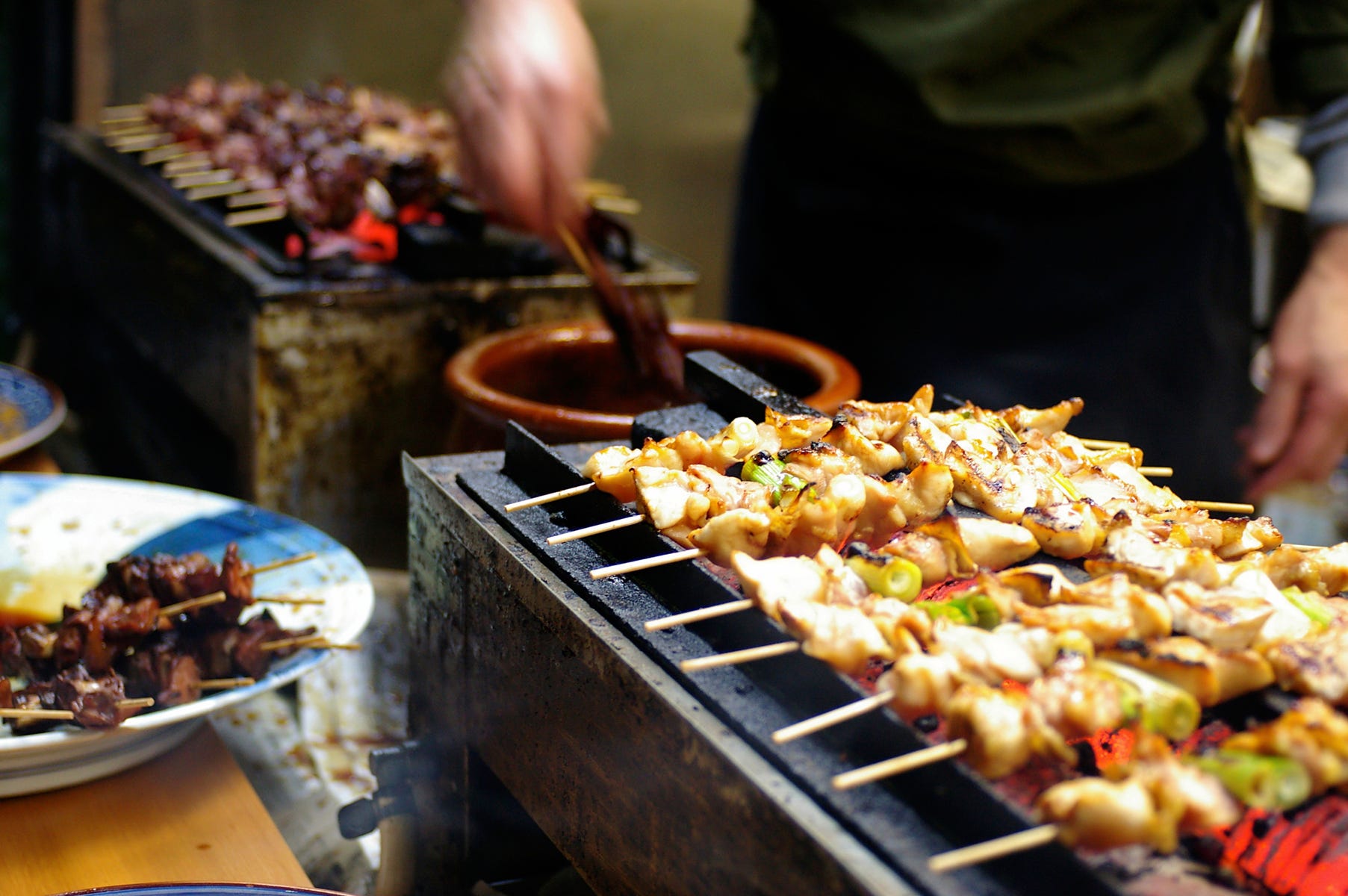
Choose cooking methods that preserve food quality and hygiene. Grilling, baking, steaming, and boiling are excellent options. Avoid deep frying in reused oil to keep food clean and healthy. Use fresh ingredients and cook food thoroughly to kill harmful bacteria.
Avoiding Cross-contamination
Prevent mixing halal and non-halal items in the kitchen. Use separate cutting boards, knives, and utensils for halal food. Clean all surfaces and tools with hot, soapy water after each use. Store halal ingredients apart from non-halal products to maintain purity.
Using Natural Spices And Herbs
Enhance flavors with natural spices and herbs instead of artificial additives. Use ingredients like cumin, coriander, turmeric, and garlic for rich taste. Fresh herbs such as parsley, mint, and cilantro add aroma and health benefits. Natural spices keep dishes flavorful and halal-compliant.
Managing Special Dietary Needs
Managing special dietary needs within a Muslim diet requires thoughtful planning and awareness of both religious guidelines and personal health. Whether you follow a vegetarian lifestyle, need to control blood sugar, or observe fasting during Ramadan, there are practical ways to meet your nutritional requirements without compromising your faith. Let’s look at how you can navigate these unique challenges with confidence.
Halal Options For Vegetarians And Vegans
Finding halal food is often linked with meat, but what if you don’t eat animal products? Vegetarians and vegans can still enjoy halal diets by focusing on plant-based sources that meet halal standards.
Look for certified halal labels on packaged foods, especially those with processed ingredients. Beans, lentils, tofu, and a variety of grains like quinoa and barley provide excellent protein without any animal involvement.
Have you tried combining chickpeas with spices like cumin and turmeric to create flavorful dishes? This not only satisfies your palate but also respects halal rules while keeping your meals nutritious.
Diet Adjustments For Diabetes
Managing diabetes alongside halal dietary laws means paying close attention to sugar and carbohydrate intake. Choosing whole, unprocessed foods helps maintain blood sugar levels and complies with halal guidelines.
Incorporate more fresh vegetables, nuts, and seeds into your meals. Avoid sweets that contain gelatin or alcohol-based flavorings, as these may not be halal.
Consider using natural sweeteners like dates in moderation. Have you noticed how dates can add sweetness and energy without causing sudden blood sugar spikes?
Halal Eating During Ramadan
Ramadan fasting challenges you to balance energy and hydration between sunset and dawn. Planning halal, nutrient-rich meals is essential to sustain your body throughout the day.
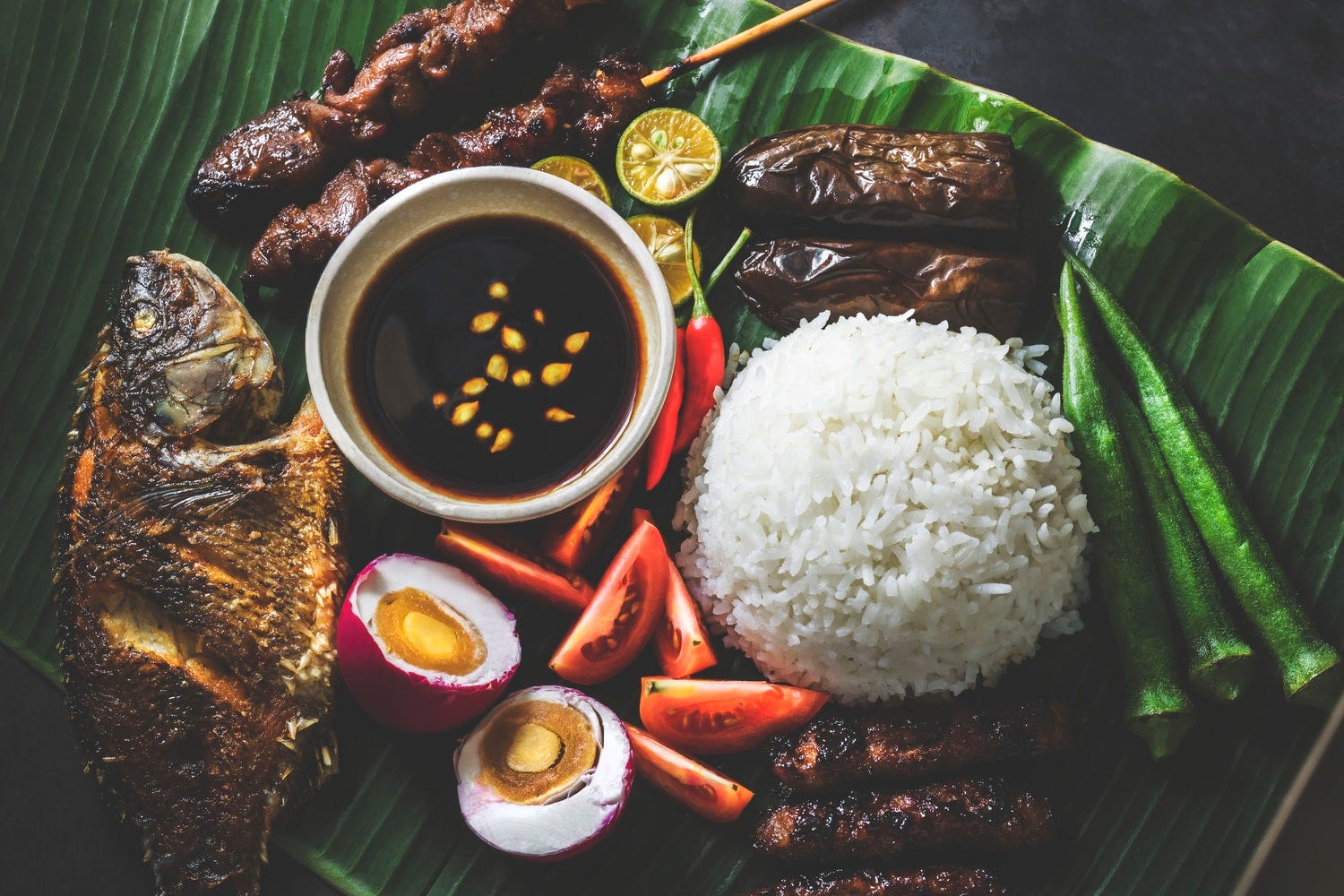
Focus on slow-digesting foods such as oats, whole wheat, and legumes for Suhoor (pre-dawn meal). During Iftar (breaking the fast), start with dates and water, then enjoy balanced portions of protein, vegetables, and complex carbs.
Do you pay attention to your hydration levels after sunset? Drinking enough water and avoiding fried or overly salty foods can prevent fatigue and dehydration during fasting hours.
Credit: medium.com
Shopping For Halal Foods
Shopping for halal foods requires attention and care. It means choosing products that meet Islamic dietary laws. Halal food avoids forbidden ingredients like pork and alcohol. This helps maintain spiritual and physical health. Knowing how to shop wisely makes the process easier and safer.
Reading Labels Effectively
Labels contain important information about the product. Always check for halal certification symbols. Look for ingredients that are not allowed in halal diets.
- Check for hidden animal by-products.
- Avoid products with alcohol or gelatin from non-halal sources.
- Look for clear expiry dates to ensure freshness.
Understanding labels protects from accidental consumption of haram foods.
Choosing Trusted Halal Brands
Trustworthy brands follow strict halal standards. They usually have certificates from recognized halal authorities. Choosing these brands reduces the risk of consuming non-halal items. Some brands specialize only in halal products. These brands offer peace of mind and consistent quality.
Buying Fresh And Organic
Fresh and organic foods are healthier and safer. They contain fewer chemicals and additives. Fresh meat and vegetables are better for your body. Organic farming respects nature and avoids harmful pesticides.
- Choose fresh fruits and vegetables with no bruises.
- Pick fresh halal meat from trusted butchers.
- Organic products often have halal certifications as well.
Fresh and organic choices support a clean and healthy diet.
Frequently Asked Questions
What Foods Are Allowed In A Muslim Diet?
A Muslim diet permits halal foods, including meat from properly slaughtered animals. It excludes pork, alcohol, and non-halal meat. Fruits, vegetables, grains, and seafood are generally allowed. Halal certification ensures food meets Islamic dietary laws.
Why Is Halal Meat Important In Muslim Diets?
Halal meat follows Islamic law, ensuring the animal is healthy and slaughtered humanely. This practice promotes cleanliness, respect, and ethical treatment of animals, which are key principles in Islam. Consuming halal meat aligns with religious beliefs and dietary requirements.
Can Muslims Eat Seafood According To Their Diet?
Most Islamic scholars agree seafood is halal and permissible. Fish and shellfish are allowed unless specifically prohibited by certain schools of thought. Seafood is a common protein source in many Muslim communities, fitting well within halal dietary guidelines.
How Does Fasting Impact The Muslim Diet?
During Ramadan, Muslims fast from dawn to sunset, abstaining from food and drink. This practice cleanses the body and mind, promoting self-discipline. After sunset, meals are typically nutritious and balanced to sustain energy throughout fasting hours.
Conclusion
A Muslim diet guides healthy and mindful eating habits. It respects religious rules and focuses on clean, wholesome foods. Eating halal ensures food is pure and safe. Simple meals with fresh fruits, vegetables, and grains support good health. Drinking water and avoiding harmful substances matter too.
This diet promotes balance in body and spirit. It connects faith with daily life. Choosing halal food helps many feel peaceful and healthy. Small changes in eating can make a big difference. Embracing this diet brings both physical and spiritual benefits.







