
Are you on a quest to conquer the iconic Murph workout? If you’re looking to improve your Murph workout times, you’re in the right place.
Whether you’re a seasoned CrossFitter or just starting out, optimizing your performance can feel like an elusive challenge. But imagine the feeling of crushing your personal best and experiencing that unparalleled sense of achievement. In this blog post, we’ll explore effective strategies to help you shave minutes off your Murph workout times.
Get ready to unlock your potential and transform the way you approach this legendary workout. You won’t want to miss these game-changing tips that could redefine your fitness journey.
What Is The Murph Workout
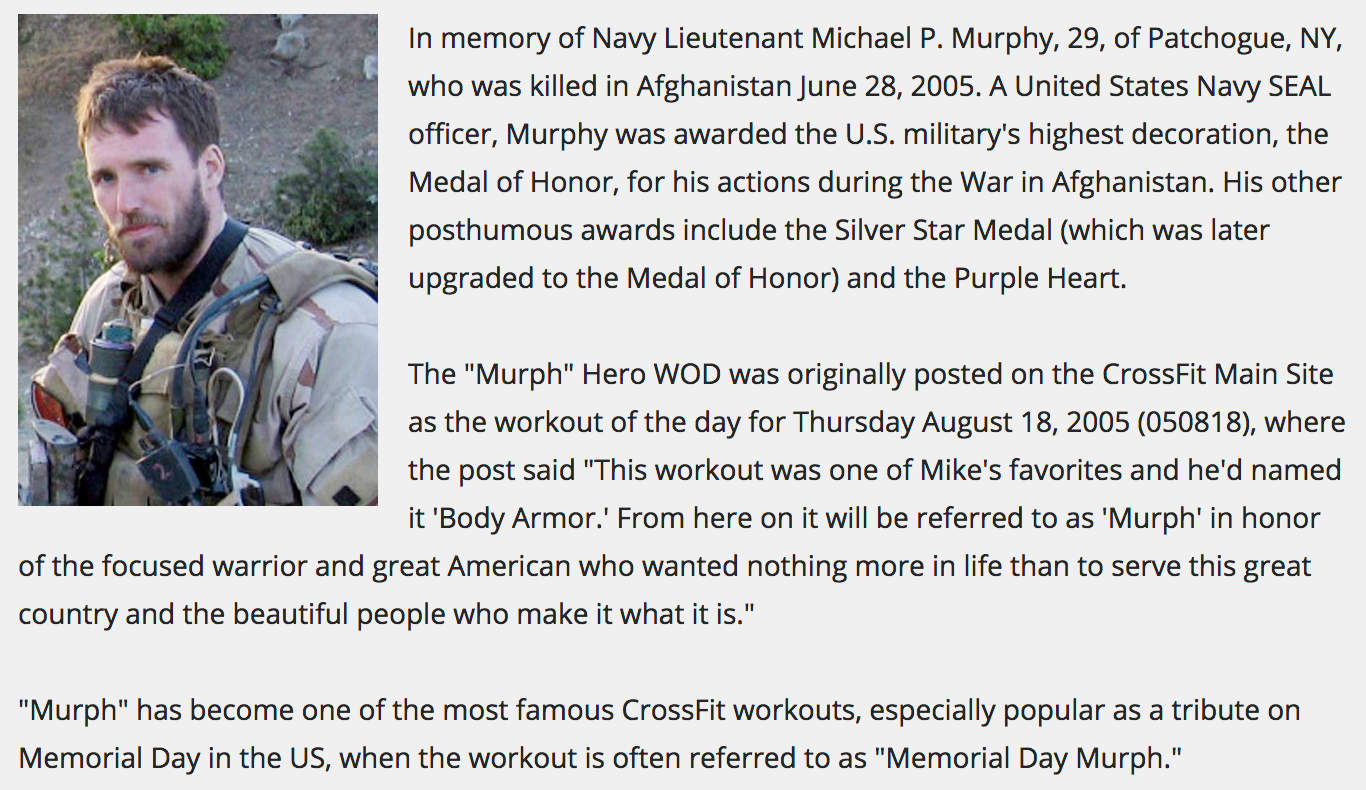
The Murph workout is a popular CrossFit challenge. It honors Navy Lieutenant Michael Murphy, who died in Afghanistan. The workout tests strength, endurance, and mental toughness.
Many athletes perform the Murph on Memorial Day. It pushes the body through a tough sequence of exercises. The workout includes running, pull-ups, push-ups, and squats.
Structure Of The Murph Workout
The workout starts with a 1-mile run. Then, you do 100 pull-ups, 200 push-ups, and 300 air squats. These exercises come in any order, but many split them into sets.
You finish with another 1-mile run. All exercises are done while wearing a 20-pound vest or body armor. This adds extra challenge and intensity.
Purpose And Benefits
The Murph builds strength and cardiovascular fitness. It also improves discipline and mental endurance. The workout demands full-body effort and focus.
Many use it to honor fallen soldiers and push personal limits. It is a symbol of commitment and resilience.

Credit: www.reddit.com
Key Challenges In Murph Times
Completing the Murph workout fast is tough. The workout tests strength, speed, and endurance all at once. Many face common hurdles that slow their times. Recognizing these challenges helps improve performance and reduce injury risk.
Managing Fatigue During The Run And Exercises
Fatigue hits hard in Murph. The one-mile runs before and after the exercises drain energy. The push-ups, pull-ups, and squats require steady effort. Pacing is key to avoid burning out early. Breathing control helps maintain stamina throughout.
Maintaining Proper Form Under Pressure
Good form matters to prevent injuries. Tired muscles cause sloppy movements. Poor form reduces efficiency and slows progress. Focus on controlled, smooth reps. Break reps into smaller sets to keep form tight.
Balancing Speed And Endurance
Going too fast can cause early exhaustion. Moving too slow wastes precious time. Finding the right balance is tricky. Consistent pacing helps finish stronger. Practice intervals to build both speed and stamina.
Handling Grip And Upper Body Strength
Pull-ups challenge many participants. Grip often fails before muscles do. Strengthening forearms and hands improves grip endurance. Using chalk or grip aids reduces slipping. Building upper body strength supports faster reps.
Dealing With Mental Toughness
The workout pushes mental limits. Pain and fatigue create a strong urge to quit. Staying focused breaks down the work into smaller goals. Positive self-talk and visualization boost confidence. Mental strength often decides the final time.
Effective Warm-up Strategies
Warming up effectively before tackling the Murph workout can make a huge difference in your performance and safety. Your body needs to be ready for the intense combination of running, pull-ups, push-ups, and squats ahead. Taking the time to warm up properly helps increase blood flow, reduce injury risk, and improve your overall workout times.
Dynamic Stretching To Activate Muscles
Static stretching doesn’t prepare your muscles the way dynamic movements do. Try leg swings, arm circles, and walking lunges to get your joints moving and muscles firing. These movements mimic the workout’s actions, making your body more responsive and ready.
Think about how your body feels after just a few minutes of dynamic stretching. Isn’t it easier to start moving? This simple step can shave seconds off your Murph time by improving your mobility right from the start.
Gradual Cardio To Raise Heart Rate
Jumping straight into high-intensity work can shock your system. Instead, start with a light jog or brisk walking for 5 to 10 minutes to gently raise your heart rate. This approach helps your cardiovascular system adapt, so you don’t burn out early during the workout.
Have you noticed how your breathing becomes more controlled after a brief warm-up run? Keeping your breathing steady can maintain your energy levels throughout the Murph.
Specific Movement Prep For Murph Exercises
Focus on the key moves you’ll do during Murph: pull-ups, push-ups, and air squats. Perform a few slow, controlled reps of each to wake up the exact muscles you’ll use. This targeted prep reduces stiffness and primes your nervous system for better coordination.
When I started adding this to my routine, my transitions between exercises felt smoother and faster. Could a few reps before the workout improve your flow too?
Breaking Down The Murph Components
The Murph workout is tough but clear. It has specific parts that challenge your body in different ways. Understanding each part helps you prepare and improve your time.
Each component tests strength, endurance, and speed. Breaking down these parts shows what you face during the workout.
Running Segments
The workout starts and ends with a one-mile run. Running builds your stamina and sets the pace. Many find the runs hard after the weightlifting sections. Keeping a steady speed is key to finishing strong.
Pull-ups
Pull-ups work your back and arms. The workout calls for 100 pull-ups, usually split into sets. This move is hard, especially when tired. Practicing pull-ups before the workout boosts your strength.
Push-ups
Push-ups target the chest, shoulders, and triceps. You must do 200 push-ups during the workout. Doing them in smaller sets helps maintain good form. Push-ups also help keep your upper body balanced.
Squats
Squats strengthen your legs and core. The workout includes 300 bodyweight squats. This high number tests your endurance and leg power. Squats keep your muscles working and help with overall fitness.
Pacing Techniques To Improve Speed
Improving your Murph workout time hinges largely on how well you manage your pace throughout the challenge. Pacing isn’t about going fast from the start; it’s about smart speed that lasts. If you sprint early and burn out, your overall time will suffer.
Choosing the right pacing strategy can help you maintain steady energy, avoid early fatigue, and finish strong. How you split your runs, sets, and rest impacts your final time more than you might think.
Pacing Your Runs For Consistent Speed
Running the 1-mile sections too fast at the start can drain your energy for the pull-ups, push-ups, and squats. Instead, aim for a pace that feels comfortably hard but sustainable.
Try breaking the runs into smaller segments mentally. For example, think of each half-mile as a checkpoint rather than the full mile. This helps prevent you from going out too fast.
Use a consistent cadence or breathing rhythm to keep your speed steady. Can you maintain the same effort without gasping for air? If not, slow down slightly.
Breaking Down Reps To Avoid Fatigue
Attempting all pull-ups or push-ups in one big set can lead to quick muscle failure. Splitting them into smaller sets with short rests can keep your muscles fresh.
- Try sets of 5-10 reps with 10-15 seconds rest in between.
- Use this time to shake out your arms or take deep breaths.
- Notice how your muscles respond—if you start slowing down, reduce the reps per set.
Have you noticed how short breaks can actually speed up your total time? It’s about working smarter, not harder.
Using Time Goals To Guide Your Effort
Set realistic time goals for each segment of the workout. For example, target 8 minutes for the first mile, then 10 minutes for the combined reps, and 8 minutes for the final run.
Check your progress at each stage and adjust your pace accordingly. If you’re ahead of schedule, maintain your speed; if behind, consider shortening rest times or increasing rep speed slightly.
Tracking your times regularly helps you understand how your pacing affects overall performance. What if you tried pushing a bit harder on the runs next time? How would that impact your recovery during reps?
Strength And Endurance Training Tips
Strength and endurance are key to completing the Murph workout effectively. Building both helps you maintain steady energy and power through each segment. Focused training boosts your performance and reduces injury risk. Here are practical tips to enhance your strength and endurance for Murph workout times.
Balance Strength Training With Cardio
Combine weight lifting with cardiovascular exercises. Strength training builds muscle power. Cardio improves heart and lung capacity. This mix prepares your body for intense workout rounds. Try lifting weights two to three times per week. Include running, cycling, or swimming sessions regularly.
Practice Pacing During Workouts
Keep a steady pace to avoid early exhaustion. Start at a speed you can maintain. Break down the Murph workout into smaller sets. Rest briefly between sets if needed. This strategy conserves energy for the full routine. It also trains your body to manage effort over time.
Include Functional Movements In Training
Focus on exercises that mimic Murph’s activities. Pull-ups, push-ups, and squats are essential. Add variations to build muscle endurance. Use bodyweight or light weights for higher reps. This improves movement efficiency and stamina. Functional training supports smooth transitions during Murph.
Track Progress With Timed Workouts
Record your workout times regularly. Timing helps measure improvement clearly. Set small goals to beat your best times. Adjust your training based on results. Tracking keeps motivation high and effort consistent. Use a stopwatch or fitness app for accuracy.
Rest And Recover Properly
Allow muscles time to heal after hard sessions. Rest days prevent overtraining and injury. Sleep well to support muscle repair. Hydrate and eat nutritious foods for energy. Recovery improves strength gains and workout endurance. It is a vital part of any training plan.
Nutrition For Optimal Performance
Nutrition plays a crucial role in how well you perform during the Murph workout. The right fuel helps your body push through intense rounds of running, pull-ups, push-ups, and squats. Without proper nutrition, you might feel drained before you even finish the first mile.
Pre-workout Fuel: What To Eat Before Murph
Eating the right foods before the workout can boost your energy levels and stamina. Aim to eat a meal rich in complex carbs like oatmeal or whole-grain bread about 1.5 to 2 hours before starting. Add some protein, such as eggs or Greek yogurt, to keep your muscles ready for action.
Avoid heavy or greasy foods that can slow you down. Think about how you feel when you eat a big burger before exercise—you probably don’t want that feeling during Murph.
Hydration Strategies For Sustained Energy
Staying hydrated is often overlooked but is essential for maintaining your performance throughout the workout. Drink water steadily in the hours leading up to Murph. Consider sipping on an electrolyte drink if you sweat heavily or if the workout is on a hot day.
Have you noticed how your energy dips when you’re dehydrated? That’s your body signaling it needs more fluids. Don’t wait until you’re thirsty to hydrate.
Post-workout Recovery Nutrition
After finishing Murph, your body needs nutrients to repair muscles and replenish energy stores. Focus on a combination of protein and carbs within 30 to 60 minutes post-workout. A smoothie with banana, protein powder, and almond milk can be quick and effective.
Failing to eat properly after intense workouts can leave you sore and tired the next day. What do you usually reach for after Murph? Experiment with different options to find what helps you recover fastest.
Credit: deluccia.medium.com
Recovery Methods To Boost Progress
Improving your Murph workout times isn’t just about pushing harder during the workout. How you recover afterwards plays a huge role in your progress. Proper recovery lets your muscles heal, reduces soreness, and prepares you for the next session, helping you shave seconds off your overall time.
Active Recovery Techniques
Active recovery means moving your body gently after a tough Murph workout. Light jogging, walking, or cycling can increase blood flow, which helps flush out lactic acid and speed up healing. I used to skip this, but adding just 15 minutes of light movement after the Murph helped me bounce back faster.
Try these easy activities on your rest days or right after your workout:
- Slow-paced swimming
- Yoga or stretching routines
- Foam rolling to release tight muscles
Nutrition For Faster Muscle Repair
Your muscles need fuel to repair and grow stronger. Eating enough protein within 30 minutes after your Murph can make a big difference. I noticed that having a quick protein shake after the workout helped reduce my soreness and kept my energy up for the rest of the day.
Focus on these key nutrients:
| Nutrient | Why It Helps | Food Sources |
|---|---|---|
| Protein | Repairs muscle fibers | Chicken, eggs, whey protein |
| Carbohydrates | Restores glycogen stores | Rice, oats, fruits |
| Electrolytes | Prevents cramping | Bananas, coconut water, spinach |
Rest And Sleep Importance
Sleep isn’t just a break from training — it’s when your body rebuilds itself. Skimping on rest can stall your progress and increase injury risk. I used to underestimate sleep, but once I started prioritizing 7-8 hours, my Murph times improved noticeably.
Ask yourself: Are you really recovering overnight, or just resting? Quality sleep makes a huge difference in how ready your body feels for the next workout.
Common Mistakes To Avoid
Tracking your Murph Workout times is a great way to measure progress, but many make avoidable mistakes that slow improvement and cause frustration. These errors often seem minor but can significantly impact your performance and recovery. Knowing what to watch out for will help you train smarter and get the most from every session.
Neglecting Proper Warm-up
Jumping straight into the Murph without warming up can hurt your time and increase injury risk. Your muscles need activation to perform well, especially for a demanding workout like Murph. Spend at least 10 minutes warming up with light cardio and dynamic stretches focused on your shoulders, legs, and core.
Ignoring Pacing Strategies
Starting the Murph at full speed sounds tempting but often backfires. Many runners burn out early during the run or gas out on pull-ups and push-ups. Break your workout into manageable chunks and maintain a steady pace. Ask yourself, how fast can you go without losing form halfway through?
Skipping Form For Speed
Rushing through reps compromises your form and leads to wasted energy or injury. For example, swinging during pull-ups or letting your hips sag in push-ups reduces effectiveness. Focus on quality movements even if it means slowing down. Your time will improve when your body moves efficiently.
Not Planning Transitions
Time can slip away during transitions between running, pull-ups, push-ups, and squats. Standing around catching your breath or adjusting gear steals precious seconds. Practice smooth transitions and have your equipment ready. Think: How can you minimize downtime while keeping control?
Overlooking Recovery And Nutrition
Trying to beat your Murph time without proper recovery will stall progress. Your muscles need rest and good nutrition to rebuild stronger. Skipping sleep or neglecting protein intake can leave you tired and sore. Are you fueling your body to support your workout goals?

Credit: www.reddit.com
Tracking Progress And Setting Goals
Tracking your Murph workout times and setting clear goals can transform your training experience. It keeps you motivated and helps you understand your progress. Without measuring your times, it’s easy to lose track of improvements or plateau unknowingly.
Creating A Baseline Time
Start by completing the Murph workout at a comfortable pace and record your total time. This initial time acts as your baseline to compare future attempts. Don’t worry about speed at first—focus on finishing with good form.
Knowing your starting point helps set realistic goals and marks where you begin your journey. Have you ever noticed how seeing your first time makes you want to beat it next time?
Using A Workout Log
Write down your times and notes after every Murph session. You can use a simple notebook, a spreadsheet, or a fitness app. Tracking details like rest breaks, splits for each segment, and how you felt adds depth to your progress record.
Keeping consistent logs can highlight patterns. Maybe your running improves but push-ups slow you down. This insight guides where to focus your effort.
Setting Achievable Goals
Break your ultimate goal into smaller, attainable targets. For instance, aim to shave off 2 minutes every month or improve your pull-up reps during the workout. Small wins keep your motivation high and your progress steady.
Ask yourself what you want to achieve next: faster runs, fewer breaks, or better form? Setting clear goals makes your training purposeful and rewarding.
Adjusting Goals Based On Progress
Use your tracked times to tweak your goals regularly. If you hit a plateau, maybe focus on improving a specific segment like the push-ups or squats. Adjusting goals prevents frustration and keeps your workouts challenging.
How often do you review your progress and change your targets? Staying flexible allows you to respond to your body’s signals and keep improving.
Frequently Asked Questions
What Is A Good Murph Workout Time For Beginners?
A good Murph time for beginners is around 60 to 75 minutes. Beginners should focus on pacing and form over speed to avoid injury. Gradually improving endurance and strength will help reduce this time effectively.
How Do Elite Athletes Perform In Murph Workout?
Elite athletes typically complete Murph in 30 to 40 minutes. They use efficient pacing and advanced training techniques. Their high fitness level enables quick transitions between exercises and sustained intensity throughout.
How Can I Improve My Murph Workout Time?
Improving Murph time requires consistent training, focusing on running, pull-ups, and push-ups. Incorporate interval training and strength exercises. Practice partitioning the workout efficiently to maintain steady energy and reduce fatigue.
Why Is Tracking Murph Workout Times Important?
Tracking times helps monitor progress and set realistic goals. It motivates consistent improvement and highlights areas needing focus. Time tracking also aids in adjusting workout intensity for optimal performance.
Conclusion
The Murph workout tests your strength and endurance. Tracking your time helps you see progress. Each attempt teaches you how to improve. Keep a steady pace and focus on form. Challenge yourself but listen to your body. Regular practice builds both skill and confidence.
Remember, every second counts in your journey. Stay consistent, and you will get better.







