
Are you ready to push your limits and transform your fitness routine? The Murph Workout is a challenge that tests your strength, endurance, and mental toughness all at once.
But how much time should you set aside to complete it? Knowing the right Murph workout time can help you plan better, stay motivated, and track your progress more effectively. You’ll discover tips to manage your time during the Murph, improve your performance, and make every second count.
Keep reading to unlock the secrets that will help you conquer this legendary workout.

Credit: marathonhandbook.com
Murph Workout Basics
The Murph workout is a popular challenge that tests your endurance, strength, and mental toughness. Knowing the basics helps you prepare and perform it safely and effectively. Understanding its origins, components, and equipment ensures you get the most out of this intense workout.
Origins And Purpose
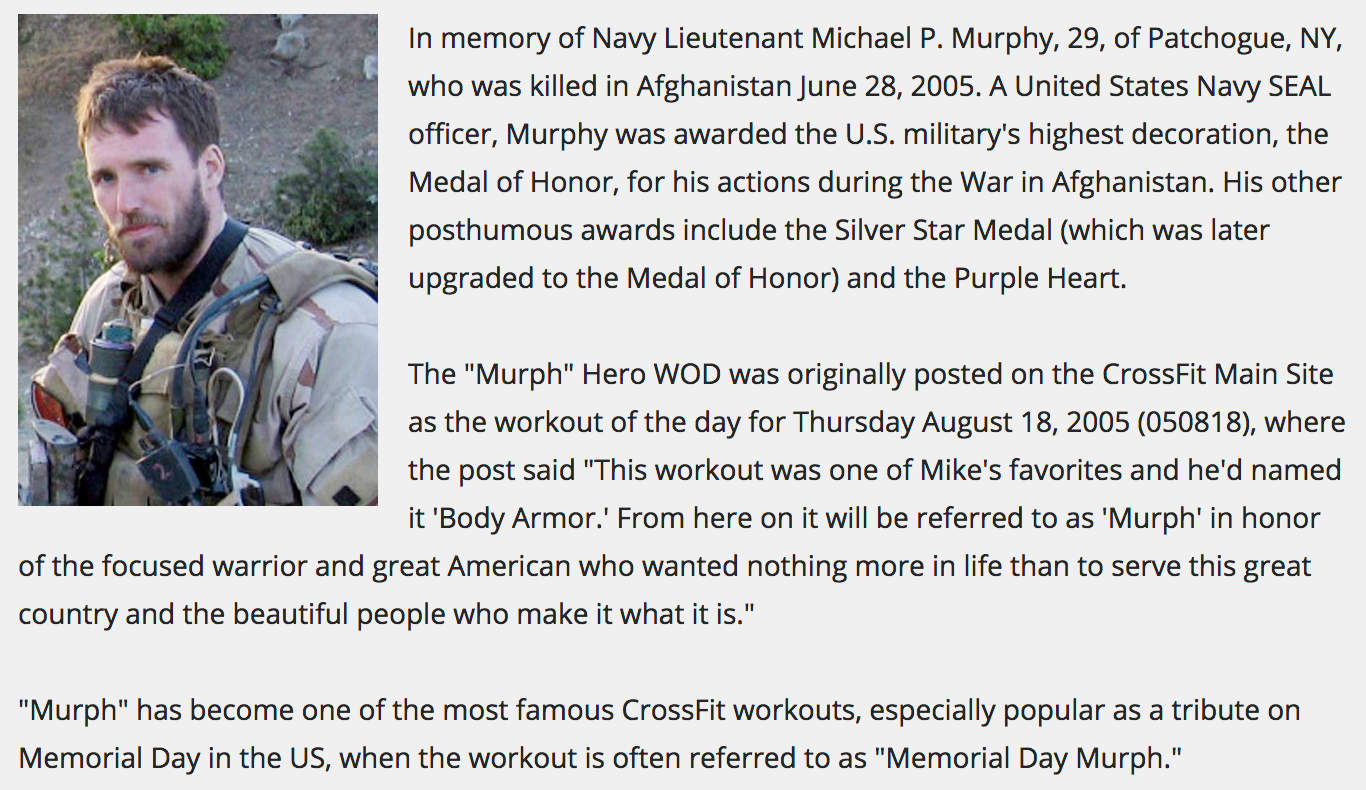
The Murph workout is named after Lieutenant Michael P. Murphy, a Navy SEAL who was killed in action in 2005. It was created to honor his memory and the sacrifices made by military personnel. Many athletes and fitness enthusiasts use it as a tribute and a way to push their limits.
Have you ever wondered how a workout can carry such a powerful story? The Murph isn’t just about exercise; it’s about resilience and respect.
Standard Workout Components
The typical Murph workout consists of:
- 1-mile run
- 100 pull-ups
- 200 push-ups
- 300 air squats
- Another 1-mile run
These exercises are done in sequence, usually wearing a weighted vest to increase difficulty. You can break up the pull-ups, push-ups, and squats however you want. This flexibility allows you to pace yourself based on your fitness level.
Have you tried breaking down a massive goal into smaller chunks? It makes tough workouts like this manageable.
Equipment Needed
To complete the Murph workout as intended, you’ll need a few key pieces of equipment:
- A running space or treadmill for the two 1-mile runs
- A pull-up bar sturdy enough to support your body weight
- An optional weighted vest or body armor for added challenge
If you don’t have a vest, you can use a backpack with weights or skip it altogether when starting out. The pull-up bar is non-negotiable, though—it’s essential for the workout’s upper-body focus.
Think about what gear you already have that fits these needs before investing in new equipment. Small tweaks can make the workout accessible anywhere.
Timing Strategies
Timing strategies can make or break your Murph workout. Knowing how to manage time is crucial for improving performance. You want to complete the workout efficiently without burning out. Let’s explore ways to make the most of your time.
Tracking Your Time
Start by using a stopwatch or fitness app. This helps you keep track of your total workout time. Record each segment: the run, pull-ups, push-ups, squats, and final run. Consistent tracking reveals patterns and areas for improvement. It also helps you stay motivated by showing progress over time.
Setting Realistic Goals
Set achievable time goals for each part of the workout. Break down the exercises into manageable parts. For example, aim to complete 10 pull-ups in a minute. Gradually increase your pace as you improve. Setting small, realistic goals prevents burnout. It keeps you focused and determined.
Improving Time Efficiently
Identify where you spend the most time. Focus on improving those areas first. Consider interval training to build endurance. Short, intense bursts followed by rest can boost performance. Practice proper form to avoid injuries. Efficient movements save time and energy.
Strength Building Tips
Building strength during the Murph workout demands more than just pushing through the reps. It requires smart strategies to enhance your power without risking injury. Let’s break down practical tips to help you get stronger and more efficient with every session.
Effective Weight Vest Use
Wearing a weight vest can seriously boost your strength gains, but only if you use it wisely. Start with a lighter vest to get used to the extra load and avoid compromising your form. Gradually increase the weight as your body adapts.
Pay attention to how the vest feels during each movement. If it shifts or causes discomfort, adjust it or reduce the weight. Your goal is to challenge your muscles, not create distractions that could lead to injury.
Have you noticed how small changes in vest weight affect your endurance? Tracking these variations can help you find the sweet spot for continuous improvement.
Focus On Form And Technique
Strong muscles won’t mean much if your technique is off. Prioritize mastering the correct form for every part of the Murph workout—pull-ups, push-ups, squats, and running. This focus will prevent injuries and maximize muscle engagement.
Use mirrors or record your workout to spot any flaws. Sometimes what feels right isn’t what looks right. Small tweaks, like keeping your elbows tucked during push-ups or maintaining a steady pace on runs, make a big difference.
Have you ever felt stronger just by correcting your posture? This simple adjustment often unlocks hidden strength.
Incorporating Strength Training
Adding dedicated strength sessions outside your Murph workout can speed up your progress. Focus on compound lifts such as deadlifts, bench presses, and squats to build overall power. These exercises train multiple muscle groups at once, making your Murph movements easier.
Try to schedule strength training 2-3 times a week, ensuring you allow recovery time. Overworking your muscles can stall progress and increase injury risk. Quality over quantity matters here.
Have you experimented with varying your strength routine to target weak points? Tailoring your training to your specific needs can lead to faster gains.

Credit: www.reddit.com
Boosting Endurance
Boosting endurance is key to completing the Murph workout with strength and confidence. This intense workout challenges your heart, lungs, and muscles. Building endurance helps maintain energy and avoid early fatigue. Focusing on specific strategies improves performance and makes the workout more manageable.
Cardio Conditioning
Cardio conditioning builds the heart and lung strength needed for long workouts. Running, cycling, or swimming regularly increases stamina. Gradually increasing workout duration helps the body adapt. Consistent cardio sessions improve oxygen delivery to muscles. This leads to better energy use and less tiredness during Murph.
Pacing Techniques
Pacing controls your speed to avoid burning out early. Starting too fast drains energy quickly. Divide the workout into smaller parts to stay steady. Use a consistent rhythm for each set of exercises. Break the Murph into manageable segments to keep steady effort. Adjust speed based on how your body feels to maintain balance.
Breathing Control
Breathing well supports better oxygen flow and reduces fatigue. Use deep, steady breaths during each movement. Match your breath to your pace for smoother effort. Avoid shallow or fast breathing that causes tension. Practice breathing exercises outside the workout to improve lung capacity. Good breathing helps keep calm and focused throughout Murph.
Nutrition For Performance
Nutrition plays a huge role in how well you perform during the Murph workout. Eating the right foods at the right time can boost your energy, help you push through the tough moments, and speed up recovery. Let’s break down how to fuel your body before, after, and during hydration to get the most out of your workout.
Pre-workout Fuel
Your body needs quick and lasting energy before diving into Murph. Aim for a meal or snack with a good balance of carbs and protein about 60 to 90 minutes before you start.
- Try a banana with peanut butter or a small bowl of oatmeal with berries.
- These options give you steady energy without feeling heavy or sluggish.
Ever felt drained halfway through the workout? Skipping this step or eating the wrong foods can leave you hitting a wall faster than you want.
Post-workout Recovery
After you finish, your muscles are like sponges, ready to soak up nutrients to repair and grow stronger. Protein is key here, along with some carbs to replenish your energy stores.
- A protein shake with a piece of fruit works well if you’re in a hurry.
- If you have more time, grilled chicken with sweet potatoes and veggies is a solid choice.
Remember, recovery isn’t just about resting—feeding your body properly speeds up progress and reduces soreness.
Hydration Importance
Water is your best friend when tackling Murph. Even mild dehydration can kill your performance and make the workout feel way harder.
- Drink water before, during, and after your workout to stay ahead of thirst.
- Consider adding electrolytes if you sweat heavily or train in hot conditions.
Ask yourself: Are you drinking enough to keep your muscles firing and your focus sharp?
Common Mistakes To Avoid
Many people push themselves too hard during the Murph workout. This can lead to injuries and slow progress. Avoiding common mistakes helps keep your training safe and effective.
Pay attention to your body’s signals. Overtraining can cause fatigue, soreness, and burnout. Proper preparation and recovery are essential for success.
Overtraining Risks
Doing Murph too often can strain muscles and joints. Your body needs time to repair and grow stronger. Overtraining may cause pain and reduce performance. Balance intense workouts with lighter days to avoid setbacks.
Ignoring Warm-ups And Cool-downs
Skipping warm-ups can increase injury risk. A good warm-up prepares muscles and joints for work. Cooling down helps remove waste products from muscles. This reduces soreness and aids recovery. Spend 5-10 minutes warming up and cooling down for best results.
Neglecting Rest Days
Rest days allow your body to heal. Without rest, muscles stay tired and weak. Taking breaks improves strength and endurance. Plan rest days each week to stay healthy and motivated.
Tracking Progress
Tracking progress during the Murph workout helps measure improvement and stay motivated. It shows how your strength, speed, and endurance change over time. Keeping track lets you set new goals and avoid plateaus. Careful monitoring reveals your true potential and areas that need work.
Using Workout Logs
Workout logs record every Murph session in detail. Write down your time, reps, and rest breaks. Note how you feel after finishing each round. Logs help compare past and current results clearly. Use apps or notebooks to keep your data organized and easy to access.
Analyzing Performance Trends
Look at your workout logs to find patterns. Are you getting faster or slower? Do some exercises drain your energy more than others? Tracking trends shows progress beyond a single workout. Small gains add up, giving a clear picture of your fitness journey.
Adjusting Training Plans
Use your progress data to tweak your training. Increase weights or reps if you improve quickly. Add rest days if you notice fatigue or slower times. Change running pace to balance endurance and speed. Adjustments keep workouts challenging and reduce injury risk.
Credit: deluccia.medium.com
Frequently Asked Questions
What Is The Ideal Murph Workout Time For Beginners?
Beginners should aim to complete the Murph workout in 60 to 75 minutes. Focus on pacing and form. Gradually improve your time with consistent practice and strength building.
How Long Does An Average Murph Workout Take?
The average Murph workout time is between 45 and 60 minutes. Experienced athletes often finish closer to 45 minutes. Time varies based on fitness level and strategy.
Can Murph Workout Time Improve With Training?
Yes, consistent training can significantly reduce your Murph workout time. Improving endurance and strength helps you complete reps faster. Proper pacing and rest strategies also boost performance.
Why Track Your Murph Workout Time Regularly?
Tracking your Murph workout time helps monitor progress and set goals. It motivates you to improve performance and endurance. Consistent timing also highlights strengths and areas needing focus.
Conclusion
The Murph workout tests both strength and endurance. It pushes your limits and builds mental toughness. Regular practice improves fitness and overall health. Remember to pace yourself and listen to your body. Consistency matters more than speed or heavy weights.
Keep challenging yourself step by step. This workout offers a strong sense of achievement. Try it, feel the difference, and stay motivated.







