
Are you looking for a way to manage your multiple sclerosis (MS) symptoms better? Your diet can play a powerful role in how you feel every day.
The right foods might help reduce flare-ups, boost your energy, and support your overall health. But with so much information out there, it’s easy to feel overwhelmed or unsure where to start. This guide will break down the essentials of an MS diet in a simple, clear way.
By the end, you’ll know how to make food work for you, giving you more control over your wellness journey. Keep reading to discover the key steps to fuel your body and mind the right way.

Credit: www.amazon.com
Benefits Of The Ms Diet
The MS Diet offers more than just a meal plan; it supports your overall well-being in practical ways. Adopting this diet can lead to noticeable changes in how your body feels and functions every day. Let’s look at some key benefits that might surprise you and help you stay motivated.
Improved Weight Management
Struggling to keep your weight steady? The MS Diet focuses on whole foods and balanced portions, which naturally help control calorie intake without feeling deprived.
Many people find they lose excess pounds without strict dieting, simply by choosing nutrient-rich foods over processed snacks. This helps reduce inflammation and supports your energy levels, making it easier to stay active and maintain a healthy weight.
Enhanced Nutrient Intake
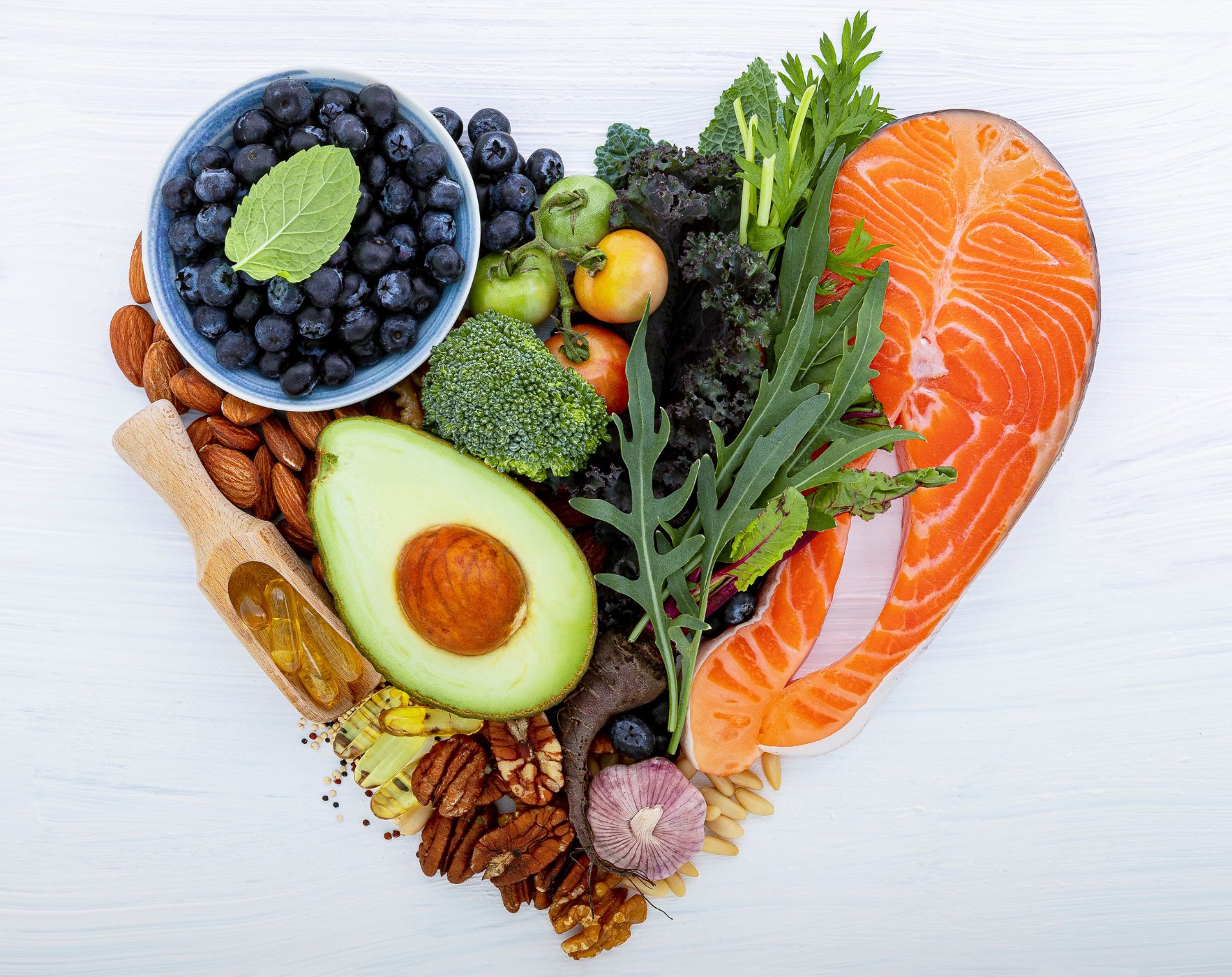
Are you getting enough vitamins and minerals daily? The MS Diet encourages eating a wide variety of fruits, vegetables, lean proteins, and healthy fats.
This diversity ensures your body receives essential nutrients that support brain health, immune function, and nerve repair. Over time, this can reduce flare-ups and improve your overall quality of life.
Boosted Metabolism
Feeling sluggish or low on energy? The MS Diet includes foods that can stimulate your metabolism, such as omega-3 fatty acids and antioxidant-rich vegetables.
These nutrients help your body burn calories more efficiently and reduce oxidative stress. Have you noticed how your energy changes after adding more fresh produce and healthy fats to your meals?
Core Principles Of The Ms Diet
The core principles of the MS Diet provide a clear path to support your health and manage symptoms. These guidelines focus on what you eat and how it affects your body. Understanding these basics helps you make smarter food choices every day.
Balanced Macronutrients
Your body needs the right balance of fats, proteins, and carbohydrates to function well. The MS Diet encourages healthy fats like those from olive oil and avocados, which can reduce inflammation. Lean proteins such as chicken, fish, and legumes help repair tissues without overloading your system.
Carbohydrates should come mainly from vegetables and whole grains. Have you noticed how eating refined carbs can spike your energy but leave you tired later? Choosing balanced macronutrients keeps your energy steady and supports your immune system.
Focus On Whole Foods
Whole foods are foods in their natural state or minimally processed. Fruits, vegetables, nuts, seeds, and whole grains fill your plate with nutrients and fiber. This helps digestion and keeps your body nourished.
When I started eating more whole foods, I felt more energetic and noticed fewer MS flare-ups. What simple swap can you make today to bring more whole foods into your meals?
Limiting Processed Sugars
Processed sugars can cause inflammation and worsen MS symptoms. Cutting back on sugary snacks, sodas, and desserts reduces this risk. Instead, satisfy your sweet tooth with fresh fruit or small amounts of natural sweeteners like honey.
Think about how often you reach for sugary treats—could replacing them with healthier options change how you feel? Limiting processed sugars is a small change that can make a big difference in your daily well-being.
Meal Planning Tips
Planning your meals carefully can make managing your MS diet much easier and more effective. Thoughtful meal planning helps you stay consistent, avoid unhealthy temptations, and ensure you get the nutrients your body needs. Let’s look at some practical tips to make your meal planning simple and satisfying.
Sample Meal Ideas
Start with meals that combine lean proteins, healthy fats, and plenty of vegetables. Here are some ideas you can try:
- Grilled salmon with quinoa and steamed broccoli
- Chicken salad with mixed greens, avocado, and a lemon-olive oil dressing
- Vegetable stir-fry with tofu and brown rice
- Oatmeal topped with fresh berries and a handful of walnuts for breakfast
- Whole grain wrap with hummus, turkey, spinach, and sliced cucumbers
These meals keep inflammation low and energy high, which is essential when managing MS.
Portion Control Strategies
Portion control can be tricky but is key to avoiding energy slumps and weight gain. Use smaller plates to naturally reduce serving sizes without feeling deprived. Try filling half your plate with vegetables, one-quarter with protein, and one-quarter with whole grains.
Tracking your meals for a few days can reveal if you’re eating more than necessary. Ask yourself if you’re truly hungry before adding seconds. How often do you eat out of habit instead of hunger?
Snack Options
Snacks can support your diet if chosen wisely. Keep snacks nutrient-dense and easy to prepare. Here are some snack ideas that won’t derail your progress:
- Apple slices with almond butter
- Carrot sticks with hummus
- A handful of mixed nuts and seeds
- Greek yogurt with a drizzle of honey
- Rice cakes topped with avocado and cherry tomatoes
Choosing snacks like these can keep your blood sugar steady and prevent energy crashes during the day.
Credit: alenebrennan.com
Exercise And The Ms Diet
Exercise plays a crucial role in supporting the MS diet, helping you manage symptoms and maintain a healthy weight. Physical activity boosts your energy, improves mood, and supports muscle strength, all essential for living well with multiple sclerosis. Pairing the right workouts with a balanced diet can amplify your progress and make healthy habits stick.
Best Workouts For Weight Loss
Choosing workouts that suit your energy levels and physical abilities is key. Low-impact exercises like swimming, yoga, and walking protect your joints while helping burn calories. Strength training is also powerful—it builds muscle, which increases your metabolism even when resting.
- Swimming: Easy on joints, full-body calorie burner
- Yoga: Enhances flexibility, reduces stress
- Walking: Accessible, boosts cardiovascular health
- Strength training: Improves muscle tone and metabolism
Have you tried mixing different workouts to keep your routine fresh? Variety not only prevents boredom but also challenges different muscle groups, aiding weight loss and overall fitness.
Combining Diet With Physical Activity
Eating well fuels your workouts and helps you recover faster. Focus on whole foods like fruits, vegetables, lean proteins, and healthy fats to keep your energy steady throughout the day.
Timing your meals around exercise matters too. Eating a small protein-rich snack before working out can boost performance, while a balanced meal afterward helps rebuild muscles.
| Meal Timing | Example Foods | Benefits |
|---|---|---|
| Pre-Workout | Greek yogurt, banana | Increases energy, prevents fatigue |
| Post-Workout | Grilled chicken, quinoa, veggies | Supports muscle repair, replenishes nutrients |
What small changes can you make in your meal and exercise timing to feel stronger and more energized?
Staying Motivated
Keeping up with exercise and diet isn’t always easy, especially when MS symptoms fluctuate. Setting realistic goals that fit your daily routine helps you stay consistent.
Find activities you enjoy and mix them up to keep things interesting. Tracking your progress, even with simple notes or an app, can boost your confidence and remind you how far you’ve come.
- Set weekly mini-goals instead of big, vague ones
- Celebrate small wins like extra steps or a healthy meal
- Connect with support groups or workout buddies for encouragement
How will you keep your motivation alive when challenges arise?
Common Challenges And Solutions
Following the MS Diet comes with its own set of challenges. Recognizing these common hurdles helps in finding the right solutions. Staying consistent and motivated is key to long-term success.
Dealing With Cravings
Cravings can distract from healthy eating goals. They often arise from stress or boredom. Planning snacks in advance helps avoid impulsive choices.
- Choose fruits or nuts instead of sugary treats.
- Drink water to reduce feelings of hunger.
- Keep busy with hobbies to distract the mind.
Managing Social Situations
Social events may challenge diet plans. Friends and family might not understand dietary needs. Prepare by bringing your own healthy options.
- Politely explain your diet to hosts.
- Select dishes that fit your MS Diet guidelines.
- Focus on conversations, not just food.
Overcoming Plateaus
Weight or progress plateaus are common during dieting. The body adjusts to changes over time. Try varying meals and increasing physical activity.
- Introduce new vegetables and protein sources.
- Adjust portion sizes to match activity levels.
- Stay patient and track small improvements.
Tracking Progress
Tracking progress on the Ms Diet is key to staying motivated and making sure your efforts lead to real results. It’s not just about watching the numbers drop on a scale. Paying attention to different indicators helps you understand how your body and habits are changing.
Measuring Success Beyond The Scale
Weight alone doesn’t tell the full story. You might notice your clothes fitting better or feeling more energetic even if the scale stays the same. Try tracking:
- Body measurements like waist, hips, and arms
- Energy levels throughout the day
- Improvement in physical activities, such as walking longer or lifting heavier
Have you ever felt proud of progress that didn’t show up as pounds lost? Those moments reveal real success.
Using Apps And Tools
Technology can make tracking easier and more accurate. Apps can log your meals, water intake, and exercise automatically. Some popular options let you scan barcodes or sync with fitness trackers.
Choose tools that fit your lifestyle and don’t overwhelm you. A simple app that sends reminders and tracks your steps might be more helpful than a complicated one.
Adjusting The Plan As Needed
Your body changes as you follow the Ms Diet, and your plan should too. If you hit a plateau or feel tired, it might be time to tweak your meals or exercise routine. Listen to your body’s signals.
Ask yourself: Is this approach still working for me? What small changes could make it better? Regular check-ins keep your journey flexible and sustainable.
Long-term Maintenance
Maintaining your progress on the Ms Diet means more than just sticking to rules—it’s about building habits that last a lifetime. Long-term maintenance requires a balance between discipline and flexibility, helping you stay consistent without feeling trapped. Let’s look at ways to keep your results steady and your motivation high.
Sustaining Healthy Habits
Healthy habits become your foundation. Focus on small daily actions like drinking enough water, choosing whole foods, and planning meals ahead. These simple steps add up and keep your metabolism steady.
Think about your daily routine. Are there moments where you can swap a snack for something nourishing? I found that prepping snacks like nuts and fruit on Sundays saved me from grabbing unhealthy options during busy workdays.
Avoiding Weight Regain
Weight regain often happens when you slip back into old patterns without realizing it. Tracking your progress with a food journal or app can help you catch those little changes before they grow.
Don’t ignore hunger signals or try to restrict too much. Listening to your body and eating mindfully prevents binge episodes and keeps your energy balanced.
Incorporating Flexibility
Strict rules can feel overwhelming over time. Allow yourself occasional treats or social meals without guilt. This flexibility keeps your mindset positive and reduces the urge to overindulge later.
Ask yourself: How can I enjoy my favorite foods without undoing my progress? Finding that balance means you won’t see your diet as a punishment but a lifestyle.

Credit: www.amazon.com
Frequently Asked Questions
What Is A Ms Diet?
The Ms Diet focuses on whole foods, emphasizing fruits, vegetables, lean proteins, and healthy fats. It’s designed to support overall health and manage symptoms of multiple sclerosis. This diet aims to reduce inflammation and promote better energy levels. It’s recommended to consult a healthcare professional before starting any new diet plan.
How Does Ms Diet Help With Multiple Sclerosis?
The Ms Diet can help manage symptoms by reducing inflammation and promoting nerve health. It encourages nutrient-rich foods that support brain function. Many people report improved energy and reduced fatigue. However, it’s essential to personalize the diet and consult a healthcare provider for optimal results.
What Foods Are Included In The Ms Diet?
The Ms Diet includes fruits, vegetables, lean proteins, and whole grains. Healthy fats like olive oil and nuts are encouraged. It limits processed foods, sugars, and saturated fats. The focus is on nutrient-dense foods that support overall health and help manage multiple sclerosis symptoms effectively.
Can Ms Diet Improve Energy Levels?
Yes, the Ms Diet can improve energy levels by providing balanced nutrition. It emphasizes foods rich in vitamins and minerals, crucial for energy production. Whole foods and healthy fats help maintain consistent energy throughout the day. Many people notice reduced fatigue and increased vitality with this diet.
Conclusion
A balanced MS diet supports your health and energy daily. Eating fresh fruits, vegetables, and whole grains helps manage symptoms. Staying hydrated and avoiding processed foods can reduce flare-ups. Small changes make a big difference over time. Listen to your body and choose foods that feel right.
Consistent healthy habits improve overall well-being. Keep trying different foods to see what works best. Your diet is part of your journey to feeling better.







