
Are you ready to transform your fitness routine and unleash your inner fighter? A well-crafted MMA workout plan can do just that.
Imagine boosting your strength, agility, and endurance while also mastering the mental focus of a martial artist. This isn’t just about throwing punches; it’s about building a stronger, more resilient you. By diving into the world of MMA workouts, you can experience a dynamic blend of exercises that challenge every part of your body.
Curious about how this plan can redefine your fitness goals? Keep reading to discover how MMA training can revolutionize your workouts and invigorate your life.
Mma Training Essentials
MMA training demands a mix of strength, speed, and stamina. Fighters need a balanced workout plan to perform well. Understanding the essentials helps build a strong foundation. Focus on muscle groups, strength, endurance, and cardio balance.
Key Muscle Groups For Fighters
Strong muscles improve power and control during fights. Target these key areas:
- Core – for balance and stability
- Legs – for kicks and movement
- Back – for grappling and posture
- Shoulders – for striking power
- Arms – for punches and holds
Training these muscles reduces injury risk and boosts performance.
Importance Of Strength And Endurance
Strength helps deliver powerful strikes and maintain control. Endurance keeps fighters active through rounds. Both are vital for lasting in tough matches. Without endurance, strength fades quickly. Without strength, techniques lose effectiveness. Combining both ensures fighters stay strong and active.
Balancing Cardio And Resistance Training
Cardio improves heart health and fight stamina. Resistance training builds muscle and power. Both must fit in a weekly plan. Cardio sessions can include running, cycling, or swimming. Resistance training uses weights or bodyweight exercises. Balance keeps fighters fast, strong, and ready for action.

Credit: www.westside-barbell.com
Strength Building Exercises
Strength building exercises are essential for anyone serious about MMA training. They help you develop the power and endurance needed to control your opponent and deliver effective strikes. Focusing on the right exercises will improve your overall performance and reduce injury risk.
Compound Movements For Power
Compound movements engage multiple muscle groups at once, making them perfect for building explosive strength. Exercises like squats, deadlifts, and bench presses mimic the full-body effort required in MMA fights.
These lifts increase your ability to generate force quickly, which translates to harder punches and stronger takedowns. Have you tried pairing squats with explosive jump training to boost your power even more?
Bodyweight Exercises For Fighters
Bodyweight exercises build functional strength without needing a gym. Push-ups, pull-ups, and planks enhance your core and upper body, vital for grappling and clinch work.
They also improve your control over your own body, a key factor in maintaining balance during fights. How often do you challenge yourself with variations like explosive push-ups or pistol squats to keep progressing?
Incorporating Weightlifting Safely
Weightlifting can add serious strength, but only if done with proper form and care. Start with lighter weights and focus on controlled movements to avoid injuries.
Listen to your body and allow enough recovery between sessions. Do you track your progress and technique to make sure you’re lifting safely and effectively?
Endurance Training Techniques
Endurance is vital in MMA. Fighters need stamina to perform well during long rounds. Training endurance improves oxygen use and muscle strength. It helps delay fatigue and maintain power throughout the fight.
Effective endurance training combines different techniques. These methods challenge the body and build lasting energy. Here are key endurance training techniques for MMA athletes.
High-intensity Interval Training (hiit)
HIIT mixes short bursts of intense exercise with brief rest periods. It trains both aerobic and anaerobic systems. This method boosts cardiovascular fitness and speeds recovery.
- Sprint for 20-30 seconds at max effort.
- Rest or walk for 30-60 seconds.
- Repeat for 15-20 minutes.
HIIT mimics the stop-and-go nature of MMA fights. It improves your ability to sustain high power outputs over time.
Steady-state Cardio Sessions
Steady-state cardio means maintaining a moderate pace for longer periods. It builds a solid aerobic base. This type of training helps the body burn fat efficiently.
- Run, cycle, or swim at a steady pace for 30-60 minutes.
- Keep your heart rate between 60-75% of maximum.
- Focus on consistent breathing and rhythm.
Steady cardio increases endurance without causing too much fatigue. It prepares your body for the longer demands of training and fights.
Circuit Training For Mma
Circuit training combines strength and endurance exercises. It keeps your heart rate elevated while working different muscle groups. This mirrors the varied demands of MMA.
- Choose 5-7 exercises like push-ups, burpees, kettlebell swings, and jump rope.
- Perform each exercise for 30-45 seconds with little rest.
- Complete 3-5 rounds with 1-2 minutes rest between rounds.
Circuit training improves muscular endurance and cardiovascular health. It also helps develop functional strength useful in MMA fights.
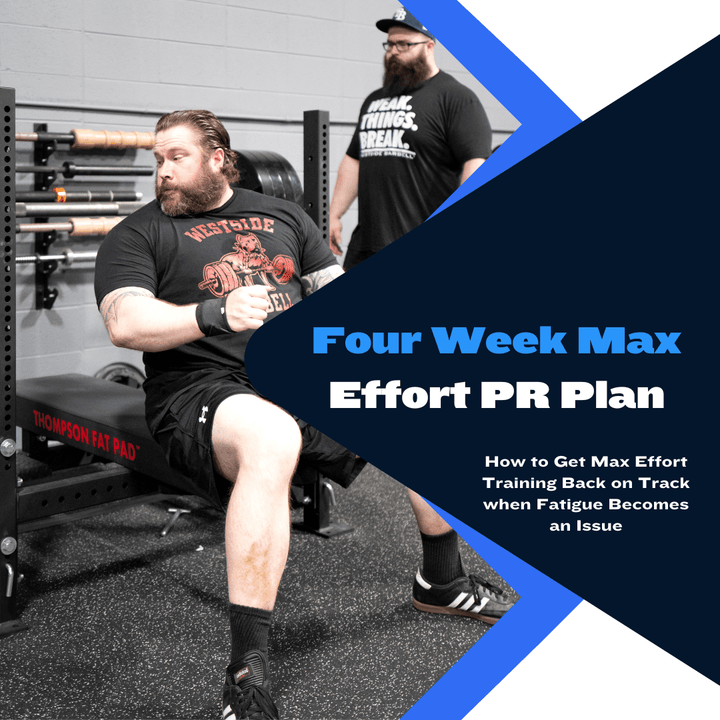
Credit: www.westside-barbell.com
Weekly Mma Workout Schedule
Creating a weekly MMA workout schedule is essential to build strength, improve technique, and boost endurance. A well-structured plan guides your training and helps you track progress while avoiding burnout. How often you train and what you focus on each day can significantly impact your performance and recovery.
Sample 4-week Plan
This sample plan balances skill work, strength training, and cardio to keep you sharp and ready.
| Day | Focus | Details |
|---|---|---|
| Monday | Striking Drills | Shadowboxing, heavy bag work, and mitt drills (60 minutes) |
| Tuesday | Strength Training | Compound lifts (squats, deadlifts), core exercises (45 minutes) |
| Wednesday | Grappling & Takedowns | Live rolling, technique drilling (60 minutes) |
| Thursday | Conditioning | HIIT circuits, sprints, and agility drills (40 minutes) |
| Friday | Mixed Skills | Combination drills, sparring sessions (60 minutes) |
| Saturday | Active Recovery | Yoga, light swimming, or stretching (30 minutes) |
| Sunday | Rest | Complete rest or gentle walk |
Repeat this schedule for four weeks, gradually increasing intensity and complexity of drills.
Balancing Rest And Recovery
Rest is not a weakness; it’s part of your strength-building. Without proper recovery, your muscles won’t repair, and your performance will stall.
Include at least one full rest day each week and listen to your body’s signals. If you feel unusually tired or sore, take an extra day off to avoid injury.
Active recovery like light stretching or walking helps reduce soreness and improves blood flow. Have you noticed how skipping rest days impacts your energy during workouts?
Adjusting Workouts For Skill Levels
Your workout plan should fit your current skill and fitness level to prevent frustration or injury. Beginners might start with shorter sessions focusing on fundamentals.
More advanced fighters can add complex drills, longer sparring sessions, and heavier strength training. You can increase intensity gradually—don’t rush into high volume before mastering basics.
Ask yourself: Are you pushing too hard too soon, or is your plan challenging enough to keep improving? Adjust as needed to stay motivated and safe.
Nutrition For Strength And Endurance
Nutrition plays a key role in building strength and endurance for MMA workouts. Proper fuel helps muscles recover and perform better during training. Eating the right foods supports energy levels and keeps you focused.
Eating balanced meals and staying hydrated can improve your workout results. Small changes in diet can lead to big improvements in strength and stamina.
Macronutrient Breakdown
Proteins help repair and build muscle tissue. Aim for lean sources like chicken, fish, and beans.
Carbohydrates provide energy for intense training sessions. Choose whole grains, fruits, and vegetables for lasting fuel.
Fats support hormone production and joint health. Include healthy fats from nuts, seeds, and olive oil.
- Protein: 30-35% of daily calories
- Carbohydrates: 40-50% of daily calories
- Fats: 20-30% of daily calories
Hydration Tips
Water keeps your body cool and muscles working well. Drink small amounts often during the day.
Before workouts, drink 16-20 ounces of water. Sip fluids during exercise to replace sweat loss.
After training, rehydrate with water or drinks containing electrolytes. Avoid sugary beverages that can cause energy crashes.
Supplements To Consider
Protein powders can help meet daily protein needs. Use them as a quick post-workout snack.
Creatine supports muscle strength and power. Follow recommended doses for best results.
BCAAs (branched-chain amino acids) may reduce muscle soreness and fatigue. Take them around workouts for added support.
Omega-3 fatty acids reduce inflammation and support recovery. Fish oil capsules are a common source.
Tracking Progress And Avoiding Plateaus
Tracking progress in your MMA workout plan is crucial to keep your motivation high and avoid hitting frustrating plateaus. Without clear markers of improvement, it’s easy to lose sight of how far you’ve come and what needs adjustment. Keeping a close eye on your gains helps you push harder, smarter, and stay on the path to success.
Measuring Strength Gains
Track your strength by noting the weights and reps you handle during exercises like deadlifts, squats, and bench presses. Write down your numbers regularly to spot small improvements that add up over time.
Have you noticed your punches getting faster or your clinch holds stronger? These signs show your strength is improving in practical MMA ways, not just in the gym.
Endurance Milestones
Endurance isn’t just about lasting longer; it’s about performing better throughout your rounds. Time your rounds and rest periods during sparring or cardio sessions to see if you can maintain intensity without gasping for air.
Set clear goals like running an extra half-mile or holding a plank for longer. These small wins boost your confidence and show you that your stamina is rising steadily.
Modifying Workouts Over Time
When progress stalls, it’s a signal to tweak your workouts. Change your exercises, increase intensity, or adjust volume to challenge your body in new ways.
Ask yourself: Are you pushing your limits or just going through the motions? Shaking up your routine keeps your muscles guessing and prevents boredom.
Injury Prevention And Recovery
Injury prevention and recovery are crucial parts of any MMA workout plan. Your body faces intense physical challenges, so you must protect it and give it time to heal properly. Ignoring these aspects can lead to setbacks that keep you off the mat longer than you want.
Warm-up And Cool-down Routines
Starting your workout with a proper warm-up prepares your muscles and joints for the intense action ahead. Dynamic stretches like leg swings and arm circles increase blood flow and reduce stiffness. Skipping this step often leads to strains or sprains that could have been avoided.
After training, cool-down routines help your body return to its resting state. Gentle stretching and slow-paced movements prevent muscle tightness and speed up recovery. Have you noticed how your soreness decreases when you take time to cool down?
Common Mma Injuries
MMA fighters often deal with bruises, sprains, and joint injuries like torn ligaments. The most frequent are knee injuries, shoulder dislocations, and cuts from strikes. Knowing these risks helps you stay alert and adjust your training to avoid them.
You might think that bruises are just part of the sport, but repeated trauma without proper care can cause long-term damage. Paying attention to early signs like swelling or sharp pain can save you from more serious problems.
Recovery Strategies
Effective recovery goes beyond just resting. Techniques like ice baths reduce inflammation, while compression garments help improve circulation. Mixing these with active recovery days, such as light swimming or yoga, keeps your body moving without strain.
Nutrition also plays a key role in healing. Protein-rich meals and staying hydrated support tissue repair and energy restoration. Have you tried tracking your recovery methods to see which ones work best for your body?

Credit: www.youtube.com
Frequently Asked Questions
What Is The Best Mma Workout Plan For Beginners?
A beginner MMA workout plan focuses on building basic strength, endurance, and flexibility. It includes cardio, bodyweight exercises, and fundamental striking drills. Consistent practice and gradual intensity increase are key for progress and injury prevention.
How Often Should I Train Mma Workouts Weekly?
Training 3 to 5 times per week is optimal for most MMA enthusiasts. This allows for skill development, strength training, and recovery. Balance intensity and rest to avoid burnout and improve overall performance.
What Are Essential Exercises In An Mma Workout Plan?
Essential exercises include cardio (running, jump rope), strength training (push-ups, squats), and skill drills (striking, grappling). Flexibility and core workouts are also vital for injury prevention and enhanced mobility.
Can Mma Workouts Help With Weight Loss?
Yes, MMA workouts burn high calories through intense cardio and strength training. They boost metabolism, build muscle, and improve endurance, making them effective for fat loss and overall fitness.
Conclusion
Following a solid MMA workout plan builds strength and skill steadily. Training regularly improves your endurance and sharpens your techniques. Rest days help your body recover and grow stronger. Keep your goals clear and stay consistent with your routine. Small progress each day leads to big results over time.
Enjoy the process and stay patient with your growth. This plan sets a strong foundation for your MMA journey. Stay focused, work hard, and watch yourself improve step by step.







