
Are you looking to elevate your fitness game with a workout that’s as dynamic as it is effective? If so, a Mixed Martial Arts (MMA) training routine might be just what you need.
Imagine improving your strength, agility, and endurance while learning self-defense techniques that can boost your confidence. Whether you’re an aspiring fighter or just someone eager to break free from the monotony of your current exercise regimen, an MMA training workout routine offers a powerful way to transform your body and mind.
This article will guide you through the essential components of an MMA workout, ensuring you get the most out of every session. Ready to unlock your potential and discover a routine that challenges you in the best way possible? Keep reading to find out how MMA training can redefine what fitness means for you.
Fundamentals Of Mma Training
Mastering the fundamentals of MMA training sets the stage for your success inside the cage. It’s not just about brute strength or flashy moves; it’s about building a strong foundation that supports every punch, kick, and grapple. Understanding the core elements will help you train smarter and avoid common pitfalls.
Core Disciplines In Mma
MMA blends multiple fighting styles, each adding a vital skill to your arsenal. You need to focus on:
- Striking:Techniques from boxing, kickboxing, and Muay Thai sharpen your punches, kicks, elbows, and knees.
- Grappling:Wrestling and Brazilian Jiu-Jitsu teach you control, takedowns, and submissions.
- Clinch Work:This includes techniques from Judo and Greco-Roman wrestling to manage close combat and throws.
Balancing these disciplines ensures you’re prepared for any situation. Think about which area feels weakest and focus your training there. Have you ever noticed how improving one skill immediately changes your overall fighting strategy?
Essential Equipment
Having the right gear protects you and enhances your training experience. At minimum, you’ll want:
- Gloves:MMA gloves for sparring and heavy bag work.
- Hand wraps:These stabilize your wrists and knuckles.
- Mouthguard:Protects your teeth and jaw during impact.
- Shin guards:Essential for safe kicking practice.
- Headgear:Optional but useful during sparring to reduce head injuries.
Quality equipment can make a huge difference in your confidence while training. Do you feel safer and more focused when you gear up properly?
Safety Measures
Training hard is important, but staying safe is even more crucial. Always warm up thoroughly to prepare your muscles and joints. Skipping this increases your risk of injury.
Communicate clearly with your training partners, especially during sparring. Tap early if you’re caught in a submission to avoid serious harm. Also, listen to your body; rest when you feel pain or fatigue. Overtraining can slow your progress and lead to setbacks.
Have you ever pushed through pain only to regret it later? Safe training habits keep you in the fight longer and help you improve consistently.
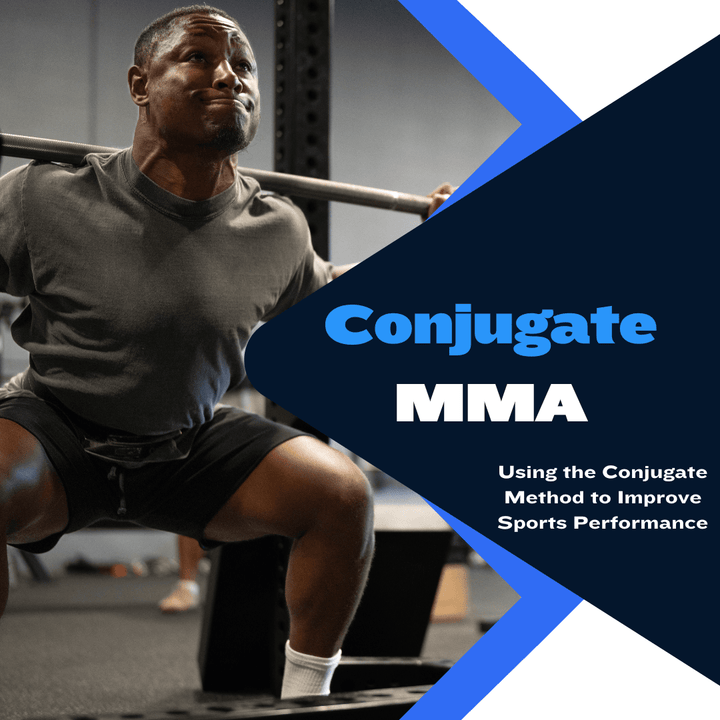
Credit: www.westside-barbell.com
Building Strength And Conditioning
Building strength and conditioning is essential for MMA fighters. It improves power, speed, and stamina. A strong body handles strikes and grapples better. Conditioning helps maintain energy through rounds. This section covers key exercises and drills to boost these skills.
Strength Training Exercises
Focus on compound movements that work multiple muscles. Squats, deadlifts, and bench presses build overall power. Pull-ups and push-ups enhance upper body strength. Use weights or bodyweight for resistance. Train with moderate to heavy loads. Perform 3 to 4 sets of 8 to 12 reps. Rest 60 to 90 seconds between sets. Strength training improves muscle endurance and injury prevention.
Cardio And Endurance Workouts
Cardio workouts increase heart and lung capacity. Running, cycling, and jump rope are excellent choices. High-intensity interval training (HIIT) mimics fight conditions. Alternate between intense bursts and short rest periods. Aim for 20 to 30 minutes per session. Consistent cardio improves fight stamina and recovery speed.
Flexibility And Mobility Drills
Flexibility reduces injury risk and improves movement range. Stretch major muscle groups after workouts. Include dynamic stretches before training. Hip openers, shoulder rolls, and neck stretches help mobility. Yoga and Pilates support flexibility and balance. Practice mobility drills 3 to 4 times weekly. This keeps joints healthy and body agile.
Skill Development Drills
Skill development drills form the backbone of any effective MMA training workout routine. They help sharpen your technique, improve muscle memory, and build confidence inside the cage. Focusing on specific skills during drills allows you to identify weak spots and refine your overall game.
Striking Techniques
Striking drills help you master punches, kicks, elbows, and knees with precision and speed. Shadowboxing is a simple yet powerful drill to practice footwork and combinations without pressure.
Using focus mitts with a partner offers immediate feedback and helps simulate fight scenarios. Try breaking down complex combos into smaller parts and repeat them slowly before increasing speed.
Ask yourself: Are you controlling distance effectively when striking, or are you leaving openings? This reflection can guide your drill focus.
Grappling And Wrestling
Grappling drills build your ability to control opponents on the ground and execute submissions. Drilling takedowns repeatedly helps develop explosive power and timing.
Flow rolling, a lighter form of grappling sparring, lets you experiment without risking injury. This approach improves transitions between positions.
Focus on grip strength and body positioning during drills to gain leverage. How often do you practice escaping bad positions under pressure? Adding that drill can save you in real fights.
Defensive Maneuvers
Defense is as important as offense in MMA. Drills like slip-and-roll teach you to avoid strikes while maintaining balance.
Partner drills that simulate opponent attacks force you to react instinctively. This trains your reflexes and timing in real fight conditions.
Consider how well you defend against takedowns or submissions. Are your drills targeting these areas enough? Effective defense often turns the tide of a match.

Credit: www.legendsboxing.com
Designing A Weekly Workout Plan
Designing a weekly workout plan for MMA training requires more than just showing up at the gym. You need a clear structure that balances all aspects of fighting skills, strength, and conditioning. A well-planned routine helps you avoid burnout and progress steadily.
Balancing Training Components
MMA training involves multiple skills: striking, grappling, cardio, and strength. You can’t focus on just one area without neglecting others. Try dividing your sessions to include at least two different components daily.
For example, combine striking drills with strength training or grappling with cardio workouts. This variety keeps your body guessing and improves overall performance. What areas do you feel need the most attention in your current routine?
Rest And Recovery Days
Rest days are often overlooked but essential for muscle repair and mental freshness. You might think training every day pushes you harder, but too much can lead to injury or fatigue. Plan at least one or two full rest days each week.
Active recovery, like light stretching or walking, can also help. Listen to your body—if you feel drained, that’s a sign to slow down. Have you ever ignored rest and noticed your progress stall?
Sample Training Schedule
| Day | Focus | Details |
|---|---|---|
| Monday | Striking & Conditioning | Muay Thai drills + HIIT cardio (30 mins) |
| Tuesday | Grappling & Strength | Brazilian Jiu-Jitsu + weightlifting (upper body) |
| Wednesday | Rest or Active Recovery | Light stretching or yoga |
| Thursday | Striking & Strength | Boxing drills + weightlifting (lower body) |
| Friday | Grappling & Conditioning | Wrestling practice + steady-state cardio |
| Saturday | Mixed Skills & Sparring | Combination drills + controlled sparring rounds |
| Sunday | Rest | Complete rest, focus on nutrition and hydration |
This schedule helps keep your training balanced and focused. How would you adjust it to fit your lifestyle or skill gaps?
Nutrition For Peak Performance
Nutrition plays a crucial role in how you perform during MMA training and recover afterward. Feeding your body the right fuel ensures you maintain energy, build strength, and stay sharp. Without proper nutrition, even the best workout routine can fall short of delivering peak results.
Macronutrient Breakdown
Your body needs a balance of carbohydrates, proteins, and fats to function at its best. Carbs are your primary energy source, especially during intense training sessions. Aim to get about 40-50% of your calories from carbohydrates like rice, oats, and fruits to keep your glycogen stores full.
Protein supports muscle repair and growth. Try to consume around 1.2 to 1.7 grams of protein per kilogram of your body weight daily. Lean meats, eggs, and plant-based options like lentils work well to meet your protein needs.
Don’t overlook healthy fats—they help with hormone production and joint health. Sources such as avocados, nuts, and olive oil should make up roughly 20-30% of your daily intake. Balancing these macronutrients will help you maintain stamina and recover faster.
Hydration Strategies
Have you ever felt sluggish halfway through your training? Dehydration might be the culprit. Drinking water consistently throughout the day is essential, but you also need to replenish electrolytes lost through sweat during intense sessions.
Try sipping on a mix of water and electrolyte drinks before, during, and after your workouts. Coconut water or sports drinks with sodium and potassium can prevent cramping and keep your muscles firing properly. Keep a water bottle handy, and make hydration a habit, not an afterthought.
Supplements And Recovery Aids
Supplements can fill gaps in your diet and speed up recovery. Creatine, for example, boosts strength and power during explosive movements common in MMA. Whey protein shakes are a quick way to hit your protein targets, especially right after training.
Omega-3 fatty acids help reduce inflammation and support joint health. Consider fish oil capsules if you don’t eat fatty fish regularly. But remember, supplements support a solid diet—they don’t replace whole foods.
Have you tried any recovery aids like magnesium or tart cherry juice? These can improve sleep quality and reduce muscle soreness, helping you bounce back faster. Experiment with what works best for your body and track the difference in your training performance.
Mental Preparation And Focus
Mental preparation and focus are as important as physical training in MMA. Fighters must train their minds to stay calm and sharp. This helps them react quickly and think clearly during fights. Strong mental skills improve confidence and reduce fear or doubt.
Goal Setting Techniques
Clear goals guide your training and progress. Set short-term and long-term goals. Short-term goals keep you motivated day by day. Long-term goals give your training a purpose. Write down your goals and review them often. Break big goals into smaller, manageable steps. Celebrate small wins to stay motivated.
Visualization And Mindfulness
Visualization means imagining yourself performing well. Picture techniques and winning moments in your mind. This practice builds confidence and prepares your brain. Mindfulness helps you stay present and calm. Focus on your breath and body sensations. These practices reduce stress and improve focus during training and fights.
Handling Fight Day Pressure
Fight day brings nerves and stress. Accept these feelings as normal. Use deep breathing to stay calm. Focus on your routine and warm-up. Avoid negative thoughts by staying busy. Trust your training and preparation. Remember, pressure can sharpen your focus and boost performance.
Tracking Progress And Adjustments
Tracking progress and making adjustments are crucial in any MMA training workout routine. They help ensure steady improvement and prevent setbacks. Keeping an eye on your development allows you to tailor your workouts to your evolving needs. This approach keeps training effective and safe.
Performance Metrics To Monitor
Tracking key performance indicators reveals your strengths and weaknesses. These metrics help measure your progress clearly.
- Endurance: Note how long you can sustain high-intensity activity.
- Strength: Track improvements in lifting weights or bodyweight exercises.
- Speed: Measure reaction time and striking speed during drills.
- Technique: Assess skill execution during sparring and practice.
- Recovery: Monitor how quickly your body bounces back after workouts.
Adapting Workouts Over Time
Your body changes as you train. Adjusting workouts keeps progress consistent and prevents plateaus.
Increase intensity or volume gradually. Switch up exercises to target different muscle groups. Focus more on weak areas. Include rest days to let your body heal. Vary training styles to maintain interest and challenge.
Avoiding Burnout And Injuries
Overtraining leads to burnout and injury, slowing progress. Rest and recovery are vital parts of training.
Listen to your body. Stop if you feel pain or extreme fatigue. Use proper technique to reduce injury risk. Warm up before workouts and cool down after. Incorporate mobility and flexibility exercises regularly.

Credit: www.reddit.com
Frequently Asked Questions
What Is A Typical Mma Training Workout Routine?
A typical MMA workout combines strength, cardio, and skill training. It includes striking, grappling, conditioning, and flexibility exercises. This routine ensures balanced development for fighting efficiency and endurance. Consistency and progression are key to improving in all MMA disciplines.
How Often Should I Train Mma Per Week?
Training MMA 3 to 5 times weekly is ideal for most fighters. This allows skill improvement, strength gains, and recovery time. Beginners may start with fewer sessions, while advanced athletes train more frequently for peak performance and conditioning.
What Exercises Improve Mma Striking Power?
Exercises like plyometrics, medicine ball throws, and heavy bag work boost striking power. Core strength and explosive movements are crucial. Combining technique drills with strength training enhances overall punch and kick force for MMA fighters.
Can Mma Training Improve Overall Fitness?
Yes, MMA training enhances strength, endurance, flexibility, and coordination. It’s a full-body workout that burns calories and builds muscle. MMA routines also improve mental toughness and cardiovascular health, benefiting overall fitness and well-being.
Conclusion
MMA training builds strength, speed, and confidence. Consistency helps improve skills over time. Focus on technique and rest well. Train both your body and mind daily. Small steps lead to big progress. Enjoy the challenge and stay patient. This routine supports your fight goals.
Keep pushing, and results will follow.







