
Are you ready to transform your fitness routine and achieve peak physical condition? Imagine harnessing the power of a military workout routine to boost your strength, endurance, and mental toughness.
You don’t need to enlist to get in the best shape of your life. Military workouts are designed to push your limits, build resilience, and deliver impressive results. Whether you’re a fitness enthusiast or a beginner looking for a challenge, this workout plan can be your ticket to a stronger, more disciplined you.
Discover how adopting a military workout routine can revolutionize your fitness journey. Keep reading to unlock the secrets that soldiers use to stay in top form and how you can apply them to your own life.
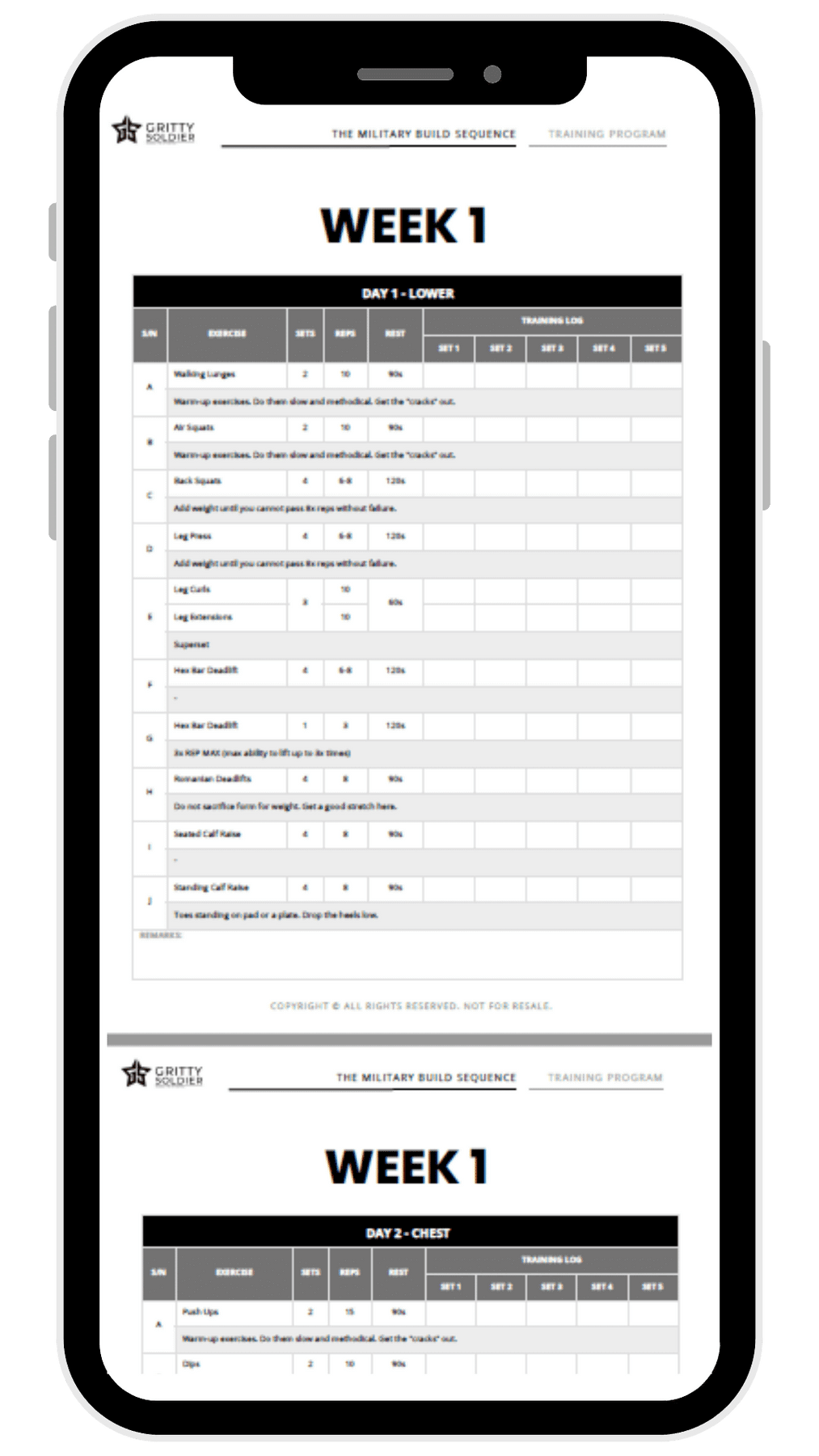
Credit: www.grittysoldier.com
Benefits Of Military Workouts
Military workouts offer more than just a way to get in shape—they build a foundation for long-lasting health and resilience. The routines are designed to push your limits, helping you grow stronger in body and mind. Understanding the benefits can motivate you to stick with the tough sessions and see real results.
Boosting Physical Strength
Military workouts focus on full-body strength, targeting muscles you might not usually use in regular exercise. You’ll lift, push, and pull your own body weight, which builds functional strength that helps in everyday tasks.
I used to struggle with carrying heavy grocery bags, but after a few weeks of these workouts, I noticed a big difference. Your strength improves in ways that make daily life easier and reduce injury risk.
Enhancing Endurance
Endurance is a core part of military training. You won’t just run short sprints; you’ll build the stamina to keep going longer and harder. This training helps your heart and lungs work more efficiently.
Ask yourself: How long can you keep moving without feeling exhausted? Military workouts train you to push past that point. You’ll be able to tackle long hikes, intense sports, or even busy workdays without running out of energy.
Improving Mental Toughness
Military workouts challenge your mind as much as your body. They teach you to stay focused and push through discomfort. When your muscles scream to stop, your mind learns to keep going.
This mental toughness spills over into other areas of life. Facing challenges at work or in relationships becomes easier when you’ve trained your brain to endure physical stress. Can you imagine what you could achieve with that kind of mental strength?
Core Components Of Military Training
Military training builds physical and mental toughness. It focuses on key areas that prepare soldiers for demanding tasks. The core components ensure readiness and resilience.
Training covers strength, endurance, and practical movements. Each element plays a vital role in overall performance. Understanding these components helps create an effective workout routine.
Strength Training Exercises
Strength is crucial for carrying heavy gear and handling combat situations. Military strength training uses bodyweight and weighted exercises. Common moves include:
- Push-ups for upper body power
- Pull-ups to build back and arm muscles
- Squats for leg strength
- Deadlifts to enhance overall muscle control
These exercises increase muscle endurance and support injury prevention.
Cardiovascular Conditioning
Cardio training improves heart and lung capacity. It helps soldiers run long distances and recover fast. Common cardio workouts are:
- Running at varied speeds
- Swimming for full-body endurance
- Jump rope for agility and stamina
- Rucking with a weighted backpack
Consistent cardio builds stamina and boosts energy levels.
Functional Movements
Functional training mimics real-life military tasks. It trains muscles to work together efficiently. Examples include:
- Carrying heavy objects
- Climbing over obstacles
- Dragging or lifting teammates
- Quick directional changes
These movements improve coordination and practical strength.
Daily Workout Structure
The daily workout structure in a military routine follows a clear and efficient plan. It ensures maximum strength, endurance, and agility. Every session begins with a warm-up to prepare the body. The main workout builds physical power and stamina. Finally, the cool-down helps the body recover and avoid injuries.
Warm-up Routines
Warm-ups activate muscles and increase heart rate. They reduce the risk of injury during intense exercises. Common warm-up exercises include:
- Light jogging or brisk walking
- Dynamic stretches like arm circles and leg swings
- Jumping jacks and high knees
These activities last about 5 to 10 minutes. They prepare the body for the harder workout ahead.
Main Workout Sessions
Main workouts focus on strength, endurance, and flexibility. Exercises often include:
- Push-ups and pull-ups for upper body strength
- Squats and lunges for lower body power
- Running or sprint drills for cardiovascular fitness
- Core exercises like planks and sit-ups
Workouts last 30 to 60 minutes. They challenge the body with different intensities and movements.
Cool-down And Recovery
Cooling down helps the body return to a resting state. It lowers the heart rate and relaxes muscles. Typical cool-down steps include:
- Slow walking or light jogging
- Static stretches focusing on major muscle groups
- Deep breathing to promote relaxation
This phase lasts 5 to 15 minutes. Recovery aids muscle repair and reduces soreness.
Top Military Exercises For Strength
Building strength is a key part of any military workout routine. The exercises chosen by military training programs target multiple muscle groups, improving both power and endurance. These workouts are designed to prepare you for demanding physical tasks, making your body resilient and capable.
Push-ups Variations
Push-ups are a staple in military training because they work your chest, shoulders, triceps, and core all at once. Try variations like wide-arm push-ups to target your chest more, or diamond push-ups to focus on your triceps.
Adding decline push-ups increases the challenge by shifting more weight to your upper body. You can also mix in explosive push-ups to build power—pushing off the ground so your hands leave the floor.
How many push-up variations do you currently include in your routine? Experimenting with different forms can keep your workouts fresh and effective.
Pull-ups And Chin-ups
Pull-ups and chin-ups are excellent for developing upper body strength, especially your back, biceps, and forearms. Military training often emphasizes strict form to maximize muscle engagement and control.
Try changing grips—overhand for pull-ups, underhand for chin-ups—to target different muscles. Assisted pull-ups or negative reps can help if you’re building up strength.
Have you noticed improvement in your grip and arm strength by adding these moves? They challenge your muscles in ways many other exercises don’t.
Squats And Lunges
Squats and lunges build powerful legs and improve balance, essential for carrying gear or running long distances. Focus on form to protect your knees and maximize muscle activation.
Try bodyweight squats first, then add weights to increase resistance. Walking lunges or jump lunges add variety and challenge your stability.
Do you focus enough on leg strength in your workouts? Strong legs are the foundation for overall physical performance.
Deadlifts And Power Cleans
Deadlifts and power cleans develop explosive power and full-body strength, crucial for lifting heavy loads quickly. These lifts engage your legs, back, core, and grip all together.
Start with lighter weights to master technique and avoid injury. Power cleans, in particular, require coordination and speed, so practice the movement in stages.
Have you tried these lifts yet? They might be the missing piece for boosting your strength to the next level.
Bodyweight Training Techniques
Bodyweight training techniques form the backbone of any effective military workout routine. They require no equipment, making them perfect for building strength, endurance, and agility anywhere. These exercises challenge your muscles in varied ways and improve your overall functional fitness.
High-intensity Circuits
High-intensity circuits push your heart rate up quickly, combining strength and cardio. You might do sets of push-ups, jumping jacks, burpees, and mountain climbers, moving from one to the next with minimal rest. This keeps your body working hard and helps build stamina faster.
Think about how your body feels when you finish a tough circuit—breathless but energized. Have you tried timing yourself during circuits? Tracking progress this way can turn your routine into a personal challenge that keeps you motivated.
Plyometric Drills
Plyometric drills use explosive movements to develop power and speed. Exercises like jump squats, clap push-ups, and box jumps train your muscles to generate force quickly. These drills improve your ability to react fast and move explosively, skills essential in military tasks.
Try adding short bursts of plyometrics after strength exercises to shock your muscles and boost endurance. How often do you include explosive moves in your workouts? Increasing this frequency can dramatically enhance your agility.
Isometric Holds
Isometric holds work by keeping your muscles tense without movement, building strength and stability. Planks, wall sits, and hollow body holds are common examples you can do anywhere. These holds improve your core strength and help maintain proper posture during physical tasks.
Next time you hold a plank, focus on your breathing and muscle engagement. Can you increase your hold time by just a few seconds each session? Small improvements here add up to big gains in control and endurance.
Incorporating Cardio For Speed
Speed is vital in any military workout routine. Cardio exercises boost endurance and quickness. They train the heart and lungs to work efficiently. This helps soldiers move faster and recover quicker during missions.
Incorporating cardio into your training sharpens overall performance. It builds stamina and enhances muscle power. Different cardio methods target various aspects of speed and endurance.
Sprint Intervals
Sprint intervals improve explosive speed and agility. Run at full speed for short bursts. Rest or walk between each sprint. This trains fast-twitch muscles and builds cardiovascular strength.
Try sprinting for 20 to 30 seconds. Follow with one to two minutes of rest. Repeat this cycle 6 to 10 times. It raises your maximum running speed and recovery time.
Long-distance Runs
Long-distance runs build steady endurance and lung capacity. Run at a moderate pace for 3 to 5 miles. This strengthens the heart and improves oxygen flow. It also trains mental toughness and pacing skills.
Maintain a steady rhythm and controlled breathing. This helps sustain effort for longer periods. Use long runs to build a solid aerobic base.
Rucking And Loaded Marches
Rucking involves walking or marching with a weighted backpack. It mimics real military conditions carrying gear. This builds strength, endurance, and speed under load.
Start with light weight and short distances. Gradually increase the load and length of marches. Rucking trains muscles, joints, and cardiovascular system at once. It prepares the body for real-life challenges.
Nutrition Tips For Strength Gains
Nutrition plays a crucial role in building strength during your military workout routine. The right foods fuel your muscles and speed up recovery, helping you lift heavier and perform better. Paying attention to what you eat can make a noticeable difference in your strength gains.
Macronutrient Balance
Your body needs a balanced mix of macronutrients: proteins, carbohydrates, and fats. Protein repairs and builds muscle, so aim for lean sources like chicken, fish, eggs, or plant-based options. Carbohydrates provide energy, especially from whole grains, fruits, and vegetables, fueling your intense workouts.
Don’t shy away from healthy fats—they support hormone production and joint health. Foods like avocados, nuts, and olive oil are great choices. Have you tracked your macros lately? Adjusting the balance can help break through plateaus.
Hydration Strategies
Water is often overlooked but is vital for strength gains. Staying hydrated helps maintain muscle function and prevents cramps during tough sessions. Try to drink water consistently throughout the day, not just during workouts.
If you sweat a lot, consider adding electrolytes to keep minerals balanced. Sports drinks can help, but watch for added sugars. How often do you check your hydration levels during training?
Supplements For Recovery
Supplements can support your recovery but should complement, not replace, a solid diet. Whey protein is popular for quick muscle repair after workouts. Creatine is another effective option known to boost strength and endurance.
Don’t forget about omega-3 fatty acids; they reduce inflammation and aid joint health. Before adding supplements, ask yourself if your diet covers most nutritional needs first. Have you experimented with any supplements that made a real difference?
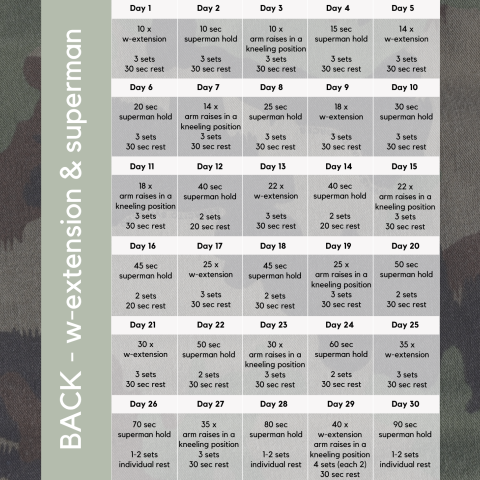
Credit: www.mil-sport.ch
Recovery And Injury Prevention
Recovery and injury prevention are key parts of any military workout routine. They help keep the body strong and ready for tough training days. Without proper recovery, muscles get tired and injuries can happen. Taking care of your body helps you train smarter and last longer.
Stretching And Mobility
Stretching improves flexibility and lowers muscle tightness. It prepares the body for intense workouts. Focus on dynamic stretches before exercise and static stretches after. Mobility exercises help joints move better and reduce stiffness. Simple moves like arm circles and hip openers boost range of motion.
Rest Days Importance
Rest days give muscles time to heal and grow. They prevent burnout and fatigue. Plan at least one or two rest days each week. Use rest days for light activities like walking or gentle yoga. Avoid pushing too hard on these days to allow full recovery.
Managing Common Injuries
Injuries like sprains, strains, and joint pain are common in military training. Early care stops injuries from getting worse. Use ice and compression for swelling. Rest the injured area and avoid heavy lifting. Seek medical help if pain lasts more than a few days.
Tracking Progress Effectively
Tracking progress is key to success in any military workout routine. It helps you see how far you have come and what needs improvement. Without tracking, it is easy to lose focus or get stuck in a plateau. Recording your progress motivates you to push harder and stay consistent. It also helps tailor workouts to fit your changing fitness level.
Setting Realistic Goals
Set clear and achievable goals for your fitness journey. Break large goals into smaller steps. For example, aim to increase push-ups by five every two weeks. Realistic goals prevent frustration and keep you motivated. Write down your goals and review them often. Adjust them if they become too easy or too hard.
Using Fitness Journals
Keep a fitness journal to record your workouts and results. Note exercises, sets, reps, and how you feel. Journals help identify patterns and progress over time. They also make it easier to spot what works best for you. Use simple charts or tables to track data. A journal can be digital or on paper, whichever you prefer.
Adjusting Workouts Over Time
Change your workouts based on the progress you track. Increase intensity or volume to avoid plateaus. Focus on weak areas that need more work. Rest and recovery are important too. Listen to your body and modify exercises if needed. Regular adjustments keep your routine fresh and effective.
Credit: www.lemon8-app.com
Frequently Asked Questions
What Is A Military Workout Routine?
A military workout routine is a structured fitness plan used by armed forces. It focuses on strength, endurance, agility, and overall fitness. This routine includes bodyweight exercises, cardio, and functional training to prepare individuals for demanding physical tasks.
How Often Should I Do A Military Workout?
For best results, perform military workouts 4 to 5 times per week. Allow rest days for recovery and muscle growth. Consistency is key to building endurance, strength, and agility through this rigorous training method.
What Exercises Are In A Military Workout Routine?
Common exercises include push-ups, pull-ups, sit-ups, running, and burpees. These movements build strength, endurance, and cardiovascular health. Military routines also use circuit training and high-intensity interval training (HIIT) for maximum effectiveness.
Can Beginners Follow A Military Workout Routine?
Yes, beginners can start with modified versions of exercises. Gradually increase intensity and repetitions over time. It’s important to focus on form and listen to your body to avoid injuries.
Conclusion
A military workout routine builds strength and endurance fast. It trains your body and mind to stay tough. Stick to the exercises and stay consistent every day. You will see steady progress and feel healthier. This routine suits many fitness levels and goals.
Push yourself but listen to your body too. Small steps add up to big changes over time. Start now and keep moving forward with confidence.







