
Feeling frustrated with the changes your body is going through during menopause? You’re not alone.
This phase of life can bring a host of new challenges, but it also offers you a unique opportunity to redefine your health and wellness routine. Imagine having more energy, a clearer mind, and a body that feels strong and resilient.
The right workout plan can make all the difference. It’s not just about combating hot flashes or weight gain; it’s about empowering yourself to live your best life. Dive into our menopause workout plan and discover how you can transform these years into some of the healthiest and most vibrant of your life. Ready to feel like the best version of yourself? Let’s get started.
Benefits Of Exercise During Menopause
Exercise plays a key role in easing menopause symptoms. It supports overall health and improves daily life. Physical activity helps balance the changes in the body during menopause.
Regular workouts build strength, boost energy, and lift mood. They also protect bones and help control weight. Here are some important benefits of exercise during menopause.
Improving Energy Levels
Exercise increases stamina and reduces fatigue. It helps the body use oxygen better. Moving regularly makes daily tasks easier and less tiring. Small bursts of activity can refresh the mind and body.
Enhancing Bone Health
Menopause causes bone loss, raising fracture risk. Weight-bearing exercises like walking or light lifting strengthen bones. Strong bones lower the chance of breaks and osteoporosis. Keeping active supports bone density over time.
Managing Weight And Metabolism
Metabolism slows down during menopause, causing weight gain. Exercise burns calories and builds muscle mass. Muscle helps the body burn more calories even at rest. Regular activity helps maintain a healthy weight and shape.
Boosting Mood And Mental Health
Exercise releases mood-enhancing chemicals in the brain. It reduces stress, anxiety, and feelings of depression. Physical activity also improves sleep quality. Better mood and rest enhance overall mental well-being.
Types Of Exercises To Include
Choosing the right exercises is key to managing menopause symptoms. A balanced workout plan helps boost energy, improve mood, and support bone health. Combining different types of exercises targets various body needs. This variety aids in maintaining strength, flexibility, and overall wellness during menopause.
Cardiovascular Workouts
Cardio exercises improve heart health and burn calories. They help reduce hot flashes and improve sleep quality. Activities like brisk walking, cycling, and swimming are gentle yet effective. Aim for at least 150 minutes of moderate cardio each week. This supports weight control and enhances stamina.
Strength Training
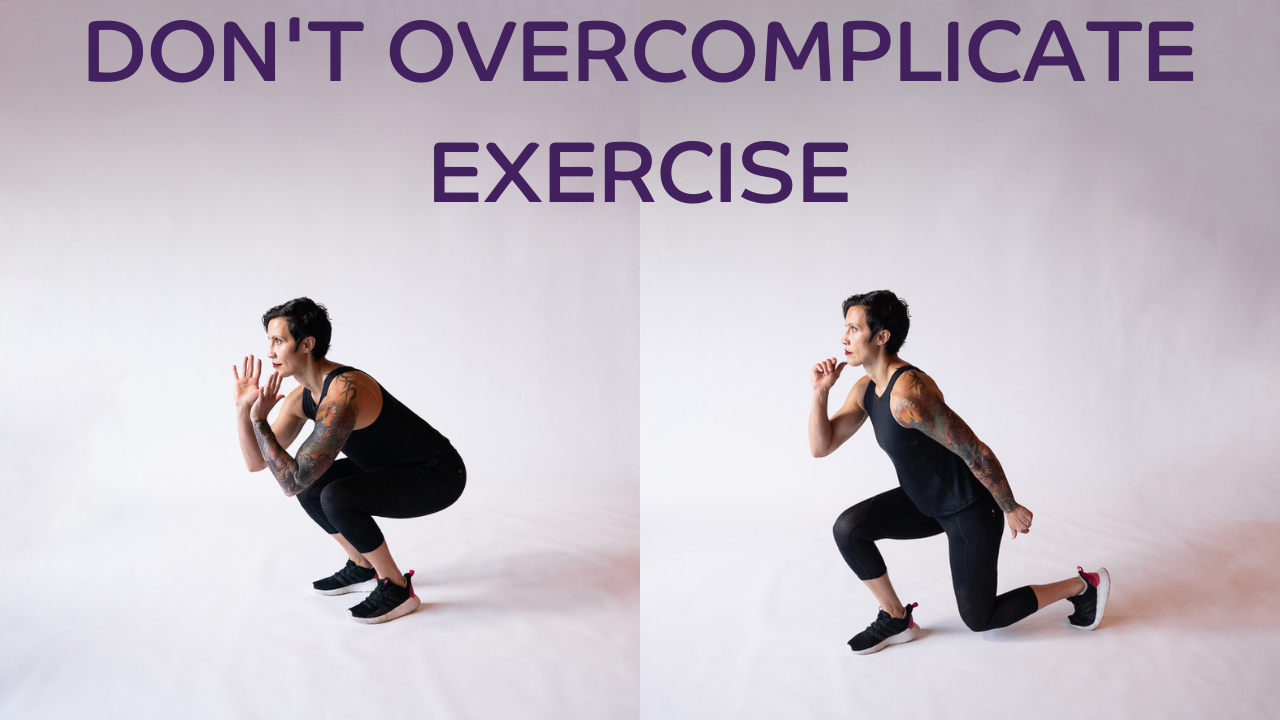
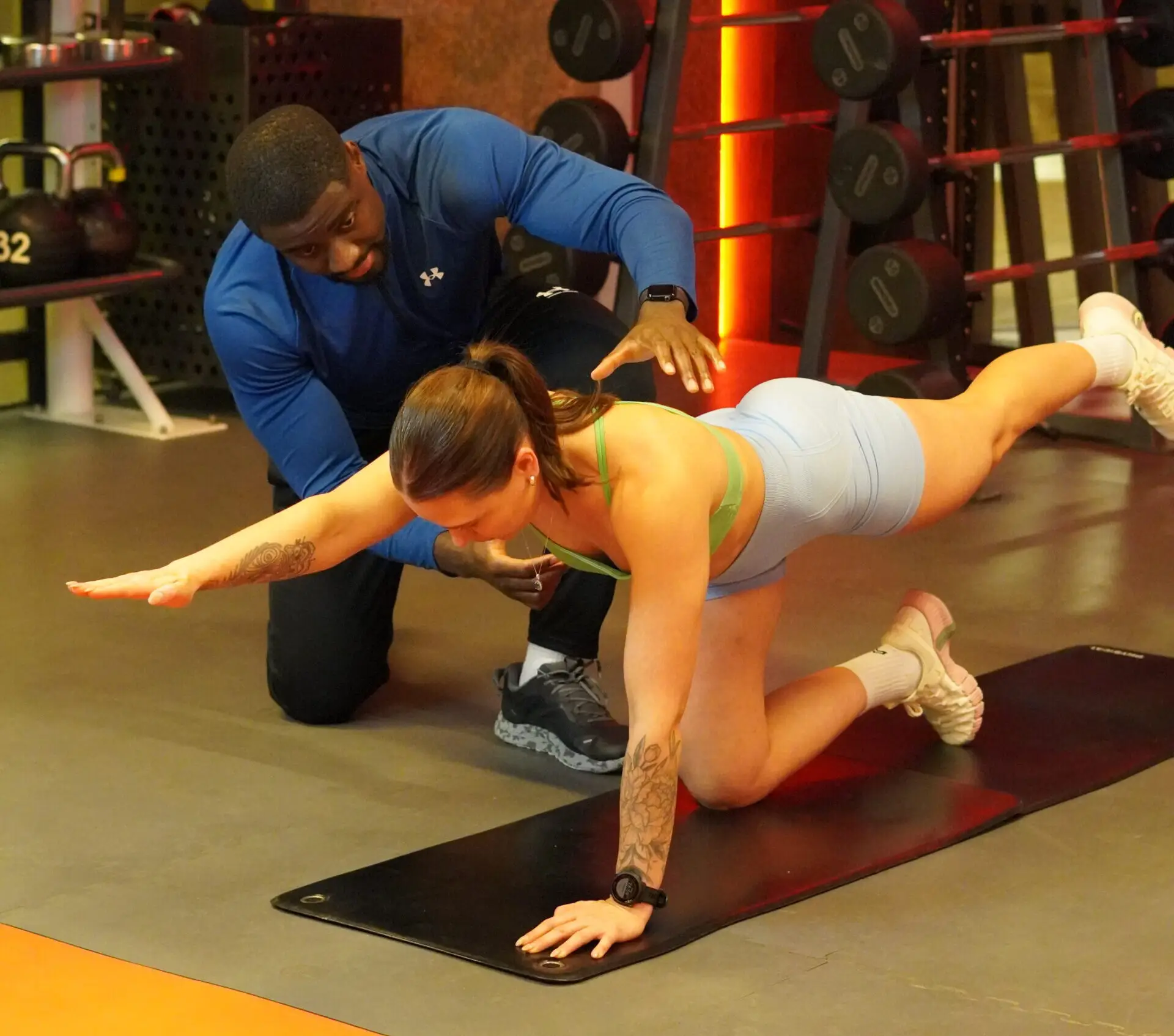
Strength training builds muscle mass, which tends to decrease during menopause. Using weights or resistance bands strengthens bones and boosts metabolism. Focus on major muscle groups with exercises like squats, lunges, and push-ups. Include two to three sessions weekly to maintain muscle and bone health.
Flexibility And Balance Exercises
Flexibility exercises reduce stiffness and improve joint movement. Balance training lowers the risk of falls and injuries. Simple stretches and balance poses like standing on one foot help maintain stability. Practice these exercises daily or several times a week for better mobility.
Mind-body Practices
Mind-body exercises calm the mind and reduce stress. Yoga, Pilates, and tai chi improve flexibility, balance, and mental focus. These activities also help manage mood swings and anxiety. Regular practice promotes relaxation and enhances overall well-being during menopause.
Designing A Weekly Workout Plan
Designing a weekly workout plan for menopause helps manage symptoms and boosts overall health. A well-structured plan balances exercise types to support strength, flexibility, and heart health. It also respects your energy levels and recovery needs. This approach makes workouts more enjoyable and sustainable over time.
Balancing Different Exercise Types
A good plan mixes strength training, cardio, and flexibility exercises. Strength training helps maintain muscle mass and bone density. Cardio improves heart health and mood. Flexibility exercises reduce stiffness and improve range of motion. Each type plays a key role in managing menopause symptoms.
Try to include all three types each week for best results. This balance supports your body’s changing needs.
Setting Realistic Goals
Set goals that feel achievable and clear. Small steps build confidence and create lasting habits. Focus on progress, not perfection. Goals like walking 30 minutes, three times weekly, or doing two strength sessions are good starts.
Adjust goals based on how you feel. Rest days are important too. Listen to your body to avoid burnout or injury.
Sample Weekly Schedule
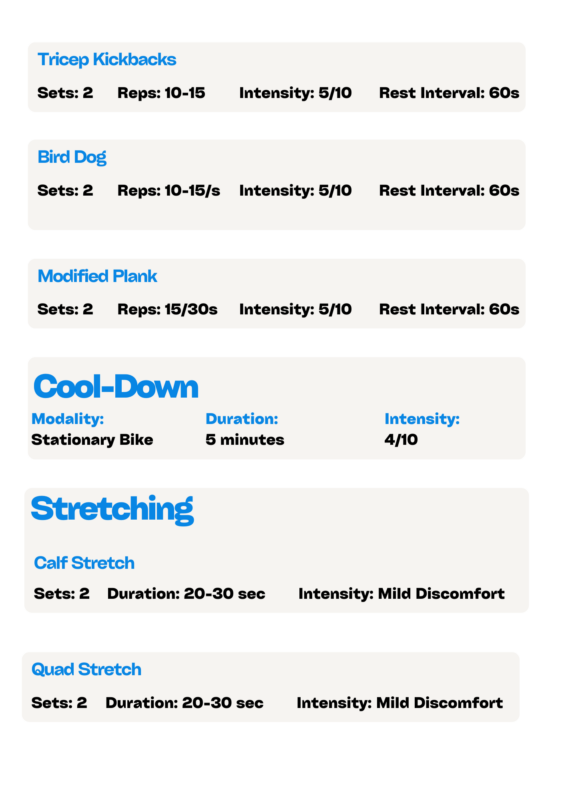
| Day | Exercise Type | Activity |
|---|---|---|
| Monday | Strength Training | Bodyweight exercises or light weights |
| Tuesday | Cardio | Brisk walking or cycling for 30 minutes |
| Wednesday | Flexibility | Yoga or stretching routine |
| Thursday | Strength Training | Resistance band exercises or light weights |
| Friday | Cardio | Swimming or dancing for 30 minutes |
| Saturday | Flexibility & Rest | Gentle stretching or rest day |
| Sunday | Rest | Complete rest or light walking |
Credit: 4afsfit.com
Tips For Staying Motivated
Staying motivated during menopause workouts can be challenging but it’s essential for your well-being. The changes your body goes through might affect your energy and mood, making consistency harder. Finding practical ways to keep your drive alive will help you stick to your plan and feel better every day.
Tracking Progress
Keeping track of your progress makes a big difference. Use a simple journal or an app to note your workouts, energy levels, and how you feel afterward. Seeing small improvements, like lifting a little more weight or lasting longer on a walk, fuels your motivation.
Have you ever noticed how celebrating tiny wins can push you to do more? This is not just about big milestones but recognizing every positive step. Tracking also helps you spot patterns, like which workouts boost your mood the most.
Joining Group Activities
Working out with others adds accountability and fun. Try joining a local yoga class or a walking group tailored for women in menopause. The social connection makes exercise feel less like a chore and more like a meeting with friends.
Think about the last time you felt motivated by someone else’s energy. Group activities create that vibe regularly. Plus, sharing your experiences with peers going through similar changes can be surprisingly encouraging.
Adapting Workouts For Energy Levels
Your energy can vary day to day, so listen to your body and adjust your workouts. On low-energy days, opt for gentle stretching or a short walk instead of intense cardio. This keeps you moving without feeling drained.
Have you tried varying your workout intensity based on how you feel? It keeps exercise sustainable. Remember, a lighter session still counts and helps maintain your routine when motivation dips.
Precautions And When To Seek Advice
Starting a workout plan during menopause requires care and attention. Your body changes, so your exercise routine should adapt. Knowing when to slow down or seek help keeps you safe and healthy. These precautions protect your well-being and improve your results.
Listening To Your Body
Pay close attention to how your body feels during workouts. Rest if you feel pain, dizziness, or extreme tiredness. Notice changes in energy levels or mood. Stop exercises that cause discomfort or unusual symptoms. Gentle movement is better than pushing too hard.
Modifying Exercises For Health Conditions
Menopause may bring health issues like joint pain or bone loss. Adapt exercises to avoid stress on sensitive areas. Use low-impact activities such as swimming or walking. Include strength training with lighter weights or resistance bands. Change intensity to suit your current health needs.
Consulting Healthcare Professionals
Talk to your doctor before starting a new workout plan. Share any health concerns or symptoms you have. Ask about safe exercises and any restrictions you should follow. A physical therapist can design a routine that fits your body. Regular check-ups help track progress and adjust your plan.
Credit: www.fitnessinmenopause.com
Credit: just12reps.com
Frequently Asked Questions
What Exercises Help Ease Menopause Symptoms?
Low-impact workouts like walking, swimming, and yoga reduce hot flashes and mood swings. Strength training improves bone density and metabolism during menopause.
How Often Should I Work Out During Menopause?
Aim for 3-5 sessions weekly. Balance cardio, strength training, and flexibility exercises to maintain overall health and manage symptoms.
Can Menopause Workouts Aid Weight Management?
Yes, regular exercise boosts metabolism and preserves muscle mass. This helps control weight gain often experienced during menopause.
Is Strength Training Important For Menopausal Women?
Absolutely. Strength training builds muscle, strengthens bones, and combats age-related muscle loss common in menopause.
Conclusion
Menopause brings many changes, but exercise helps you feel strong. A good workout plan supports your body and mind. Choose activities you enjoy and stay consistent every week. Small steps lead to big improvements in energy and mood. Remember, listen to your body and rest when needed.
Staying active can ease symptoms and boost confidence. Start today and make fitness a part of your life. Your health matters, and movement plays a key role. Keep going—you deserve to feel your best every day.







