
When setting up your gym, every inch counts. Knowing the exact dimensions of gym equipment helps you plan your space perfectly, avoid overcrowding, and create a smooth workout flow.
If you’ve ever struggled with fitting machines or weights into your gym, this guide is for you. By understanding measurement gym equipment dimensions, you’ll make smarter choices that save time, money, and frustration. Keep reading to discover the key sizes you need and how to use them to build the gym that works best for you.

Credit: gmwdfitness.com
Essential Gym Equipment Dimensions
Knowing the essential dimensions of gym equipment helps you plan your workout space better. It ensures safety, efficiency, and comfort while you exercise. Whether you’re setting up a home gym or managing a commercial facility, understanding these sizes makes a big difference.
Standard Sizes For Cardio Machines
Cardio machines like treadmills, ellipticals, and stationary bikes usually have standard footprints. A treadmill typically measures about 80 inches long and 35 inches wide, needing extra space for safe use around it.
Ellipticals are wider, often around 70 inches long and 30 inches wide. Stationary bikes are more compact, usually about 48 inches long and 24 inches wide. Don’t forget to leave at least 2 feet of clearance around each machine to move freely and avoid accidents.
Strength Training Equipment Measurements
Strength machines vary widely depending on their function. A typical leg press machine can be around 72 inches long and 48 inches wide, while a cable crossover might require a space of 100 inches by 48 inches.
Benches and racks are generally smaller but still need room for movement. For example, a standard flat bench is about 52 inches long and 20 inches wide. Planning your gym layout means you should consider these dimensions plus some extra space for users to access and adjust the equipment easily.
Space Requirements For Free Weights
Free weights demand more open space than machines. You need room for racks, benches, and safe lifting zones. A standard dumbbell rack might be 48 inches wide and 18 inches deep, but you should allow at least 4 to 6 feet of clear space in front of it for lifting.
Weightlifting platforms generally measure 8 feet by 8 feet to give you enough room for various lifts. Think about how much space you need to move around freely and safely. Have you measured your available space against these guidelines before buying your weights?
Measuring Your Space Accurately
Measure the length, width, and height of your gym equipment carefully. Ensure enough space around each piece for safe movement and use. Accurate measurements help fit equipment perfectly in your workout area.
Measuring Your Space Accurately Transforming a section of your home into a gym is an exciting endeavor. However, ensuring that your equipment fits perfectly requires precise measurement. Not only does this prevent clutter, but it also ensures a safe and comfortable workout environment.Tools For Precise Measurement
To measure your space accurately, a good measuring tape is your best friend. Consider digital measuring tools for even more precision. A laser distance measurer, for example, can provide exact dimensions and is user-friendly.Accounting For Clearance And Movement
Always factor in extra space for movement around the equipment. Imagine doing a set of lunges or a yoga stretch—do you have enough room to move freely? Leaving clearance ensures your workouts are not cramped, reducing the risk of injury.Planning For Multiple Users
If your gym will be used by more than one person, think about their needs too. Will two people be using the space at the same time? Make sure there’s enough room for each user to have their workout zone, which can prevent equipment sharing conflicts and enhance the workout experience for everyone.Optimizing Equipment Layout
Optimizing the layout of gym equipment is vital for a smooth workout experience. Proper arrangement improves flow and safety. It helps users move easily and use machines efficiently. Thoughtful planning saves space and creates a welcoming environment. Understanding equipment dimensions supports better decisions about placement.
Creating Functional Zones
Divide the gym into clear areas for different activities. Group cardio machines together, separate strength training from stretching zones. This setup reduces clutter and confusion. Users find equipment faster and switch exercises smoothly. Functional zones also help trainers guide workouts more effectively.
Ensuring Safe Walkways
Leave enough space between machines for easy movement. Walkways should be at least 3 feet wide for safety. Clear paths reduce accidents and allow emergency access. Avoid blocking exits or fire extinguishers. Well-planned walkways improve comfort and confidence during workouts.
Maximizing Usable Space
Use vertical space with wall-mounted racks or shelves. Choose compact equipment that fits well in tight spots. Arrange machines to avoid wasted corners or dead zones. Consider folding or movable gear for flexible layouts. Efficient use of space lets more users train at once.
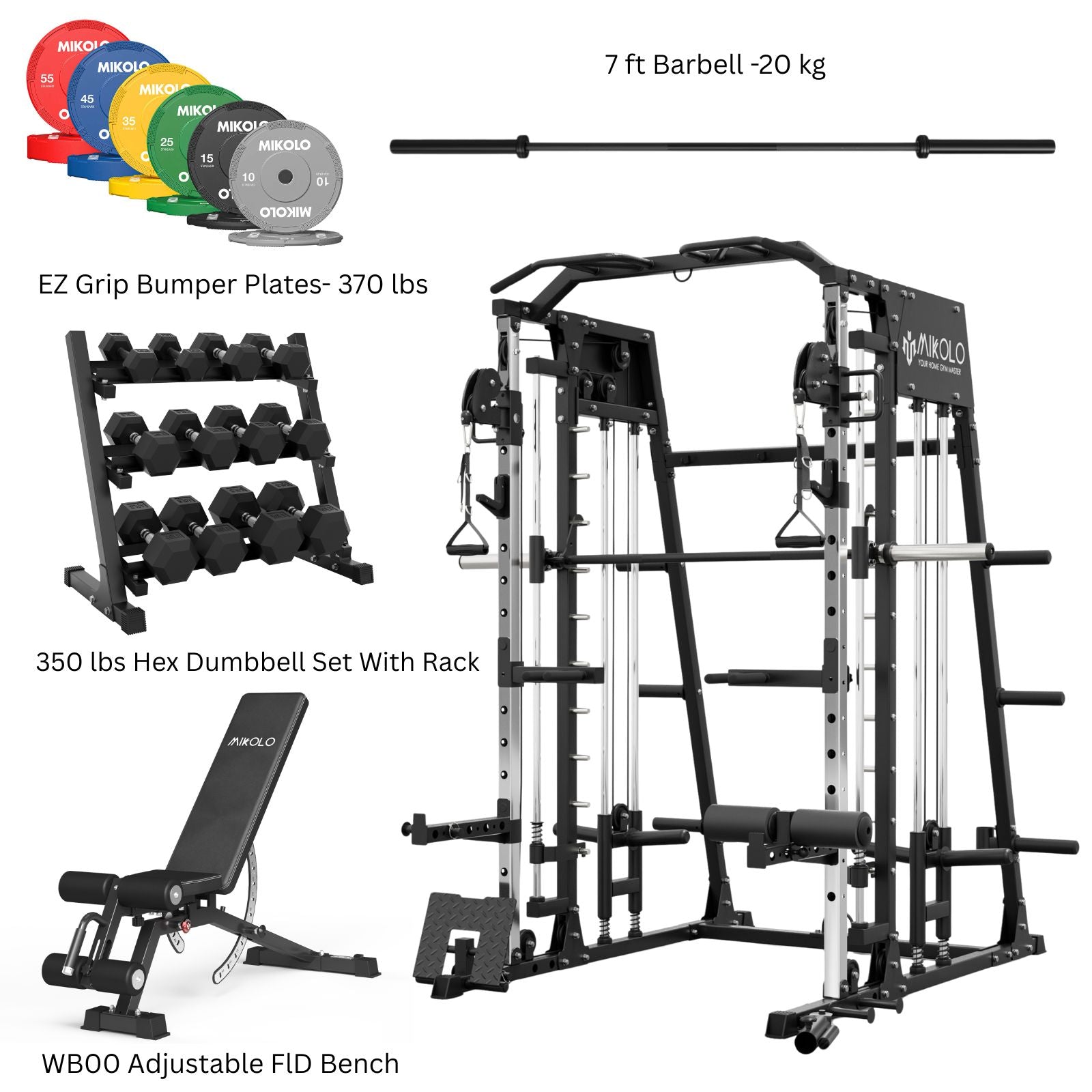
Credit: gym-mikolo.com
Adjustable Equipment And Dimension Variations
Adjustable gym equipment offers flexibility that can suit different workout needs and body types. But with this flexibility comes variation in dimensions that can affect your workout space and equipment setup. Understanding these variations helps you plan better and get the most out of your gym area.
Understanding Adjustable Components
Adjustable equipment includes parts like seats, backrests, handles, and weight stacks that can be moved or changed. These components allow you to customize the machine for comfort and effectiveness.
For example, an adjustable bench might have several incline settings, each altering its height and length slightly. Knowing the full range of these adjustments lets you anticipate the space needed around the equipment.
Have you measured the maximum and minimum sizes of your machines? This simple step can prevent surprises when you start using the equipment in your gym.
Impact On Space Planning
Dimension variations affect how much room you need for safe and comfortable workouts. Equipment that extends or shifts means you must leave extra clearance around it.
Think about the paths you walk while exercising. Will adjusting the equipment block these? If so, rearranging other machines or adding floor markings might help maintain smooth movement.
- Allow at least 2 feet of clearance around adjustable equipment.
- Consider the maximum extended position, not just the default size.
- Account for user movement during exercises to avoid cramped spaces.
Have you noticed how some gyms feel more spacious despite having many machines? That’s often because they plan around these dimension changes thoughtfully.
Tips For Buying Gym Equipment Based On Size
Choosing gym equipment size is key for an efficient workout space. Measuring your area helps avoid clutter and ensures safe movement. Knowing the dimensions of equipment saves time and money during setup. Focus on size to create a comfortable and practical gym environment.
Choosing Compact Models
Compact gym equipment fits better in small spaces. Look for machines with a small footprint and foldable parts. Compact models offer the same functions without taking much room. They are ideal for apartments or home gyms with limited space.
Check the product dimensions carefully before buying. Compare width, height, and depth to your available area. Choose equipment that leaves space for movement around it. This helps keep your workout area safe and comfortable.
Customizing Equipment For Your Space
Custom equipment can match your room size perfectly. Some brands offer adjustable or modular machines. These options let you add or remove parts as needed. Customizing helps you use every inch of your gym efficiently.
Measure your space accurately and plan the layout. Think about how the equipment will fit through doors. Leave enough room for exercise and maintenance. Custom equipment fits your needs and improves workout flow.
Common Dimension Mistakes To Avoid
Getting the dimensions right for your gym equipment is more than just measuring the machines themselves. Many people make avoidable mistakes that lead to cramped spaces, safety issues, or frustration during workouts. Paying close attention to these common dimension pitfalls can save you time, money, and hassle down the road.
Overlooking Clearance Needs
Have you ever felt stuck trying to move around a treadmill or a weight bench? That’s often because clearance space was ignored. You need enough room not only for the equipment but also to move freely and safely.
Clearance includes space for:
- Walking around machines
- Adjusting equipment settings
- Performing exercises without restriction
Ignoring these needs can lead to accidents or make your workouts uncomfortable. Think about the users’ movement patterns and leave at least 2 feet around each machine. This simple step improves safety and usability dramatically.
Ignoring Equipment Expansion Space
Some gym equipment changes size during use—like treadmills that incline or rowing machines that extend. Forgetting to account for this expansion can cause damage to walls or other equipment.
Measure the largest possible dimensions of each piece, not just the folded or resting size. Then, add extra space around it to accommodate movement.
Have you ever tried to use a machine only to find it won’t fit properly when extended? It’s frustrating and avoidable. Planning for expansion space means your gym stays functional and your gear stays in good shape.
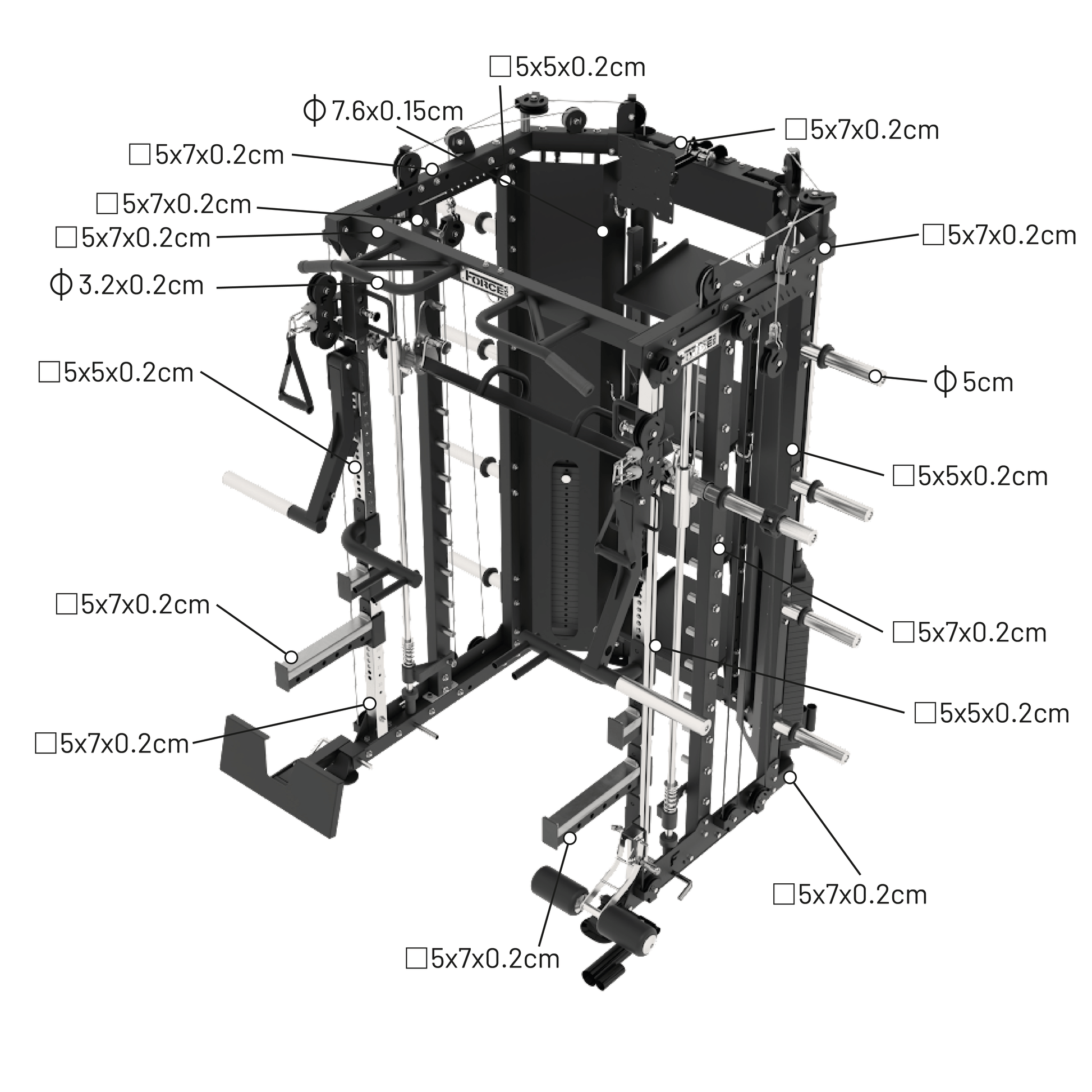
Credit: www.gymandfitness.com.au
Frequently Asked Questions
What Are Standard Dimensions For Gym Equipment?
Standard gym equipment dimensions vary by type. For example, treadmills average 70″ long and 30″ wide. Weight machines typically require 4-6 feet of space. Knowing these sizes helps plan gym layout effectively and ensures user safety and comfort.
How To Measure Gym Equipment For Home Use?
Measure the length, width, and height of each equipment piece. Add extra space for movement around it. Use a tape measure and note dimensions in inches or centimeters. This ensures equipment fits well in your home workout area.
Why Are Gym Equipment Dimensions Important?
Proper dimensions ensure equipment fits your space and user needs. Correct sizing prevents accidents and improves workout efficiency. It also helps in planning gym layouts and purchasing suitable equipment for specific exercises.
Can Gym Equipment Sizes Affect Workout Safety?
Yes, equipment size impacts safety significantly. Small or cramped equipment can cause injuries. Adequate space around machines is essential to avoid accidents. Always check dimensions before buying or placing gym equipment.
Conclusion
Knowing the exact size of gym equipment helps you plan your space well. It keeps your workout area safe and comfortable. You avoid buying machines that do not fit your room. Measuring gym equipment also helps you move and store gear easily.
Always check dimensions before making a purchase. This small step saves time and effort later. A well-organized gym space makes exercise more enjoyable. Remember, good planning leads to better workout results.







