
Are you ready to transform your physique and build the muscle you’ve always dreamed of? The secret isn’t just in the hours spent lifting weights at the gym—it’s also in the kitchen.
A well-structured meal program for muscle building is key to achieving those gains. Imagine waking up every morning and seeing the results you’ve worked so hard for, all thanks to the right nutrition plan. This isn’t just about eating more; it’s about eating smart.
You might be wondering what exactly you should be eating to fuel your muscles and optimize your workouts. You’re about to discover the essential components of a meal program that will help you maximize your muscle growth. Stay tuned, because this could be the game-changer you’ve been searching for.

Credit: www.chalkperformancetraining.com
Key Nutrients For Muscle Growth
Muscle growth needs the right nutrients to support repair and strength. Eating the correct foods fuels your workouts and helps your muscles recover. These nutrients work together to build muscle mass effectively. Understanding their roles can improve your meal plan for muscle building.
Proteins And Amino Acids
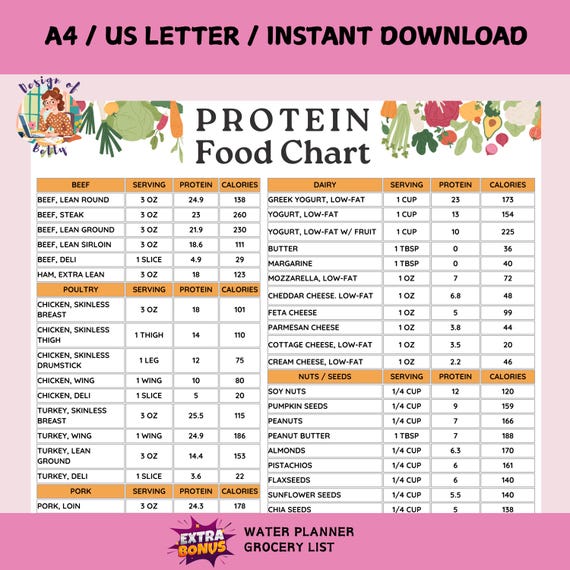
Proteins are the building blocks of muscle tissue. They supply amino acids, which repair and grow muscles after exercise. High-quality protein sources include chicken, fish, eggs, and dairy. Plant-based options like beans, lentils, and tofu also provide essential amino acids. Aim for consistent protein intake throughout the day to maximize muscle synthesis.
Carbohydrates For Energy
Carbohydrates provide energy for intense workouts and recovery. They refill glycogen stores in muscles, which helps you train harder. Good sources include whole grains, fruits, vegetables, and legumes. Complex carbs release energy slowly, keeping you fueled longer. Balance carbs with protein to support muscle growth and energy needs.
Fats And Hormone Regulation
Healthy fats support hormone production, including testosterone and growth hormone. These hormones are vital for muscle repair and growth. Sources of good fats include nuts, seeds, avocados, and olive oil. Avoid trans fats and limit saturated fats. Including fats in your diet helps maintain energy and supports overall health.
Vitamins And Minerals
Vitamins and minerals help your body function properly during muscle building. Magnesium supports muscle contraction and relaxation. Vitamin D aids calcium absorption and muscle strength. Iron carries oxygen to muscles, improving endurance. Eat a variety of colorful fruits and vegetables to cover these needs. A balanced diet ensures optimal nutrient intake.
Calorie Needs For Muscle Gain
Muscle building needs more calories than usual. Calories fuel muscle repair and growth. Eating the right amount helps build muscle without gaining fat. Knowing your calorie needs guides your meal planning.
Calculating Your Caloric Surplus
Start with your maintenance calories. This is the amount to keep your weight stable. Add 250 to 500 calories for muscle gain. A small surplus limits fat gain. Track your weight weekly to adjust calories.
Balancing Macros For Muscle Building
Macros are protein, carbs, and fats. Protein helps repair muscles. Aim for 1.6 to 2.2 grams of protein per kilogram. Carbs provide energy for workouts. Fats support hormones and overall health. Balance your macros for best results.
- Protein: 30-35% of daily calories
- Carbs: 40-50% of daily calories
- Fats: 20-30% of daily calories
Adjusting Intake Based On Progress
Monitor your muscle gain and fat gain. Increase calories if muscle growth stalls. Reduce calories if fat gain is too fast. Adjust protein intake with workout intensity. Keep changes small for steady progress.
Meal Timing And Frequency
Meal timing and frequency play a crucial role in muscle building. Eating at the right moments helps fuel your workouts, speeds up recovery, and supports muscle growth. Understanding when and how often to eat can make a noticeable difference in your progress.
Pre-workout Nutrition
Your body needs energy before you start lifting or training. Eating a balanced meal 1 to 2 hours before working out can boost your performance. Focus on foods rich in complex carbohydrates and moderate protein to keep your energy steady and muscles ready.
For example, a small bowl of oatmeal with a banana and a scoop of protein powder works well. Avoid heavy or fatty foods that might slow you down. Have you noticed how a light snack improves your workout intensity?
Post-workout Recovery Meals
After training, your muscles need nutrients to repair and grow. Eating within 30 to 60 minutes post-workout is ideal to replenish glycogen and provide protein for muscle repair. Quick-digesting carbs combined with lean protein are the best choice here.
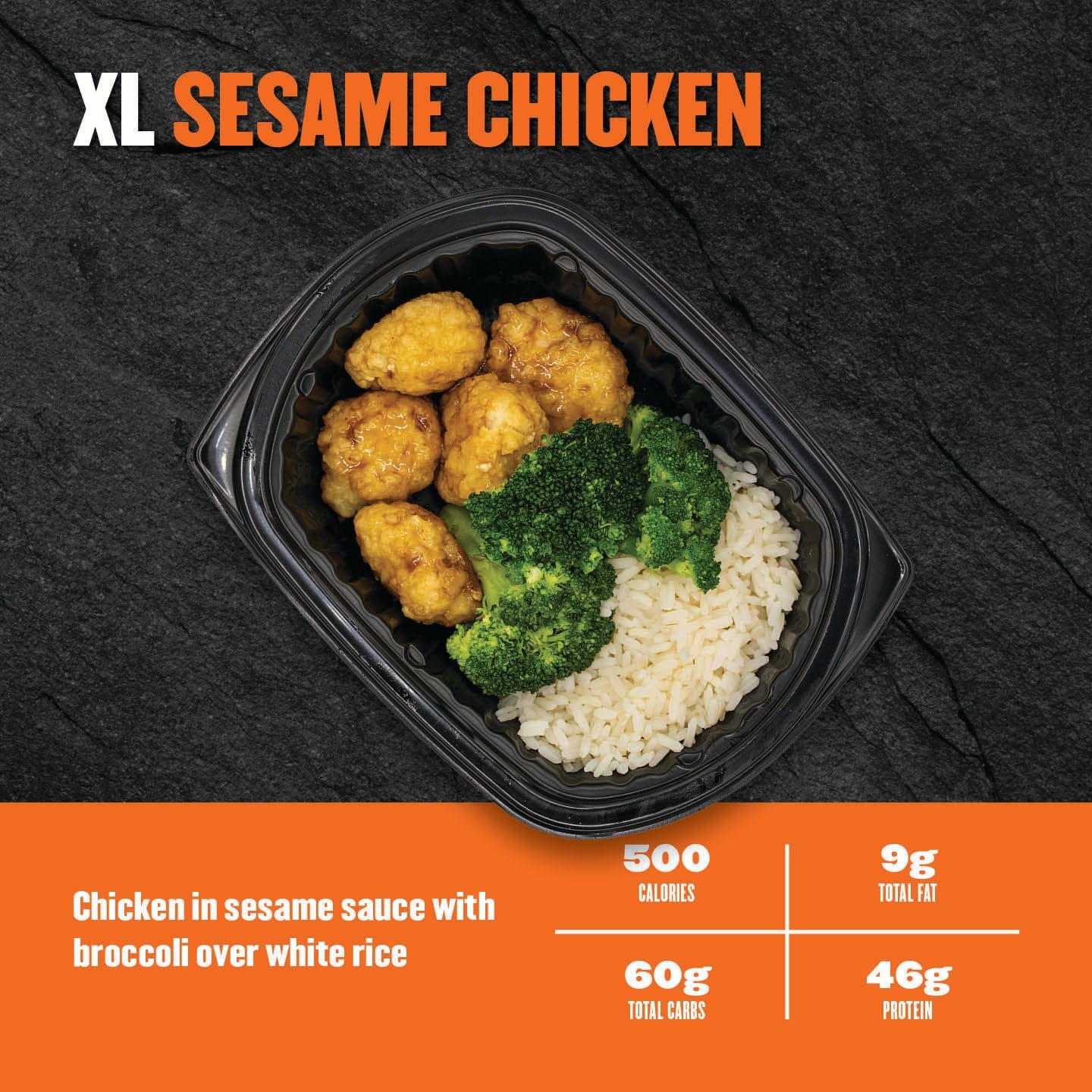
A chicken breast with white rice or a protein shake with fruit are practical options. Skipping this meal can delay recovery and limit your gains. How often do you prioritize your post-workout meal?
Spacing Meals For Optimal Growth
Eating frequently throughout the day helps maintain steady energy and supplies your muscles with nutrients consistently. Aim for 4 to 6 meals spaced about 3 hours apart. This steady flow prevents muscle breakdown and supports ongoing growth.
Try setting reminders to avoid long gaps without food, especially if you have a busy schedule. Remember, muscle building is not just about what you eat, but also when you eat. How does your current meal schedule support your muscle goals?
Credit: www.cleaneatzkitchen.com
Sample Meal Plans
Sample meal plans can give you a clear idea of how to structure your daily nutrition for muscle building. They help you balance protein, carbs, and fats while keeping your meals interesting and satisfying. Below are some practical examples tailored to different experience levels and dietary preferences.
Beginner Muscle Gain Plan
If you’re just starting out, your focus should be on simple, nutrient-rich meals that support muscle repair and growth. Aim for about 1.2 to 1.5 grams of protein per kilogram of body weight daily.
| Meal | Example | Key Nutrients |
|---|---|---|
| Breakfast | Scrambled eggs with whole wheat toast and a banana | Protein, complex carbs, potassium |
| Lunch | Grilled chicken breast, brown rice, steamed broccoli | Lean protein, fiber, vitamins |
| Snack | Greek yogurt with mixed berries | Protein, antioxidants |
| Dinner | Baked salmon, quinoa, roasted asparagus | Omega-3 fats, complete protein, minerals |
Notice how each meal combines protein with healthy carbs and fats. This balance supports energy levels and muscle recovery throughout the day.
Intermediate Muscle Building Plan
Once you’ve built some foundation, you can increase your calorie and protein intake for more muscle growth. Focus on nutrient timing around workouts to maximize gains.
- Pre-workout:Oatmeal with a scoop of whey protein and a handful of almonds
- Post-workout:Protein shake with a banana and honey for quick carbs
- Main meals:Lean beef or turkey, sweet potatoes, green beans
- Evening snack:Cottage cheese with sliced peaches
Do you pay attention to what you eat before and after training? Adjusting your meals around workouts can make a surprising difference in how your muscles recover and grow.
Vegetarian Muscle Gain Options
Vegetarian muscle building requires careful planning to get enough protein and essential amino acids. Combining different plant-based sources throughout the day is key.
| Meal | Example | Protein Sources |
|---|---|---|
| Breakfast | Chia pudding with almond milk and mixed nuts | Chia seeds, nuts |
| Lunch | Lentil curry with brown rice and spinach | Lentils, rice, spinach |
| Snack | Hummus with carrot sticks and whole grain crackers | Chickpeas, whole grains |
| Dinner | Tofu stir-fry with mixed vegetables and quinoa | Tofu, quinoa, veggies |
Have you tried mixing different plant proteins to hit your targets? This approach ensures your muscles get what they need without relying on animal products.
Supplements To Support Muscle Growth
Supplements can play a crucial role in boosting your muscle-building meal program. They fill nutritional gaps and provide your body with the extra fuel it needs to repair and grow muscle tissue. Choosing the right supplements helps you push harder during workouts and recover faster afterward.
Protein Powders
Protein powders are a convenient way to increase your daily protein intake without cooking extra meals. Whey protein is popular because it digests quickly and contains all essential amino acids. If you’re lactose intolerant or prefer plant-based options, pea or rice protein powders work well too.
Adding a protein shake right after your workout can jumpstart muscle recovery. Have you tried mixing your protein with almond milk or blending it with fruits? This can make your supplement more enjoyable and add extra nutrients.
Creatine And Performance Enhancers
Creatine is one of the most researched supplements for muscle growth. It helps increase strength and power during high-intensity workouts, allowing you to lift heavier and perform more reps. This leads to greater muscle gains over time.
Other performance enhancers like beta-alanine or branched-chain amino acids (BCAAs) can also reduce fatigue and improve endurance. Have you noticed a difference in your stamina when using these? Testing these supplements during your training cycles can help you find what truly supports your progress.
Vitamins And Recovery Aids
Muscle growth isn’t just about lifting weights and protein; vitamins play a key role in recovery and overall health. Vitamin D supports muscle function, while vitamin C helps reduce inflammation. Magnesium and zinc aid muscle relaxation and immune support.
Recovery aids like omega-3 fatty acids can decrease soreness and speed up healing. Do you track how long it takes your muscles to recover? Adding these nutrients can shorten recovery time and keep you consistent with your workouts.
Common Mistakes To Avoid
Building muscle requires a careful meal plan. Many people make simple mistakes that slow their progress. Avoiding these errors can help you reach your goals faster and stay healthy.
Overeating And Fat Gain
Eating too much can lead to fat gain, not muscle. Muscle building needs a calorie surplus, but only a small one. Large surpluses cause extra fat storage. Focus on balanced portions and track your intake.
Neglecting Meal Prep
Skipping meal preparation leads to poor food choices. It causes missed meals or eating unhealthy snacks. Planning meals saves time and keeps your diet on track. Prepare protein, carbs, and veggies in advance.
Ignoring Hydration
Water helps muscles recover and grow. Dehydration reduces strength and energy. Drink water regularly throughout the day. Aim for at least eight glasses daily to stay hydrated and perform well.
Credit: www.etsy.com
Frequently Asked Questions
What Foods Are Best For A Muscle-building Meal Program?
Lean proteins like chicken, turkey, and fish are essential. Include complex carbs such as brown rice and sweet potatoes. Add healthy fats like avocados and nuts. Vegetables provide fiber and nutrients. This combination supports muscle growth and recovery efficiently.
How Many Meals Should I Eat Daily For Muscle Gain?
Eating 4 to 6 balanced meals daily helps maintain energy. Frequent meals supply protein and nutrients for muscle repair. It also stabilizes blood sugar and prevents muscle breakdown. Consistency in meal timing supports optimal muscle growth.
Can A Vegetarian Diet Support Muscle Building Effectively?
Yes, a vegetarian diet can build muscle with proper planning. Include plant proteins like beans, lentils, tofu, and quinoa. Combine different protein sources to get all essential amino acids. Supplement with dairy or plant-based protein powders if needed.
How Important Is Protein Timing In Muscle Building?
Protein timing is crucial to maximize muscle repair and growth. Consuming protein within 30-60 minutes post-workout enhances muscle recovery. Distribute protein intake evenly throughout the day for better synthesis. This supports continuous muscle-building processes.
Conclusion
Building muscle needs steady effort and the right meals. Choose foods rich in protein, healthy fats, and carbs. Eat often to keep energy and muscles strong. Drink water to stay hydrated and help recovery. Rest and exercise go hand in hand with good nutrition.
Track your meals and adjust as your body changes. Small steps add up to big results over time. Stay patient and consistent for lasting muscle growth. Your body will thank you for proper fuel and care.







