
Imagine shedding unwanted pounds while enjoying delicious meals that energize your body and mind. Sounds too good to be true?
It’s not, thanks to MCT foods. These remarkable foods are your secret weapon in the battle against weight gain. But what exactly are MCTs, and how can they help you achieve your weight loss goals? MCT stands for Medium-Chain Triglycerides, a type of fat that your body loves to burn for energy instead of storing it as unwanted fat.
By incorporating MCT foods into your diet, you can supercharge your metabolism, enhance your energy levels, and support your weight loss efforts. Curious about how this magic happens? Intrigued by the idea of eating your way to a healthier you? Stay with us as we uncover the science behind MCT foods and reveal simple, tasty ways you can incorporate them into your daily routine for optimal weight loss results. Your journey to a fitter, healthier you starts here.

Credit: melrosehealth.com.au
What Are Mcts?
MCTs, or Medium-Chain Triglycerides, are a special type of fat. They differ from long-chain fats found in most foods. MCTs are easier to digest and absorb. These fats quickly turn into energy instead of being stored as fat.
People use MCTs to help with weight loss and boost energy. MCTs come from natural sources like coconut oil and palm kernel oil. Understanding what MCTs are helps you decide if they fit your diet.
What Makes Mcts Different?
MCTs have shorter fatty acid chains than regular fats. This structure helps the body process them faster. They go straight to the liver, where they become energy. This quick energy use may support weight loss.
Where Do Mcts Come From?
- Coconut oil
- Palm kernel oil
- Dairy products like butter and cheese
These foods contain natural MCTs in varying amounts. Extracted MCT oil is a concentrated source often used in supplements.
Types Of Mcts
| Type | Carbon Chain Length | Common Sources |
|---|---|---|
| C6 (Caproic Acid) | 6 carbons | Trace amounts in coconut oil |
| C8 (Caprylic Acid) | 8 carbons | High in MCT oil |
| C10 (Capric Acid) | 10 carbons | Found in coconut and palm oil |
| C12 (Lauric Acid) | 12 carbons | Major part of coconut oil |
How Mcts Aid Weight Loss
Medium-chain triglycerides (MCTs) are a type of fat found in certain foods. They differ from long-chain fats in their structure and how the body uses them. MCTs are quickly absorbed and burned for energy, which can help support weight loss. These fats can boost metabolism and reduce fat storage. Understanding how MCTs aid weight loss reveals why they are popular in many diets.
Increase Energy Expenditure
MCTs raise the number of calories the body burns. They are rapidly digested and converted into energy. This process requires more energy than storing fat. As a result, MCTs can increase overall calorie burning throughout the day.
Reduce Fat Storage
MCTs are less likely to be stored as fat. Instead, the body uses them quickly for fuel. This means fewer calories turn into body fat. Using MCTs can help prevent excess fat buildup.
Suppress Appetite
MCTs can help reduce hunger and food intake. They increase feelings of fullness after meals. This effect can lead to eating fewer calories. Eating less supports weight loss over time.
Support Fat Burning
MCTs help the body burn stored fat for energy. They encourage the use of fat rather than carbohydrates. This shift can improve fat loss, especially in stubborn areas.
Best Mct-rich Foods
MCTs, or medium-chain triglycerides, are fats that the body uses quickly for energy. Including foods rich in MCTs can support weight loss by boosting metabolism and reducing hunger. These foods are easy to add to meals and snacks, making them practical for daily use.
Coconut Oil
Coconut oil is a popular source of MCTs, especially lauric acid. It contains about 60% MCTs, which the body absorbs fast. Using coconut oil for cooking or in smoothies can increase MCT intake naturally.
Palm Kernel Oil
Palm kernel oil is another rich source of MCTs. It has a high level of caprylic and capric acids, which help burn fat. This oil is often used in processed foods but can be found in pure form for cooking.
Full-fat Dairy
Full-fat dairy products like cheese, butter, and yogurt have small amounts of MCTs. These foods also provide protein and calcium. Including them in your diet supports balanced nutrition and MCT intake.
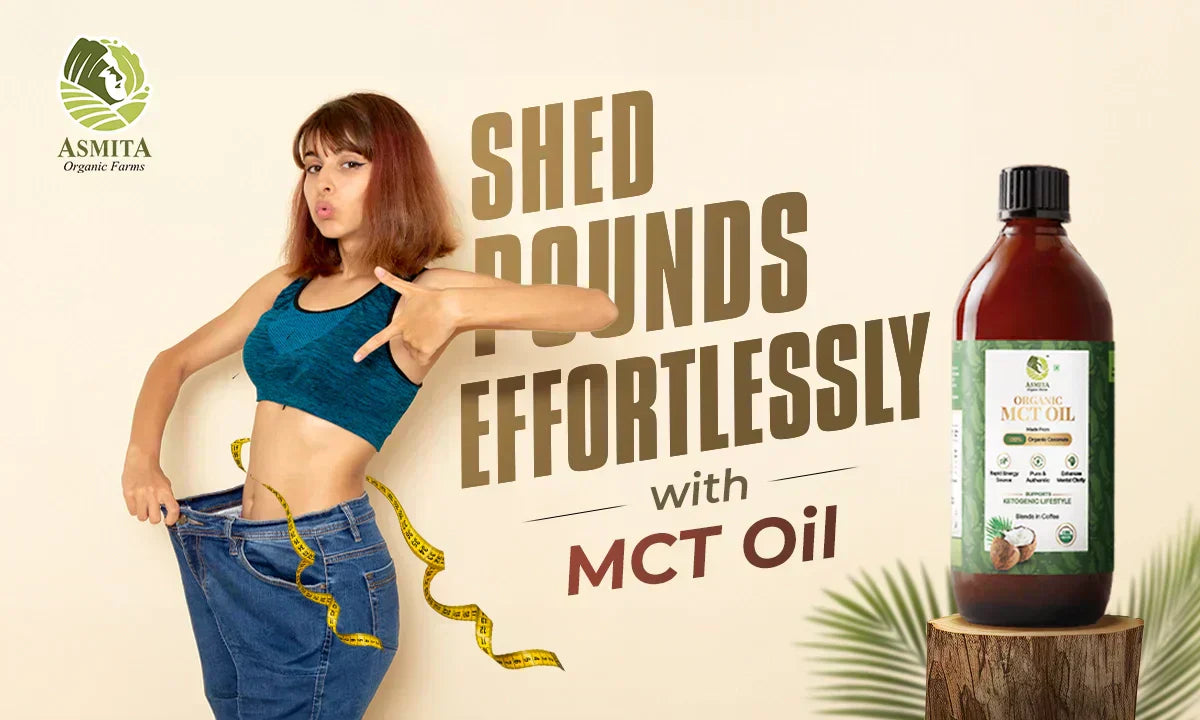
Mct Oil Supplements
MCT oil supplements offer a concentrated dose of MCTs. They are easy to add to drinks or food without changing flavor. Supplements allow precise control over MCT consumption for weight loss goals.
Credit: asmitaorganicfarm.com
Incorporating Mct Foods Into Your Diet
Incorporating MCT foods into your diet helps boost energy and supports weight loss. These fats are easy to digest and quickly turn into fuel. Adding MCTs can improve metabolism and reduce hunger.
Start with small amounts to see how your body reacts. Use MCT oils or foods rich in medium-chain triglycerides like coconut oil and palm kernel oil. Balance MCT intake with other healthy foods.
Cooking Tips
- Use MCT oil for salad dressings to add healthy fats.
- Stir MCT oil into soups and sauces after cooking.
- Replace butter with coconut oil for frying vegetables.
- Avoid heating MCT oil at very high temperatures to keep its benefits.
- Add coconut oil to baking recipes for extra flavor and fat.
Smoothie And Snack Ideas
- Blend MCT oil with fruits and yogurt for creamy smoothies.
- Mix MCT oil into nut butter for a quick energy boost.
- Top oatmeal or chia pudding with a teaspoon of coconut oil.
- Make energy balls with nuts, seeds, and MCT oil.
- Drizzle MCT oil over avocado toast for added richness.
Meal Timing For Fat Burn
- Consume MCTs in the morning to kickstart metabolism.
- Include MCT oil before workouts for extra energy.
- Use MCTs in snacks between meals to reduce hunger.
- Avoid heavy MCT meals late at night to prevent discomfort.
- Pair MCTs with protein for longer-lasting fullness.
Potential Side Effects To Watch
MCT foods can support weight loss but may cause side effects. Knowing these helps avoid discomfort and stay safe. Some people experience mild symptoms at first. Most side effects lessen over time as the body adapts.
Digestive Issues
MCTs often cause stomach upset, diarrhea, or cramps. These occur because MCTs are quickly digested and absorbed. Start with small amounts to reduce risk. Drinking plenty of water also helps ease digestion.
Increased Hunger
Some users report feeling hungrier after taking MCTs. This may affect calorie control and weight loss efforts. Watch your appetite and avoid overeating. Pair MCT foods with fiber-rich meals to stay full longer.
Possible Allergic Reactions
Rare allergic responses can happen with MCT oils. Symptoms include rash, itching, or swelling. Stop use immediately if allergic signs appear. Consult a doctor for proper diagnosis and treatment.
Impact On Blood Lipids
MCTs can raise cholesterol levels in some people. This might increase heart disease risk if unmanaged. Regular blood tests can monitor lipid changes. Choose high-quality MCT oils to reduce this risk.
Interactions With Medications
MCTs may affect how certain medicines work. Talk to a healthcare provider before adding MCT foods. This is important for those on blood thinners or diabetes drugs. Safe use depends on personal health conditions.
Comparing Mcts To Other Fats
Understanding how MCTs compare to other fats helps you choose the best option for weight loss. Different fats affect the body in unique ways. MCTs, or medium-chain triglycerides, have a special structure that changes how your body uses them for energy.
Other fats, like long-chain triglycerides (LCTs), are common in most foods. They take longer to digest and store more easily as fat. MCTs go straight to the liver, where they turn into quick energy instead of fat storage. This makes MCTs a smart choice for weight loss support.
Energy Use And Fat Storage
MCTs provide fast energy because they absorb quickly in the body. They do not need bile or enzymes to digest. Other fats take longer and often become stored as body fat.
MCTs may increase metabolism slightly. This can help burn more calories during the day.
Effect On Appetite
MCTs can help reduce hunger. They may increase feelings of fullness after eating. Other fats do not show this effect as clearly.
Eating MCTs may lead to eating less overall, supporting weight loss goals.
Sources Of Mcts And Other Fats
- MCTs are found in coconut oil, palm kernel oil, and MCT oil supplements.
- Long-chain fats come from olive oil, butter, nuts, and most meats.
- Choosing MCT-rich foods or supplements can help increase MCT intake easily.
Success Stories And Research Findings
Many people have shared inspiring stories about how MCT foods helped them shed extra pounds and boost their energy. These success stories often highlight quick results and improved focus, making MCTs a popular choice for weight loss. Alongside personal experiences, scientific research provides clear evidence on how MCTs affect metabolism and fat burning.
Real-life Success Stories With Mct Foods
Sarah, a busy mom of two, added MCT oil to her morning coffee. Within weeks, she noticed a drop in her appetite and lost 10 pounds without changing much else. Her story shows how small changes can create big results.
Another example is James, who struggled with stubborn belly fat. After including MCT-based snacks in his diet, he felt more energetic during workouts and saw visible fat loss in just a month. These stories prove that MCTs can support your weight loss journey effectively.
Scientific Research On Mcts And Weight Loss
| Study | Findings | Implication for Weight Loss |
|---|---|---|
| Journal of Nutrition, 2015 | MCT consumption increased daily energy expenditure by 5% | Burns more calories even at rest |
| Obesity Research, 2008 | MCTs reduced body fat more effectively than long-chain fats | Helps target stubborn fat areas |
| Appetite, 2010 | MCT intake lowered appetite and calorie intake | Supports natural appetite control |
How To Use Research And Stories For Your Benefit
Think about your current eating habits. Can you swap some regular fats for MCT oil or coconut oil? Even small swaps can make a difference over time.
Remember, consistency matters. MCTs won’t work as a magic fix but adding them daily can help you burn fat and manage hunger better. Are you ready to try MCT foods as part of your routine?

Credit: asmitaorganicfarm.com
Frequently Asked Questions
What Are Mct Foods For Weight Loss?
MCT foods contain medium-chain triglycerides, fats that boost energy and fat burning. They help increase metabolism and reduce appetite, aiding weight loss effectively.
How Do Mcts Promote Fat Burning?
MCTs are quickly absorbed and converted into energy. This process increases calorie burning and reduces fat storage, supporting weight loss efforts naturally.
Can Mct Oils Help Reduce Belly Fat?
Yes, MCT oils boost metabolism and improve fat oxidation. Regular use can specifically target abdominal fat and improve body composition.
Which Foods Are Rich In Mcts?
Coconut oil, palm kernel oil, and dairy products naturally contain MCTs. Adding these to your diet can support weight loss goals.
Conclusion
MCT foods can support your weight loss journey effectively. They help boost energy and reduce hunger naturally. Including them in meals may improve fat burning. Small changes in diet often lead to big results. Consistency matters more than quick fixes.
Choose MCT-rich foods like coconut oil and palm kernel oil. Keep your diet balanced with fruits and vegetables too. Remember, healthy habits build lasting weight control. Start simple, stay patient, and watch progress grow.







