
Are you tired of dealing with unpredictable symptoms that seem to come out of nowhere? If you’ve been struggling with unexplained allergies, digestive issues, or chronic fatigue, you might be dealing with Mast Cell Activation Syndrome (MCAS).
But don’t worry, you’re not alone, and there’s hope! Understanding the MCAS diet could be the key to transforming your health and reclaiming your life. Imagine reducing or even eliminating those frustrating symptoms that have been holding you back. In this blog post, we’ll dive into the essentials of the MCAS diet, exploring how making simple changes to what you eat can help you manage your symptoms more effectively.
Ready to take control of your health? Let’s get started!
What Is Mcas
Mast Cell Activation Syndrome (MCAS) is a condition where mast cells release too many chemicals. Mast cells are part of the immune system. They help protect the body by releasing substances like histamine. In MCAS, these cells activate improperly, causing many symptoms.
Understanding MCAS helps in managing diet and lifestyle better. The right approach can reduce symptoms and improve quality of life.
Causes And Triggers
MCAS causes are not fully clear. Genetics may play a role. Environmental factors can trigger mast cell activation. Common triggers include:
- Certain foods and food additives
- Stress and anxiety
- Infections and illnesses
- Temperature changes
- Medications like painkillers and antibiotics
- Strong smells or chemicals
Avoiding triggers helps control symptoms and flare-ups.
Common Symptoms
Symptoms vary widely but often affect multiple body systems. Common signs include:
- Hives or skin rashes
- Itching and flushing
- Abdominal pain and diarrhea
- Headaches and brain fog
- Rapid heartbeat or low blood pressure
- Shortness of breath or wheezing
Symptoms can appear suddenly or build up slowly. Knowing these helps in early recognition and treatment.
Credit: www.etsy.com
Role Of Diet In Mcas
The role of diet in managing Mast Cell Activation Syndrome (MCAS) is a crucial yet often underestimated aspect of treatment. What you eat can either calm your mast cells or trigger unwanted reactions. Understanding how food interacts with your immune system gives you a powerful tool to control symptoms and improve your daily life.
How Food Affects Mast Cells
Mast cells are sensitive to certain compounds found in various foods. These cells release histamine and other chemicals that cause inflammation and allergic reactions when triggered. Some foods naturally contain high levels of histamine or other mast cell activators, which can worsen symptoms.
Think about that time you ate aged cheese or fermented products and suddenly felt itchiness or a headache. These are classic examples of food-induced mast cell activation. On the flip side, fresh, low-histamine foods often help reduce flare-ups.
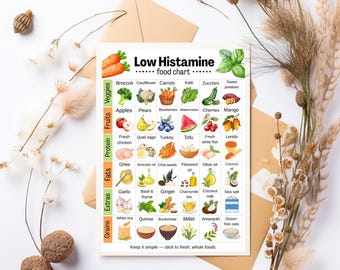
- High-histamine foods include fermented items, processed meats, and alcohol.
- Some fruits and vegetables like tomatoes and spinach can also trigger symptoms in sensitive individuals.
- Fresh meat, freshly caught fish, and non-citrus fruits are generally safer choices.
Have you noticed patterns in your reactions after certain meals? Keeping a food diary might reveal hidden triggers that you can avoid.
Importance Of Symptom Management
Managing symptoms through diet is not about strict restrictions but smart choices. By identifying and avoiding foods that worsen your condition, you can significantly reduce the frequency and severity of MCAS episodes.
Symptom management through diet also supports other treatments you might be receiving. For example, reducing your body’s overall inflammatory load can make medications more effective. It’s about giving your body the best chance to heal and stay stable.
Here’s a simple approach you can try:
| Step | Action | Benefit |
|---|---|---|
| 1 | Track your meals and symptoms daily | Identify personal food triggers |
| 2 | Eliminate high-histamine and processed foods | Reduce mast cell activation |
| 3 | Add fresh, low-histamine foods gradually | Support overall health without triggering symptoms |
What small dietary changes can you make today to feel better tomorrow? Your journey with MCAS is unique, and diet plays a key role in shaping your experience.
Foods To Avoid
Managing your diet when dealing with MCAS (Mast Cell Activation Syndrome) means being careful about what you eat. Certain foods can trigger symptoms and make you feel worse. Knowing which foods to avoid helps you stay comfortable and in control.
High Histamine Foods
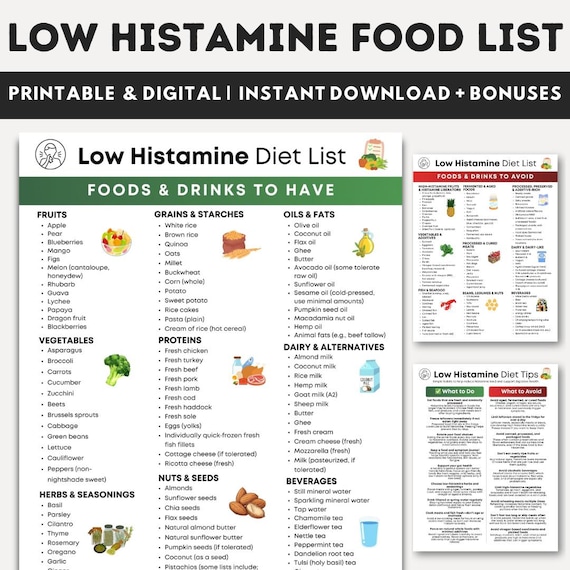
High histamine foods often worsen MCAS symptoms because they increase the amount of histamine in your body. Aged cheeses, smoked meats, and fermented products like sauerkraut or soy sauce are common culprits.
Even leftovers can be a problem since histamine levels rise when food sits out too long. Have you noticed symptoms flare up after eating pizza or cured meats? That might be the histamine at work.
Common Allergens
Common allergens like nuts, shellfish, and eggs can trigger mast cells, causing reactions. If you find yourself feeling itchy, swollen, or experiencing stomach upset after eating these, it’s worth avoiding them.
Many people with MCAS also react to gluten and dairy. Testing your tolerance to these foods can help you identify what to cut out.
Additives And Preservatives
Artificial additives and preservatives hide in many packaged foods and drinks. Ingredients such as sulfites, benzoates, and MSG often trigger symptoms in sensitive individuals.
Reading labels carefully can make a big difference. Have you ever felt worse after eating processed snacks or drinking sodas? These additives might be the reason.
Credit: www.etsy.com
Safe Foods For Mcas
Choosing safe foods is vital for managing MCAS symptoms effectively. Certain foods trigger less histamine release and reduce inflammation. This helps control allergic reactions and improves overall well-being.
Focusing on safe foods supports better digestion and fewer flare-ups. Simple, natural options often work best. Understanding which foods are safe can make daily meals easier and more enjoyable.
Low Histamine Choices
Low histamine foods help keep symptoms calm. Fresh fruits like apples, pears, and blueberries are good options. Fresh meats such as chicken and turkey are safer than processed meats. Vegetables like carrots, zucchini, and cucumbers usually cause less reaction. Avoid aged cheeses, fermented foods, and smoked products, as they contain high histamine.
- Fresh fruits: apples, pears, blueberries
- Fresh meats: chicken, turkey
- Vegetables: carrots, zucchini, cucumbers
- Grains: rice, oats
Anti-inflammatory Options
Foods with anti-inflammatory properties support MCAS control. Omega-3 rich foods reduce swelling and irritation. Flaxseeds and chia seeds provide plant-based omega-3. Olive oil is a healthy fat that lowers inflammation. Ginger and turmeric add natural relief and flavor. Avoid fried and processed foods as they increase inflammation.
- Flaxseeds and chia seeds
- Extra virgin olive oil
- Fresh ginger and turmeric
- Green leafy vegetables like spinach and kale
Nutrient-rich Staples
Strong nutrition helps the body heal and maintain balance. Whole grains provide energy and fiber. Sweet potatoes offer vitamins and minerals with low histamine risk. Eggs are a good protein source for many people with MCAS. Drinking plenty of water supports detoxification and hydration.
| Food | Benefit |
|---|---|
| Whole grains (rice, oats) | Energy and fiber |
| Sweet potatoes | Vitamins and minerals |
| Eggs | Protein |
| Water | Hydration and detox |
Sample Mcas Diet Plan
Planning meals on an MCAS diet can feel tricky at first, but having a clear sample plan makes it easier to manage your symptoms and enjoy your food. This plan focuses on low-histamine, anti-inflammatory options that support your body’s needs without triggering mast cell activation. Let’s look at some tasty ideas that you can try for breakfast, lunch, dinner, and snacks.
Breakfast Ideas
- Oatmeal with fresh pears– Use gluten-free oats cooked with water or almond milk, topped with sliced fresh pears and a drizzle of maple syrup. Avoid dried fruits as they can raise histamine levels.
- Rice cakes with avocado– Spread ripe avocado on plain rice cakes and add a pinch of salt and freshly ground black pepper. It’s simple and gentle on your system.
- Scrambled eggs with spinach– Use fresh eggs cooked lightly with a handful of fresh spinach leaves. Avoid aged cheeses and processed meats often found in breakfast dishes.
Lunch And Dinner Options
- Grilled chicken with steamed zucchini– Fresh chicken breast grilled with olive oil and herbs like thyme or rosemary pairs well with steamed zucchini. Both are low-histamine and safe choices.
- Quinoa salad with cucumber and fresh herbs– Cooked quinoa mixed with cucumber, parsley, and a squeeze of lemon juice offers a refreshing and nourishing meal.
- Baked white fish with sweet potato– Choose freshly caught white fish like cod, bake it with olive oil, and serve alongside roasted sweet potatoes for a wholesome dinner.
Snacks And Beverages
- Fresh apple slices with sunflower seed butter– This combo provides energy and is gentle on sensitive mast cells.
- Carrot sticks with homemade hummus– Make hummus from fresh chickpeas without tahini to reduce histamine triggers.
- Herbal teas like chamomile or rooibos– These can soothe your system, but always test small amounts first to check your tolerance.
Have you noticed how certain foods make a big difference in your symptoms? Try these ideas and adjust based on how your body reacts. The goal is to find what works for you, so you feel better every day.
Supplements And Healing
Supplements can play a key role in managing the symptoms of MCAS (Mast Cell Activation Syndrome) and supporting your healing journey. Choosing the right vitamins, minerals, and herbal supports might help stabilize mast cells and reduce inflammation. However, it’s important to be careful and informed since some supplements can trigger reactions.
Vitamins And Minerals
Certain vitamins and minerals are essential for calming mast cell activity. Vitamin C is a powerful antioxidant that may help reduce histamine levels naturally. Magnesium supports muscle relaxation and can ease symptoms like cramping or headaches.
Other minerals like zinc support your immune system and help repair tissues. Adding a high-quality B-complex vitamin might improve energy and reduce stress, which often worsens MCAS symptoms. Do you know which supplements you tolerate well? Keeping a symptom diary after trying new vitamins can guide your choices.
Herbal Supports
Some herbs show promise in calming mast cells and easing allergic reactions. Quercetin, a natural flavonoid, is often used to stabilize mast cells and reduce histamine release. Butterbur and stinging nettle are other herbs known for their anti-inflammatory effects.
Be cautious because herbs can interact with medications or trigger sensitivities. Always start with small doses and observe your body’s response. Have you tried herbal supplements before, and what was your experience? Your personal reaction is the best guide here.
When To Consult A Professional
Before adding any supplement, it’s wise to talk with a healthcare provider familiar with MCAS. They can help identify safe options and avoid those that might worsen your symptoms. A professional can also monitor your progress and adjust your plan as needed.
If you notice new or worsening symptoms after starting supplements, seek advice promptly. Managing MCAS is complex, and personalized guidance makes a big difference. Are you working with a specialist who understands your unique needs?
Lifestyle Tips For Mcas
Managing Mast Cell Activation Syndrome (MCAS) involves more than just diet. Small changes in daily habits can reduce symptoms and improve quality of life. These lifestyle tips help control triggers and support overall well-being.
Stress Management
Stress often worsens MCAS symptoms. Try simple relaxation techniques like deep breathing or meditation. Setting aside a few minutes daily can calm your mind and body. Avoid stressful situations when possible. Keep a journal to track what causes stress and how you respond. This awareness helps you manage reactions better.
Exercise And Rest
Light exercise supports immune health and reduces inflammation. Activities like walking, yoga, or stretching suit many with MCAS. Avoid intense workouts that may trigger symptoms. Balance physical activity with plenty of rest. Good sleep is vital for healing and energy. Aim for a regular sleep schedule and a calm bedtime routine.
Environmental Factors
Many triggers hide in the environment. Common irritants include strong perfumes, smoke, and harsh cleaning products. Use fragrance-free and natural items at home. Keep rooms well-ventilated and clean. Reduce exposure to pollen or dust by using air purifiers. Wearing a mask in polluted areas may help lower risks.

Credit: www.theendobellycoach.com
Tracking And Adjusting Your Diet
Tracking and adjusting your diet is vital for managing MCAS effectively. Careful monitoring helps spot foods that worsen symptoms. Adjustments can improve your comfort and health over time.
Keeping A Food Diary
Write down everything you eat and drink daily. Note the time and portion size. Record any symptoms and their severity after meals. This habit helps connect foods with reactions clearly.
Use a simple notebook or an app for easy access. Review your diary weekly to find patterns. Consistency is key to understanding your body’s responses.
Identifying Personal Triggers
Not all foods affect everyone with MCAS the same way. Look for items that cause common symptoms like headaches or rashes. Some triggers include spicy foods, alcohol, or processed ingredients.
Eliminate suspected triggers one at a time. Observe changes in symptoms during this period. Gradual testing helps pinpoint your unique sensitivities without confusion.
Working With Healthcare Providers
Share your food diary and symptom notes with your doctor or dietitian. They can guide safe dietary changes based on your records. Professional advice reduces risks of nutrient deficiencies.
Regular check-ins help adjust your diet plan as needed. Healthcare providers also offer support for managing MCAS long-term. Collaboration improves your overall well-being and diet success.
Frequently Asked Questions
What Foods Are Best For An Mcas Diet?
An MCAS diet focuses on low-histamine, anti-inflammatory foods. Fresh vegetables, gluten-free grains, and lean proteins are ideal. Avoid fermented, aged, and processed foods to reduce symptoms. Drinking plenty of water also helps manage histamine levels effectively.
How Does An Mcas Diet Reduce Symptoms?
An MCAS diet limits histamine-rich and triggering foods. This reduces mast cell activation and inflammation. Avoiding allergens helps prevent flare-ups. Consistent adherence improves overall comfort and immune balance. It supports better symptom control and quality of life.
Can An Mcas Diet Include Fruits?
Yes, but choose low-histamine fruits like apples and pears. Avoid citrus, strawberries, and bananas, which are high in histamine. Fresh, unripe fruits are better tolerated. Moderation is key to prevent symptom triggers and maintain nutritional balance.
Is Dairy Allowed In An Mcas Diet?
Dairy can trigger symptoms for many with MCAS. It’s best to avoid milk, cheese, and yogurt initially. Consider lactose-free or plant-based alternatives. Always monitor your body’s response when reintroducing dairy slowly and carefully.
Conclusion
Managing your diet can help control MCAS symptoms effectively. Choose fresh, whole foods and avoid known triggers. Stay consistent and listen to your body’s needs. Small changes often lead to better health and comfort. Remember, patience is key during this process.
Keep learning and adjusting to find what works best. Your diet plays a big role in feeling better every day.







