
Are you struggling with digestive issues or preparing for a medical procedure? You might have heard about the low residue diet and wondered if it could be the solution you’ve been searching for.
Imagine enjoying meals that are gentle on your stomach while still being delicious and satisfying. The low residue diet menu is designed just for you, to ease your digestive system and help you feel more comfortable. Curious to know which foods can make a difference and how to create meals that support your well-being?
Stick around as we dive into the essentials of crafting the perfect low residue diet menu that suits your lifestyle and health goals.
Credit: www.etsy.com
Low Residue Diet Basics
The Low Residue Diet focuses on reducing fiber and other hard-to-digest foods. It helps ease digestion and minimizes bowel movements. This diet is often used before or after certain medical treatments. Understanding the basics can help you follow the diet correctly and stay healthy.
What Low Residue Means
Low residue means eating foods that leave little waste in the intestines. It limits fiber, seeds, nuts, and raw fruits or vegetables. These foods slow down digestion and reduce bowel activity. The goal is to reduce the amount of stool produced.
Who Benefits Most
People with digestive issues benefit the most from this diet. It helps those with Crohn’s disease, ulcerative colitis, or bowel surgery. It also suits patients preparing for a colonoscopy. It can reduce symptoms like cramps, diarrhea, and bloating.
Key Dietary Restrictions
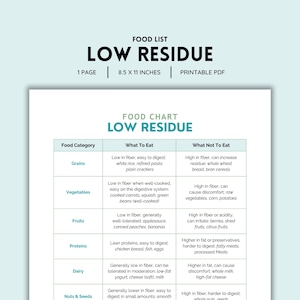
- Avoid whole grains like brown rice and whole wheat.
- Skip raw fruits and vegetables with skins or seeds.
- Limit nuts, seeds, and popcorn.
- Choose cooked or canned fruits without skins.
- Eat lean proteins such as chicken, fish, and eggs.
- Use refined grains like white bread and white rice.
Credit: www.etsy.com
Planning Your Menu
Planning your low residue diet menu is key to managing symptoms and keeping your gut calm. It’s not just about avoiding certain foods but about choosing the right ones that nourish you without adding stress to your digestive system. Thoughtful planning lets you enjoy meals that support your health and fit your lifestyle.
Choosing Gut-friendly Foods
Focus on foods that are easy to digest and low in fiber. White rice, well-cooked vegetables like carrots and zucchini, and lean proteins such as chicken or fish work well. Avoid seeds, nuts, raw fruits, and whole grains that leave behind residue.
Think about how your body reacts after eating certain foods. Have you noticed some vegetables or meats cause discomfort? Tailor your menu by selecting options that sit well with you. Don’t hesitate to test new foods in small amounts to see how they affect your gut.
Balancing Nutrition
Even on a low residue diet, you need a range of nutrients. Include sources of protein, healthy fats, and simple carbohydrates to keep your energy up. Dairy can be tricky—choose lactose-free options if you’re sensitive.
Use this simple table to help balance your meals:
| Food Group | Examples | Tips |
|---|---|---|
| Proteins | Chicken, fish, eggs, tofu | Cook thoroughly and avoid fried options |
| Carbohydrates | White rice, potatoes (no skin), pasta | Keep portions moderate |
| Vegetables | Cooked carrots, zucchini, peeled cucumber | Peel and cook well to soften |
| Fats | Olive oil, butter, avocado (small amounts) | Use sparingly to aid digestion |
Meal Timing Tips
How often you eat can affect your digestion just as much as what you eat. Smaller, more frequent meals help reduce the workload on your gut. Try eating every 3 to 4 hours instead of three large meals.
Listen to your body’s hunger signals and avoid eating late at night. Planning your meals in advance can prevent last-minute choices that might upset your stomach. Have you noticed a pattern in how meal timing affects your comfort?
Breakfast Ideas
Choosing the right breakfast on a low residue diet can feel limiting at first. However, there are plenty of simple and tasty options that won’t upset your digestive system. Let’s look at some practical ideas that keep your mornings easy and satisfying.
Smoothies And Drinks
Smoothies can be a great way to start your day without adding too much fiber. Use low-fiber fruits like peeled apples, canned peaches, or ripe bananas. Blend them with lactose-free milk or almond milk for a smooth texture.
Try adding a spoonful of protein powder or a splash of vanilla extract to make your smoothie more flavorful. Avoid seeds, skins, or nuts since they add residue you want to avoid. Have you tried a simple mango and banana smoothie without the pulp? It’s refreshing and gentle on your stomach.
Low Fiber Cereals
Low fiber cereals are quick and convenient for breakfast. Look for options like puffed rice or corn flakes without added bran or whole grains. Serve with lactose-free milk or a milk alternative to keep it gentle on your system.
Adding a small amount of honey or maple syrup can give a touch of sweetness without any roughage. If you want a little variety, try mixing two types of low-fiber cereals for texture. What’s your favorite cereal that fits this diet?
Egg-based Options
Eggs are a versatile and low residue breakfast choice. You can prepare them scrambled, boiled, or poached without any added ingredients that might cause irritation. Eggs provide good protein while being easy to digest.
Pair eggs with a slice of white toast or a small amount of smooth cream cheese for a balanced meal. Avoid adding raw vegetables or spicy sauces that can upset your stomach. Have you noticed how simple egg dishes keep your mornings calm and comfortable?
Lunch And Dinner Choices
Choosing the right lunch and dinner options on a low residue diet can make a big difference in how you feel throughout the day. The key is to focus on foods that are easy to digest and gentle on your digestive system while still providing enough energy and nutrients. Let’s look at some practical meal ideas that keep your diet simple yet satisfying.
Lean Proteins
Lean proteins are a great choice because they are easy to digest and help keep you full without causing discomfort. Think about plain grilled chicken, turkey, or fish like cod or tilapia. These options are low in fat and fiber, making them gentle on your digestive tract.
If you enjoy eggs, scrambled or poached eggs can also be a nutritious, low residue protein source. Avoid fried or heavily seasoned meats, as they can irritate your system.
Cooked Vegetables
Cooked vegetables are easier to digest than raw ones and fit perfectly into a low residue diet. Steamed carrots, peeled zucchini, or well-cooked green beans are excellent choices. Cooking breaks down fiber, which reduces residue and helps prevent irritation.
Have you tried pureeing your veggies into soups? It’s a comforting way to get nutrients without added residue, and it’s easy on your stomach.
Simple Grain Options
Simple grains can provide energy without overloading your digestive system. White rice, plain pasta, and refined bread are all low in fiber and suitable for your meals. Avoid whole grains or anything with seeds and nuts, as these increase residue.
Consider pairing grains with your lean proteins and cooked vegetables for a balanced meal. This mix helps you feel satisfied and supports your digestive health.
Snacks And Light Bites
Snacking on a low residue diet can feel limiting, but it doesn’t have to be boring. Choosing the right snacks and light bites can keep your energy up without upsetting your digestive system. Let’s look at some tasty and gentle options that fit well into your daily routine.
Easy-to-digest Snacks
Simple snacks that break down easily are your best friends. Plain rice cakes, soft-boiled eggs, or smooth nut butters on white bread can satisfy hunger without adding too much fiber. These options keep your stomach calm and help you avoid discomfort.
Have you tried homemade gelatin or clear broths as a snack? They can be surprisingly filling and soothing. Keep in mind to avoid crunchy or heavily spiced snacks—they tend to irritate sensitive digestion.
Fruit Selections
Not all fruits work on a low residue diet, but some are gentle and refreshing. Peeled apples, ripe bananas, and canned peaches without syrup provide sweetness without excess fiber. These fruits give you vitamins and hydration without causing trouble.
Think about how you prepare your fruit, too. Cooking or peeling reduces fiber, making the fruit easier to digest. What fruits do you miss the most, and how can you enjoy them safely?
Dairy And Alternatives
Dairy can be tricky, but certain choices fit well in a low residue diet. Plain yogurt, especially lactose-free versions, offers probiotics and protein without heavy fiber. Mild cheeses like mozzarella or cream cheese also work well as light bites.
If dairy isn’t your favorite, almond or rice milk are gentle alternatives. Just check the labels for added fiber or thickeners that might cause issues. Which dairy or alternative products do you find easiest to enjoy?

Credit: betterme.world
Sample Weekly Menu
A low residue diet helps reduce fiber intake and eases digestion. Planning meals ahead makes following this diet easier. A sample weekly menu guides you through balanced and simple meal ideas. Each day includes breakfast, lunch, dinner, and snacks with allowed foods.
Day-by-day Meal Plan
| Day | Breakfast | Lunch | Dinner | Snack |
|---|---|---|---|---|
| Monday | Scrambled eggs, white toast | Chicken broth soup, white rice | Baked fish, mashed potatoes | Banana |
| Tuesday | Oatmeal (cooked), peeled apple | Turkey sandwich (white bread) | Boiled chicken, cooked carrots | Yogurt (plain) |
| Wednesday | Rice cereal, canned peaches | Egg salad, white bread | Lean beef, steamed zucchini | Gelatin |
| Thursday | Pancakes (no syrup), soft pear | Tuna salad, white crackers | Roasted turkey, mashed squash | Custard |
| Friday | Boiled eggs, white toast | Chicken noodle soup | Grilled salmon, peeled cucumber | Rice cakes |
| Saturday | French toast, canned pineapple | Ham sandwich, white bread | Meatloaf, cooked green beans | Applesauce |
| Sunday | Cream of wheat, ripe melon | Egg soup, white rice | Roasted chicken, peeled potatoes | Pudding |
Shopping List Essentials
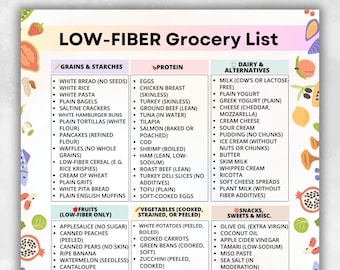
- White bread, white rice, white pasta
- Lean meats: chicken, turkey, fish, lean beef
- Eggs and dairy: milk, yogurt, cheese
- Canned or cooked fruits: peaches, pears, applesauce
- Cooked or peeled vegetables: carrots, zucchini, green beans
- Broth and soups without seeds or chunks
- Simple snacks: gelatin, rice cakes, custard
Preparation Tips
- Cook vegetables until very soft to ease digestion
- Peel fruits to remove skins and reduce fiber
- Avoid seeds, nuts, and whole grains in all meals
- Use mild seasonings to keep meals gentle on the gut
- Prepare meals in advance to save time and reduce stress
- Eat smaller, frequent meals instead of large portions
Cooking Techniques For Low Residue
Cooking for a low residue diet means choosing the right techniques to reduce fiber and ease digestion. The goal is to prepare meals that are gentle on the digestive system while still tasty and satisfying. Proper cooking can break down tough fibers and remove irritants, making foods easier to digest.
Simple adjustments in cooking methods can make a big difference. Focus on softening foods and avoiding ingredients that cause discomfort. Enhancing flavor without adding fiber keeps meals enjoyable and suitable for your diet.
Best Cooking Methods
- Boiling softens vegetables and meats, making them easier to digest.
- Steaming preserves nutrients while breaking down fiber gently.
- Poaching cooks food slowly in liquid, keeping it tender and moist.
- Baking or roasting without skin reduces fiber content.
- Straining soups and sauces removes solid bits that add fiber.
Avoiding Irritants
- Skip spicy seasonings like chili or black pepper.
- Avoid fried or greasy foods that upset the stomach.
- Remove seeds, skins, and membranes from fruits and vegetables.
- Limit use of whole grains or nuts in recipes.
- Choose mild herbs like parsley or basil instead of strong spices.
Flavor Without Fiber
Enhance dishes using broth, lemon juice, and mild herbs. These add taste without extra fiber. Use small amounts of salt and gentle spices to keep flavors balanced. Cooking with garlic-infused oil adds aroma without adding fibrous bits. Fresh herbs, like thyme or rosemary, bring flavor and freshness. Simple sauces made from strained vegetables can boost taste without residue.
Common Mistakes To Avoid
Following a low residue diet menu can be tricky, especially if you don’t know what to watch out for. Many people make avoidable mistakes that can lead to discomfort or even worsen symptoms. Knowing these common pitfalls will help you stick to your plan effectively and keep your digestive system calm.
Hidden High-fiber Foods
Fiber can sneak into your meals in unexpected ways. Foods like whole grain bread, certain cereals, and even some canned vegetables might contain more fiber than you realize. Always check labels carefully and remember that seeds, nuts, and dried fruits are typically high in fiber and should be avoided.
Have you ever thought that a seemingly simple fruit like an apple could disrupt your low residue diet? The skin and seeds carry fiber, so peeling and removing seeds is crucial. Small adjustments like these make a big difference.
Portion Control
Eating low residue doesn’t mean you can eat unlimited amounts. Large portions can overload your digestive system. Try to eat smaller, more frequent meals instead of a few big ones.
Pay attention to how your body reacts after meals. Sometimes even allowed foods in excess can cause bloating or discomfort. Are you sure your portion sizes are helping your digestive health?
Hydration Importance
Drinking enough fluids matters a lot on a low residue diet. Water helps keep things moving smoothly and prevents constipation. Avoid sugary drinks and caffeine, which can irritate your gut.
Try to drink water consistently throughout the day rather than chugging it all at once. You might notice better digestion and less discomfort just by adjusting how and when you hydrate.
Frequently Asked Questions
What Is A Low Residue Diet Menu?
A low residue diet menu includes foods that reduce fiber and waste in the digestive tract. It helps minimize bowel movements and ease digestive symptoms. Common foods are refined grains, cooked vegetables, and lean proteins. This diet is often recommended before colonoscopy or during digestive flare-ups.
Which Foods Are Allowed On A Low Residue Diet?
Allowed foods include white bread, white rice, cooked vegetables without skins, eggs, and lean meats. Dairy is limited to small amounts of milk or yogurt. Avoid whole grains, nuts, seeds, raw fruits, and tough meats to reduce fiber intake and digestive workload.
How Does A Low Residue Diet Help Digestion?
It reduces fiber intake, which lowers stool size and frequency. This eases symptoms like diarrhea, cramping, and bloating. The diet gives the bowel time to heal during conditions like Crohn’s disease, ulcerative colitis, or after surgery.
Can I Eat Fruits On A Low Residue Diet?
Yes, but only peeled, cooked, or canned fruits without seeds or skins. Examples include applesauce, ripe bananas, and canned peaches. Avoid raw, fibrous, or seeded fruits as they increase residue and may worsen symptoms.
Conclusion
A low residue diet menu helps reduce bowel irritation. It includes simple, easy-to-digest foods. This diet supports healing and comfort during digestive issues. Choose meals with low fiber and soft textures. Drink plenty of fluids to stay hydrated. Plan your meals with care for best results.
Stick to the diet as advised by your doctor. Small changes make a big difference. Keep meals balanced and varied for good nutrition. Following this menu can ease symptoms and improve well-being.







