
Are you struggling to get the gym equipment you need for your health? A Letter of Medical Necessity could be the key to making it happen.
This simple document can help you prove that certain equipment is essential for your treatment or recovery. Understanding how to write and use this letter might be the difference between access and denial. Keep reading to discover how you can secure the support you need to improve your well-being with the right gym equipment.
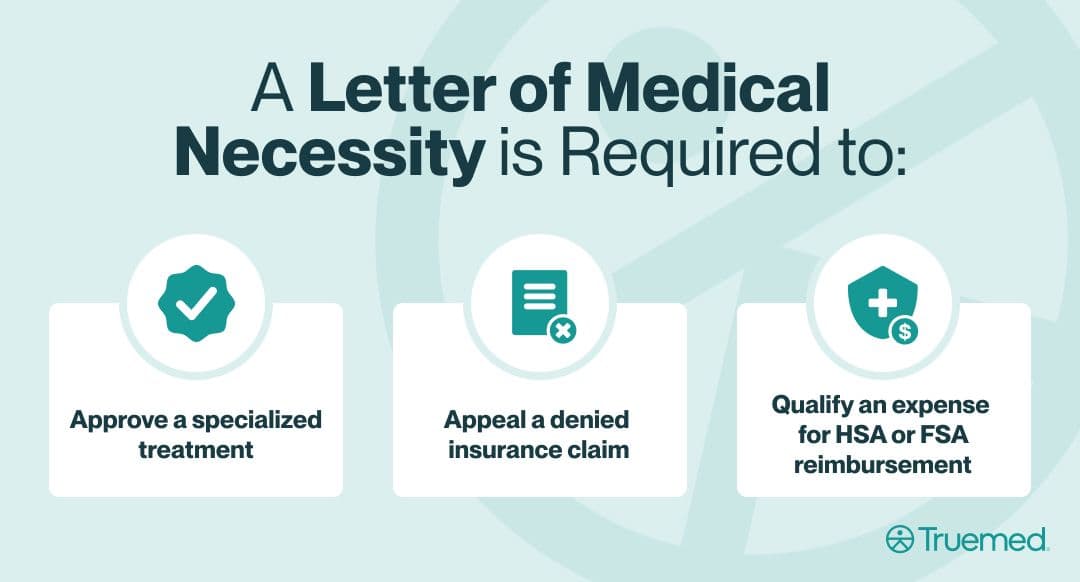
Credit: www.truemed.com
Purpose Of A Medical Necessity Letter
A Letter of Medical Necessity (LMN) serves a crucial role when you need gym equipment for health reasons. It explains why specific equipment isn’t just a luxury but a required part of your treatment or rehabilitation. This letter helps insurance companies understand your condition and why covering this equipment makes sense.
Without a well-crafted LMN, you might face denied claims or delays. Have you ever wondered what exactly makes these letters so important? Understanding their purpose can make your request more effective.
Key Components
The letter must clearly state your medical condition and explain how the gym equipment will aid your recovery or daily function. It should include detailed information on:
- Your diagnosis:Precise medical terms backed by tests or doctor’s notes.
- Treatment goals:How the equipment supports therapy or prevents further complications.
- Specific equipment details:Why this particular machine or device is necessary.
- Duration and frequency of use:How often and how long you’ll be using the equipment.
Including these elements makes the letter persuasive and hard to dispute.
Who Writes It
Your healthcare provider typically writes the Letter of Medical Necessity. This could be your primary care physician, physical therapist, or specialist familiar with your condition. They base the letter on your medical history and treatment plan.
Sometimes, the provider might consult with you to understand your daily challenges better before drafting the letter. Have you discussed your needs openly with your doctor? Their insight is essential to make the letter convincing and tailored to your unique situation.
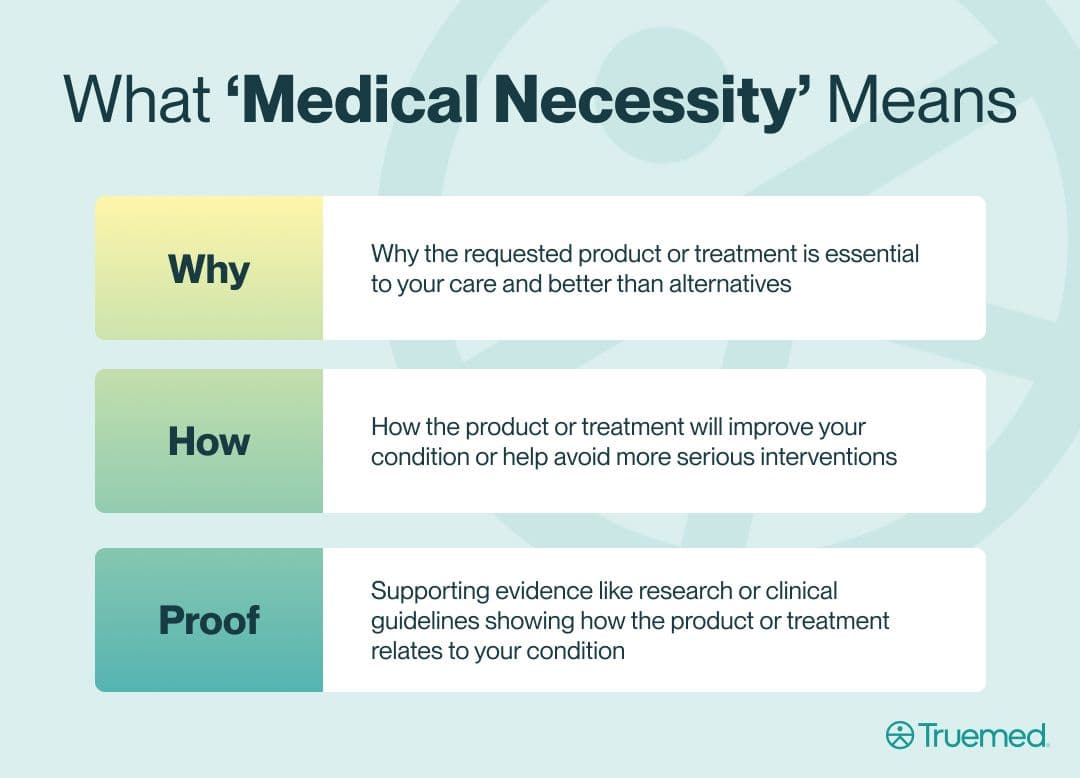
Credit: www.truemed.com
Types Of Gym Equipment Covered
Common gym equipment covered includes treadmills, stationary bikes, and elliptical machines. These devices help improve mobility and support physical therapy needs. A clear letter of medical necessity explains why specific equipment is essential for health recovery.
Navigating the process of obtaining a Letter of Medical Necessity for gym equipment can feel daunting. Yet, understanding the types of gym equipment that may be covered can ease your journey. Whether you’re looking to improve cardiovascular health, build strength, or recover from an injury, certain gym equipment might just be what your doctor orders.Cardio Machines
Cardio machines are often at the top of the list for medical necessity. Treadmills, stationary bikes, and elliptical machines can significantly enhance cardiovascular health. If you’re managing conditions like obesity or heart disease, these machines can be lifesavers. Have you ever imagined a doctor’s prescription including a treadmill? It’s more common than you might think.Strength Training Gear
Strength training gear, such as resistance bands and weights, can also be included. These tools are essential for improving muscle mass and bone density. If you’ve been advised to manage osteoporosis or muscle atrophy, strength equipment can make a crucial difference. What strength goals has your doctor set for you?Rehabilitation Devices
Rehabilitation devices are indispensable for those recovering from injuries or surgeries. Equipment like balance boards and therapy balls aid in regaining mobility. Consider the journey of someone recovering from knee surgery; a simple balance board can play a pivotal role in their rehabilitation. Is there a device that could help you or a loved one in recovery? Understanding which gym equipment could be covered by a Letter of Medical Necessity empowers you. It enables you to make informed decisions about your health journey. Remember, the right equipment can be transformative.Benefits Of Gym Equipment For Health
Gym equipment offers many health benefits for people of all ages. It helps improve strength, flexibility, and endurance. Using gym tools regularly supports overall well-being and reduces health risks. These benefits are especially important for those with medical needs or physical challenges.
Chronic Condition Management
Gym equipment helps manage chronic conditions like arthritis, diabetes, and heart disease. It allows gentle exercise that improves blood flow and reduces pain. Regular use can lower blood sugar and improve heart health. Exercise on gym machines supports better daily functioning and independence.
Physical Therapy Support
Many people use gym equipment as part of physical therapy. Machines provide controlled movement to rebuild strength after injury or surgery. They help improve balance, coordination, and muscle tone. Safe exercise with gym tools speeds recovery and prevents future injuries.
Mental Health Improvement
Exercise with gym equipment boosts mood and reduces stress. Physical activity releases endorphins, which improve mental clarity and reduce anxiety. Using gym tools regularly can help fight depression and improve sleep quality. It creates a positive routine that supports mental wellness.
Steps To Request A Medical Necessity Letter
Requesting a Letter of Medical Necessity for gym equipment involves clear steps. This letter helps prove the need for specific equipment due to health reasons. Following these steps improves your chances of approval by insurance companies.
Consulting Healthcare Providers
Start by talking to your doctor or therapist. Explain your condition and the gym equipment you need. Ask if they believe the equipment will help your health. A healthcare provider’s support is crucial for the letter.
They will evaluate your health and suggest the best equipment. Their professional opinion forms the basis of the letter. Make sure to discuss all your symptoms and limitations clearly.
Documenting Medical History
Collect all medical records related to your condition. Include test results, previous treatments, and therapy notes. These documents back up your need for gym equipment.
Write down how your condition affects daily activities. Note any difficulties in movement or pain during exercise. This information strengthens the case for medical necessity.
Submitting Insurance Claims
Attach the Letter of Medical Necessity with your insurance claim. Include all supporting medical documents and receipts. Follow your insurer’s guidelines carefully to avoid delays.
Check if your insurer requires specific forms or formats. Keep copies of everything you submit for your records. Track your claim’s progress and respond promptly to any requests.
Tips For Writing An Effective Letter
Writing a Letter of Medical Necessity for gym equipment requires clarity and precision. You want to convince insurance providers that the equipment is essential for your health. A well-crafted letter can make the difference between approval and denial.
Clear Medical Justification
Start by explaining your medical condition clearly. Describe how your condition limits your daily activities or physical abilities. Avoid vague statements; instead, pinpoint specific symptoms or challenges that the gym equipment will help manage.
Think about how you would explain your needs to a friend or family member. What would you emphasize to help them understand why this equipment is not just a want, but a need? Use simple and direct language to make your case strong.
Detailed Equipment Description
Provide a thorough description of the gym equipment you need. Include the brand, model, and specific features that make it suitable for your condition. Explain why this particular equipment is necessary compared to other options.
Imagine the reviewer has never seen the equipment before. What details would help them understand its function and benefits? You can also mention if the equipment has adjustable settings or special support features that address your medical needs.
Supporting Documentation
Attach all relevant medical records, test results, and doctor’s notes that back up your request. These documents add credibility and help insurance companies verify your claims quickly. Make sure the documents are organized and easy to follow.
Have you included a letter from your healthcare provider? Their professional opinion can be a powerful part of your case. Clear, supportive documentation often speeds up the approval process and reduces the chance of additional questions.
Insurance Approval Process
Getting insurance approval for gym equipment through a Letter of Medical Necessity can feel like navigating a maze. Understanding the insurance approval process is key to increasing your chances of success. It’s not just about having the right equipment but proving why you truly need it for your health.
Common Requirements
Insurance companies often require detailed documentation before approving gym equipment. Your Letter of Medical Necessity must clearly state the medical reasons why this equipment is essential for your treatment or rehabilitation.
Typical requirements include:
- A doctor’s prescription or recommendation specifying the type of equipment
- Medical records supporting your diagnosis and treatment plan
- Proof that the equipment improves your condition or prevents further deterioration
- Details on why standard treatments or equipment won’t suffice
Did your doctor explain how this equipment fits into your daily therapy? If not, ask them to provide a thorough explanation. This can make your case stronger and reduce the risk of denial.
Appealing Denials
If your claim gets denied, don’t lose hope. Many denials happen because the insurance company didn’t get enough information or misunderstood your medical needs.
To appeal successfully:
- Request a detailed explanation for the denial
- Gather any missing documents or additional letters from your healthcare provider
- Highlight how the equipment directly impacts your health outcomes
- Submit your appeal promptly, following your insurer’s guidelines
Have you ever thought about how persistence and clear communication with your insurer could change the outcome? Sometimes, a well-crafted appeal letter supported by your doctor’s detailed input is all it takes to turn a denial into an approval.
Maximizing Health Benefits With Equipment
Maximizing health benefits with gym equipment starts with understanding how to use the tools effectively and safely. Simply having the right equipment isn’t enough; your approach to using it shapes your results. Tailoring your routine and tracking your progress will keep you motivated and ensure you’re meeting your health goals.
Proper Usage Guidelines
Using gym equipment correctly prevents injuries and boosts effectiveness. Always read the manual or ask a professional to demonstrate proper techniques before starting. Small adjustments, like correct posture or resistance levels, can make a big difference in outcomes.
Pay attention to your body’s signals. If something feels uncomfortable or painful, stop immediately and reassess your form or settings. Remember, consistency matters more than intensity, especially when building new habits.
Combining With Other Therapies
Gym equipment works best when paired with other therapies such as physical therapy, massage, or stretching. These therapies can address underlying issues and improve your overall mobility and strength.
Think about your health as a puzzle—how can gym equipment fit into your existing treatments? You might find that using a treadmill alongside regular physical therapy accelerates your recovery. Talk to your healthcare provider about the best mix for you.
Tracking Progress
Keeping track of your progress helps you stay accountable and notice improvements you might otherwise miss. Use a journal, app, or simple chart to record your workouts, duration, and how you feel afterward.
Tracking also highlights what’s working and what isn’t, allowing you to adjust your routine. Have you ever realized you were pushing too hard or not enough just by reviewing your notes? That insight can save you from setbacks and keep you moving forward.

Credit: www.truemed.com
Frequently Asked Questions
What Is A Letter Of Medical Necessity For Gym Equipment?
A Letter of Medical Necessity (LMN) is a document from a healthcare provider. It explains why specific gym equipment is essential for a patient’s medical condition or rehabilitation.
Who Can Write A Letter Of Medical Necessity?
A licensed healthcare professional such as a doctor, physical therapist, or specialist can write an LMN. It must detail the medical need for the gym equipment.
Why Is A Letter Of Medical Necessity Important?
An LMN helps insurance companies understand why gym equipment is needed. It increases the chances of insurance coverage or reimbursement for the equipment.
What Details Should Be Included In The Letter Of Medical Necessity?
The LMN should include the patient’s diagnosis, prescribed equipment, treatment goals, and how the equipment aids recovery or health improvement.
Conclusion
A letter of medical necessity helps explain why gym equipment is needed. It supports your request for insurance coverage clearly. Doctors write these letters to show medical reasons behind the need. A good letter can make a big difference in approval chances.
Always include detailed information and proper medical terms. Keep the letter simple but informative for easy understanding. This step can improve access to helpful fitness tools. Taking time to prepare the letter carefully is important. It shows your commitment to better health and recovery.







