
Are you ready to transform your legs and boost your strength? Legs exercise at the gym is one of the best ways to build power, improve balance, and shape your lower body.
Whether you want to tone your muscles, increase endurance, or simply feel stronger every day, the right leg workouts can make a huge difference. You’ll discover simple yet effective exercises that fit your routine and help you see real results fast.
Get ready to take your leg training to the next level and unlock your full potential!
Benefits Of Leg Workouts
Strong leg workouts build muscle and improve balance. They boost metabolism and support overall fitness for daily activities. Regular leg exercises enhance endurance and help prevent injuries.
Leg workouts are often underrated in fitness routines, yet their benefits are immense and multifaceted. Whether you’re a seasoned athlete or just starting out, focusing on your legs can transform your overall fitness. Strong legs not only support your body but also contribute to a healthier lifestyle.Improved Strength And Endurance
Building leg strength is essential for everyday activities. Whether it’s climbing stairs or carrying groceries, strong legs make these tasks easier. With regular leg workouts, you’ll notice improved endurance, allowing you to perform physical activities for longer periods without fatigue.Enhanced Muscle Tone
Who doesn’t want well-defined legs? Leg exercises target major muscle groups like quadriceps, hamstrings, and calves, enhancing their tone. This not only improves appearance but also boosts confidence in your physical abilities.Boosted Metabolism And Fat Burn
Did you know that working out your legs can increase your metabolism? Engaging large muscles in your legs requires more energy, leading to higher calorie burn. This helps in shedding excess weight and maintaining a healthy body composition.Better Balance And Stability
Strong legs contribute significantly to balance and stability. This is crucial for preventing falls and injuries, especially as you age. Exercises like squats and lunges improve coordination, making daily movements more stable and secure. Incorporating leg workouts into your routine can be a game changer. Have you considered how strong legs could impact your daily life? Start today and feel the difference.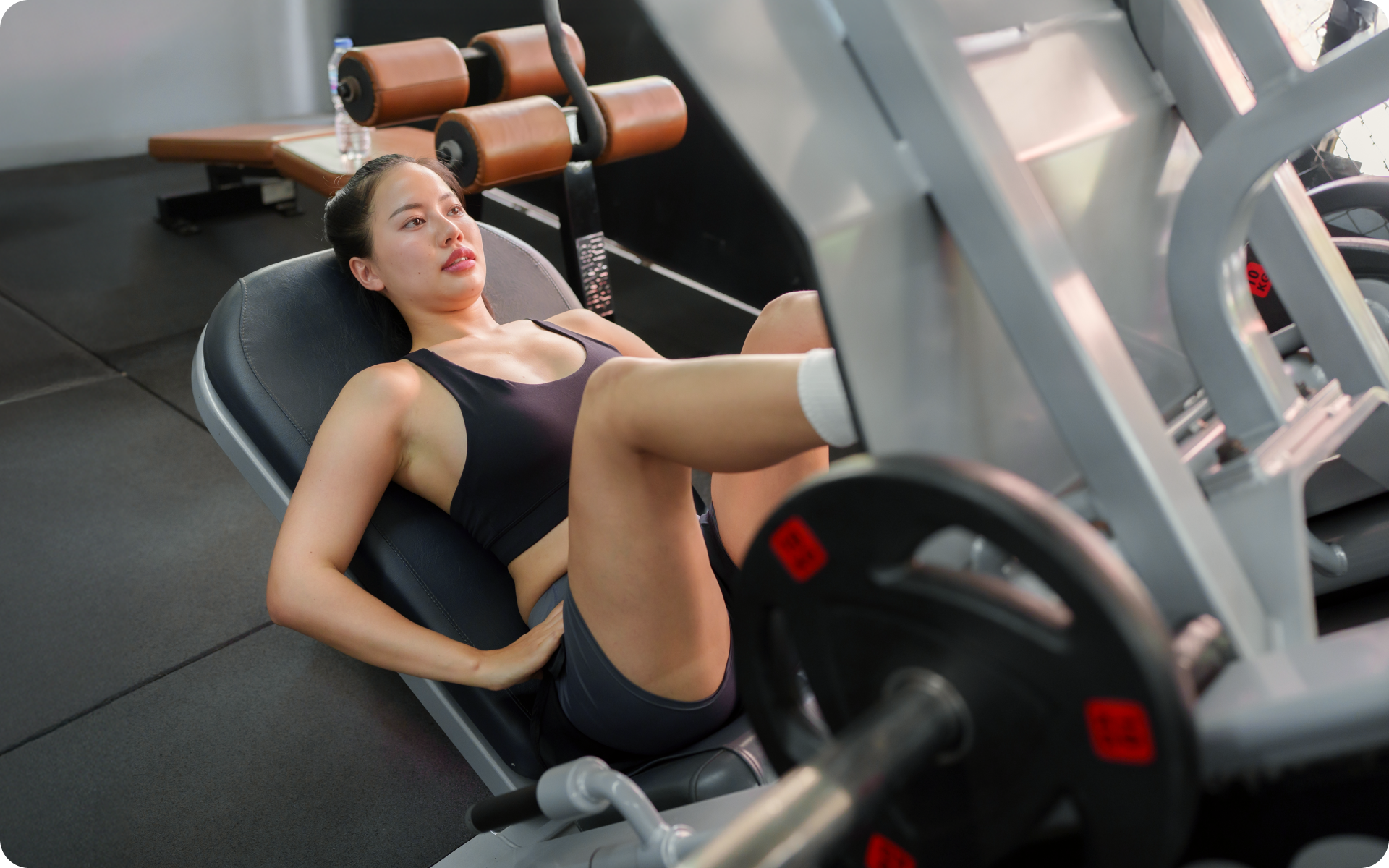
Credit: betterme.world
Key Muscles Targeted
Understanding which muscles you target during leg exercises can help you train smarter and see better results. Each major muscle group plays a unique role in your movement and strength. Focusing on the key muscles below will improve your performance and help prevent injury.
Quadriceps
The quadriceps are the large muscles at the front of your thighs. They power movements like squatting, lunging, and jumping. Strengthening your quads not only boosts your leg strength but also supports knee stability.
Think about the last time you climbed stairs quickly or pushed off during a sprint. That strength comes mainly from your quads. Including exercises like leg presses or front squats will directly target this group.
Hamstrings
Located at the back of your thighs, the hamstrings balance out the quads by allowing you to bend your knees and extend your hips. These muscles are essential for running, deadlifting, and even walking.
Ignoring hamstring training can lead to muscle imbalances and increase injury risk. Try Romanian deadlifts or hamstring curls to keep these muscles strong and flexible.
Glutes
Your glute muscles—especially the gluteus maximus—are the powerhouse of your lower body. They help with hip extension, rotation, and overall stability.
Strong glutes improve posture and athletic performance. Exercises like hip thrusts, Bulgarian split squats, or step-ups will activate these muscles effectively.
Calves
The calves, made up of the gastrocnemius and soleus muscles, support ankle movement and balance. These muscles take a beating during running, jumping, and even standing for long periods.
Calf raises and jump rope workouts are simple ways to keep these muscles strong and resilient. How often do you actively train your calves compared to other leg muscles?
Top Gym Exercises For Legs
Your legs carry you through every part of your day, so making them stronger and more resilient pays off big time. Focusing on the right gym exercises helps build muscle, improve balance, and boost overall performance.
Here are some top exercises that target your legs effectively. Each one hits different muscles and challenges your body in unique ways. Which ones have you tried, and how did they change your workout?
Squats Variations
Squats are a foundation for leg strength, but mixing up the variations keeps your muscles guessing. Try goblet squats, sumo squats, or Bulgarian split squats to target different muscle groups.
Adding weights or adjusting your stance can increase the challenge. Have you noticed how your balance and core stability improve when you switch up your squat style?
Lunges And Step-ups
Lunges and step-ups are excellent for building single-leg strength and coordination. Walking lunges, reverse lunges, and lateral lunges each activate your legs differently.
Step-ups mimic real-life movements like climbing stairs, making them practical and effective. Do you track your form to avoid knee strain during these exercises?
Leg Press Machine
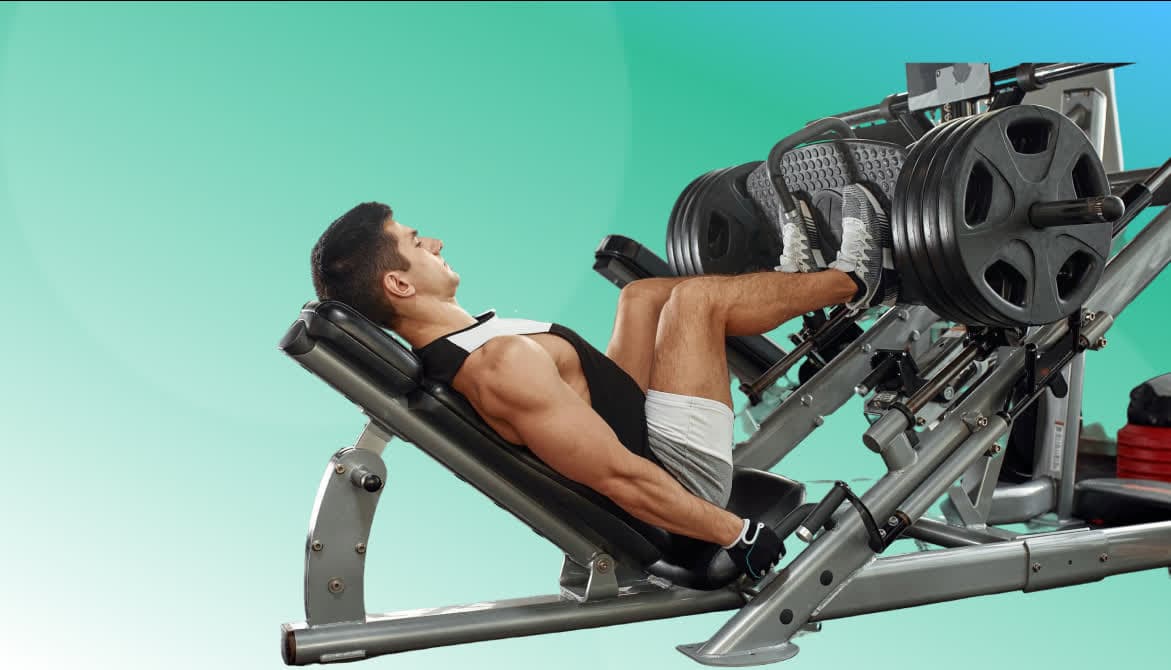
The leg press machine allows you to lift heavier weights safely, focusing on quads, hamstrings, and glutes. Adjust your foot placement to emphasize different muscles.
This machine is great when you want to push strength without worrying about balance. How do you set your foot position to target your weak points?
Deadlifts
Deadlifts target your hamstrings, glutes, and lower back all at once. Romanian deadlifts and stiff-legged deadlifts help isolate the hamstrings more.
They demand proper form to avoid injury, so start light and build up. Have you experienced how deadlifts boost your overall strength and posture?
Calf Raises
Don’t forget your calves—they support your whole body weight and improve your running and jumping ability. Standing and seated calf raises hit different parts of the calf muscles.
Try adding pauses at the top of the movement for extra burn. How often do you include calf work in your leg routine?
Credit: www.jefit.com
Designing An Effective Leg Routine
Designing an effective leg routine helps build strength, improve balance, and boost overall fitness. A well-planned workout targets all major leg muscles. This includes quads, hamstrings, glutes, and calves. Proper structure reduces injury risk and maximizes results. Focus on warm-up, exercise sets, and progression for the best gains.
Warm-up And Mobility Drills
Start with light cardio to increase blood flow. Follow with dynamic stretches to loosen joints and muscles. Mobility drills improve range of motion and prevent stiffness. Examples include leg swings, hip circles, and ankle rolls. Spend 5 to 10 minutes warming up to prepare your legs.
Sets, Reps, And Rest Periods
Choose sets and reps based on your goal. For strength, perform 3 to 5 sets of 4 to 6 reps. For endurance, aim for 2 to 4 sets of 12 to 15 reps. Rest periods vary: longer breaks for strength (1.5 to 3 minutes), shorter for endurance (30 to 60 seconds). Adjust as needed to maintain proper form.
Balancing Strength And Endurance
Include exercises that build power and stamina. Combine heavy lifts like squats with lighter, higher-rep moves. This mix enhances muscle size and endurance. Balance helps legs perform better in daily activities and sports. Rotate focus weekly to avoid plateaus and keep workouts fresh.
Progressive Overload Techniques
Increase weight gradually to challenge muscles. Add more reps or sets over time. Try reducing rest periods for added intensity. Use varied exercises to target muscles differently. Track progress to stay motivated and ensure steady improvement.
Common Mistakes To Avoid
Leg exercises can transform your lower body strength, but common mistakes often hold you back or cause injury. Recognizing these pitfalls helps you train smarter and see real progress. Let’s look at some errors you should avoid to make every gym session count.
Poor Form And Posture
Using incorrect form is the fastest way to stall gains and risk injury. For example, letting your knees cave inward during squats puts undue stress on your joints. Are you paying attention to how your body moves, or just pushing weights?
Focus on keeping your spine neutral and knees aligned with your toes. If you feel discomfort in places other than your muscles, stop and reassess your posture. It’s better to lift lighter weights correctly than heavier weights poorly.
Neglecting Warm-up
Jumping straight into heavy leg exercises without warming up is a common trap. Your muscles and joints need time to prepare for the stress ahead. Have you ever felt stiff or tight during squats? That’s your body signaling it’s not ready.
Start with dynamic stretches or light cardio to increase blood flow. Even 5-10 minutes can reduce injury risk and improve your performance dramatically. Think of warming up as an investment in your workout quality.
Overtraining And Insufficient Recovery
More isn’t always better. Training legs every day without proper rest can lead to overuse injuries and fatigue. How many times a week do you give your leg muscles a break?
Muscles grow during recovery, not during workouts. Allow 48-72 hours between intense leg sessions and pay attention to soreness or persistent fatigue. Proper sleep, nutrition, and hydration play a big role in helping your legs bounce back stronger.
Ignoring Muscle Imbalances
Focusing only on your quads while neglecting hamstrings or glutes creates imbalances that affect performance and cause pain. Have you noticed one leg feels stronger or moves differently than the other?
Incorporate exercises targeting all major leg muscles evenly. Single-leg movements like lunges or step-ups can highlight and help correct weaknesses. Balanced legs not only improve aesthetics but also prevent injuries down the road.

Credit: www.womenshealthmag.com
Nutrition Tips For Leg Growth
Nutrition plays a key role in building stronger, bigger legs. Muscles need the right fuel to grow and recover after workouts. Eating smart supports your leg exercises and helps you see results faster.
Focus on balanced meals that include protein, carbs, and fats. Proper hydration and timing of meals also impact muscle growth. Certain supplements can give extra support when combined with a good diet.
Protein Intake
Protein repairs and builds muscle tissue. Aim for lean sources like chicken, fish, eggs, and beans. Try to eat protein with every meal. This keeps your body supplied with amino acids for muscle growth.
- Consume 1.2 to 2 grams of protein per kilogram of body weight daily.
- Include protein shakes if meals lack enough protein.
- Spread protein intake evenly throughout the day.
Hydration
Water supports muscle function and recovery. Dehydration can reduce strength and delay growth. Drink water before, during, and after your leg workouts.
- Aim for at least 8 cups of water daily.
- Increase intake on workout days.
- Include electrolyte drinks if training intensely.
Pre- And Post-workout Nutrition
Eating before workouts fuels your muscles. Choose carbs and protein for energy and stamina. After workouts, protein and carbs help repair and replenish muscles.
| Timing | Food Type | Examples |
|---|---|---|
| Pre-Workout (30-60 min) | Carbs + Protein | Banana with peanut butter, yogurt, oatmeal |
| Post-Workout (within 1 hour) | Protein + Carbs | Grilled chicken with rice, protein shake with fruit |
Supplements To Consider
Supplements can help but are not a must. Protein powder aids muscle repair. Creatine improves strength and workout performance. Branched-chain amino acids (BCAAs) reduce muscle soreness.
- Choose supplements from reputable brands.
- Follow recommended doses carefully.
- Consult a healthcare provider before starting any supplement.
Tracking Progress And Staying Motivated
Tracking your progress and staying motivated are key to making real gains from your legs exercise routine at the gym. Without clear markers of improvement, it’s easy to lose focus or feel stuck. Keeping an eye on your achievements can turn workouts from a chore into a rewarding challenge.
Setting Realistic Goals
Start by defining what you want to achieve with your leg workouts. Whether it’s increasing squat weight, improving endurance, or toning muscles, your goals should be specific and doable.
For example, aiming to add 10 pounds to your leg press in a month is more effective than a vague goal like “get stronger.” Realistic goals help you measure progress and prevent burnout. Ask yourself: Are my goals challenging yet achievable?
Using Workout Logs
Keep a workout log to record exercises, weights, reps, and sets. This simple habit makes it easier to spot progress and areas needing improvement.
Writing down your stats each session can reveal patterns, like which exercises yield the best results. I once tracked my leg curl weights weekly and saw steady growth that kept me motivated. What details can you start logging today to track your leg day journey?
Incorporating Variety
Doing the same leg exercises repeatedly can stall progress and kill motivation. Mixing in new movements or changing your routine prevents boredom and challenges your muscles differently.
Try swapping lunges for step-ups or using resistance bands instead of machines sometimes. Variety also reduces injury risk by balancing muscle use. How can you add fresh exercises to your next leg workout?
Celebrating Milestones
Don’t wait until you hit a big goal to celebrate. Small wins deserve recognition, like increasing reps or improving form.
Mark these milestones by treating yourself or sharing your success with friends. Positive reinforcement fuels motivation and builds confidence. What recent leg workout achievement can you celebrate today?
Frequently Asked Questions
What Are The Best Leg Exercises In The Gym?
Squats, lunges, leg press, and deadlifts are top gym leg exercises. They target quads, hamstrings, glutes, and calves effectively, building strength and muscle.
How Often Should I Train Legs In The Gym?
Train legs 2-3 times per week for optimal growth and recovery. Allow 48 hours between sessions to avoid overtraining and injury.
Can Leg Exercises Improve Overall Fitness?
Yes, leg exercises boost endurance, balance, and core strength. Strong legs enhance athletic performance and support daily movements efficiently.
What Equipment Is Best For Leg Workouts At The Gym?
Use barbells, dumbbells, leg press machines, and resistance bands. These tools provide varied resistance to target all leg muscles effectively.
Conclusion
Strong legs help you move better and stay healthy. Regular gym exercises build muscle and improve balance. Start with simple moves and increase your effort over time. Consistency matters more than speed. Remember to rest and eat well for best results.
Stay patient and enjoy your progress. Strong legs support an active and happy life. Keep going!







