
Unlocking the full potential of your leg muscles can transform your fitness journey, and it all starts with the right leg routine workout. Imagine feeling stronger, faster, and more confident in every step you take.
This isn’t just a dream—it’s within your reach. Whether you’re aiming to enhance your athletic performance or simply want to feel more comfortable in your own skin, the perfect leg workout is your secret weapon. Picture yourself powering through your day with newfound energy and strength.
Curious about how a well-structured leg routine can make all this happen? Keep reading, because you’re about to discover the key to elevating your fitness game to the next level.

Credit: www.youtube.com
Benefits Of A Strong Leg Routine
Building a strong leg routine offers more than just toned muscles. It lays the foundation for your overall fitness and daily movement. Strengthening your legs can improve various aspects of your physical health and performance.
Improved Strength And Power
Strong legs provide the power you need for everyday tasks and workouts. Whether lifting heavy objects or climbing stairs, your legs carry the load efficiently. I noticed my energy levels during runs increased significantly after focusing on leg strength.
Adding squats and lunges to your routine can boost your ability to generate force quickly. This strength translates into better performance in activities like jumping or sprinting.
Enhanced Muscle Growth
Leg workouts stimulate large muscle groups like quads, hamstrings, and glutes. Training these muscles promotes noticeable growth and improves your body shape. When you target these areas, your metabolism can also get a helpful boost.
Have you tried mixing heavy weights with higher reps? This combo often leads to better muscle gains and endurance.
Better Athletic Performance
Leg strength plays a crucial role in sports and physical activities. Improved balance, speed, and agility come from consistent leg training. After adding leg days, many athletes find themselves moving more explosively and with greater control.
Think about how much faster and more stable you could be in your favorite sport by focusing on your leg muscles.
Injury Prevention
Strong legs help protect your joints and lower back by providing better support. Weak leg muscles often lead to poor movement patterns, increasing injury risk. I avoided a knee injury by dedicating time to building leg strength and stability.
Exercises like deadlifts and step-ups strengthen muscles around vulnerable areas, reducing strain during daily activities.

Credit: fitclub.in
Key Leg Muscles To Target
Targeting the right leg muscles can dramatically improve your workout results. Understanding each muscle’s role helps you choose the best exercises and avoid imbalances. Let’s break down the key leg muscles you should focus on to build strength, improve stability, and enhance overall performance.
Quadriceps
The quadriceps are the large muscles at the front of your thighs. They are crucial for extending your knee and powering movements like squats and lunges.
Strong quads support knee health and improve your ability to jump and run. If you want to feel more explosive in your workouts, these muscles deserve extra attention.
Hamstrings
Located at the back of your thighs, the hamstrings help you bend your knees and extend your hips. They balance out the quads and prevent injuries.
Neglecting hamstrings can lead to muscle imbalances and increase the risk of strains. Try exercises like Romanian deadlifts or leg curls to target them effectively.
Glutes
Your glute muscles power hip extension and stabilize your pelvis. They play a major role in movements like running, climbing stairs, and even standing up.
I found that activating my glutes before leg workouts improved my squat depth and reduced lower back pain. Don’t skip exercises like hip thrusts or glute bridges.
Calves
The calves, made up of the gastrocnemius and soleus muscles, control ankle movements and support your weight when standing and moving.
Strong calves improve balance and help prevent ankle injuries. Simple calf raises can build endurance and strength here, making everyday movements easier.
Essential Leg Exercises
Building strong legs is about targeting all the key muscles for balance, power, and endurance. Essential leg exercises work your quads, hamstrings, glutes, and calves in different ways to prevent imbalances and injuries. You’ll find that mixing these exercises keeps your routine fresh and effective.
Squats Variations
Squats are the foundation of any leg workout. They engage your quads, hamstrings, glutes, and even your core. Try variations like goblet squats, sumo squats, or Bulgarian split squats to hit muscles from new angles and avoid plateaus.
Have you noticed how changing your foot position affects the muscle focus? Narrow stances target quads more, while wider stances bring the inner thighs into play. Experiment and find what feels strongest for you.
Lunges And Step-ups
Lunges and step-ups improve single-leg strength and balance, which is crucial for overall stability. Walking lunges add a dynamic element, while stationary lunges let you focus on form. Step-ups mimic real-life movements like climbing stairs, helping functional strength.
Try holding weights to increase the challenge. You’ll quickly see how these moves improve your coordination and endurance. Can you feel the difference when you switch legs?
Deadlifts For Hamstrings
Deadlifts are a powerful way to target your hamstrings and glutes while strengthening your lower back. Romanian deadlifts and stiff-legged deadlifts put more emphasis on hamstring lengthening. This helps improve flexibility and muscle control.
Keep your back straight and hinge at the hips to avoid injury. Adding deadlifts to your routine can fix imbalances that often cause knee pain. Have you tried focusing on hamstring strength lately?
Calf Raises
Calf raises might seem simple, but they’re essential for building strong lower legs and improving ankle stability. Perform them on a step to increase the range of motion and really engage the muscles. You can do them seated or standing, with or without weights.
Strong calves support better running and jumping performance. How often do you dedicate time specifically to your calves in your leg workouts?
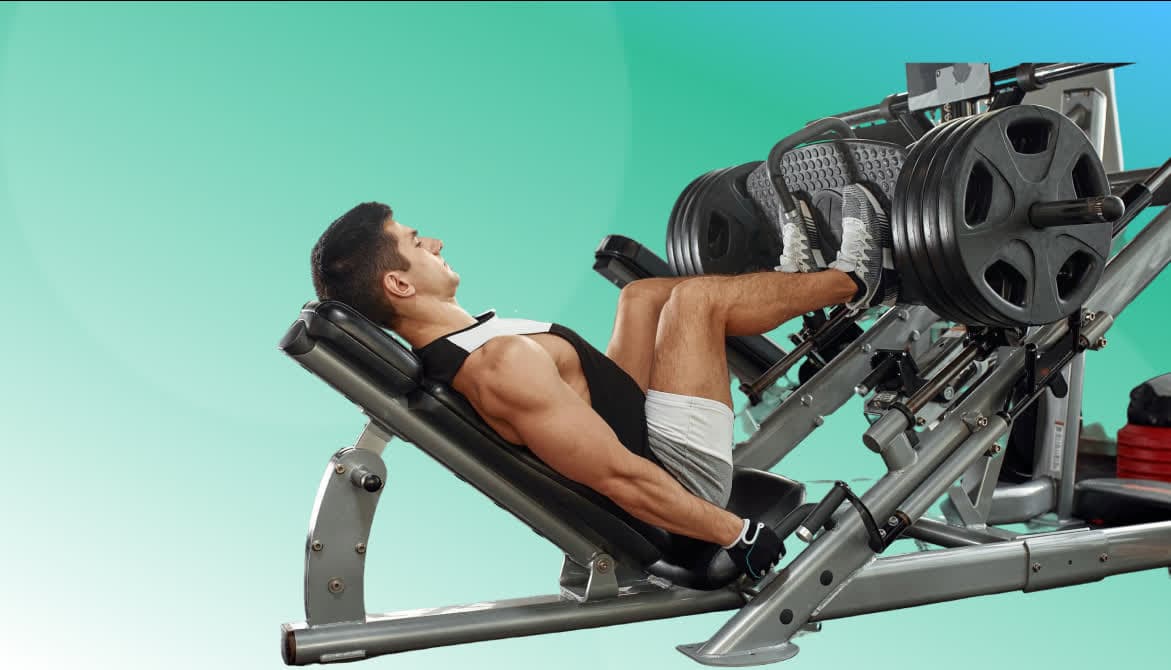
Credit: www.jefit.com
Designing Your Leg Workout
Designing your leg workout is key for building strength and muscle. A good plan targets all major leg muscles. It also fits your fitness level and goals. Focus on variety to keep progress steady and avoid injury.
Choosing The Right Exercises
Select exercises that target different leg muscles. Include movements for quads, hamstrings, glutes, and calves. Examples are squats, lunges, deadlifts, and calf raises. Use both compound and isolation exercises to balance strength and shape.
Setting Reps And Sets
Decide reps and sets based on your goal. For muscle growth, aim for 8-12 reps per set. For endurance, choose 12-20 reps. Strength training benefits from 4-6 reps. Perform 3-4 sets for most exercises to ensure enough work.
Balancing Volume And Intensity
Volume means total work done in a session. Intensity is how hard the exercise feels. Balance both to avoid burnout or plateaus. Increase weight slowly to keep challenging muscles. Mix heavy and lighter days to promote recovery and growth.
Incorporating Rest Periods
Rest lets muscles recover between sets. Short rests of 30-60 seconds suit endurance training. For strength, take longer breaks of 1-3 minutes. Adjust rest based on how you feel. Proper rest improves performance and reduces injury risk.
Advanced Training Techniques
Advanced training techniques challenge your muscles in new ways. They improve strength, endurance, and muscle growth. Using these methods in your leg routine breaks workout plateaus and keeps progress steady.
These techniques demand focus and proper form to avoid injury. Start with lighter weights to learn each method well. Gradually increase intensity as your muscles adapt.
Supersets And Drop Sets
Supersets involve doing two exercises back-to-back without rest. This saves time and increases muscle fatigue. For legs, pair exercises like squats with lunges. Drop sets mean lowering the weight after reaching muscle fatigue. Continue the set with lighter weights. This pushes muscles beyond their usual limit for growth.
Pyramid Training
Pyramid training changes the weight and reps each set. Start light with many reps. Increase weight and lower reps each set. Then reverse, reducing weight and increasing reps. This builds strength and endurance in one workout. It also prevents boredom by varying intensity.
Tempo Variations
Tempo means the speed of each movement. Control the lowering and lifting phases of an exercise. Slow down the eccentric (lowering) phase to increase muscle tension. Use a faster concentric (lifting) phase for power. Changing tempo improves muscle control and growth.
Unilateral Training
Unilateral training focuses on one leg at a time. It helps fix muscle imbalances and improves balance. Exercises like single-leg squats and step-ups work each leg separately. This increases stability and strength in both legs equally.
Common Mistakes To Avoid
A strong leg routine can transform your fitness, but common mistakes often hold you back. Avoiding these pitfalls will help you get better results and reduce injury risk. Let’s look at some frequent errors that could be limiting your progress.
Poor Form And Technique
Using incorrect form during leg exercises can cause strain and block muscle growth. For example, letting your knees cave inward during squats stresses your joints and reduces effectiveness.
Focus on controlled movements and maintain proper alignment. Recording yourself or asking a trainer for feedback can reveal hidden flaws you might miss.
Neglecting Warm-up And Cool-down
Skipping warm-ups leaves your muscles stiff and prone to injury. Simple dynamic stretches or light cardio prepares your legs for the workout ahead.
Cool-downs are just as important. Stretching after your session helps reduce soreness and improve flexibility, making your next workout easier.
Overtraining
Doing leg workouts every day without rest can lead to fatigue and injury. Your muscles need time to recover and grow stronger.
Try spacing leg days with at least 48 hours in between and listen to your body’s signals. Have you noticed persistent soreness or drop in strength? That’s a red flag to ease off.
Ignoring Muscle Imbalances
Focusing only on your quads while neglecting hamstrings or calves creates imbalances that affect performance and increase injury risk. I once ignored this and ended up with knee pain that sidelined me for weeks.
Include exercises targeting all leg muscles evenly. Balance improves stability and power, helping you move better in daily life and workouts.
Recovery Tips For Leg Growth
Recovery is just as important as the workout itself when aiming for leg growth. Without proper recovery, your muscles can’t rebuild and get stronger. Paying attention to how you recover can make a big difference in the speed and quality of your progress.
Nutrition Essentials
Your legs need fuel to grow after a tough workout. Protein is key because it helps repair muscle fibers. Aim to eat a source of protein within an hour after training, like chicken, eggs, or a protein shake.
Don’t forget about carbohydrates—they refill your energy stores. Adding complex carbs such as sweet potatoes or brown rice supports recovery and keeps you energized. Hydration matters too; drinking plenty of water aids nutrient delivery and reduces soreness.
Stretching And Mobility
After leg workouts, tight muscles can limit your progress and increase injury risk. Stretching helps release tension and improve blood flow. Spend 5-10 minutes focusing on your quads, hamstrings, calves, and hip flexors.
Mobility exercises, like hip circles or ankle rolls, keep your joints moving smoothly. I noticed that adding mobility work prevented my knees from feeling stiff after heavy squats. What areas feel tight or restricted for you after leg day?
Sleep And Rest
Muscle growth happens while you sleep, not in the gym. Aim for 7-9 hours of quality sleep each night to give your body time to repair. Lack of sleep can stall progress and increase fatigue during workouts.
Also, don’t underestimate rest days. Your legs need breaks to recover fully. If you train legs intensely three days in a row, how well do you think your muscles will actually grow?
Active Recovery Methods
Active recovery keeps blood flowing without stressing your muscles too much. Light activities like walking, cycling, or swimming on off days can speed up recovery. Foam rolling and gentle massage also reduce soreness and improve tissue health.
Try to listen to your body—sometimes it needs movement, other times complete rest. Have you noticed how a short walk after leg day can help reduce stiffness?
Sample Leg Workout Plans
Sample leg workout plans help build strength and improve muscle tone. These routines suit different fitness levels. Start with simple exercises and increase difficulty over time. Consistency is key for strong, healthy legs.
Beginner Routine
- Bodyweight squats – 3 sets of 12 reps
- Walking lunges – 3 sets of 10 reps per leg
- Glute bridges – 3 sets of 15 reps
- Calf raises – 3 sets of 20 reps
- Wall sit – Hold for 30 seconds, repeat 3 times
Intermediate Routine
- Goblet squats with dumbbell – 4 sets of 10 reps
- Reverse lunges with dumbbells – 4 sets of 12 reps per leg
- Romanian deadlifts – 4 sets of 10 reps
- Step-ups on bench – 3 sets of 12 reps per leg
- Seated calf raises – 4 sets of 20 reps
Advanced Routine
- Barbell back squats – 5 sets of 8 reps
- Bulgarian split squats – 4 sets of 10 reps per leg
- Deadlifts – 5 sets of 6 reps
- Weighted walking lunges – 4 sets of 15 reps per leg
- Standing calf raises with weights – 5 sets of 25 reps
Frequently Asked Questions
What Is The Best Leg Routine Workout For Beginners?
A beginner’s leg routine should focus on basic exercises like squats, lunges, and leg presses. Start with lighter weights and perform 3 sets of 10-12 reps. Proper form is key to prevent injury and build strength gradually.
How Often Should I Do A Leg Workout Routine?
For optimal results, perform leg workouts 2-3 times per week. Allow at least 48 hours of rest between sessions for muscle recovery. Consistency combined with rest helps improve strength and muscle growth effectively.
What Exercises Target All Leg Muscles In A Routine?
Squats, lunges, deadlifts, and calf raises target major leg muscles. These exercises work the quads, hamstrings, glutes, and calves. Including these in your routine ensures balanced leg development and improved overall strength.
Can Leg Routine Workouts Improve Athletic Performance?
Yes, leg workouts enhance muscle strength, endurance, and stability. Strong legs improve running speed, jumping ability, and balance. This directly benefits athletic performance across many sports and physical activities.
Conclusion
Strong legs support your whole body every day. This routine helps build muscle and improve balance. Stick with it to see steady progress. Rest and eat well to help your muscles grow. Keep your form correct to avoid injuries. Challenge yourself, but listen to your body.
Consistency is key for lasting results. Feel proud with each step you take forward. Your legs will thank you for the hard work.







