
Are you ready to build stronger, more powerful legs that support every move you make? Whether you want to boost your athletic performance, improve your balance, or simply look and feel better, the right leg gym exercises can make all the difference.
You’ll discover simple yet effective workouts that target your legs from every angle. Keep reading, and you’ll unlock the secrets to stronger muscles, increased endurance, and a more confident you. Don’t miss out—your best leg day starts here!
Credit: www.asphaltgreen.org
Best Leg Exercises
Building strong legs is essential for overall fitness and daily mobility. The best leg exercises target multiple muscles like quads, hamstrings, glutes, and calves, helping you build power and endurance. Choosing the right exercises can make your workouts more effective and prevent plateaus.
Squats Variations
Squats are a staple for leg strength, but switching up your squat style can keep your muscles guessing. Try front squats to put more focus on your quads or sumo squats to engage your inner thighs more. Adding weights or changing foot positions can challenge your balance and build stability.
Have you noticed how changing your squat depth affects which muscles work harder? Experiment with shallow and deep squats to find what feels best for your body.
Lunges Techniques
Lunges improve balance and target your legs differently depending on how you do them. Walking lunges add a dynamic movement that hits your glutes and quads, while reverse lunges are easier on your knees. You can hold dumbbells or a barbell to increase resistance as you progress.
Focus on keeping your knee aligned over your ankle during lunges to protect your joints. How does your form change when you add weights?
Deadlifts For Legs
Deadlifts aren’t just for your back; they are powerful for building hamstrings and glutes too. Romanian deadlifts, in particular, stretch and strengthen your hamstrings while improving hip mobility. Make sure your back stays straight and core tight to avoid injury.
Have you tried slowing down your deadlift movement to increase muscle engagement? It can make a big difference in your strength gains.
Leg Press Benefits
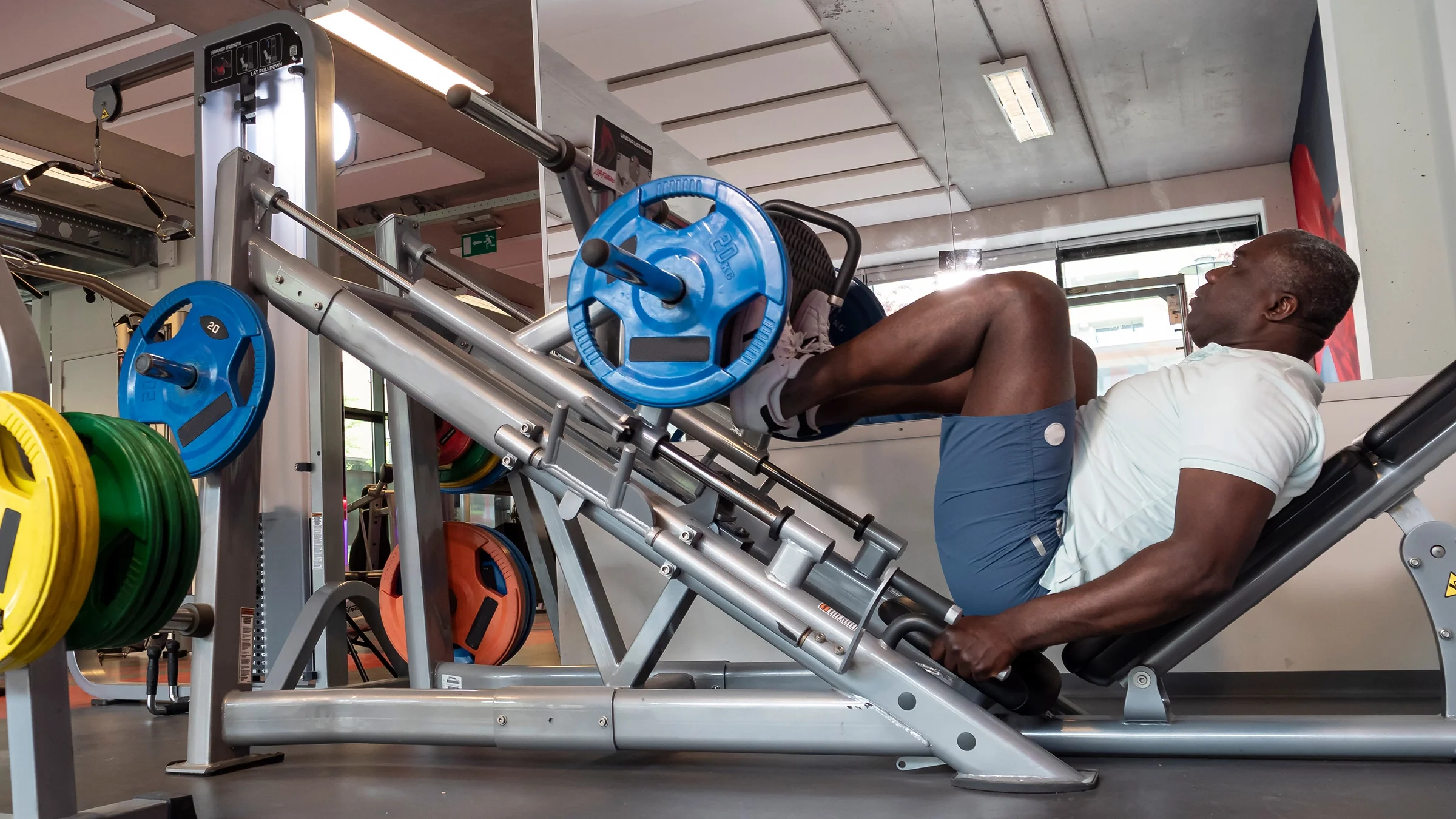
The leg press machine is great for isolating your quads and glutes without stressing your lower back too much. You can adjust your foot placement to target different parts of your legs, such as higher for glutes or lower for quads. It’s a useful tool for safely lifting heavier weights compared to free weights.
Think about how the leg press fits into your routine: does it complement your free-weight exercises or replace them on tough days?
Targeting Muscle Groups
Targeting specific muscle groups during leg workouts improves strength and balance. Each muscle plays a unique role in movement and posture. Focusing on these groups helps build a strong foundation for daily activities and sports.
Understanding how to work each muscle group ensures efficient workouts. It reduces the risk of injury and promotes overall muscle development.
Quads Focus
The quadriceps are the large muscles at the front of your thigh. They help with straightening the knee and supporting body weight. Exercises like squats and lunges target the quads well. Strong quads improve running, jumping, and climbing ability.
Hamstrings Strength
Hamstrings are at the back of the thigh. They bend the knee and extend the hip. Leg curls and deadlifts work these muscles effectively. Strengthening hamstrings prevents knee injuries and improves balance.
Glutes Activation
The glute muscles shape your hips and buttocks. They stabilize the pelvis and power hip movement. Hip thrusts and step-ups activate the glutes. Strong glutes support good posture and reduce lower back pain.
Calves Workout
Calves are the muscles at the back of the lower leg. They help lift the heel and push the body forward. Calf raises and jump rope exercises target these muscles. Well-trained calves improve running speed and ankle stability.
Equipment Essentials
Choosing the right equipment can improve your leg workouts. Each tool has unique benefits. This section explores essential equipment for leg exercises. You can build strength, balance, and endurance with the right gear.
Using Barbells
Barbells add weight to your leg exercises. They help increase muscle strength and size. Common barbell exercises include squats and lunges. Proper form is crucial to avoid injury. Start with light weights to learn the technique. Use collars to secure weights on the bar. Barbells offer great resistance for heavy lifting.
Dumbbells Tips
Dumbbells provide flexibility in leg workouts. They help improve balance and coordination. You can do step-ups, lunges, and calf raises with dumbbells. Hold them by your sides or at your shoulders. Choose a weight that challenges but does not strain. Keep movements controlled for safety and effectiveness. Dumbbells are perfect for unilateral leg training.
Resistance Machines
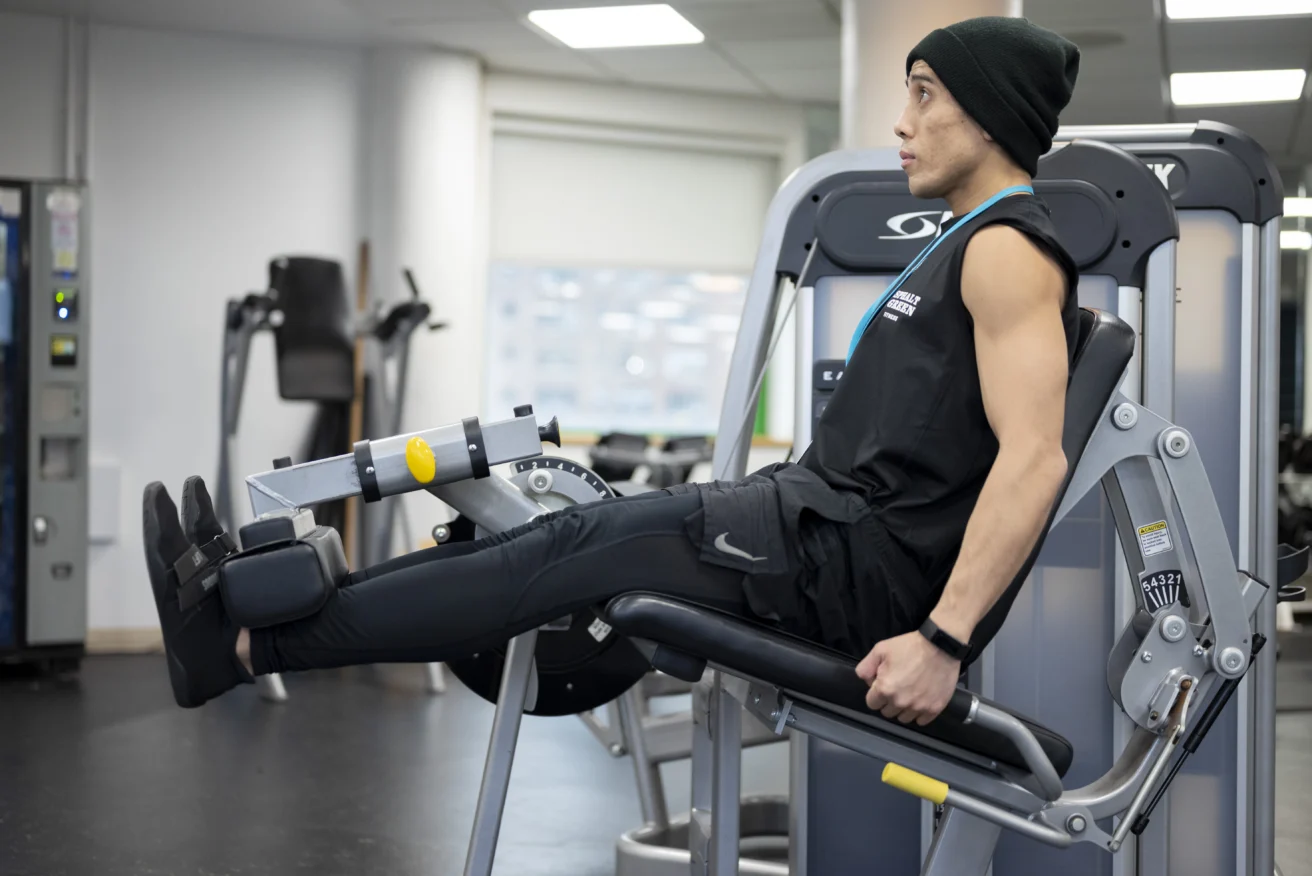
Resistance machines guide your movement for safer workouts. They target specific leg muscles like quads and hamstrings. Popular machines include leg press and leg curl. Machines suit beginners and those rehabbing injuries. Adjust the seat and weight to fit your body. Use smooth, steady motions without locking joints. Resistance machines build strength with reduced injury risk.
Bodyweight Moves
Bodyweight exercises use no equipment. They are simple but effective for leg strength. Squats, lunges, and calf raises are common moves. Perfect for home workouts or warm-ups. Focus on form and full range of motion. Add speed or reps to increase difficulty. Bodyweight moves improve endurance and muscle tone naturally.

Credit: www.womenshealthmag.com
Form And Safety
Proper form and safety are key to effective leg gym exercises. They help prevent injuries and make workouts more efficient. Focus on how you move and control your body. This improves strength and protects your joints.
Proper Posture
Stand tall with your chest up and shoulders back. Keep your feet shoulder-width apart. Align your knees with your toes during movements. Avoid letting knees collapse inward or move too far forward. Maintain a neutral spine to reduce pressure on your back. Good posture helps you lift weights safely and correctly.
Avoiding Injuries
Use weights you can handle without strain. Do not rush through exercises. Slow, controlled movements reduce injury risk. Listen to your body and stop if you feel pain. Keep your joints stable by engaging your core muscles. Use machines and equipment properly to avoid accidents.
Breathing Techniques
Breathe out during effort, such as lifting or pushing. Inhale during the easier part, like lowering the weight. Proper breathing keeps your muscles oxygenated. It helps maintain focus and reduces fatigue. Avoid holding your breath, which can cause dizziness or high blood pressure.
Warm-up And Cool-down
Start with a light warm-up to get blood flowing. Try walking, cycling, or gentle leg stretches for 5 to 10 minutes. Warm muscles perform better and are less likely to get injured. After your workout, cool down with slow stretching. This helps reduce muscle soreness and improves flexibility.
Workout Plans
Creating effective workout plans for leg gym exercises helps build strength and endurance. Structured routines guide your progress and keep motivation high. Tailored plans fit different skill levels and goals. Proper scheduling balances effort and recovery for better results.
Beginner Routines
Start with basic exercises to learn form and build strength. Focus on:
- Bodyweight squats
- Lunges
- Leg presses with light weight
- Calf raises
Perform 2 to 3 sets of 10 to 12 reps. Use slow, controlled movements. Rest for 60 seconds between sets.
Advanced Challenges
Increase weight and intensity to boost muscle growth. Try:
- Barbell squats
- Deadlifts
- Bulgarian split squats
- Weighted step-ups
Do 3 to 4 sets of 8 to 10 reps. Add techniques like drop sets or supersets. Focus on proper form to avoid injury.
Frequency And Rest
Train legs 2 to 3 times per week. Allow 48 hours of rest between sessions. Rest days help muscles repair and grow. Avoid training legs on consecutive days to prevent fatigue.
Listen to your body. Adjust rest based on soreness and energy.
Combining Cardio
Cardio improves endurance and burns extra calories. Include low-impact options like:
- Walking or light jogging
- Stationary cycling
- Elliptical training
Perform cardio 2 to 3 times a week for 20 to 30 minutes. Avoid heavy cardio on leg workout days to preserve strength. Balance cardio with strength training for best results.
Credit: www.goodrx.com
Nutrition For Leg Gains
Nutrition plays a key role in building stronger legs. Proper food helps muscles recover and grow after workouts. Fueling your body with the right nutrients supports better performance in the gym. Focused nutrition improves leg gains and overall fitness. Small changes in diet can lead to big results.
Protein Sources
Protein repairs and builds muscle tissue. Choose from lean meats like chicken and turkey. Fish such as salmon and tuna offer healthy fats too. Plant-based options include beans, lentils, and tofu. Dairy products like yogurt and cottage cheese are also good. Aim for a variety of protein sources daily.
Hydration Tips
Water keeps muscles working well during exercise. Drink water before, during, and after workouts. Avoid sugary drinks that cause energy crashes. Electrolyte drinks can help if workouts last over an hour. Staying hydrated reduces cramps and speeds recovery.
Supplements Guide
Supplements can support leg muscle growth. Creatine helps increase strength and power. Branched-chain amino acids (BCAAs) reduce muscle soreness. Whey protein boosts daily protein intake easily. Use supplements to fill gaps, not replace meals. Consult a professional before starting any supplement.
Meal Timing
Eating at the right times aids muscle repair. Have protein and carbs within 30 minutes after exercise. Small, frequent meals keep energy steady all day. Pre-workout snacks improve strength and endurance. Plan meals to support your workout schedule consistently.
Frequently Asked Questions
What Are The Best Leg Gym Exercises For Beginners?
The best leg gym exercises for beginners include squats, lunges, leg presses, and calf raises. These moves build strength safely and improve balance. Start with light weights and focus on correct form to avoid injury. Gradually increase intensity as you gain confidence.
How Often Should I Do Leg Exercises At The Gym?
For optimal results, train legs 2-3 times per week. Allow 48 hours for muscle recovery between sessions. Consistent workouts help build strength, endurance, and muscle mass. Overtraining can cause fatigue or injury, so balance is key.
Which Gym Machine Is Best For Leg Workouts?
The leg press machine targets quads, hamstrings, and glutes effectively. Leg curl and leg extension machines isolate hamstrings and quadriceps. Combining machines with free weight exercises creates a balanced leg workout routine.
Can Leg Exercises Help Reduce Thigh Fat?
Leg exercises tone muscles but don’t directly reduce thigh fat. Fat loss occurs from overall calorie deficit and full-body workouts. Combining leg strength training with cardio and healthy diet improves thigh appearance and fitness.
Conclusion
Building strong legs helps with daily activities. Leg exercises boost strength and balance. Consistent workouts improve overall health and fitness. Start with basic exercises like squats and lunges. These are simple yet effective. Slowly increase intensity for better results. Listen to your body to avoid injury.
Include variety in your routine for balanced strength. Strong legs support an active lifestyle. They enhance mobility and endurance. So, keep moving and stay active. Your legs will thank you!







