
Are you ready to build stronger, more toned legs that support your entire body? Whether you want to boost your athletic performance, improve your balance, or simply feel more confident in your jeans, leg exercises in the gym are your secret weapon.
But not all workouts are created equal. You’ll discover the most effective leg exercises that target every muscle group, helping you get the results you want faster. Keep reading to unlock the key moves that will transform your legs and elevate your fitness game.
Benefits Of Strong Legs
Strong legs improve balance and support daily activities with ease. Leg exercises in the gym build muscle, boost endurance, and reduce injury risk. They also enhance overall strength and help maintain good posture.
Strong legs are the cornerstone of a fit and balanced body. They support almost every activity you do, whether it’s running, jumping, or even just standing. Building strong legs goes beyond aesthetics, offering numerous benefits that enhance your overall health and performance.Improved Athletic Performance
With strong legs, you can take your athletic abilities to new heights. Whether you’re a runner, cyclist, or basketball player, powerful legs give you the explosive strength needed for quick sprints and high jumps. Think about the last time you pushed yourself in a sport—did you notice how much your legs contributed? By focusing on leg exercises like squats and lunges, you can significantly boost your endurance and speed.Increased Stability And Balance
Ever wobbled while trying to balance on one foot? Strong legs can help stabilize your entire body, reducing the risk of falls and injuries. Exercises that target the lower body, such as calf raises and deadlifts, improve your core stability. This is crucial not just for athletes but also in daily life, where balance is key to navigating different terrains safely.Enhanced Metabolism And Fat Loss
Leg workouts are a powerful way to rev up your metabolism. The large muscle groups in your legs burn more calories than smaller muscle groups. This means incorporating exercises like leg presses and step-ups into your routine can help you shed fat faster. Plus, strong legs contribute to better posture and overall physical appearance, motivating you to maintain a healthy lifestyle. Have you ever considered how your leg strength affects your daily life and fitness goals? Prioritizing leg exercises can transform your gym routine and provide benefits that extend far beyond the weight room.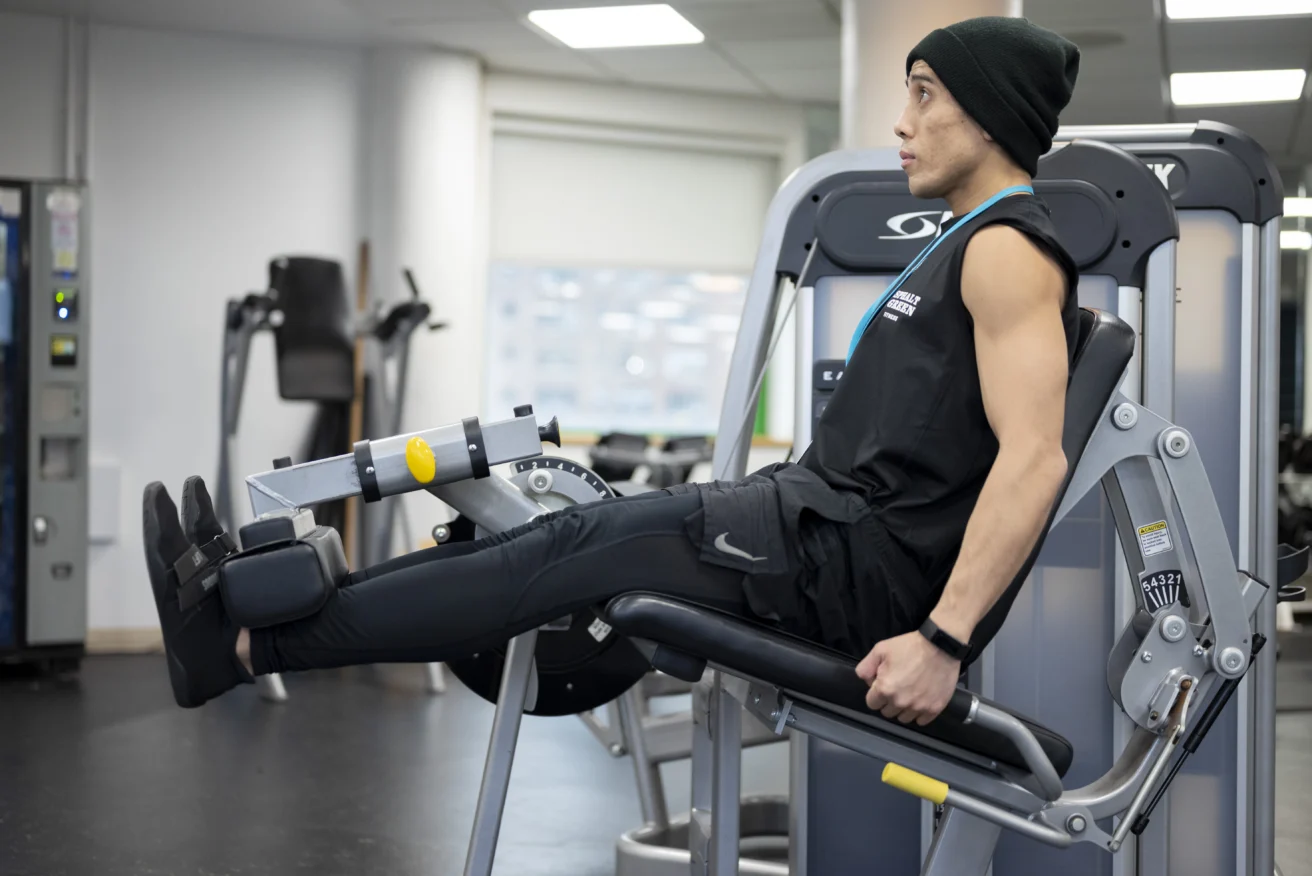
Credit: www.asphaltgreen.org
Key Muscles Targeted
Leg exercises in the gym focus on several major muscles. These muscles work together to support movement and strength. Understanding the key muscles helps you train more effectively. Each muscle group plays a unique role in leg power and stability.
Quadriceps
The quadriceps are the large muscles at the front of your thigh. They help you straighten your knee and support walking, running, and jumping. Squats and leg presses mainly target these muscles. Strong quads improve your balance and protect your knees.
Hamstrings
Hamstrings are located at the back of your thigh. They bend the knee and extend the hip. Exercises like deadlifts and leg curls work these muscles well. Healthy hamstrings reduce injury risk and improve athletic performance.
Glutes
The glutes are your butt muscles. They include the gluteus maximus, medius, and minimus. These muscles power hip extension, rotation, and stability. Hip thrusts and lunges activate the glutes. Strong glutes help with posture and overall leg strength.
Calves
Calves are the muscles at the back of your lower leg. They help lift your heels and support walking and running. Calf raises are the best exercise for this area. Well-developed calves improve balance and speed.
Top Leg Exercises
Strong legs are vital for overall fitness and daily movement. The right leg exercises build muscle, improve balance, and increase endurance. Focus on exercises that target different leg muscles for a complete workout.
Squats Variations
Squats target the thighs, hips, and buttocks. They improve strength and stability. Try different types like bodyweight squats, goblet squats, and barbell squats. Each variation works muscles slightly differently and keeps workouts fresh.
Lunges And Step-ups
Lunges and step-ups activate the quads, hamstrings, and glutes. They enhance balance and coordination. Walking lunges, reverse lunges, and step-ups on a bench are effective choices. These moves also help correct muscle imbalances.
Deadlifts
Deadlifts focus on the hamstrings, glutes, and lower back. They build power and improve posture. Use proper form to avoid injury. Variations include Romanian deadlifts and sumo deadlifts for targeting different muscles.
Leg Press Machine
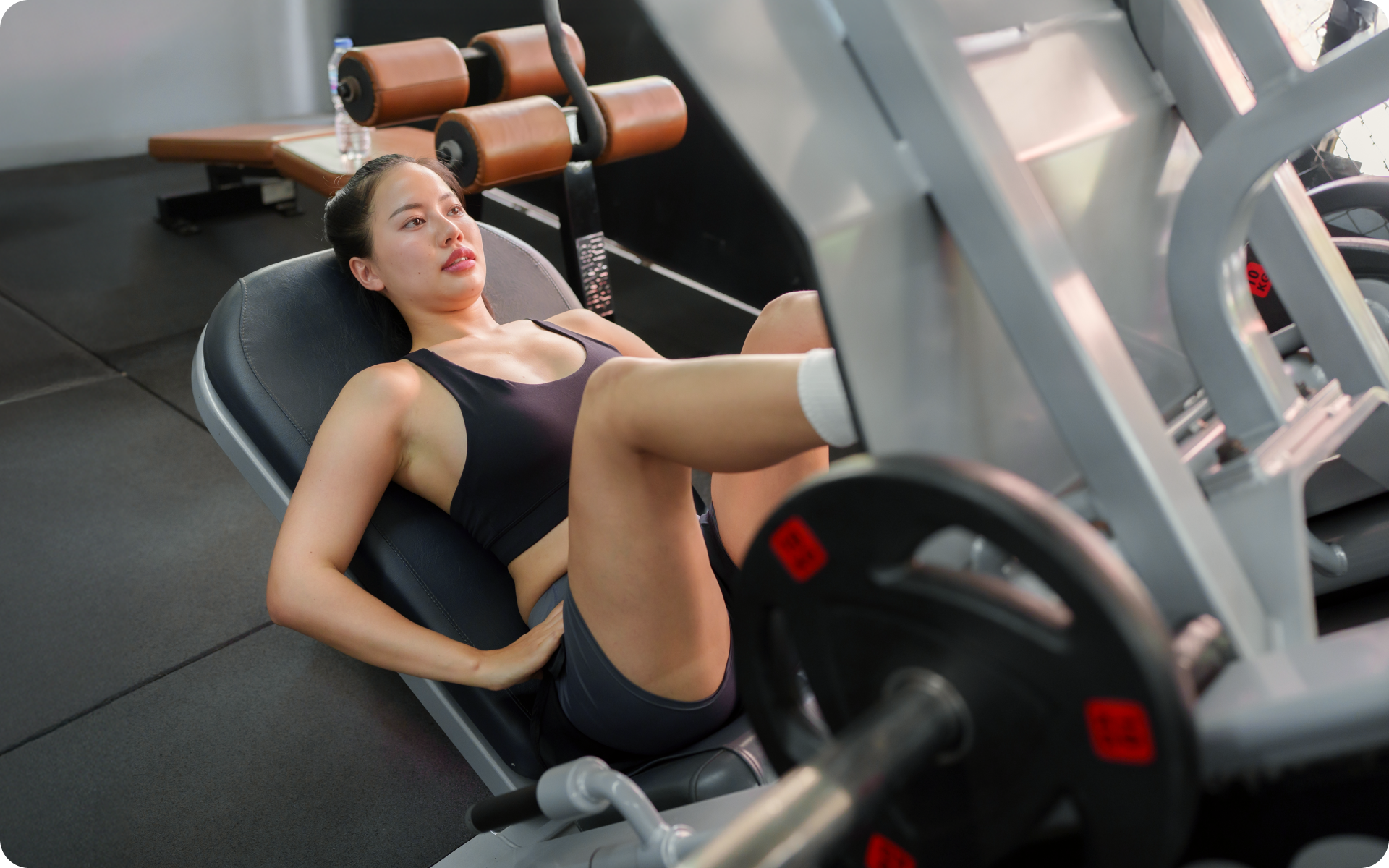
The leg press machine isolates leg muscles safely. It targets the quads, hamstrings, and glutes. Adjust the seat and foot placement for comfort and muscle emphasis. This machine suits beginners and advanced lifters alike.
Calf Raises
Calf raises strengthen the lower legs and improve ankle stability. Perform them on flat ground or a raised surface. Use bodyweight or add weights for more challenge. Regular calf raises enhance running and jumping ability.
Credit: betterme.world
Proper Form And Technique
Proper form and technique are essential for effective leg workouts. They help prevent injuries and maximize muscle growth. Using correct posture also improves balance and strength. Practicing good form ensures your workouts are safe and productive.
Squat Form Tips
- Keep your feet shoulder-width apart.
- Point toes slightly outward.
- Engage your core throughout the movement.
- Keep your back straight, avoid rounding.
- Lower hips until thighs are parallel to the floor.
- Push through your heels to stand up.
Lunge Alignment
- Step forward with one leg, keeping your torso upright.
- Align your front knee directly above your ankle.
- Keep your back leg bent and balanced.
- Lower your hips until both knees form 90-degree angles.
- Avoid letting the front knee move past your toes.
Deadlift Safety
- Stand with feet hip-width apart, bar close to shins.
- Keep your chest up and shoulders back.
- Bend at hips and knees, not your lower back.
- Grip the bar firmly with both hands.
- Lift by straightening hips and knees together.
- Keep the bar close to your body during the lift.
Breathing Techniques
- Inhale deeply before starting the movement.
- Hold your breath briefly to stabilize your core.
- Exhale slowly while lifting or pushing.
- Inhale again as you return to the starting position.
- Maintain steady breathing to improve focus and strength.
Creating A Balanced Leg Workout
Creating a balanced leg workout is key to building strength, improving mobility, and preventing injury. Focusing only on one muscle group can lead to imbalances that affect your overall performance. You want to hit all the major muscles in your legs, including quads, hamstrings, glutes, and calves, by mixing different types of exercises.
Combining Compound And Isolation Moves
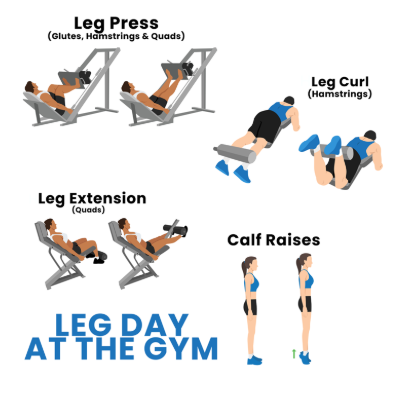
Compound exercises like squats and deadlifts work multiple muscles at once, giving you more bang for your buck. They also help improve coordination and burn more calories. However, isolation moves such as leg curls or calf raises target specific muscles and help fix weak spots.
Try pairing a compound move with an isolation exercise. For example, after squats, add leg extensions to focus on your quads. This balance ensures no muscle gets left behind.
Reps And Sets For Strength
The number of reps and sets you choose can change the results you get. To build strength, aim for lower reps with heavier weights—think 4 to 6 reps per set. This challenges your muscles to grow stronger.
If your goal is endurance or toning, increase the reps to 12-15 with lighter weights. Mixing these approaches keeps your workouts fresh and effective. What rep range makes you feel the most challenged?
Rest And Recovery
Rest days are just as important as workout days. Your muscles need time to repair and grow stronger after intense leg sessions. Skipping rest can lead to burnout or injury.
Listen to your body. If your legs feel sore or weak, give yourself an extra day off or try lighter exercises. Stretching and foam rolling can also speed up recovery and keep your legs feeling great.
Common Mistakes To Avoid
Leg exercises can transform your strength and endurance, but certain mistakes can slow your progress or cause injury. Identifying and avoiding these common pitfalls ensures your workouts are both safe and effective. Let’s look at some frequent errors that might be holding you back.
Neglecting Warm-up
Skipping your warm-up is one of the biggest errors you can make before leg training. Cold muscles are more prone to strains and tears, which can sideline your progress.
A simple 5-10 minute warm-up, such as light cycling or bodyweight squats, increases blood flow and prepares your joints. Have you noticed how a quick warm-up can make your lifts feel smoother and more controlled?
Overtraining
Pushing your legs every day without enough rest can lead to fatigue and injury. Your muscles need time to recover and grow stronger after intense workouts.
Try to limit heavy leg sessions to 2-3 times a week and listen to your body’s signals. Are you feeling constantly sore or weaker? This might be a sign to dial back and focus on recovery.
Poor Posture
Bad form during leg exercises often causes pain and limits results. Slouching or letting your knees collapse inward during squats and lunges can strain your joints.
Focus on keeping your chest up, core engaged, and knees aligned with your toes. Recording your form or asking a trainer for feedback can reveal issues you might not feel yourself.
Ignoring Mobility
Flexibility and joint mobility are often overlooked but crucial for effective leg training. Tight hips or ankles can reduce your range of motion and cause compensations that lead to injury.
Add simple stretches and mobility drills before and after your workouts to improve movement quality. How much easier do your squats feel when your hips and ankles are loosened up?
Progressing Your Leg Training
Progressing your leg training helps build strength and endurance. It avoids plateaus and keeps workouts challenging. Steady progress leads to better muscle growth and improved performance. Focus on smart strategies to increase intensity safely and effectively.
Increasing Weight Safely
Gradually add weight to your leg exercises to avoid injury. Increase the load by small amounts, such as 5%. Use proper form at all times. Stop if you feel pain or discomfort. Rest between sets to recover and maintain strength. Warm up before lifting heavier weights to prepare muscles and joints.
Incorporating Plyometrics
Plyometrics improve power and explosiveness in your legs. Include exercises like jump squats, box jumps, and lunges. Start with low intensity and low volume. Focus on landing softly to protect your knees. Use plyometrics 1-2 times a week for best results. These exercises boost speed and overall athletic ability.
Tracking Progress
Record your workouts to see improvements over time. Note weights, reps, and sets for each session. Use a journal or fitness app to keep data organized. Check progress every few weeks to adjust training plans. Celebrate small wins to stay motivated and consistent. Tracking helps identify strengths and areas needing work.
Credit: amazehealth.com
Equipment And Gear Recommendations
Choosing the right equipment and gear can make a big difference in your leg workouts. Proper gear not only improves your performance but also helps prevent injuries. Let’s look at some essential gear that can enhance your leg training sessions at the gym.
Best Shoes For Leg Training
Your shoes are the foundation of every leg exercise. Look for shoes with a flat, firm sole to provide stability during squats and deadlifts. Running shoes often have too much cushioning, which can reduce your balance and power.
I switched to weightlifting shoes with a slight heel lift, and it instantly improved my squat depth and form. Brands like Adidas Powerlift and Nike Romaleos are popular choices. Remember, the right shoe helps you push harder without compromising safety.
Supportive Accessories
Accessories like knee sleeves, lifting belts, and ankle wraps offer extra support during intense leg workouts. Knee sleeves keep your joints warm and reduce discomfort, especially when you’re pushing heavy weights.
A lifting belt can help you maintain proper posture and protect your lower back during squats or deadlifts. If you’ve ever felt instability in your ankles during lunges or step-ups, ankle wraps might be exactly what you need.
Using Resistance Bands
Resistance bands are versatile and perfect for activating muscles before your main workout. They add extra tension during exercises like glute bridges, lateral walks, and leg extensions.
I use bands to warm up my hips and glutes, which improves my overall leg strength and reduces soreness. They’re also great for adding variety without needing heavy weights. Have you tried bands to target weak spots in your leg training?
Frequently Asked Questions
What Are The Best Leg Exercises In The Gym?
The best leg exercises include squats, lunges, leg presses, and deadlifts. These target quads, hamstrings, and glutes effectively. Combining these boosts strength and muscle growth.
How Often Should I Train Legs In The Gym?
Train legs 2-3 times weekly for optimal results. Allow 48 hours of rest between sessions. This promotes muscle recovery and growth.
Can Leg Exercises Improve Overall Athletic Performance?
Yes, leg exercises enhance strength, balance, and endurance. Strong legs improve running, jumping, and agility. This boosts athletic performance across many sports.
What Equipment Is Needed For Gym Leg Workouts?
Common equipment includes barbells, dumbbells, leg press machines, and resistance bands. These tools help target different leg muscles safely and effectively.
Conclusion
Strong legs help you move better and feel healthier. Try different gym exercises to work all leg muscles. Remember to start with light weights and increase slowly. Rest days help your muscles grow and avoid injury. Keep your form correct to get the best results.
Consistency matters more than doing too much at once. Stay patient and enjoy your progress step by step. Your legs will thank you for the effort.







