
Are you ready to take your leg workouts to the next level? Strong, well-toned legs don’t just look great—they boost your overall strength, improve your balance, and help you move with confidence every day.
Whether you’re new to the gym or looking to break through a plateau, the right leg exercises can make all the difference. You’ll discover simple yet powerful moves that target every muscle in your legs. Stick with me, and by the end, you’ll have a clear plan to build legs that carry you farther and stronger than ever before.
Let’s get started!
Benefits Of Stronger Legs
Building stronger legs goes beyond just enhancing your appearance. It creates a foundation that supports your entire body, influencing how you move and perform daily tasks. Strong legs contribute to overall health, making activities easier and helping you avoid injuries.
Enhanced Athletic Performance
Strong legs directly improve your ability to run, jump, and change direction quickly. Athletes who focus on leg exercises often see better results in sports like soccer, basketball, and running. Have you noticed how a solid squat or lunge can boost your speed and power during workouts?
Even outside of sports, stronger legs help you climb stairs faster and carry heavier loads with less effort. This means you can push your limits safely, whether in the gym or on the field.
Improved Balance And Stability
Your legs play a key role in keeping you steady. Strengthening leg muscles improves your balance, reducing the risk of falls and injuries. This is crucial as you get older or if you engage in activities that require coordination.
Simple exercises like single-leg stands or step-ups can make a big difference. Have you ever tried standing on one leg while brushing your teeth? It’s a practical way to improve your stability every day.
Increased Calorie Burn
Leg muscles are some of the largest in your body. Working them out helps you burn more calories, even when resting. This makes leg exercises a powerful tool for weight management and fat loss.
Adding squats, lunges, or deadlifts to your routine can raise your metabolism for hours after your workout. What if your next gym session could help you burn calories long after you leave?
Credit: www.asphaltgreen.org
Warm-up Routines
Warming up before your leg exercises at the gym is essential. It prepares your muscles, joints, and cardiovascular system for the workout ahead. Skipping warm-ups can increase your risk of injury and reduce your performance.
Dynamic Stretching
Dynamic stretching involves moving your muscles and joints through their full range of motion. It wakes up your leg muscles and improves flexibility without causing stiffness.
Try leg swings, walking lunges, or hip circles. These movements mimic the exercises you’ll do, helping your body adjust gradually. Have you noticed how dynamic stretching makes your squats feel smoother?
Cardio Warm-up Exercises
Adding light cardio before leg workouts boosts blood flow and raises your heart rate. This helps deliver oxygen to your muscles, making them more efficient during training.
- Jump rope for 2-3 minutes
- Jog lightly on the treadmill
- Use a stationary bike at low resistance
Choose a cardio warm-up that feels right for you and matches your workout intensity. What’s your go-to cardio warm-up to get your legs ready?
Compound Leg Exercises
Compound leg exercises work several muscles at once. These moves build strength, balance, and muscle size. They engage your quads, hamstrings, glutes, and calves together. Compound exercises save time and burn more calories than isolated moves. Focus on form to prevent injuries and get the best results.
Squats
Squats are a top leg exercise. They target your thighs, hips, and buttocks. Stand with feet shoulder-width apart. Lower your hips back and down like sitting on a chair. Keep your chest up and knees behind your toes. Push through your heels to stand back up. Squats improve strength and mobility.
Deadlifts
Deadlifts work your hamstrings, glutes, and lower back. Start with feet hip-width apart and barbell close to your shins. Bend at hips and knees to grab the bar. Keep your back straight and chest lifted. Stand up by driving your hips forward. Lower the bar with control. Deadlifts boost overall leg power.
Lunges
Lunges target your thighs and buttocks. Step forward with one leg and lower your hips until both knees bend at 90 degrees. The back knee should hover just above the ground. Keep your torso upright and core tight. Push back to the start position. Switch legs and repeat. Lunges build balance and leg strength.

Credit: www.womenshealthmag.com
Isolation Leg Exercises
Isolation leg exercises target specific muscles in your legs without involving other muscle groups. They help you focus on strengthening weak areas, improving muscle definition, and enhancing overall leg balance. If you want to build strength in precise parts of your legs, these exercises are a must in your gym routine.
Leg Curls
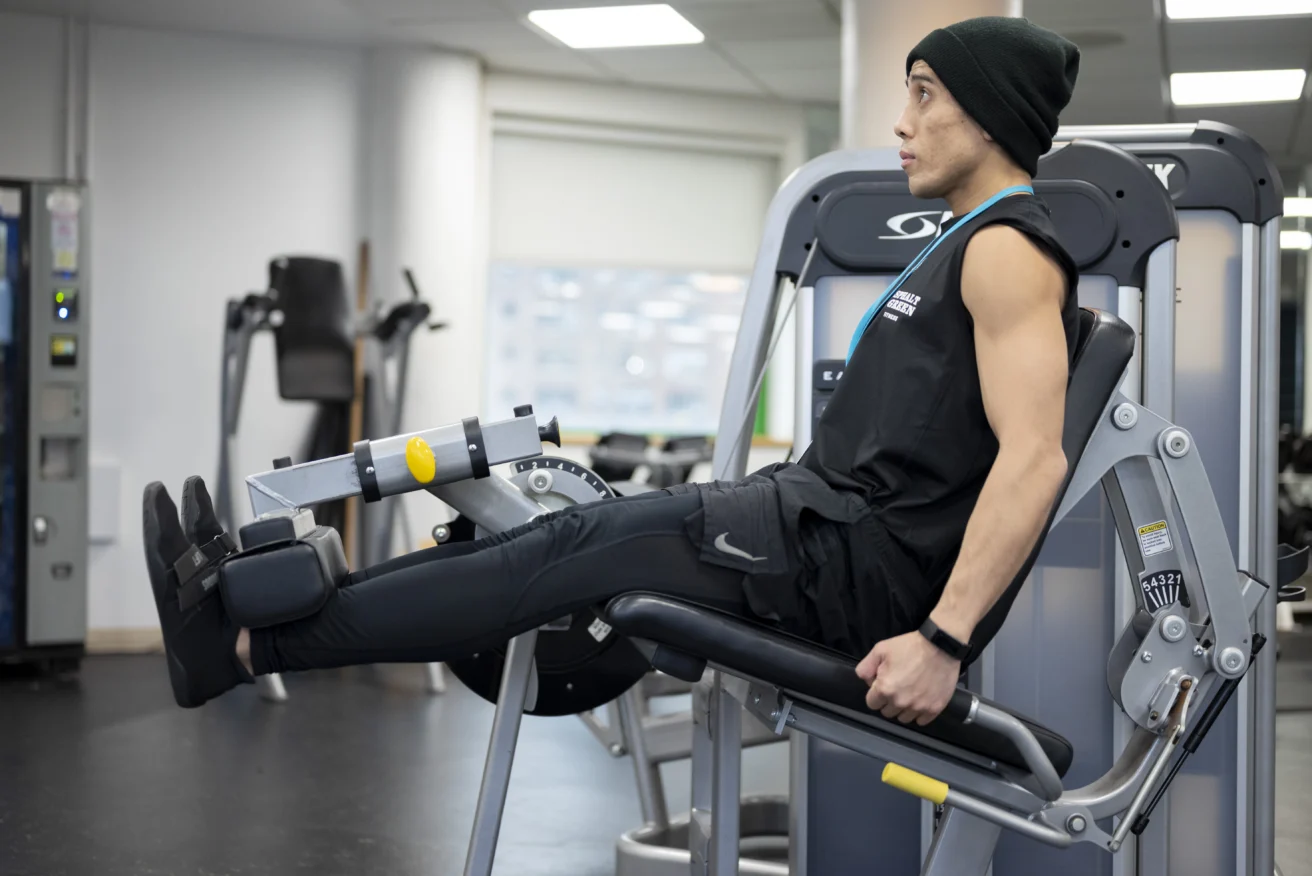
Leg curls primarily work your hamstrings, the muscles at the back of your thighs. Using a leg curl machine, you lie face down and curl your legs toward your buttocks, isolating the hamstrings.
Adding leg curls to your workout can reduce hamstring injuries and improve your running or jumping performance. Have you noticed your hamstrings lagging behind your quads? This exercise is the perfect fix.
Leg Extensions
Leg extensions isolate the quadriceps on the front of your thighs. Sitting on a leg extension machine, you extend your legs straight out by contracting your quads.
This move is excellent for defining your quads and improving knee stability. If you struggle with squats because your quads feel weak, leg extensions can build that necessary strength.
Calf Raises
Calf raises focus on your calf muscles, including the gastrocnemius and soleus. You perform them by raising your heels off the ground while standing, either on a flat surface or a raised platform.
Strong calves improve your balance and help with activities like running and jumping. Try adding calf raises to your routine and feel the difference in your lower leg power and endurance.
Bodyweight Leg Workouts
Bodyweight leg workouts offer a powerful way to strengthen your legs without needing any equipment. These exercises rely solely on your body’s weight, making them perfect for home workouts or gym sessions when machines are busy. They challenge your muscles while improving balance, coordination, and endurance.
Adding bodyweight leg exercises to your routine can boost your performance in sports and everyday activities. Have you ever noticed how strong legs help with better posture and reduce fatigue during long days? These workouts are simple but effective ways to build that strength.
Bodyweight Squats
Bodyweight squats target your quads, hamstrings, and glutes. Stand with feet shoulder-width apart, then lower your hips back and down as if sitting in a chair. Keep your chest up and knees aligned with your toes.
Try doing three sets of 15 to 20 reps. You’ll feel your legs working hard without any extra weight. Squats also improve your hip flexibility, which often gets overlooked but is crucial for overall mobility.
Jumping Lunges
Jumping lunges add a cardio and plyometric element to your leg workout. Start in a lunge position, then jump up and switch legs mid-air, landing softly in a lunge on the opposite side. This move fires up your fast-twitch muscle fibers and boosts explosive power.
Challenge yourself with 10 to 15 jumps per leg. How does it feel to engage your entire body with just your legs? This exercise not only builds strength but also improves your balance and agility.
Wall Sits
Wall sits are an isometric exercise that torches your thigh muscles by holding a static squat position against a wall. Slide your back down until your knees form a 90-degree angle and hold the position. It’s a great way to build endurance in your quads.
Start by holding for 20 to 30 seconds and increase the time as you get stronger. The burn you feel during wall sits is a sign your muscles are working hard. Can you stay longer each time you try?
Credit: www.goodrx.com
Advanced Leg Workouts
Advanced leg workouts push your muscles beyond basic strength training. They challenge your balance, power, and endurance in ways that simple squats and lunges can’t. Adding these exercises to your routine can help you break through plateaus and build explosive leg strength.
Plyometric Drills
Plyometric drills are all about quick, explosive movements. They improve your muscle power and coordination by forcing your legs to react fast. Think jump squats, lateral bounds, or tuck jumps.
These drills are tough but rewarding. They stimulate fast-twitch muscle fibers, which are key for sprinting and jumping. Have you tried adding plyometrics after your regular leg day? The burn might surprise you.
Weighted Step-ups
Weighted step-ups work your quads, hamstrings, and glutes while improving balance. Grab dumbbells or a barbell to increase resistance and challenge your muscles more.
Focus on controlled movement—step up steadily and lower yourself slowly. This builds strength and stability at the same time. How heavy can you go without losing form?
Box Jumps
Box jumps test your leg power and coordination. Jump onto a sturdy box or platform, landing softly with bent knees to absorb impact.
Start with a lower height and increase as you get comfortable. They’re a great way to add intensity without weights and improve your vertical leap. Could box jumps be the secret to better athletic performance in your training?
Recovery And Rest Days
Recovery and rest days are crucial after intense leg workouts. These days help muscles repair and grow stronger. Skipping rest can lead to injuries and fatigue. Proper recovery improves your overall gym performance. It also keeps motivation high for future sessions.
Importance Of Rest
Rest allows muscle fibers to heal after stress. Without rest, muscles remain sore and weak. Rest days reduce the risk of overtraining and burnout. Your body rebuilds energy stores during rest. Mental relaxation also improves focus and mood.
Stretching And Flexibility
Stretching helps release muscle tightness after workouts. It increases blood flow to tired muscles. Gentle stretches improve flexibility and range of motion. Stretching lowers muscle stiffness and soreness. Daily stretching supports faster recovery and better movement.
Nutrition For Recovery
Eating the right foods speeds up muscle repair. Protein provides building blocks for muscle growth. Carbohydrates refill energy stores used during exercise. Hydration aids in nutrient delivery and toxin removal. Vitamins and minerals support overall muscle health.
Common Mistakes To Avoid
Leg workouts can be incredibly rewarding, but many people unknowingly hinder their progress by making simple mistakes. These errors often lead to injury, slow gains, or frustration. Identifying and avoiding these common pitfalls will help you build stronger, more balanced legs safely and effectively.
Overtraining
Pushing your legs too hard without allowing recovery can backfire quickly. Muscles need time to repair and grow stronger after intense workouts. Overtraining often causes fatigue, soreness, and even injury, making your efforts counterproductive.
Ask yourself: Are you giving your legs enough rest between sessions? If your workouts feel more draining than empowering, it might be time to scale back. Quality beats quantity—focus on well-structured sessions rather than nonstop training.
Ignoring Form
Proper form isn’t just about looking good—it’s about preventing injury and maximizing results. I once rushed through squats with poor posture and ended up with knee pain that sidelined me for weeks. That experience taught me to prioritize technique over weight or reps.
Pay attention to your body alignment during every exercise. Watch for common errors like letting your knees cave inward or rounding your back. If you’re unsure, ask a trainer or use a mirror to check your form regularly.
Skipping Warm-ups
Warm-ups prepare your muscles and joints for the demands of leg exercises. Skipping this step often leads to stiffness and increases the risk of strains. Even five to ten minutes of light activity can make a big difference.
Try dynamic stretches or light cardio before your main workout. This simple habit improved my performance and reduced soreness significantly. Are you warming up enough to give your legs the best start?
Frequently Asked Questions
What Are The Best Leg Exercises In The Gym?
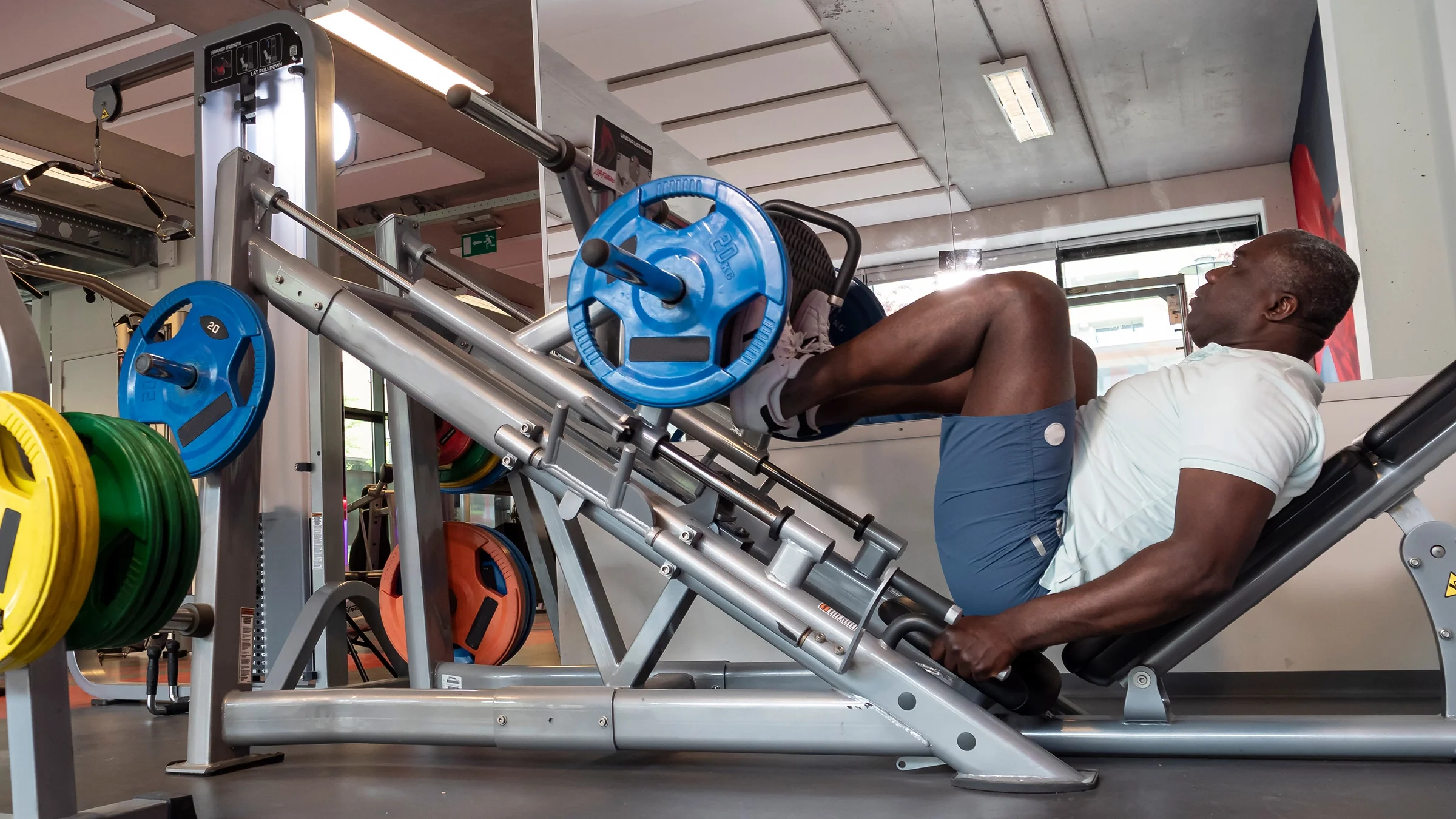
The best leg exercises include squats, lunges, leg press, and deadlifts. These target quads, hamstrings, glutes, and calves effectively.
How Often Should I Do Leg Workouts Weekly?
For optimal results, perform leg workouts 2-3 times per week. Allow 48 hours for muscle recovery between sessions.
Can Leg Exercises Improve Overall Strength?
Yes, leg exercises build lower body strength and enhance core stability. They also boost athletic performance and functional movement.
Should I Warm Up Before Leg Exercises?
Warming up is essential to increase blood flow and reduce injury risk. Spend 5-10 minutes on light cardio and dynamic stretches.
Conclusion
Strong legs help with balance, strength, and daily activities. Exercises like squats and lunges build muscle and improve endurance. Consistent workouts bring better results over time. Rest and good nutrition support muscle growth and recovery. Focus on form to avoid injuries and get the best benefits.
Keep your routine simple and steady for lasting progress. Small steps each day lead to big changes. Stay patient and enjoy the process of getting stronger.







