
Are you ready to build stronger, more powerful legs that support every move you make? Whether you want to boost your athletic performance, improve your balance, or simply feel more confident, the right leg exercises at the gym can make all the difference.
You’ll discover simple yet effective workouts designed to target every muscle in your legs. Stick with me, and you’ll learn how to get the most out of your gym time, avoid common mistakes, and see real results faster than you thought possible.
Let’s dive in and transform your leg day into the highlight of your workout routine!
Benefits Of Leg Workouts
Leg exercises at the gym build strong muscles and improve balance. They also boost metabolism and support better posture. Regular workouts help increase endurance and reduce injury risk.
Leg workouts are crucial for overall fitness and wellness. They offer numerous benefits that extend beyond aesthetics. Engaging in regular leg exercises enhances your physical capabilities and contributes to overall health.Improved Strength And Stability
Leg workouts increase your body’s strength and stability. Strong legs support your body weight and improve balance. This makes daily activities easier and reduces injury risks. Exercises like squats and lunges build muscle power. They also enhance joint flexibility, leading to better mobility.Enhanced Muscle Tone
Leg exercises sculpt and define your muscles. They target major muscle groups like quadriceps, hamstrings, and calves. Consistent workouts lead to toned and firm legs. This boosts confidence and improves overall body appearance. Visible muscle tone is a sign of physical fitness and health.Boosted Metabolism And Fat Loss
Leg workouts burn calories and increase metabolism. This helps in reducing body fat and maintaining a healthy weight. Engaging large muscle groups requires more energy, thus burning more calories. This leads to effective fat loss and a leaner physique. Enhanced metabolism also improves energy levels throughout the day.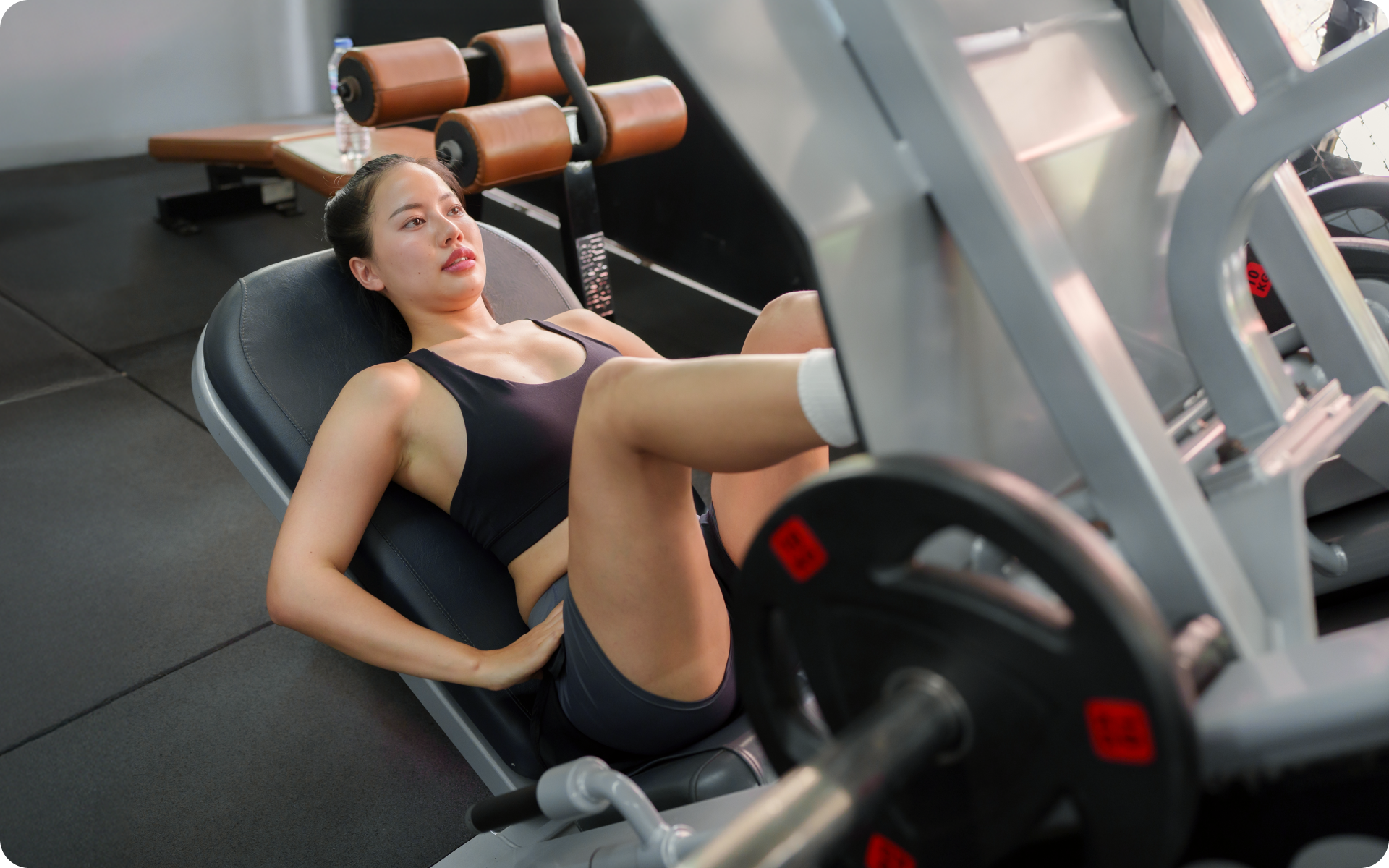
Credit: betterme.world
Key Muscle Groups In Legs
Understanding the key muscle groups in your legs is essential to make your gym workouts effective. Each group plays a unique role in movement and strength, so knowing how they work helps you target them better. This knowledge can improve your form, prevent injuries, and boost your overall results.
Quadriceps
The quadriceps are the large muscles at the front of your thighs. They handle most of the work when you straighten your knee, like during squats or leg presses. Strengthening your quads improves your ability to jump, run, and climb stairs with less effort.
Think about when you push off to sprint or stand up from a chair—your quads are the stars. Ignoring these muscles can slow your progress and increase knee pain. How often do you focus on exercises that directly challenge your quads?
Hamstrings
The hamstrings are a group of muscles located at the back of your thighs. They help you bend your knees and extend your hips, which is crucial for movements like deadlifts and lunges. Strong hamstrings balance your leg strength and support your lower back.
I once skipped hamstring workouts and felt tightness and discomfort after runs. Adding hamstring curls and Romanian deadlifts made a huge difference in my flexibility and strength. Are your hamstrings getting enough attention in your routine?
Glutes
Your glutes are the muscles in your buttocks, and they are some of the strongest in your body. They power hip extension, which is important for standing, walking, and lifting. Working your glutes can improve posture and reduce lower back pain.
Many people underestimate the glutes, but activating them during squats and hip thrusts boosts overall leg strength. If you want better balance and power, focus on exercises that make your glutes work hard. What glute exercises do you include in your workouts?
Calves
The calves are the muscles at the back of your lower legs. They help you push off the ground when walking, running, or jumping. Strong calves improve your stability and endurance during cardio and leg workouts.
Calf raises are simple but effective for building strength here. If you often feel tired or unstable in your lower legs, adding calf exercises could help you stay active longer. How often do you train your calves compared to other leg muscles?
Essential Gym Equipment
Choosing the right gym equipment can make a big difference in your leg workouts. The gear you use affects how well you target different muscles and how safe your exercises feel. Knowing which machines and tools work best helps you get stronger, avoid injury, and stay motivated.
Leg Press Machine
The leg press machine is perfect for building strength in your quads, hamstrings, and glutes. It allows you to push heavy weights without worrying about balance, so you can focus on power. I once added 50 pounds to my leg press in just a month by sticking to a consistent routine.
Are you controlling the movement fully, or relying on momentum? Slowing down the press can boost muscle engagement and results.
Squat Rack
Squats are a classic leg exercise, and a squat rack is essential for doing them safely with heavy weights. It helps you position the barbell correctly and gives you support if you need to bail out. Adding squats to your routine will challenge multiple leg muscles and improve your core strength.
Think about your form: Are you keeping your knees aligned and your back straight? These details protect your joints and maximize gains.
Leg Curl And Extension Machines
These machines isolate your hamstrings and quadriceps, making them great for muscle balance and injury prevention. They let you work on strength without stressing your lower back. When I started using leg curls and extensions, my overall leg stability improved noticeably.
Do you feel your muscles working throughout the full range of motion? Full control ensures you’re not just moving the weights but actually building strength.
Free Weights And Barbells
Free weights and barbells bring variety and functional strength to your leg workouts. Exercises like lunges, step-ups, and deadlifts with weights engage stabilizing muscles that machines miss. Using free weights also improves your balance and coordination.
Are you balancing control and challenge? Too light won’t push you, too heavy risks injury. Finding the right weight is key for progress.
Top Leg Exercises
Strong legs support your whole body. They help with balance, power, and daily movements. Focusing on key leg exercises builds strength and endurance. Each exercise targets different muscles for a full leg workout.
Barbell Squats
Barbell squats work the thighs, hips, and buttocks. They improve core strength and stability. Hold the barbell on your shoulders. Lower your body by bending your knees. Keep your back straight and chest up. Push back up to standing position.
Leg Press
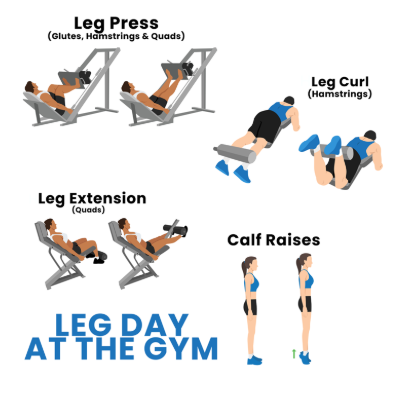
The leg press targets the quads, hamstrings, and glutes. Sit on the machine and place your feet on the platform. Push the platform away by extending your legs. Control the movement as you bring it back. This exercise is good for heavy leg training.
Romanian Deadlifts
Romanian deadlifts focus on hamstrings and glutes. Hold a barbell with both hands in front of you. Keep your legs slightly bent and back straight. Lower the barbell by bending at your hips. Lift back up by squeezing your glutes.
Lunges
Lunges work the quads, hamstrings, and glutes. Step forward with one leg and lower your hips. Keep your front knee over your ankle. Push back to the starting position. Repeat with the other leg. Lunges also improve balance and coordination.
Leg Curls
Leg curls target the hamstrings. Use the leg curl machine by lying face down. Place your legs under the padded bar. Curl your legs up towards your buttocks. Lower slowly and repeat. This isolates the hamstring muscles well.
Calf Raises
Calf raises strengthen the calves. Stand on the edge of a step with your heels hanging off. Raise your heels as high as possible. Hold briefly, then lower down slowly. This exercise improves ankle strength and stability.
Proper Form And Technique
Maintaining proper form and technique during leg exercises is essential for safety and effectiveness. Good posture helps prevent injuries and ensures muscles work correctly. This focus also improves strength gains and overall performance.
Squat Alignment Tips
- Keep feet shoulder-width apart for balance.
- Point toes slightly outward, about 15 degrees.
- Keep knees aligned with toes, avoiding inward collapse.
- Maintain a neutral spine, avoiding rounding or arching.
- Look straight ahead to keep your head in a neutral position.
- Engage your core to support your lower back.
- Lower hips back and down as if sitting on a chair.
Safe Lifting Practices
- Start with light weights to learn proper form.
- Use a spotter or safety bars when lifting heavy.
- Keep the barbell close to your body during lifts.
- Avoid locking your knees at the top of the movement.
- Wear proper shoes with good grip and support.
- Rest between sets to prevent fatigue and poor form.
Breathing And Tempo
- Inhale deeply before lowering into the squat.
- Exhale steadily while pushing back up.
- Control your movement; avoid dropping quickly.
- Use a slow and steady tempo for better muscle engagement.
- Pause briefly at the bottom to maintain tension.
- Consistent breathing helps maintain focus and energy.
Workout Plans For Different Goals
Choosing the right leg workout plan depends heavily on your personal goals. Whether you’re aiming to build strength, tone muscles, or boost endurance, tailoring your exercises makes all the difference. Let’s break down effective routines that match each objective so you can get the most out of your gym time.
Strength Building Routine
To increase leg strength, focus on lifting heavier weights with lower repetitions. Squats, deadlifts, and leg presses should be your go-to exercises, performed in sets of 4-6 reps. Adding resistance challenges your muscles to grow stronger over time.
Rest periods between sets should be around 2-3 minutes to allow full recovery. Tracking your progress by gradually adding weight helps you avoid plateaus. Have you tried increasing weight steadily while keeping perfect form?
Muscle Toning Program
For muscle toning, aim for moderate weights with higher repetitions, usually 12-15 reps per set. Include exercises like lunges, step-ups, and hamstring curls to hit all major leg muscles. This approach helps define muscle shape without excessive bulk.
Supersets or circuit training can keep your heart rate up, burning extra calories during your workout. You might find combining strength moves with some bodyweight exercises adds variety and keeps motivation high. How do you keep your workouts fresh and challenging?
Endurance And Conditioning
Endurance training for legs focuses on lighter weights and higher reps, sometimes up to 20-25 per set. Using exercises such as bodyweight squats, box jumps, and cycling on the stationary bike builds stamina and conditions your muscles for longer activity.
Short rest intervals of 30-60 seconds maintain an elevated heart rate, improving cardiovascular fitness alongside leg endurance. Incorporating plyometric moves also boosts explosive power. Do you notice a difference in how your legs feel during daily activities after endurance training?
Common Mistakes To Avoid
Leg exercises are powerful for building strength and improving overall fitness, but avoiding common mistakes is key to making real progress. Many gym-goers unknowingly hurt their results or risk injury by overlooking simple but important details. Let’s look at some pitfalls you can easily dodge to get the most from your leg workouts.
Skipping Warm-ups
Jumping straight into heavy leg exercises without warming up is a recipe for injury. Your muscles and joints need time to get ready for the strain ahead.
Spend at least 5-10 minutes doing light cardio or dynamic stretches targeting your legs. This increases blood flow and improves mobility, making your workout safer and more effective.
Think about the last time you skipped warming up—did your performance suffer, or did you feel tight afterward? Warming up isn’t optional; it’s a foundation for every strong session.
Poor Posture
Maintaining correct form during leg exercises is crucial. Slouching or letting your knees cave in can lead to muscle imbalances or even injury.
Focus on keeping your spine neutral and knees aligned over your toes. Using a mirror or asking a trainer to check your posture can help you stay on track.
Have you noticed how a slight posture tweak can make an exercise feel completely different? Small adjustments often lead to better muscle activation and faster gains.
Overtraining
It’s tempting to push your legs hard every session, but overtraining can backfire. Your muscles need time to recover and grow stronger.
Pay attention to signs like persistent soreness, fatigue, or reduced performance. Scheduling rest days and varying your workouts prevent burnout and injuries.
Ask yourself: Is more always better, or could a well-timed break actually boost your progress? Listening to your body is one of the smartest moves you can make in the gym.

Credit: www.strengthlog.com
Recovery And Nutrition
Recovery and nutrition play a crucial role in maximizing the benefits of your leg workouts. Without proper recovery, your muscles won’t repair efficiently, and without good nutrition, your body won’t have the fuel it needs to grow stronger. Paying attention to these aspects can help you avoid injuries, reduce soreness, and boost your overall performance.
Stretching And Foam Rolling
After a tough leg session, stretching helps keep your muscles flexible and reduces tightness. Focus on hamstrings, quads, calves, and glutes with gentle stretches held for 20-30 seconds.
Foam rolling acts like a deep tissue massage, breaking up knots and increasing blood flow. It can feel uncomfortable at first, but your legs will thank you the next day.
Have you noticed how a few minutes of foam rolling can speed up your recovery compared to skipping it altogether?
Protein Intake
Protein is the building block for muscle repair. Aim to eat a source of protein within an hour after your leg workout to jumpstart recovery.
Good options include chicken, fish, eggs, or plant-based sources like lentils and tofu. A simple protein shake can work well if you’re on the go.
Try tracking your protein intake for a week and see how your muscle soreness and energy levels change.
Rest And Sleep
Muscle repair happens mostly while you sleep, making quality rest essential. Aim for 7-9 hours of uninterrupted sleep each night.
Rest days are just as important as workout days. Giving your legs time to recover helps prevent burnout and injuries.
Have you ever pushed through soreness without rest? Notice how your performance dips or your risk of injury rises.
Credit: amazehealth.com
Frequently Asked Questions
What Are The Best Leg Exercises At The Gym?
The best leg exercises include squats, lunges, leg presses, and deadlifts. These target all major leg muscles. They improve strength, balance, and muscle tone effectively.
How Often Should I Do Leg Workouts At The Gym?
For optimal results, train legs 2-3 times per week. Allow 48 hours of rest between sessions. This helps muscles recover and grow stronger.
Can Leg Exercises Improve Overall Athletic Performance?
Yes, leg workouts enhance strength, power, and endurance. Strong legs boost running speed, jumping ability, and stability. They also reduce injury risk in sports.
What Equipment Is Needed For Gym Leg Exercises?
Common equipment includes barbells, dumbbells, leg press machines, and resistance bands. These tools add resistance and variety to leg workouts. They help build muscle efficiently.
Conclusion
Strong legs help you move better and feel healthier. Try different gym exercises to work all leg muscles. Start with light weights and increase slowly. Rest is important to let muscles grow and heal. Keep a steady routine for best results.
Stay patient and enjoy the progress you make. Regular leg workouts build strength and support daily activities. Remember, consistency beats quick fixes every time.







