
Are you ready to transform your lower body and build strong, powerful legs? Leg day exercises at the gym are the key to boosting your strength, improving your balance, and shaping your physique.
But knowing which moves to focus on can be overwhelming. You’ll discover simple, effective exercises that target every part of your legs. Whether you’re a beginner or looking to level up your routine, these workouts will help you get the results you want faster.
Keep reading to unlock the secrets to a killer leg day that keeps you coming back for more.
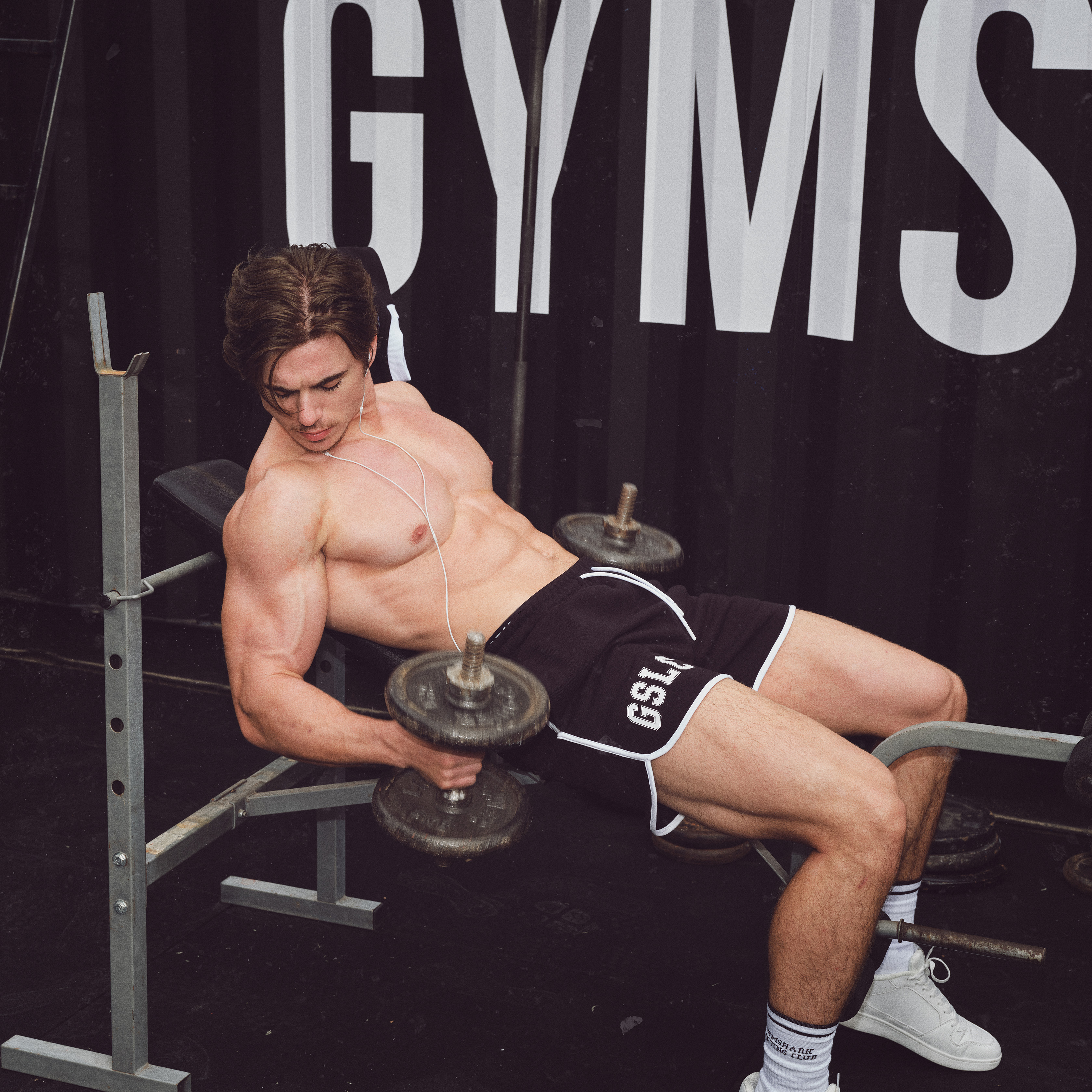
Credit: au.gymshark.com
Key Leg Muscles
Strong legs support many daily activities and improve overall fitness. Targeting key leg muscles helps build strength and endurance. Understanding these muscles guides effective workout planning.
Quadriceps
The quadriceps are the large muscles at the front of your thigh. They help straighten your knee and support walking, running, and jumping. Exercises like squats and leg presses work this muscle group well.
Hamstrings
Hamstrings are located at the back of your thigh. These muscles bend the knee and extend the hip. Deadlifts and leg curls focus on strengthening hamstrings for better balance and power.
Glutes
Glutes are your buttock muscles. They help with hip movement and stabilize your pelvis. Lunges, hip thrusts, and glute bridges are effective exercises to build strong glutes.
Calves
Calves are the muscles at the back of your lower leg. They help with ankle movement and push-off while walking or running. Calf raises are simple exercises to strengthen these muscles.
Benefits Of Leg Workouts
Leg workouts offer more than just toned muscles and stronger legs. They play a crucial role in your overall fitness and daily function. Whether you’re aiming to lift heavier, run faster, or simply move with more confidence, focusing on your legs can deliver impressive results.
Strength Gains
Building leg strength helps you perform better in almost every physical activity. Squats and lunges activate large muscle groups, which boosts your overall power. When your legs are strong, you’ll notice improvements not only in your workouts but also in tasks like carrying groceries or climbing stairs.
Muscle Growth
Leg exercises stimulate muscle growth through intense and focused effort. Movements like deadlifts and leg presses target your quads, hamstrings, and glutes, encouraging muscle fibers to grow thicker and stronger. Have you ever felt the rush of seeing your legs get visibly more defined after consistent training? That’s the reward of muscle growth.
Improved Stability
Strong legs provide a stable base for your entire body. Exercises that challenge your balance, such as single-leg squats, enhance your coordination and reduce the risk of falls. Improved stability also supports your posture and helps prevent injuries during everyday movements.
Enhanced Athletic Performance
Leg workouts directly impact your speed, agility, and endurance. Whether you play sports or enjoy outdoor activities, powerful legs help you sprint faster and jump higher. Have you noticed how athletes with strong legs often dominate their field? That’s because leg strength translates into better overall performance.
Basic Leg Exercises
Basic leg exercises form the foundation of any strong workout routine. These moves target key muscles like the quads, hamstrings, glutes, and calves. Performing them regularly builds strength, improves balance, and boosts endurance.
Simple and effective, these exercises suit all fitness levels. They also help prevent injuries by strengthening the lower body. Let’s explore some core leg exercises you can do at the gym.
Squats
Squats work your thighs, hips, and buttocks. Stand with feet shoulder-width apart. Lower your body as if sitting on a chair. Keep your back straight and knees behind toes. Rise back to the start position. Squats improve muscle tone and overall leg strength.
Lunges
Lunges target the front and back of your legs. Step forward with one leg and bend both knees. Lower your body until the back knee almost touches the floor. Push back up and repeat with the other leg. This exercise enhances balance and coordination.
Leg Press
The leg press machine focuses on your quads and glutes. Sit on the machine with feet on the platform. Push the platform away by extending your legs. Slowly bend your knees to return to the start. Leg presses build strength safely with controlled motion.
Deadlifts
Deadlifts strengthen the hamstrings, glutes, and lower back. Stand with feet hip-width apart and hold a barbell in front. Bend at the hips and knees, lowering the bar close to the floor. Lift back up by straightening your body. Deadlifts improve posture and power.
Advanced Leg Moves
Advanced leg moves push your strength and balance to new levels. These exercises target muscles you might not hit with basic squats or leg presses. Mastering them can transform your leg day, making every workout more effective and engaging.
Bulgarian Split Squats
This move challenges your balance and isolates each leg for focused strength gains. Place one foot behind you on a bench or sturdy surface, then lower into a squat with your front leg. You’ll feel your quads, hamstrings, and glutes firing intensely.
Try holding dumbbells to increase resistance. Notice how your stability improves over time? That control carries over into other lifts and daily movements.
Romanian Deadlifts
Romanian deadlifts target your hamstrings and glutes through a hip-hinge motion. Keep your back straight and lower the barbell or dumbbells slowly until you feel a stretch in the back of your legs. This exercise builds strong hamstrings that support knee health.
Focus on slow, controlled movements rather than heavy weights. Have you ever experienced tight hamstrings after skipping this essential move?
Step-ups
Step-ups improve your leg power and balance using a simple bench or box. Step onto the platform with one leg and drive through your heel to lift your body up, then step back down. This functional movement mimics climbing stairs and boosts explosive strength.
You can add dumbbells for extra challenge. How often do you practice unilateral exercises that fix muscle imbalances?
Pistol Squats
Pistol squats demand serious strength and flexibility from one leg at a time. Extend one leg forward and lower your body down on the other leg as far as you can go. This move strengthens your quads, glutes, and core while testing your balance.
Start by holding onto a support and gradually reduce assistance. What could your leg workout gain from adding such a challenging, full-body move?
Calf Training Tips
Strong calves improve your balance and support leg movements. They also enhance your performance in many sports and daily activities. Focused calf training can help you build muscle and prevent injuries. Use different exercises and stretching to target the calves fully.
Seated Calf Raises
Seated calf raises focus on the soleus muscle under the gastrocnemius. Sit on a bench with your feet flat on the floor. Place a weight on your knees for resistance. Raise your heels slowly, then lower them back down. Keep the movement controlled to maximize muscle work.
Standing Calf Raises
Standing calf raises work the larger gastrocnemius muscle. Stand on the edge of a step or platform with your heels hanging off. Push through the balls of your feet to raise your heels up. Lower your heels below the step level for a full stretch. Use dumbbells or a barbell for extra weight.
Jump Rope
Jump rope is a great cardio exercise that also strengthens calves. Start with short sessions to build endurance. Keep your jumps light and quick, landing softly on your toes. This exercise improves calf muscle tone and coordination. It also boosts heart health and burns calories.
Calf Stretching
Stretching helps prevent tightness and injuries. Stand facing a wall with one foot back, heel on the ground. Bend the front knee and lean forward to stretch the calf. Hold for 20-30 seconds and switch legs. Stretch regularly to keep your calves flexible and healthy.
Proper Form And Technique
Proper form and technique in leg day exercises prevent injuries and improve results. It helps target the right muscles and makes workouts more efficient. Using correct posture also reduces strain on joints and ligaments. Focus on controlled movements rather than speed or heavy weights. This builds strength safely and steadily.
Common Mistakes
- Letting knees collapse inward during squats or lunges
- Rounding the lower back instead of keeping it neutral
- Leaning too far forward, shifting weight off the heels
- Using momentum instead of muscle control to lift weights
- Not lowering enough, reducing exercise effectiveness
Alignment Tips
- Keep feet shoulder-width apart for balance
- Point toes slightly outward to align knees correctly
- Engage your core to support your spine
- Keep chest up and shoulders back
- Distribute weight evenly across your feet
Breathing Patterns
- Inhale deeply before starting the movement
- Exhale slowly while lifting or pushing
- Inhale again when lowering back to start position
- Maintain steady breathing to keep muscles oxygenated
- Avoid holding breath to prevent dizziness or tension
Leg Day Workout Plans
Leg day workout plans help structure your gym sessions effectively. They guide you through exercises that build strength and endurance in your legs. Following a routine ensures balanced muscle growth and reduces injury risk. Plans vary by skill level to match your fitness progress.
Beginner Routine
- Bodyweight squats – 3 sets of 12 reps
- Walking lunges – 3 sets of 10 reps per leg
- Leg press machine – 3 sets of 12 reps
- Calf raises – 3 sets of 15 reps
- Hamstring curls (machine) – 3 sets of 12 reps
This routine focuses on basic movements to build a strong foundation. It improves muscle control and balance while avoiding heavy weights.
Intermediate Routine
- Barbell back squats – 4 sets of 8 reps
- Romanian deadlifts – 4 sets of 10 reps
- Bulgarian split squats – 3 sets of 10 reps per leg
- Seated calf raises – 4 sets of 15 reps
- Leg extensions (machine) – 3 sets of 12 reps
This plan builds strength and muscle size. It introduces more weight and complex movements to challenge your legs.
Advanced Routine
- Front squats – 5 sets of 6 reps
- Deadlifts – 5 sets of 5 reps
- Walking lunges with dumbbells – 4 sets of 12 reps per leg
- Standing calf raises – 5 sets of 20 reps
- Hamstring curls with stability ball – 4 sets of 15 reps
This routine targets power, endurance, and muscle definition. It uses heavy weights and advanced exercises for maximum gains.

Credit: www.strengthlog.com
Recovery And Injury Prevention
Recovery and injury prevention are just as crucial as the leg exercises themselves. Without proper care, you risk setbacks that can stall your progress and cause long-term damage. Paying attention to how you treat your muscles after an intense leg day helps you bounce back stronger and keeps injuries at bay.
Stretching
Stretching after your workout improves flexibility and reduces muscle tightness. Focus on your quads, hamstrings, calves, and glutes with gentle stretches held for 20 to 30 seconds each.
I once skipped stretching after a tough leg session and felt stiffness for days. Now, I always add stretches and notice quicker recovery and less soreness.
- Try standing quad stretches to open up the front thigh.
- Hamstring stretches seated or standing help release tightness.
- Don’t forget calf stretches against a wall to prevent cramps.
Foam Rolling
Using a foam roller targets knots and enhances blood flow to tired muscles. Rolling your legs for 5 to 10 minutes can break up tension and speed healing.
You might feel some discomfort during foam rolling—that’s normal. Press gently and increase pressure only as your muscles get used to it.
- Roll your IT band carefully to avoid knee pain.
- Spend extra time on the glutes and calves for better relief.
- Consistency matters; foam roll regularly, not just after leg days.
Rest Days
Rest days are essential for muscle repair and growth. Overtraining your legs without giving them time to recover increases the risk of strains and fatigue.
Listen to your body—if you feel persistent soreness or weakness, it’s a sign to take a break. Use rest days for light activities like walking or gentle yoga to keep blood flowing without stressing your muscles.
- Plan at least one or two rest days after heavy leg workouts.
- Consider alternating leg day with upper body or cardio workouts.
- Sleep well on rest days; your muscles grow and repair during deep sleep.
Nutrition For Leg Muscle Growth
Nutrition plays a crucial role in building strong, powerful leg muscles. Without the right fuel, your hard work in the gym won’t translate into the muscle gains you want. Understanding what to eat and when can make a big difference in your leg day results.
Protein Intake
Your muscles need protein to repair and grow after intense leg workouts. Aim to include high-quality protein sources like chicken, fish, eggs, or plant-based options such as lentils and tofu in your meals.
Aim for about 1.6 to 2.2 grams of protein per kilogram of your body weight daily to support muscle growth. Ever noticed how skipping protein shakes after squats leaves your legs feeling sore longer? That’s your body begging for repair nutrients.
Carbohydrates
Carbs are your energy source, especially during demanding leg exercises like squats and lunges. Without enough carbs, you might feel drained before you finish your sets.
Good carbs include oats, brown rice, sweet potatoes, and fruits. Try eating a carb-rich meal 1-2 hours before leg day to keep your energy high and muscles fueled.
Think about your last leg workout: did you have enough energy? If not, your carb intake might need a boost.
Hydration
Hydration affects muscle function and recovery more than many realize. Dehydrated muscles cramp easily and recover slowly.
Drink water consistently throughout the day, not just during your workout. Adding a pinch of salt or electrolytes can help maintain balance, especially if you sweat a lot during leg day.
Next time you feel fatigued mid-set, ask yourself if you’ve been drinking enough water. Staying hydrated can be the difference between powering through or cutting your workout short.

Credit: www.strengthlog.com
Frequently Asked Questions
What Are The Best Leg Day Exercises At The Gym?
The best leg day exercises include squats, lunges, deadlifts, leg presses, and calf raises. These target all major leg muscles for strength and growth.
How Often Should I Do Leg Day Workouts Weekly?
Aim for 1-2 leg day workouts per week. This allows muscles to recover while promoting strength and muscle growth effectively.
Can Leg Day Exercises Improve Overall Fitness?
Yes, leg exercises boost lower body strength, balance, and endurance. They also enhance athletic performance and calorie burning.
Should I Warm Up Before Leg Day Exercises?
Always warm up for 5-10 minutes with light cardio and dynamic stretches. This reduces injury risk and improves workout performance.
Conclusion
Leg day exercises boost strength and improve overall fitness. Your legs support your body. They deserve attention and care. Consistent workouts lead to strong, toned legs. Remember to balance exercises. Include squats, lunges, and deadlifts in your routine. These exercises target different muscles.
They ensure balanced development. Stay hydrated and rest well after each session. Listen to your body’s signals. Avoid overtraining to prevent injuries. Celebrate small achievements and progress. Fitness is a journey, not a sprint. Keep pushing, stay motivated, and enjoy the benefits.
Strong legs, strong life.







