
Are you ready to transform your fitness routine and see real results? A kettlebell workout plan could be exactly what you need.
This simple, powerful tool helps you build strength, burn fat, and improve your endurance—all in one effective workout. Whether you’re a beginner or looking to switch things up, this plan is designed to fit your pace and goals. Keep reading to discover how kettlebells can change the way you train and help you reach your best shape yet.
Benefits Of Kettlebell Training
Kettlebell training offers a unique combination of strength, cardio, and flexibility benefits that few other workouts can match. If you’re looking for a workout that challenges your entire body and fits into a busy schedule, kettlebells might be the answer. Let’s look at how this training can boost your health and fitness in practical ways.
Boosting Metabolism
Kettlebell workouts raise your heart rate quickly, turning your body into a fat-burning machine. The mix of strength and cardio exercises increases your calorie burn during and after your session.
Think about how your body feels after a kettlebell swing—breathless yet strong. This high-intensity effort pushes your metabolism to stay elevated even hours after you finish. Could your current workout match that lasting burn?
Enhancing Strength And Endurance
With kettlebells, you use multiple muscle groups at once, which builds both strength and stamina. Unlike traditional weights, kettlebell moves often mimic real-life activities, making everyday tasks easier.
When I started kettlebell training, I noticed my grip strength and core stability improved noticeably, even outside the gym. You don’t need heavy weights to feel stronger and more capable.
Improving Flexibility And Balance
Kettlebell exercises require control and coordination, which naturally improves your balance. Many moves also engage your joints through a full range of motion, enhancing flexibility.
This combination helps reduce injury risk and keeps your body agile as you age. How often do you challenge your body to move in new ways that test your balance and flexibility?
Essential Kettlebell Moves
Kettlebell exercises target multiple muscles and improve strength, balance, and endurance. These essential moves form the base of any kettlebell workout plan. They are simple to learn and effective for all fitness levels.
Each move works different parts of the body and helps build functional strength. Practicing these regularly will boost your overall fitness and coordination.
Swings
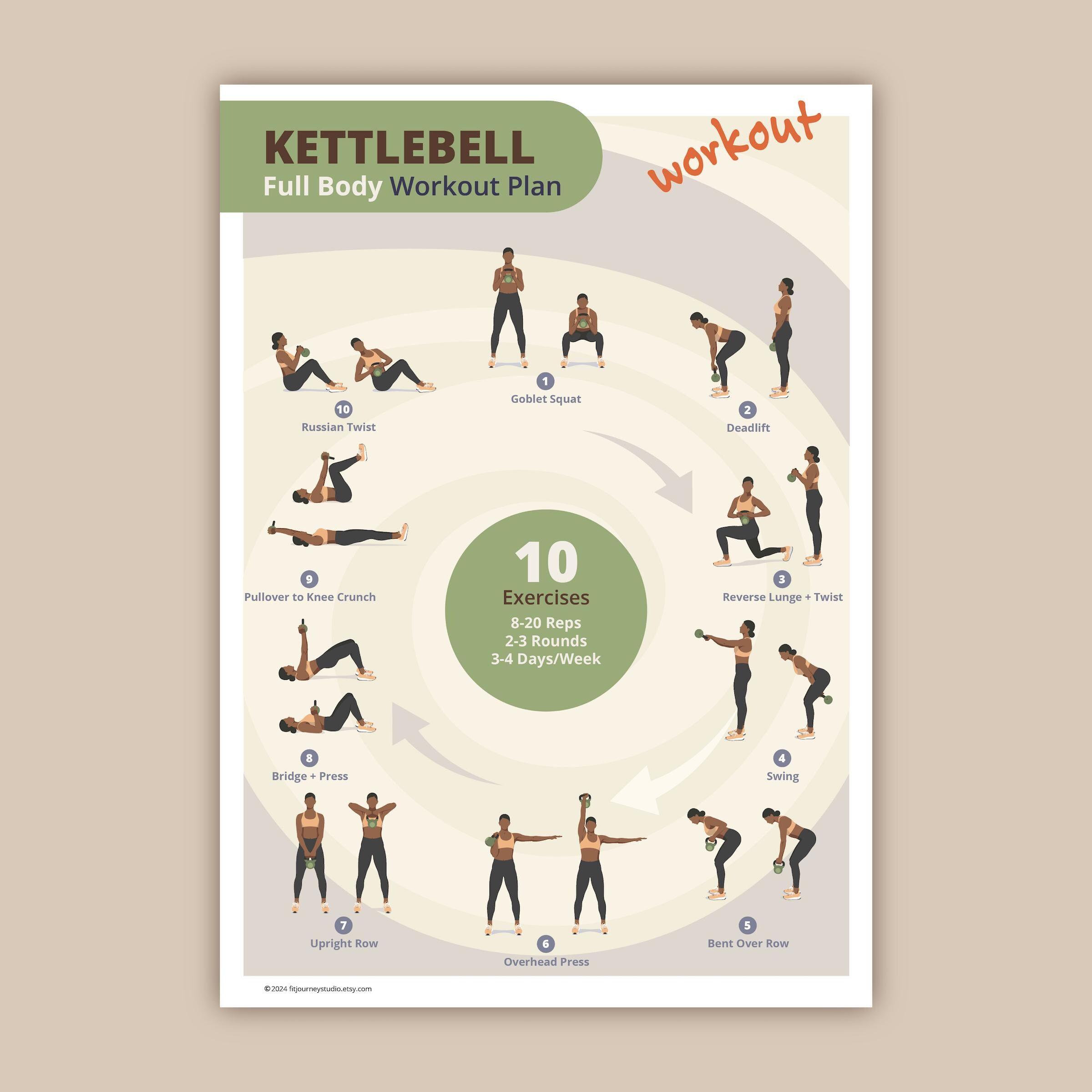
Swings are a fundamental kettlebell move. They focus on the hips, glutes, and core. The motion is explosive and helps build power and endurance.
Start with feet shoulder-width apart. Swing the kettlebell between your legs, then thrust your hips forward. Let the kettlebell rise to chest level. Keep your back straight and core tight.
Goblet Squats
Goblet squats strengthen the legs, glutes, and core. Hold the kettlebell close to your chest with both hands. Squat down by bending your knees and pushing your hips back.
Keep your chest up and feet flat on the floor. This move improves lower body strength and balance.
Turkish Get-ups
This move builds full-body strength and stability. Start lying on your back, holding the kettlebell above you with one hand. Slowly rise to a standing position while keeping the kettlebell raised.
It requires control and coordination. Practice slowly to master the technique safely.
Kettlebell Snatches
Snatches are advanced and improve power and endurance. Swing the kettlebell between your legs, then lift it overhead in one fluid motion. Catch it with a locked arm above your head.
This move works the entire body and challenges cardiovascular fitness. Focus on form to avoid injury.
Designing Your Fat-burning Routine
Designing your fat-burning routine with kettlebells means balancing effort and recovery to maximize results. It’s not just about working hard but working smart. Your plan should challenge your body while allowing enough time to rebuild stronger.
Setting Workout Frequency
How often you train with kettlebells impacts your progress significantly. Aim for 3 to 4 sessions per week to give your muscles time to recover and grow. Training too frequently can lead to burnout, while too little slows down fat loss.
Listen to your body’s signals. If you feel excessively sore or tired, consider adding a rest day. Consistency beats intensity when it comes to fat burning.
Choosing The Right Weight
Picking the right kettlebell weight can make or break your workout. Too light won’t challenge your muscles enough, and too heavy risks injury or poor form. Start with a weight that allows you to complete 12-15 reps with good technique but feels tough by the last few reps.
For most beginners, this means a kettlebell between 8-16 kg (18-35 lbs). As you get stronger, increase the weight gradually to keep your muscles guessing. Have you tried switching between weights for different exercises? It can be a game changer.
Combining Strength And Cardio
Kettlebell workouts are unique because they blend strength training and cardio in one session. Use exercises like swings, snatches, and cleans to keep your heart rate up while building muscle. This combo boosts calorie burn long after you stop exercising.
You can design circuits mixing heavy lifts with dynamic moves to keep things exciting. For example:
- 15 kettlebell swings
- 10 goblet squats
- 10 kettlebell presses per arm
- Rest for 60 seconds
Repeat for 3-4 rounds to torch fat and gain strength simultaneously. How could adding short bursts of cardio improve your current routine?

Credit: alder.in
Sample Weekly Workout Plan
A well-structured weekly kettlebell workout plan helps build strength and improve endurance. This sample plan suits different fitness levels. It balances work and rest days to avoid burnout. Adjust the weights and reps based on your progress.
Beginner Schedule
- Monday: Kettlebell swings – 3 sets of 10 reps
- Wednesday: Goblet squats – 3 sets of 8 reps
- Friday: Kettlebell deadlifts – 3 sets of 10 reps
- Saturday: Light cardio or rest
Focus on learning proper form. Rest between sets for 60 seconds.
Intermediate Routine
- Monday: Kettlebell clean and press – 4 sets of 8 reps
- Tuesday: Turkish get-ups – 3 sets of 5 reps per side
- Thursday: Kettlebell snatches – 4 sets of 10 reps
- Saturday: Lunges with kettlebell – 3 sets of 12 reps
Increase weight slightly. Rest for 45 seconds between sets.
Advanced Sessions
- Monday: Double kettlebell front squats – 5 sets of 10 reps
- Wednesday: Kettlebell thrusters – 5 sets of 12 reps
- Friday: Kettlebell windmills – 4 sets of 8 reps per side
- Sunday: High-intensity kettlebell circuit (swings, snatches, cleans) – 3 rounds
Push your limits carefully. Keep rest periods to 30 seconds.
Tips For Maximizing Results
Maximizing your results with a kettlebell workout plan requires more than just regular exercise. Focusing on key areas like form, progression, and recovery helps build strength safely and efficiently. Small changes in your routine can lead to big improvements in performance and results.
Maintaining Proper Form
Proper form prevents injuries and improves workout quality. Keep your back straight during swings and lifts. Engage your core muscles to support your spine. Avoid rounding your shoulders or locking your knees. Use a mirror or record yourself to check your technique. Start with lighter weights to learn the moves well before increasing load.
Progressive Overload Strategies
Progressive overload means gradually increasing workout difficulty. Add more weight to your kettlebell over time. Increase the number of repetitions or sets to challenge your muscles. Shorten rest periods between exercises for added intensity. Change the tempo of your movements to keep muscles adapting. Track your progress to stay motivated and consistent.
Recovery And Nutrition
Recovery is essential for muscle growth and strength gains. Give your muscles time to repair by resting 48 hours between sessions. Stretch your body to reduce stiffness and improve flexibility. Drink plenty of water to stay hydrated. Eat balanced meals rich in protein, healthy fats, and carbohydrates. Proper nutrition fuels your workouts and supports recovery.
Credit: visapoint.travel
Credit: www.etsy.com
Frequently Asked Questions
What Is The Best Kettlebell Workout Plan For Beginners?
A beginner kettlebell workout plan focuses on basic moves like swings, goblet squats, and presses. Start with light weights and perform 3 sessions per week. This approach builds strength, improves form, and prevents injuries while boosting overall fitness gradually.
How Often Should I Do Kettlebell Workouts Weekly?
For optimal results, perform kettlebell workouts 3 to 4 times weekly. This frequency balances muscle recovery and strength gains. Consistency is key to improving endurance, flexibility, and fat loss without overtraining or risking injuries.
Can Kettlebell Workouts Help With Weight Loss?
Yes, kettlebell workouts burn calories efficiently by combining cardio and strength training. They increase metabolism and promote fat loss while building muscle. Regular sessions paired with a healthy diet maximize weight loss and improve body composition.
What Equipment Do I Need For A Kettlebell Workout Plan?
You only need a kettlebell, ideally starting between 8-16 kg depending on your fitness level. Comfortable workout clothes and a flat surface are essential. No additional equipment is necessary for effective full-body kettlebell exercises.
Conclusion
Achieving fitness goals with kettlebells is simple and effective. These versatile tools offer strength and flexibility. Commit to a regular routine for the best results. Start with basic moves and gradually increase intensity. Listen to your body and rest when needed.
Consistency is key to progress. Enjoy improved health and energy. Remember, every step counts towards your fitness journey. A kettlebell workout is a great addition to any exercise plan. Keep moving and stay motivated. Your body will thank you for the effort.
Stay committed and enjoy the benefits of a stronger you.







