
Imagine having the ability to see the world through the eyes of a creature that can leap great distances and has impeccable vision. That’s the world of the jumping spider.
But what keeps this tiny acrobat so agile and energetic? It’s all about the jumping spider diet. If you’ve ever been fascinated by these tiny predators and wondered what fuels their impressive jumps, you’re in the right place. By understanding what they eat, you not only gain insight into their incredible feats but also discover surprising facts that might just change how you view your garden.
Get ready to dive into the simple yet fascinating diet of the jumping spider, and uncover secrets that will keep you hooked till the last word.
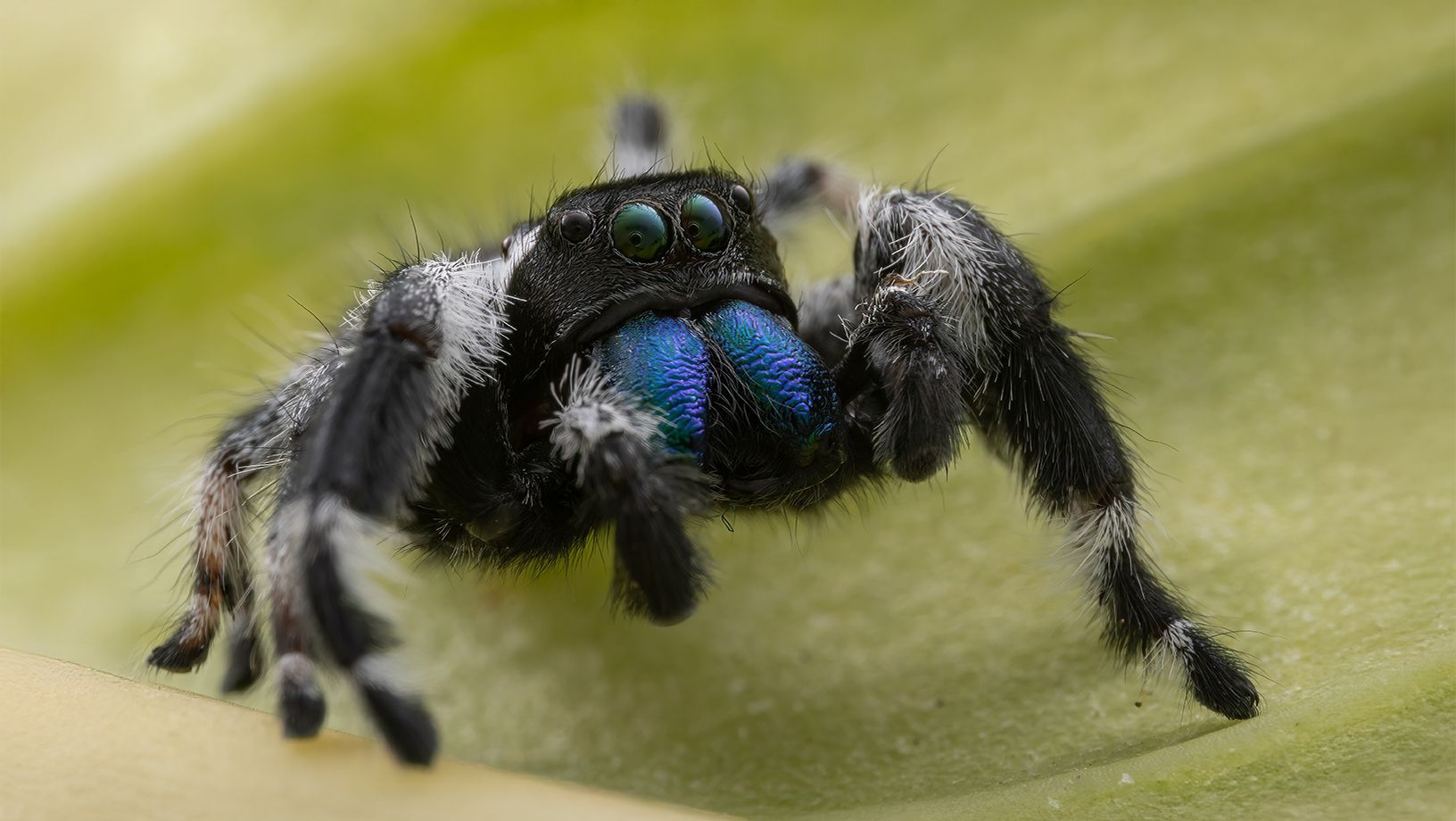
Credit: www.petsmart.com
Diet Basics
Understanding the diet basics of jumping spiders reveals how these tiny hunters survive and thrive. Their eating habits are fascinating and show a perfect blend of patience and precision. Let’s look closely at what they eat and how they catch their prey.
Typical Prey
Jumping spiders mainly feed on small insects and other arthropods. Their favorite meals include:
- Flies
- Aphids
- Crickets
- Mosquitoes
- Other small spiders
They don’t rely on one food source, which keeps their diet balanced. Have you ever noticed how spiders seem to adapt their menu depending on what’s available? That adaptability helps them survive in various environments.
Hunting Techniques
Unlike many spiders that trap prey in webs, jumping spiders actively hunt their food. They use their excellent eyesight to spot prey from a distance. Once they identify a target, they quietly stalk it and leap to capture it with precision.
Jumping spiders can jump many times their body length, which is crucial for catching fast or elusive prey. Their hunting strategy involves a mix of patience and sudden bursts of action. Imagine waiting quietly and then making a perfectly timed jump—this is how they succeed.
Surprising Food Choices
Jumping spiders are often celebrated for their agility and sharp eyesight, but their diet can surprise you just as much. These tiny hunters don’t stick solely to live prey; their food choices reveal a fascinating flexibility. Understanding what they eat beyond insects can change how you view these little creatures in your garden or home.
Plant Matter Consumption
While jumping spiders are primarily carnivorous, they sometimes nibble on plant matter. This includes pollen, nectar, and even sap from plants. These plant-based snacks provide essential nutrients and hydration, especially during dry spells when prey is scarce.
Have you ever observed a spider lingering near flowers? It might be feeding on pollen or nectar, which boosts its energy levels. This behavior challenges the idea that spiders only hunt and never consume anything green.
Scavenging Habits
Jumping spiders don’t always chase moving prey. They sometimes scavenge on dead insects or leftover food scraps. This habit shows their opportunistic nature and ability to adapt to their environment.
Imagine finding a spider on your windowsill feeding on a dead fly. That’s scavenging in action, helping spiders survive when hunting is tough. Could this mean you might support your local spider population by leaving small food scraps outdoors?
Nutritional Needs
Jumping spiders need a balanced diet to stay healthy and active. Their nutritional needs focus mainly on protein and water. These tiny hunters rely on their diet to support growth, energy, and bodily functions. Understanding their nutritional requirements helps in caring for them properly.
Protein Sources
Protein is the main part of a jumping spider’s diet. They eat small insects and other arthropods. Common protein sources include:
- Fruit flies
- Small crickets
- Springtails
- Aphids
- Other tiny bugs
These prey provide essential amino acids. Protein supports muscle development and repair. Young spiders need more protein to grow fast. Adult spiders use protein for energy and strength.
Hydration Methods
Jumping spiders get water in several ways. They often drink droplets of water. Moisture also comes from their prey. Some spiders lick dew or rain from leaves. Keep their habitat slightly humid to help with hydration.
- Provide fresh water droplets regularly
- Spray light mist on enclosure walls
- Include live prey with high water content
Proper hydration prevents dehydration and aids digestion. Hydrated spiders remain alert and active.
Feeding Behavior
Understanding the feeding behavior of jumping spiders reveals a lot about their survival strategies and hunting skills. These tiny predators don’t just eat; they carefully choose their prey and time their hunts to maximize success. Watching one in action can change how you think about these small but mighty hunters.
Day Vs Night Activity
Jumping spiders are primarily daytime hunters. Their excellent vision helps them spot prey in bright light, making daytime the best time for feeding. At night, their activity slows down since their eyesight isn’t as effective in the dark.
You might notice these spiders resting or hiding during nighttime, conserving energy for the next day’s hunt. This pattern shows how they adapt to their environment by focusing their efforts when hunting is most efficient. Have you ever seen a jumping spider active after sunset? It’s quite rare and usually means they are disturbed or searching for shelter.
Selective Eating
Jumping spiders don’t just catch anything that moves. They are picky eaters, often choosing prey based on size and ease of capture. Smaller insects like flies, moths, and ants make up the bulk of their diet.
Interestingly, they avoid prey that is too large or could pose a threat. This selectiveness increases their chances of a successful hunt and reduces injury risk. Next time you observe a jumping spider, watch which insects it targets and which it ignores—it’s a clear lesson in smart feeding choices.
Impact On Ecosystem
Jumping spiders play a subtle yet powerful role in balancing ecosystems through their diet. Their food choices ripple across their habitats, affecting various species and environmental health. Understanding this impact can change how you view these tiny hunters.
Pest Control Role
Jumping spiders are natural pest controllers. They actively hunt insects that damage plants and crops, such as aphids and flies. By reducing these pests, they help keep gardens and farms healthier without chemical pesticides.
Think about the last time you noticed fewer bugs on your plants. Could jumping spiders be the reason? Their hunting skills keep insect populations in check, which benefits both natural and human environments.
Food Chain Position
These spiders sit in the middle of the food chain. They consume small insects but also serve as prey for birds, lizards, and larger spiders. This dual role helps maintain the balance between predator and prey species.
Have you ever seen a bird swoop down to catch a spider? That moment illustrates how jumping spiders support other animals’ survival. Their presence ensures energy flows smoothly through the ecosystem, supporting biodiversity.

Credit: www.reddit.com
Captive Feeding Tips
Feeding your jumping spider in captivity requires attention to detail and a bit of trial and error. You want to provide a diet that mimics their natural preferences while keeping your spider healthy and active. Knowing what to feed and how often can make a huge difference in your spider’s wellbeing.
Suitable Food Options
Jumping spiders thrive on live prey, which keeps their hunting instincts sharp and provides essential nutrients. You can offer small insects like fruit flies, pinhead crickets, and tiny moths. Avoid large prey that your spider cannot handle, as it may cause stress or injury.
I once tried feeding my spider mealworms, but they were too tough and the spider ignored them completely. Instead, fruit flies became a favorite and noticeably improved its activity level. Think about what’s easily available to you and what your spider actually eats.
- Fruit flies (Drosophila melanogaster)
- Pinhead crickets
- Small moths and gnats
- Springtails
Feeding Frequency
Jumping spiders don’t need to eat every day, but regular feeding keeps them healthy. Feeding them every two to three days is usually sufficient. Overfeeding can lead to obesity and lethargy, while underfeeding may weaken your spider.
Watch your spider’s behavior and adjust accordingly. If it eagerly hunts and finishes its prey quickly, it might need more frequent meals. If it leaves food behind or seems less active, you might be feeding too often.
Have you noticed how your spider reacts after feeding? Its energy levels can tell you a lot about whether its diet needs tweaking.

Credit: bigfatphids.myshopify.com
Frequently Asked Questions
What Does A Jumping Spider Eat In The Wild?
Jumping spiders primarily eat small insects like flies, mosquitoes, and moths. They are active hunters and rely on excellent vision to catch prey.
Can Jumping Spiders Eat Fruits Or Plants?
No, jumping spiders are strictly carnivorous. They do not consume fruits or plants and depend solely on live prey for nutrition.
How Often Should I Feed A Pet Jumping Spider?
Feed pet jumping spiders every 2-3 days with small insects. Avoid overfeeding to maintain their health and natural hunting behavior.
Do Jumping Spiders Need Water To Survive?
Jumping spiders get most water from their prey. They may occasionally drink droplets but do not require standing water.
Conclusion
Jumping spiders eat many small insects to stay alive. They catch prey by jumping and using good eyesight. Their diet helps control pests in gardens and homes. Eating a variety of bugs keeps them strong and healthy. These spiders play an important role in nature’s balance.
Understanding their diet shows how useful they really are. Watching them hunt can be quite fascinating. They are small but mighty hunters in the insect world.







