
Are you tired of monotonous workouts that feel more like a chore than an energizing experience? Discover the power of a jump rope workout plan that not only revs up your heart rate but also brings a spark of joy to your fitness routine.
Imagine shedding calories, toning muscles, and boosting your stamina, all while having fun. This isn’t just another exercise plan; it’s a transformative approach that taps into both your physical and mental potential. Ready to unlock a fitter, more vibrant version of yourself?
Read on to find out how a simple jump rope can become your new favorite fitness tool.
Credit: www.lemon8-app.com
Benefits Of Jump Rope Workouts
Jump rope workouts offer many health benefits. They are simple, fun, and effective for all fitness levels. You can do them anywhere, making them perfect for busy schedules. These workouts help improve your body and mind in several ways.
Burning Calories Efficiently
Jumping rope burns a lot of calories quickly. It raises your heart rate, helping you burn fat. Just 10 minutes can equal the calorie burn of longer exercises. This makes it great for weight loss and staying fit.
Improving Cardiovascular Health
Jump rope workouts strengthen your heart and lungs. They increase blood flow and improve oxygen use. This lowers the risk of heart disease. Regular jumping also helps reduce blood pressure and cholesterol levels.
Enhancing Coordination And Agility
Jumping rope requires timing and rhythm. It trains your brain and muscles to work together. This improves balance, coordination, and reflexes. These skills help in sports and daily activities.
Essential Gear For Jump Rope Training
Having the right gear can make a big difference in your jump rope training experience. It not only boosts your performance but also helps prevent injuries. Before you start jumping, make sure your equipment matches your workout goals and environment.
Choosing The Right Jump Rope
Not all jump ropes are created equal. The material, length, and handle design affect how smoothly you jump and how long you can train without discomfort.
- Material:Speed ropes made of thin wire are great for fast-paced workouts, while thicker ropes like beaded or leather ones offer more control for beginners.
- Length:Stand on the middle of the rope and pull the handles up; they should reach your armpits. Too long or too short can throw off your rhythm.
- Handles:Look for handles with good grip and possibly ball bearings inside to ensure smooth rotations.
I once struggled with a rope that was too long, and my jumps were all over the place. Adjusting to the right length made my workout feel easier and more enjoyable. What kind of rope are you using now?
Footwear And Surface Tips
The surface you jump on and the shoes you wear play a huge role in your safety and comfort. Hard surfaces can strain your joints, while soft surfaces might slow you down.
- Footwear:Choose shoes with good cushioning and support. Running shoes or cross-trainers work well because they absorb shock and protect your feet.
- Surface:Avoid concrete or asphalt if possible. Wood floors, rubber mats, or gym flooring provide better shock absorption and reduce injury risk.
I used to jump on concrete without proper shoes and ended up with sore knees. Switching to a gym mat and supportive shoes helped me jump longer and recover faster. Have you noticed any discomfort during your sessions?
Warm-up Moves Before Jumping
Warming up before your jump rope workout is key to improving your performance and preventing injuries. It prepares your muscles and joints for the high-impact activity ahead. Skipping this step can leave you feeling stiff and increase the risk of strains.
Dynamic Stretching
Dynamic stretching involves moving your body through a range of motions to increase blood flow and flexibility. Try leg swings, arm circles, and hip rotations to loosen up the muscles you’ll use during jumping.
These movements mimic the actions in your workout, which helps your body adapt quickly. I once skipped dynamic stretches and felt tightness in my calves within minutes. Adding just five minutes of these stretches made a noticeable difference in my jump rope sessions.
Light Cardio Exercises
Light cardio exercises raise your heart rate gradually and warm up your entire body. Activities like brisk walking, jogging in place, or slow jumping jacks can help you get ready for a more intense jump rope routine.
Starting with light cardio also enhances your coordination and rhythm, which are essential for smooth rope swings. Have you noticed how your jumps feel easier after spending a few minutes doing light cardio first?
Basic Jump Rope Techniques
Mastering basic jump rope techniques sets a strong foundation for your workout plan. These simple moves build coordination, improve timing, and boost endurance. Getting comfortable with these basics helps you avoid injury and keeps your sessions fun.
Single Jumps
Single jumps are the simplest and most effective way to start. You jump once every time the rope passes under your feet. Focus on staying light on your toes and keeping your jumps low—about 1 to 2 inches off the ground.
Try to maintain a steady rhythm rather than jumping too high or too fast. If you struggle to keep pace, slow down the rope speed. Ask yourself: Can you keep a smooth, continuous bounce without tripping?
Practicing single jumps regularly improves your timing and builds stamina. It’s easy to track your progress by counting how many you can do without stopping. This move also helps you develop proper wrist control, which is crucial for more advanced techniques.
Alternate Foot Steps
Alternate foot steps mimic a running motion while you jump. Instead of jumping with both feet together, you lift one foot at a time. This technique adds a cardio element and challenges your balance and coordination.
Start slow and focus on landing softly on the balls of your feet. Keep your knees slightly bent to absorb impact and avoid stiffness. Do you notice how your heart rate rises faster with this move?
Alternate foot steps help you build agility and improve your footwork, useful for other sports and workouts. You can increase intensity by picking up the pace or adding a double jump between steps. This variety keeps your routine interesting and pushes your fitness level further.
Advanced Jump Rope Moves
Advanced jump rope moves push your skills beyond basic jumping. They challenge your coordination, speed, and endurance in new ways. Mastering these moves can transform your workout, making it more dynamic and effective.
Double Unders
Double unders require the rope to pass under your feet twice with each jump. This move demands quicker wrist action and higher jumps than regular skipping. It’s a fantastic way to boost your heart rate and improve timing.
Start by practicing single jumps with fast wrist rotations. Then, try to jump a bit higher and spin the rope faster. Don’t get discouraged if you miss at first; it takes practice to sync your jumps with the rope speed.
Criss-cross
The criss-cross involves crossing your arms in front of your body while the rope swings under your feet. This move tests your arm coordination and timing. It adds variety and a cool visual element to your routine.
Begin with a few regular jumps, then cross your arms at the elbows just before the rope hits the floor. Uncross them on the next jump. If you struggle to keep the rhythm, slow down and focus on arm movement before picking up speed.
High Knees
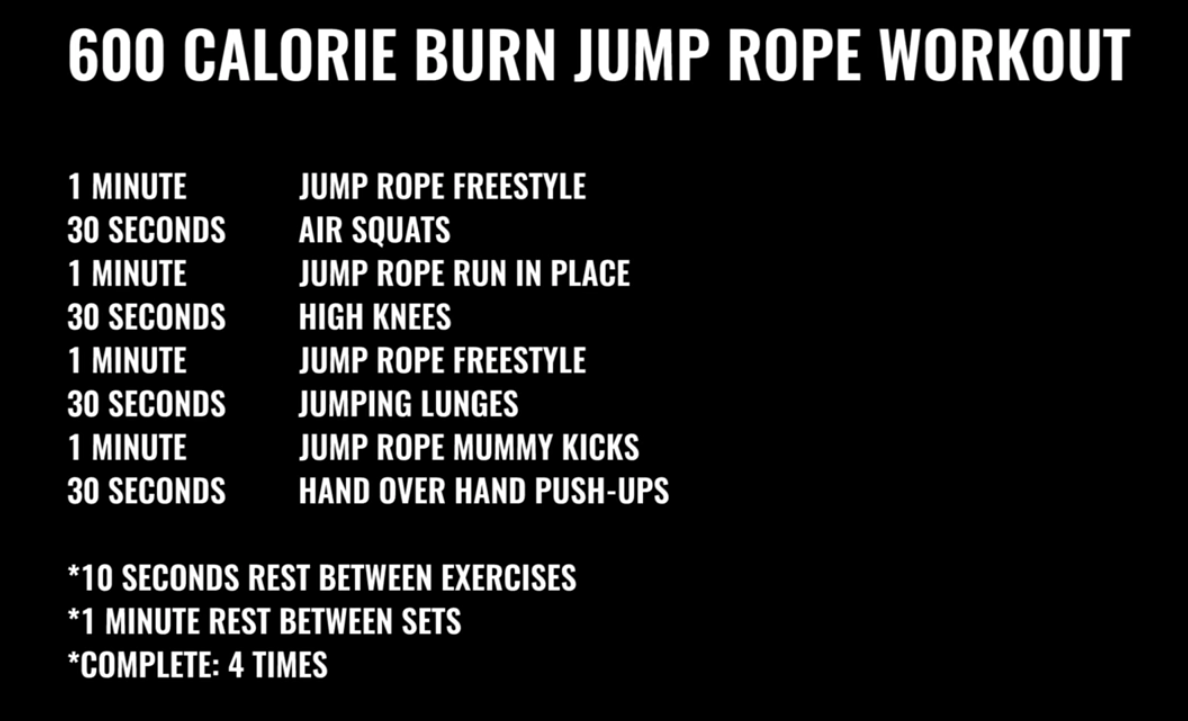
High knees with a jump rope increase intensity by combining running motion with rope jumping. You lift your knees to waist height while turning the rope, which burns more calories and improves leg strength. This move also enhances your agility and balance.
Keep your core tight and land softly on the balls of your feet. It’s easy to lose pace, so start slow and build up speed gradually. How fast can you keep your knees high without tripping on the rope?
Credit: medium.com
Sample Weekly Workout Plan
A jump rope workout plan helps build fitness and coordination. It suits all levels, from beginners to advanced jumpers. This sample weekly workout plan shows how to organize your sessions. It balances intensity and rest for steady progress.
Each routine focuses on timing and different jump styles. Follow a routine that fits your skill and comfort. Consistency brings better stamina and muscle tone. Enjoy the rhythm and challenge of jumping rope daily.
Beginner Routine
- Day 1: 5 sets of 30 seconds jumping, 30 seconds rest
- Day 2: Rest or light walking
- Day 3: 6 sets of 30 seconds basic jumps, 30 seconds rest
- Day 4: Rest or stretching
- Day 5: 7 sets of 30 seconds jumping, 30 seconds rest
- Day 6: Rest or light activity
- Day 7: 10 minutes steady jump rope at easy pace
Intermediate Routine
- Day 1: 8 sets of 45 seconds jump, 15 seconds rest
- Day 2: Active recovery: brisk walk or cycling
- Day 3: 10 sets alternating basic and high knees, 20 seconds rest
- Day 4: Rest or gentle stretching
- Day 5: 12 sets of 40 seconds jump, 20 seconds rest
- Day 6: Light cardio or yoga
- Day 7: 15 minutes steady jump rope at moderate pace
Advanced Routine
- Day 1: 12 sets of 60 seconds jump, 15 seconds rest
- Day 2: Cross-training or strength training
- Day 3: 15 sets of mixed jumps: double unders, criss-cross, high knees
- Day 4: Rest or active recovery
- Day 5: 10 sets of 90 seconds jump, 30 seconds rest
- Day 6: Endurance cardio or mobility work
- Day 7: 20 minutes steady jump rope at challenging pace
Tips To Maximize Fat Burn
Maximizing fat burn during your jump rope workout doesn’t just happen by jumping longer. You need targeted strategies that push your body efficiently and safely. Small changes in how you train and breathe can make a big difference in calorie burn and endurance.
Interval Training
Switching between high and low intensity keeps your heart rate fluctuating, which burns more fat than steady jumping. Try jumping fast for 30 seconds, then slow down for 1 minute to recover. Repeat this cycle for 15 to 20 minutes.
This approach forces your body to work harder during the intense bursts and recover actively, improving your metabolism. How often do you challenge yourself to push beyond your comfort zone during workouts?
Proper Form And Breathing
Keeping the right posture prevents injuries and helps you jump longer without fatigue. Keep your elbows close to your sides and your wrists doing most of the work, not your arms.
Breathing deeply and rhythmically fuels your muscles with oxygen and controls your pace. Try inhaling for two jumps and exhaling for two jumps to maintain a steady rhythm. Have you noticed how controlled breathing can make tough workouts feel easier?
Common Mistakes To Avoid
Jump rope workouts are fantastic for boosting your fitness, but they can also lead to frustration or injury if you fall into common traps. Avoiding these mistakes will help you stay safe and make the most of every jump. Let’s look at some key pitfalls you should watch out for.
Jumping Too High
Many beginners think they need to jump very high with every rope rotation. This wastes energy and increases the risk of landing hard on your feet.
Try to keep your jumps low—just enough to clear the rope. This small adjustment saves energy and lets you maintain a steady rhythm for longer sessions.
Have you noticed how much easier it feels when you minimize your jump height? It’s a simple tweak that can drastically improve your endurance.
Poor Posture
Slouching or leaning forward while jumping puts unnecessary strain on your back and neck. Good posture supports better breathing and reduces injury risk.
Stand tall with your shoulders relaxed and your gaze straight ahead. Keep your elbows close to your body and use your wrists to turn the rope, not your arms.
Next time you jump, check your reflection or record yourself. Can you spot any posture flaws that might be holding you back?
Overtraining Risks
Jump rope is intense, and doing too much too soon can lead to sore joints, shin splints, or burnout. Your body needs time to adapt.
Start with short sessions and gradually add more time or intensity. Make rest days part of your routine to help your muscles recover and grow stronger.
If you find yourself dreading your jump rope workout, could it be a sign you’re pushing too hard? Listen to your body’s signals to avoid setbacks.
Tracking Progress And Staying Motivated
Tracking your progress and staying motivated are key to getting the most out of your jump rope workout plan. Without clear markers of improvement, it’s easy to lose interest or feel stuck. Keeping a close eye on your achievements helps you push further and celebrate small wins along the way.
Setting Goals
Start by setting specific, achievable goals for your jump rope sessions. Instead of saying “I want to jump more,” try “I will jump for 5 minutes without stopping” or “I will complete 100 jumps in a row.”
Break your goals into daily, weekly, and monthly targets. This helps you maintain focus and gives you something to look forward to. Ask yourself, what’s one small challenge you can add today to improve?
Tracking these goals visually, like using a checklist or calendar, can make your progress feel real. It’s motivating to see your consistency build over time.
Using Apps And Gadgets
Technology can be a great ally in your jump rope journey. Apps designed for jump rope workouts can count your jumps, time your sessions, and even guide you through routines.
Wearable gadgets like fitness trackers monitor your heart rate and calories burned, giving you instant feedback on your effort. This data helps you adjust your intensity for better results.
Many apps also include community features. Connecting with others who share your goals can boost your motivation and create a sense of accountability.
- Try apps like “Jump Rope Training” or “Crossrope” for structured workouts.
- Use your smartwatch or fitness band to track session duration and heart rate.
- Join online jump rope challenges to stay engaged and competitive.
What’s one gadget or app you could add to your routine today to make tracking easier and more fun?

Credit: www.etsy.com
Frequently Asked Questions
What Are The Benefits Of A Jump Rope Workout Plan?
A jump rope workout improves cardiovascular health, burns calories, and builds coordination. It strengthens muscles and boosts endurance effectively. This workout is convenient and low-cost, making it ideal for all fitness levels.
How Often Should I Do A Jump Rope Workout?
For best results, jump rope 3 to 5 times per week. Each session should last 15 to 30 minutes. Consistency helps improve stamina, coordination, and weight loss over time.
Can Beginners Start With A Jump Rope Workout Plan?
Yes, beginners can start with short intervals and slow pace. Gradually increase duration and intensity to avoid injury. Proper technique and warm-up are essential for safety.
What Equipment Do I Need For A Jump Rope Workout?
All you need is a good quality jump rope and comfortable shoes. Choose a rope length that suits your height. An open space with a flat surface is ideal.
Conclusion
Jump rope workouts build strength and improve heart health fast. They burn calories and boost coordination easily. You can do them anywhere, anytime. Just a few minutes daily bring great results. Stay consistent and increase your speed or time slowly.
Enjoy the fun and challenge of jumping rope. It’s a simple way to stay active and fit. Start today and feel the difference soon. Keep jumping, keep moving, and stay healthy!







