
Are you struggling to lose weight despite trying countless diets and workouts? What if there was a natural supplement that could support your weight loss efforts and help balance your body from within?
Inositol might be the missing piece you’ve been looking for. This powerful nutrient has caught the attention of many for its potential to boost metabolism, reduce cravings, and improve overall health. Keep reading to discover how inositol can make a real difference in your weight loss journey and why it might be the key to unlocking your best self.

Credit: www.amazon.com
What Is Inositol?
Inositol is a natural compound often linked to brain health and cellular functions. You might not hear about it as much as vitamins or minerals, but it plays a critical role in your body. Understanding what inositol is can change how you view your weight loss journey and overall wellness.
What Exactly Is Inositol?
Inositol is a type of sugar that influences the way your cells communicate. It belongs to the vitamin B family, sometimes called vitamin B8, though it’s not officially classified as a vitamin. Your body produces it naturally, and you can also get it from foods like fruits, beans, grains, and nuts.
How Does Inositol Work In Your Body?
Inositol helps manage the function of insulin, a hormone that controls your blood sugar. It also affects neurotransmitters, chemicals that carry messages in your brain. These roles make inositol important for mood regulation, metabolism, and fat storage.
Types Of Inositol You Should Know
- Myoinositol:The most common form found in your cells, associated with hormone balance.
- D-chiro-inositol:Plays a key role in insulin signaling and can affect fat metabolism.
Both forms are sometimes combined in supplements aimed at improving metabolic health, which might be useful if you’re dealing with weight issues.
Can Inositol Affect Your Weight?
Research suggests inositol may support weight loss by improving insulin sensitivity and reducing cravings. Some people notice better energy levels and less fat accumulation when they add inositol to their routine. Have you considered if balancing your hormones might be the missing piece in your weight loss plan?
How Inositol Affects Metabolism
Inositol plays a key role in how the body uses energy. It helps control many processes that affect metabolism. Understanding its impact can show why it matters for weight loss efforts.
Role In Fat Breakdown
Inositol supports the breakdown of fats in the body. It helps cells use fat as fuel instead of storing it. This process can reduce fat accumulation over time. Inositol also aids in the movement of fat molecules. This makes it easier for the body to burn fat during activity.
Impact On Insulin Sensitivity
Inositol improves how the body reacts to insulin. Better insulin sensitivity helps control blood sugar levels. Stable blood sugar reduces fat storage and cravings. It also lowers the risk of insulin resistance, a condition linked to weight gain. By balancing insulin, inositol supports healthier metabolism and weight management.
Inositol And Appetite Control
Controlling your appetite is a key factor in managing weight effectively. Inositol, a naturally occurring compound found in many foods and supplements, shows promise in helping regulate hunger. Understanding how it interacts with your body’s signals can offer practical ways to reduce overeating and support your weight loss goals.
Effects On Hunger Hormones
Inositol influences hormones that control hunger, such as insulin and leptin. These hormones tell your brain when you are full or need more energy. When your body responds well to insulin and leptin, you feel satisfied after meals and avoid unnecessary snacking.
Some people experience insulin resistance, which can cause constant hunger and weight gain. Inositol may improve insulin sensitivity, helping your body use sugar more efficiently. This can reduce the frequent hunger pangs that derail many diets.
Reducing Cravings
Cravings often come from imbalances in brain chemicals like serotonin. Inositol plays a role in boosting serotonin activity, which can calm your mind and reduce emotional eating. When stress or mood swings trigger your cravings, inositol might help keep those urges in check.
Imagine facing fewer late-night cravings or cutting down on sugar binges without much struggle. Adding inositol to your routine could make those moments easier to handle. Have you noticed times when your cravings disappear after a healthy meal or good night’s sleep? Inositol might be supporting your body’s natural balance in similar ways.
Scientific Studies On Inositol For Fat Loss
Inositol has gained attention in recent years. Many are curious about its role in weight loss. This natural compound, often found in foods, might help with fat loss. Various studies have looked into its effects. Let’s explore what scientific research reveals.
Clinical Trials Summary
Several clinical trials have tested inositol’s impact on weight loss. These studies involved participants with different health profiles. Most trials focused on women with PCOS, a condition linked to weight gain. Researchers administered inositol over weeks or months. They monitored changes in body weight and fat percentage.
Results And Findings
The findings from these studies are promising. Many participants saw a reduction in body weight. Some experienced a decrease in body mass index (BMI). Inositol seemed particularly effective in reducing abdominal fat. This type of fat is often hard to lose. The studies suggest inositol may help improve metabolism. It might also enhance insulin sensitivity. These factors contribute to weight loss.
Best Sources Of Inositol
Finding the best sources of inositol can make a real difference in your weight loss journey. You might be surprised how easily you can add this nutrient to your diet. Knowing where to get inositol naturally and through supplements helps you choose what fits your lifestyle and goals.
Natural Food Sources
Inositol is found in many everyday foods that you may already enjoy. Whole grains like brown rice and oats are good sources, giving you a steady supply of inositol with every meal.
Fruits such as oranges and cantaloupes also contain inositol, adding a sweet and refreshing way to boost your intake. Beans and nuts, especially almonds and walnuts, offer another powerful source, packed with nutrients that support your overall health.
Have you ever noticed how eating a balanced meal with these foods leaves you feeling fuller longer? That’s partly due to the benefits of inositol working inside your body.
Supplement Options
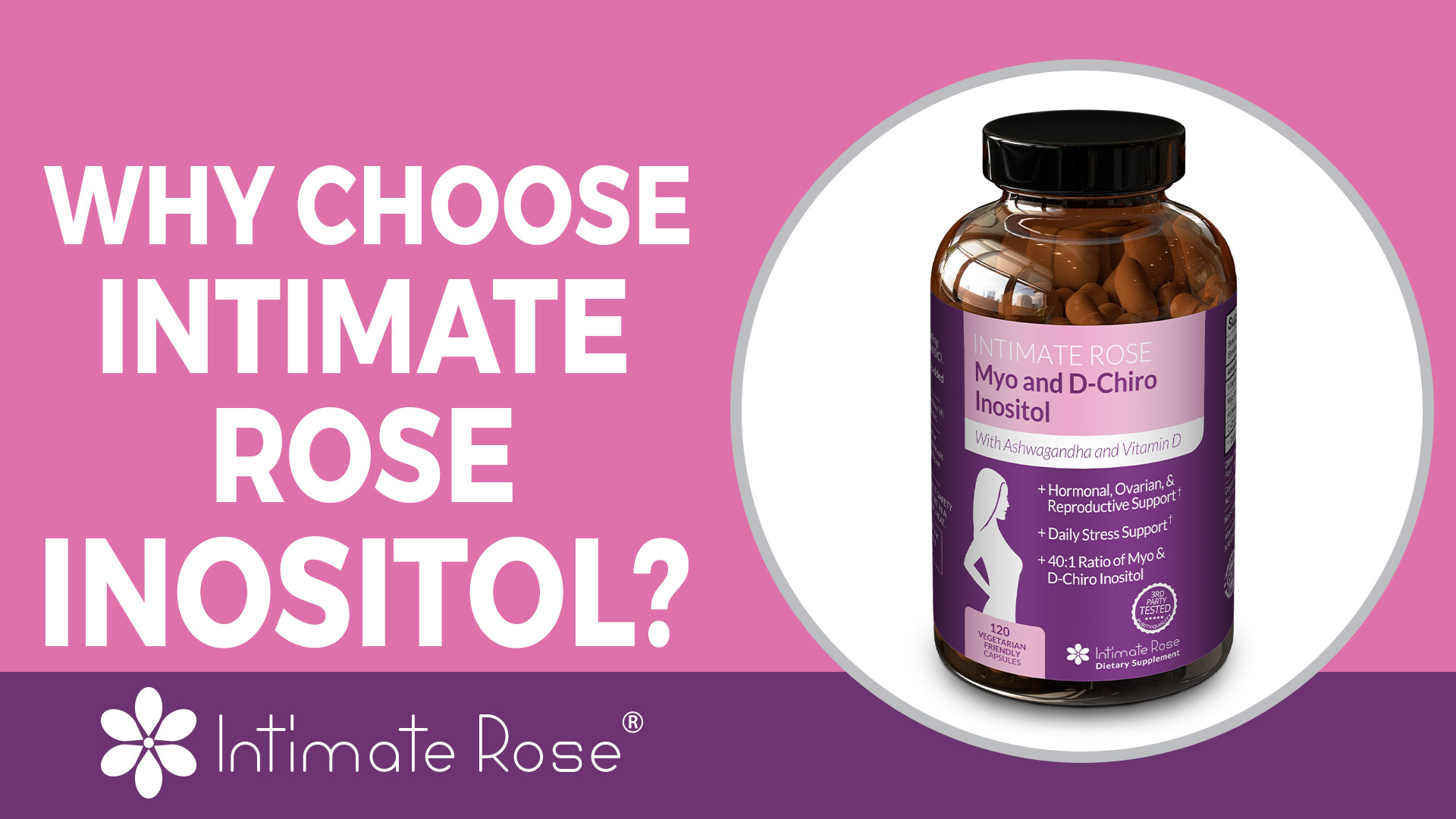
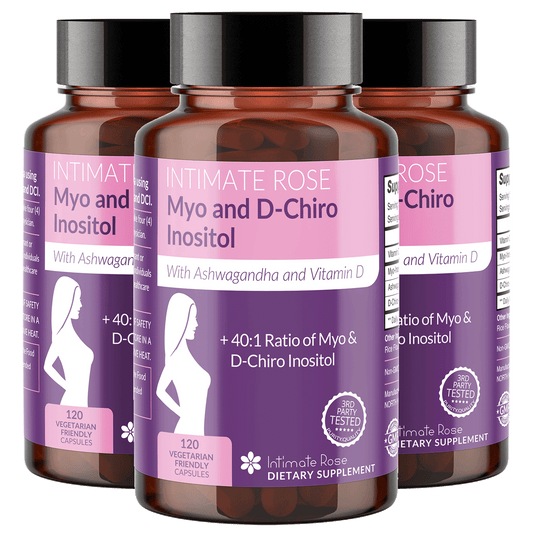
If you struggle to get enough inositol from food alone, supplements can be a practical choice. They come in various forms, including powders and capsules, so you can pick what’s easiest for you to take regularly.
Many people find powdered inositol easy to mix into water or juice, making it a quick addition to your daily routine. Capsules offer convenience when you’re on the go or don’t want to taste anything extra.
Before you start, consider your daily inositol needs and check with a healthcare provider to find the right dose. Are you ready to try a supplement to see how it might support your weight loss efforts?
Credit: www.amazon.ca
How To Use Inositol For Weight Loss
Inositol can support weight loss by improving metabolism and reducing insulin resistance. Using it correctly helps maximize these benefits. Understanding the right dosage and timing is key to seeing results without risks.
Recommended Dosage
The typical dose for weight loss ranges from 2 to 4 grams daily. Starting with a lower dose helps your body adjust. You can increase the amount after a week if needed. Avoid exceeding 18 grams per day, as high doses may cause side effects.
Inositol is usually taken in powder or capsule form. Split the total daily dose into two or three smaller doses. This maintains steady levels in your body and improves absorption.
Timing And Combination Tips
Take inositol with meals to reduce the chance of stomach upset. Morning and evening doses work well for most people. Consistency each day supports better results.
Pair inositol with a balanced diet and regular exercise for best effects. Combining it with vitamins like folic acid may enhance its benefits. Avoid taking it with caffeine, which can interfere with absorption.
Drink plenty of water to help your body process inositol efficiently. Track your progress and adjust timing or dosage if needed.
Potential Side Effects And Safety
Considering inositol for weight loss? It’s smart to understand its potential side effects and safety. While many find inositol helpful, some experience mild reactions. Knowing what to expect helps you make safer choices.
Common Reactions
Most people tolerate inositol well, but some report minor side effects. These can include:
- Nausea or upset stomach
- Headaches
- Dizziness
- Fatigue or drowsiness
These symptoms usually fade as your body adjusts. If you notice persistent discomfort, consider lowering the dose or consulting a healthcare professional.
Who Should Avoid It
Inositol isn’t suitable for everyone. Avoid it if you:
- Are pregnant or breastfeeding, due to limited safety data
- Have a history of bipolar disorder, as it may trigger mood changes
- Take medications that affect serotonin levels, unless advised by a doctor
Always check with your healthcare provider before starting inositol, especially if you have existing health conditions. Could skipping this step lead to unnecessary risks?
Inositol Vs Other Fat Burners
Inositol is often compared to other fat burners in the weight loss world. It plays a unique role in the body’s metabolism. Unlike many fat burners that focus on speeding up fat breakdown, inositol supports insulin function and hormone balance. This can indirectly help with weight management. Understanding how inositol measures up against other fat burners helps in choosing the right option.
Comparing Effectiveness
Inositol works by improving insulin sensitivity. This can reduce fat storage and control appetite. Many fat burners rely on stimulants to boost metabolism and energy. These include caffeine, green tea extract, and synephrine. Such stimulants can lead to quick fat burning but may cause jitters or crashes.
Inositol’s effect is slower but more balanced. It targets the root causes of weight gain like hormonal imbalances. Other fat burners act faster but may not address underlying issues. For people with insulin resistance, inositol might offer better long-term results.
Advantages And Disadvantages
- Inositol Advantages:Supports hormone balance, gentle on the body, helps reduce cravings.
- Inositol Disadvantages:Slower action, less immediate fat burning, requires consistent use.
- Other Fat Burners Advantages:Fast energy boost, quick fat loss, often easy to find.
- Other Fat Burners Disadvantages:Possible side effects like anxiety, may cause tolerance, not suitable for everyone.
Choosing between inositol and other fat burners depends on personal health goals. Inositol suits those seeking steady, natural support. Other fat burners fit those wanting rapid results with stimulant effects.
Credit: www.intimaterose.com
Frequently Asked Questions
What Is Inositol And How Does It Aid Weight Loss?
Inositol is a natural compound that supports fat metabolism. It improves insulin sensitivity, helping regulate blood sugar and reduce fat storage. This makes weight loss easier and more effective when combined with a healthy diet and exercise.
Can Inositol Reduce Belly Fat Effectively?
Inositol helps reduce insulin resistance, which is linked to belly fat accumulation. By improving hormone balance, it can target stubborn fat areas like the abdomen. However, results vary and should be supported by lifestyle changes.
How Much Inositol Should I Take For Weight Loss?
A typical dose ranges from 2 to 4 grams daily. Start with a lower amount and consult a healthcare provider for personalized advice. Proper dosing enhances benefits and reduces the risk of side effects.
Are There Any Side Effects Of Inositol For Weight Loss?
Inositol is generally safe with minimal side effects. Some people may experience mild digestive issues like nausea or diarrhea. Always follow recommended doses and speak to a doctor if unsure.
Conclusion
Inositol may support weight loss by improving metabolism and reducing cravings. It helps balance hormones and supports mood, which can affect eating habits. Consistent use and healthy lifestyle changes work best together. Always check with a doctor before starting any supplement.
Small steps add up to big results. Stay patient and focused on your goals.







