
Are you ready to transform your physique and unlock your body’s full potential? A hypertrophy workout plan might be exactly what you need to start seeing real results in the mirror.
If you’ve ever felt stuck in your fitness journey, struggling to gain muscle despite spending countless hours at the gym, you’re not alone. Many people face the same challenge, but the right workout plan can make all the difference. Imagine having a clear, effective roadmap that guides you every step of the way, helping you pack on muscle and build the body you’ve always wanted.
This blog post will dive into the essentials of a hypertrophy workout plan, breaking down the science behind muscle growth and providing you with actionable strategies. Stick around and discover how you can maximize your gains, optimize your workouts, and finally achieve those fitness goals.

Credit: www.reddit.com
Key Principles Of Hypertrophy
Understanding the key principles of hypertrophy is essential for anyone serious about building muscle. These principles guide how you design your workouts and push your body to grow. Without a clear grasp of these concepts, you might be spinning your wheels in the gym without seeing real progress.
Muscle Growth Mechanisms
Muscle growth happens when your muscle fibers experience stress and damage during exercise. This triggers your body to repair and build them stronger and bigger. There are three main drivers of muscle growth:
- Mechanical tension:The force your muscles generate during lifting.
- Muscle damage:Small tears in muscle fibers that trigger repair.
- Metabolic stress:The burn and pump you feel from accumulating metabolites like lactic acid.
Have you noticed how lifting heavier weights feels different than doing high-rep sets? Both contribute to growth but in unique ways. Balancing these factors can help you optimize your training.
Training Volume And Intensity
Volume means the total amount of work you do, usually sets x reps x weight. Intensity refers to how heavy the weight is compared to your maximum lift. Both need to be balanced carefully.
Too little volume won’t stimulate growth, but too much can lead to overtraining. Similarly, intensity must be high enough to challenge your muscles but not so high that it causes injury or burnout.
Think about your last workout—did you push just enough to feel challenged, or did you stop short? Your muscles need that sweet spot between effort and recovery to grow.
Role Of Progressive Overload
Progressive overload means gradually increasing the demands on your muscles. Without it, your body adapts and growth stalls. This can be done by adding weight, increasing reps, or improving exercise form.
I once stuck to the same weights for weeks and saw no change. Once I started adding just a little more weight each session, my gains skyrocketed. What small step can you take today to push your limits a bit further?
Remember, consistency is key. Even tiny improvements add up over time and keep your muscles growing.
Designing Your Workout Split
Designing your workout split is a key step in building muscle effectively. How you divide your training sessions affects your progress, recovery, and motivation. Choosing the right approach lets you train smarter, not just harder.
Full Body Vs Split Routines
Full body routines hit all major muscles each workout, usually 3 times a week. This can be great if you have limited time or want to build a solid foundation quickly.
Split routines focus on different muscle groups in separate sessions, like chest on Monday and legs on Tuesday. This allows more volume and intensity for each muscle but requires more days in the gym.
Think about your schedule and goals. Can you commit 4-5 days a week? A split might suit you. If not, full body workouts can still produce great hypertrophy results.
Frequency And Recovery
Muscles grow during rest, not just while you lift. Training a muscle 2-3 times per week often yields better gains than hitting it once.
However, recovery needs vary. If your workouts leave you sore for days, you might be overdoing it. Pay attention to how your body feels and adjust frequency accordingly.
- Try training each muscle group twice a week with moderate volume.
- Increase rest days if you notice fatigue or performance drops.
- Use lighter sessions or active recovery to keep moving without strain.
Balancing Muscle Groups
Neglecting certain muscles can cause imbalances and even injuries. Make sure your plan includes all major groups: chest, back, legs, shoulders, and arms.
Some people overtrain chest and arms because they want bigger arms fast. But ignoring your legs or back will hurt your overall strength and appearance.
Try creating a balanced split that pairs complementary muscles, like back with biceps and chest with triceps. This keeps your workouts efficient and balanced.
Effective Exercises For Muscle Gain
Building muscle requires the right exercises that target multiple muscle groups efficiently. A well-rounded hypertrophy workout plan includes various movements that stimulate muscle growth. Focusing on effective exercises ensures better results in less time.
Compound Movements
Compound movements work several muscles at once. They are key for muscle gain and strength. Examples include:
- Squats
- Deadlifts
- Bench press
- Pull-ups
- Overhead press
These exercises burn more calories and promote hormone release. They help build a solid foundation for your muscles.
Isolation Exercises
Isolation exercises target one muscle at a time. They help shape and define specific muscles. Common isolation moves are:
- Bicep curls
- Tricep extensions
- Leg curls
- Lateral raises
- Calf raises
Use isolation exercises to fix muscle imbalances and improve weak points.
Incorporating Machines And Free Weights
Machines guide your movement and add safety. They suit beginners and help focus on muscles. Free weights require more control and balance. They engage stabilizer muscles and improve coordination.
Combining machines and free weights creates a balanced routine. This approach avoids plateaus and keeps progress steady.
Rep Ranges And Sets For Growth
Understanding the right rep ranges and sets is key to building muscle effectively. These factors control how your muscles grow and recover. Choosing the correct numbers helps push your muscles to adapt and get bigger.
Different rep ranges target various muscle fibers and growth types. The volume of sets and rest periods also affect the workout’s overall impact. Tailoring these elements can lead to better results.
Optimal Repetitions
The best rep range for muscle growth is usually between 6 and 12 repetitions. This range balances strength and muscle size development. Lower reps build strength but less size. Higher reps improve endurance but less muscle growth.
Staying in this range creates enough tension and fatigue. It stimulates muscle fibers to grow and repair stronger. Avoid reps under 6 or over 15 for hypertrophy focus.
Set Volume And Rest Periods
Doing 3 to 5 sets per exercise works well for muscle growth. This volume provides enough work without overtraining. Rest periods between sets should last 60 to 90 seconds.
This rest time lets muscles recover partially. It maintains workout intensity and promotes growth. Shorter rest reduces strength for next set. Longer rest lowers muscle fatigue and reduces growth stimulus.
Adjusting For Different Muscle Types
Muscle groups respond differently to reps and sets. Large muscles like legs and back handle higher volume well. Use 4 to 6 sets with reps around 8 to 12.
Smaller muscles like biceps and triceps need less volume. Stick to 3 to 4 sets and reps between 8 and 12. Adjust rest times slightly shorter for smaller muscles.
Mixing rep ranges occasionally helps target all muscle fibers. It improves overall muscle balance and growth.
Nutrition Strategies To Support Hypertrophy
Nutrition plays a key role in building muscle through hypertrophy. Eating the right foods fuels workouts and helps muscles recover and grow. Without proper nutrition, efforts in the gym may not show the desired results. Focus on eating enough calories and balancing macronutrients to support muscle growth. Timing meals around workouts can enhance performance and recovery. Certain supplements may also help increase muscle size and strength.
Caloric Surplus And Macronutrients
Muscle growth requires a caloric surplus. This means eating more calories than the body burns daily. Extra energy helps build new muscle tissue. Focus on macronutrients to get the best results:
- Protein:Essential for muscle repair. Aim for 1.6 to 2.2 grams per kilogram of body weight.
- Carbohydrates:Provide energy for workouts. Include whole grains, fruits, and vegetables.
- Fats:Support hormone production. Choose healthy sources like nuts, seeds, and olive oil.
Balancing these macronutrients supports steady muscle gain and overall health.
Timing Your Meals
Meal timing affects energy levels and recovery. Eating protein and carbs before workouts fuels muscles. After exercise, a meal rich in protein and carbs helps rebuild muscle fibers. Space meals every 3 to 4 hours to keep a steady supply of nutrients. This approach reduces muscle breakdown and supports growth over the day.
Supplements That Aid Muscle Growth
Supplements can support hypertrophy but do not replace good nutrition. Consider these options:
- Whey Protein:Quick source of protein for muscle repair.
- Creatine:Helps increase strength and muscle size.
- BCAAs:May reduce muscle soreness and improve recovery.
- Beta-Alanine:Can improve workout performance.
Use supplements wisely and focus first on a balanced diet.
Credit: medium.com
Recovery Techniques To Enhance Results
Recovery is a key part of any hypertrophy workout plan. It helps muscles repair and grow stronger. Proper recovery techniques improve your results and keep you injury-free. Focus on ways to support your body after intense training sessions.
Importance Of Sleep
Sleep is vital for muscle growth and recovery. During deep sleep, the body releases growth hormone. This hormone helps repair muscle fibers and build new tissue. Aim for 7 to 9 hours of quality sleep each night. Good sleep boosts energy, focus, and workout performance.
Active Recovery Methods
Active recovery includes light exercises on rest days. Activities like walking, cycling, or stretching increase blood flow. This helps remove waste products from muscles and reduces soreness. Active recovery keeps the body moving without extra strain. It supports faster muscle repair and reduces stiffness.
Managing Training Fatigue
Training fatigue can slow progress and increase injury risk. Listen to your body and rest when needed. Use techniques like foam rolling and massage to relieve muscle tightness. Balanced nutrition and hydration also help manage fatigue. Proper recovery prevents burnout and keeps you consistent in training.
Tracking Progress And Making Adjustments
Tracking progress and making adjustments are key to a successful hypertrophy workout plan. This process helps you see real changes in your muscle size and strength. It also guides you to tweak your workouts for better results. Without tracking, you may miss signs that your routine needs changes.
Monitoring Strength And Size Gains
Keep a workout journal to note weights, reps, and sets. Track your body measurements regularly, such as arms, chest, and legs. Photos can also show visible muscle growth over time. Use these records to compare week by week or month by month. This helps to understand how well your plan works.
Adjusting Workouts Based On Feedback
Listen to your body’s signals like soreness, fatigue, and energy levels. Increase weights gradually when exercises feel easier. Change exercises if they cause pain or discomfort. Add rest days if you feel overly tired or notice reduced performance. Small changes can improve workout quality and safety.
Avoiding Plateaus
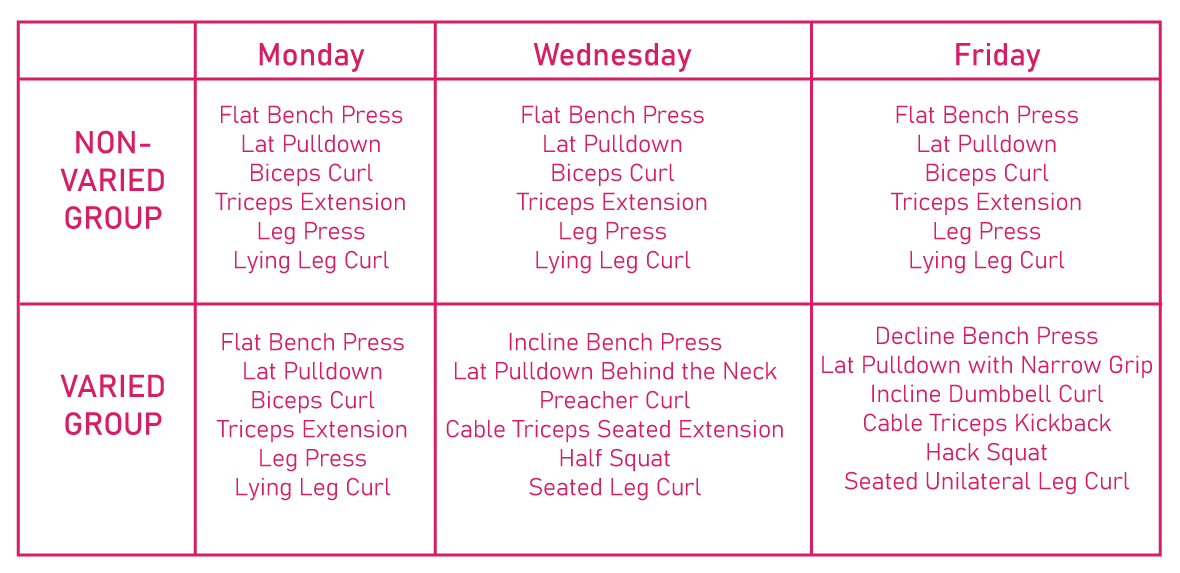
Plateaus happen when progress stalls despite effort. Break plateaus by varying exercises, rep ranges, or workout intensity. Try techniques like supersets or drop sets to challenge muscles differently. Schedule deload weeks to help muscles recover and grow. Consistent variation keeps muscles adapting and growing.

Credit: medium.com
Frequently Asked Questions
What Is A Hypertrophy Workout Plan?
A hypertrophy workout plan focuses on building muscle size through specific training. It uses moderate to heavy weights and higher repetitions to stimulate muscle growth effectively.
How Many Sets And Reps For Hypertrophy?
Typically, 3 to 5 sets with 6 to 12 reps per exercise optimize hypertrophy. This range balances muscle tension and fatigue for maximum growth.
How Often Should I Train For Hypertrophy?
Training each muscle group 2 to 3 times weekly is ideal for hypertrophy. This frequency promotes muscle recovery and consistent growth stimulation.
What Exercises Are Best For Hypertrophy?
Compound movements like squats, bench presses, and deadlifts are key. Isolation exercises also help target specific muscles for balanced growth.
Conclusion
Building muscle takes time and effort. Stick to your hypertrophy workout plan consistently. Focus on proper form and steady progress. Rest and good nutrition support your muscle growth. Track your workouts to see improvements clearly. Stay patient and keep pushing yourself daily.
Small steps lead to strong, lasting results. Enjoy the process and celebrate gains often. Your body will respond with strength and size. Keep lifting, stay motivated, and trust the plan.







