
Have you ever wondered if working out does more than just shape your body? What if the secret to boosting your memory, focus, and mood lies in your daily exercise routine?
When you move your body, your brain lights up in ways that can make you sharper and happier. You’ll discover how simple workouts can transform your brain function and why making time for exercise might be the smartest choice you make today.
Keep reading to unlock the surprising connection between your workouts and your brain power.
Exercise And Brain Health
Exercise isn’t just about building muscles or burning calories. It’s a powerful tool for boosting brain health. Engaging in regular physical activity can significantly enhance cognitive functions, improve mood, and even protect the brain from age-related decline.
Physical Activity And Cognitive Benefits
When you exercise, your heart pumps more blood, delivering vital oxygen and nutrients to your brain. This increased blood flow helps improve concentration and memory. Have you ever noticed how a brisk walk can clear your mind? That’s your brain benefiting from the boost in circulation.
Regular workouts can also lower the risk of cognitive decline as you age. Activities like jogging, cycling, or even dancing are linked to better performance in thinking skills. Next time you’re debating a workout, remember: your brain craves movement as much as your body does.
Neuroplasticity And Workout
Neuroplasticity is your brain’s ability to adapt and change. Exercise promotes this flexibility by stimulating growth factors that help the brain form new connections. Imagine your brain as a dynamic map that can constantly re-route for optimal efficiency.
Consider adding variety to your workouts, like alternating between cardio and strength training. This not only challenges your muscles but also encourages your brain to develop new neural pathways. How can you make your workout routine more diverse today?
Impact On Brain Structure
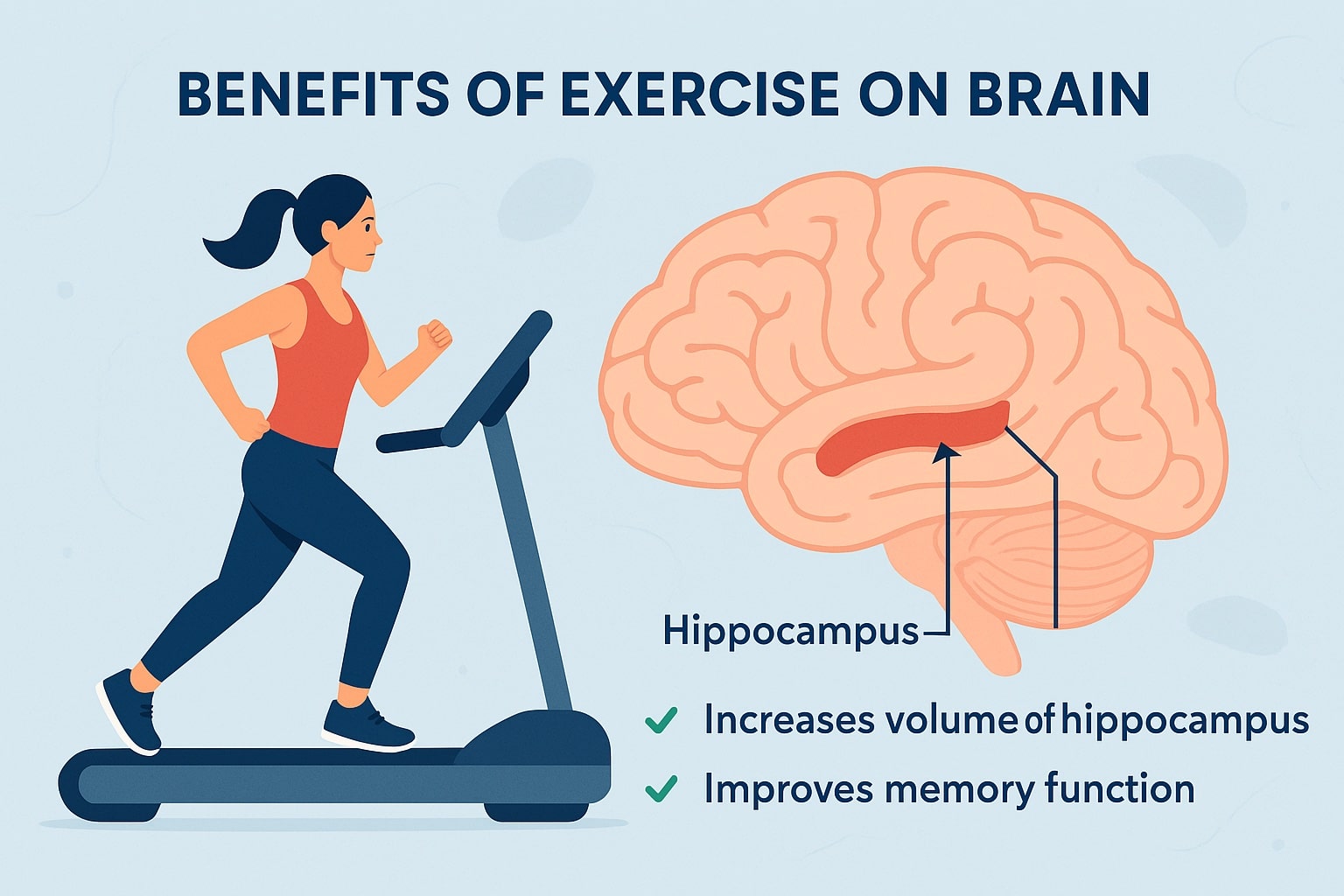
Physical activity can lead to structural changes in the brain, particularly in areas related to memory and learning. Studies show that exercise can increase the size of the hippocampus, the brain region involved in forming new memories. This means a run in the park could be doing more for you than just improving your mood.
It’s fascinating how something as simple as regular movement can reshape your brain. Consider this: each time you choose to be active, you’re making an investment in your brain’s future. What’s one small step you can take today to prioritize your brain health?

Credit: www.researchgate.net
Memory Improvement Through Exercise
Improving your memory through exercise is more accessible than you might think. Physical activity doesn’t just strengthen your body—it sharpens your mind, too. The connection between working out and better memory is backed by science and personal experiences alike, showing that regular movement can make a real difference in how well you remember information.
How Exercise Boosts Memory Recall
Exercise increases blood flow to your brain, which helps deliver oxygen and nutrients critical for memory functions. It also promotes the release of brain-derived neurotrophic factor (BDNF), a protein that supports the growth of new neurons in the hippocampus, the brain’s memory center.
I noticed that after just a few weeks of morning jogs, recalling names and details became easier. This happens because physical activity strengthens neural connections, making it easier for your brain to access stored information.
Types Of Workouts That Enhance Memory
Not all workouts impact your memory equally. Aerobic exercises like running, cycling, and swimming are particularly effective because they increase heart rate and blood flow.
Strength training also plays a role by reducing inflammation and supporting brain plasticity. Even simple activities like brisk walking or dancing can help if done consistently.
- Aerobic exercises boost brain oxygenation and BDNF levels.
- Strength training reduces stress hormones that impair memory.
- Coordination-based workouts, like yoga or tai chi, improve focus and memory retention.
Exercise Frequency And Memory Gains
How often you exercise matters for memory improvement. Studies show that working out at least three times a week for 30 minutes can lead to noticeable benefits.
Consistency is key. Sporadic workouts won’t create lasting changes in your brain’s memory pathways.
Ask yourself: can you commit to regular sessions that fit your lifestyle? Setting a schedule helps your brain adapt and strengthens memory over time.
Focus And Concentration Boost
Improving your focus and concentration through exercise is more achievable than you might think. Physical activity directly impacts how your brain processes information and maintains attention. The boost in mental clarity you experience after working out can help you tackle tasks with sharper focus and longer attention spans.
Exercise Effects On Attention Span
Regular exercise increases blood flow to the brain, delivering oxygen and nutrients that enhance neural activity. This helps you maintain attention for longer periods and reduces mental fatigue. When I started adding short aerobic sessions to my daily routine, I noticed I could concentrate better during long work meetings without zoning out.
Exercise also stimulates the release of neurotransmitters like dopamine and norepinephrine, which play key roles in attention and alertness. Even a quick 20-minute walk can improve your ability to focus on complex tasks afterward. Could your current workout routine be the missing link to better mental endurance?
Workout Routines That Enhance Focus
Some types of exercise are especially good at boosting concentration. Activities like yoga and tai chi train your mind to stay present, improving mindfulness and mental discipline. High-intensity interval training (HIIT) challenges your brain to switch rapidly between movements, sharpening cognitive flexibility.
- Try combining aerobic exercises with strength training for balanced brain benefits.
- Include coordination drills such as jump rope or dance to engage different brain regions.
- Short meditation sessions post-workout can help cement the focus gains.
Experiment with these routines and pay attention to how your focus changes throughout the day.
Timing Workouts For Mental Clarity
The time of day you exercise can affect your focus levels in different ways. Morning workouts can jumpstart your brain, making you more alert for the hours ahead. I personally find a brisk morning jog clears mental fog and sets a productive tone for the day.
Afternoon sessions help counteract the post-lunch slump, giving your brain a fresh boost of energy. Evening workouts might be better if you need to unwind but can also sharpen your thinking if done earlier in the evening. What time of day do you feel your mind is sharpest after moving your body?
Brain Chemicals And Exercise
Exercise does more than shape your body. It changes how your brain works by affecting brain chemicals. These chemicals help control mood, focus, and stress levels. Understanding their role shows why working out is good for the brain.
Role Of Neurotransmitters
Neurotransmitters carry messages between brain cells. Exercise boosts the production of key neurotransmitters like dopamine, serotonin, and norepinephrine. These chemicals improve attention, memory, and learning ability. They also help regulate mood and motivation. Regular physical activity keeps neurotransmitter levels balanced for better brain function.
Endorphins And Mood Enhancement
Endorphins are natural painkillers made by the brain. Exercise triggers their release, creating a feeling of happiness. This is often called the “runner’s high.” Endorphins reduce discomfort and lift mood. They help fight anxiety and depression by boosting positive feelings. Moving your body helps keep your mind calm and joyful.
Stress Reduction Via Physical Activity
Physical activity lowers stress hormones like cortisol. Less cortisol means less tension and anxiety. Exercise also increases relaxation hormones, helping the brain stay calm. This balance reduces the negative effects of stress on the body and mind. Regular workouts create a natural stress relief system for your brain.
Exercise Tips For Mental Sharpness
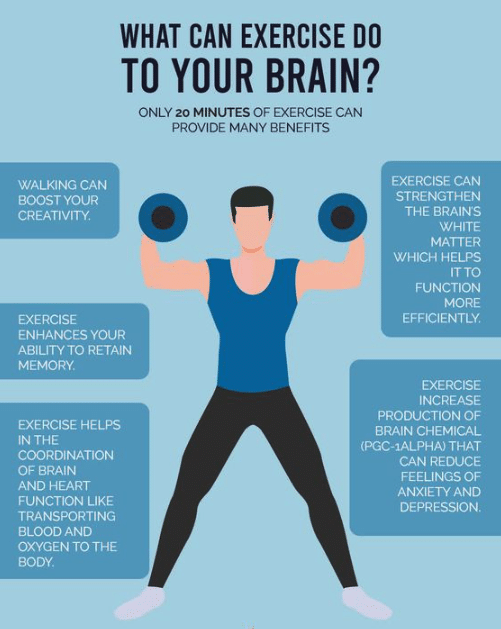
Exercise plays a key role in keeping the brain sharp and active. It improves memory, focus, and problem-solving skills. Simple changes in your workout routine can boost mental clarity and energy. Regular physical activity also helps reduce stress and anxiety, which supports better thinking.
Best Exercises For Brain Function
Choose exercises that increase blood flow to the brain. Aerobic activities like walking, jogging, and swimming work well. These exercises enhance memory and learning abilities. Balance and coordination exercises improve brain-body connection. Yoga and tai chi are excellent for focus and calmness.
Combining Cardio And Strength Training
Mix cardio with strength training for better brain health. Cardio raises heart rate and oxygen flow to the brain. Strength training builds muscle and supports brain cell growth. Together, they improve overall brain function and mood. Aim for a balance of both types in your routine.
Creating A Consistent Workout Plan
Consistency is key to mental sharpness. Set specific days and times for exercise. Keep workouts short but regular, around 30 minutes daily. Track your progress to stay motivated. Rest days are important for brain recovery and growth. Make exercise a habit to enjoy lasting brain benefits.
Credit: getgoally.com
Scientific Studies On Exercise And Brain
Scientific studies reveal strong links between exercise and improved brain function. Researchers have explored how physical activity affects memory, focus, and mental health. These studies show that regular exercise changes the brain in positive ways. It promotes growth, protects against decline, and boosts cognitive skills.
Understanding these effects helps people use exercise as a tool for brain health. The research also guides future studies to find even better ways to keep our minds sharp.
Key Research Findings
- Exercise increases blood flow to the brain, enhancing oxygen delivery.
- Physical activity stimulates the release of brain-derived neurotrophic factor (BDNF), which supports neuron growth.
- Studies link aerobic exercise with better memory and learning abilities.
- Regular workouts reduce symptoms of anxiety and depression by balancing brain chemicals.
- Exercise improves attention span and problem-solving skills in both young and older adults.
Long-term Cognitive Benefits
Consistent exercise slows down age-related brain decline. It lowers risks of diseases like Alzheimer’s and dementia. Active people tend to retain sharper thinking skills over time. Exercise supports brain plasticity, allowing the brain to adapt and form new connections. This keeps mental functions strong and flexible.
Long-term exercise also improves sleep quality, which is crucial for memory consolidation. People who stay active report better moods and less cognitive fatigue. These benefits add up, creating a healthier brain throughout life.
Future Directions In Brain Fitness
New research aims to find the best types and amounts of exercise for brain health. Scientists are studying how combining physical and mental activities affects cognition. Technology like brain imaging helps track changes in real time. Personalized exercise plans may soon target specific brain areas.
Researchers explore the role of exercise in preventing mental illnesses. They also investigate its effects on children’s brain development. These studies promise to offer clearer guidelines for using exercise as medicine for the mind.
Credit: atlantatms.clinic
Frequently Asked Questions
How Does Exercise Improve Brain Function?
Exercise boosts blood flow to the brain, delivering oxygen and nutrients. It also stimulates growth of brain cells and improves memory.
Can Working Out Reduce Mental Decline?
Yes, regular exercise slows cognitive decline. It enhances brain plasticity and protects against diseases like Alzheimer’s.
What Types Of Workouts Benefit The Brain Most?
Aerobic exercises like running, cycling, and swimming best improve brain health. They increase heart rate and promote neurogenesis.
How Quickly Does Exercise Affect Brain Performance?
Brain benefits appear after just a few weeks of consistent exercise. Improved focus and mood are often noticeable early.
Conclusion
Working out helps your brain in many ways. It improves memory and focus. Exercise also reduces stress and lifts your mood. Your brain works better when your body moves. Small daily workouts make a big difference. Keep your mind sharp by staying active.
A healthy body supports a healthy brain. Try to include exercise in your routine. Your brain will thank you for it. Simple steps lead to better brain health. Stay active and feel the mental benefits.







