
Stepping into a gym for the first time can feel overwhelming. You see rows of machines, weights, and gadgets, and wonder where to start.
But what if you knew exactly how to use each piece of equipment safely and effectively? Imagine getting the most out of your workout without confusion or fear of injury. In this guide, you’ll discover simple steps to master the gym equipment, boost your confidence, and reach your fitness goals faster.
Ready to take control of your workout? Let’s dive in.
Choosing The Right Equipment
Choosing the right equipment at the gym affects your workout results and safety. Understanding different types helps pick tools that fit your strength and fitness goals. Not all machines or weights serve the same purpose. Knowing what each does saves time and effort. This guide breaks down popular gym equipment types and their best uses.
Types Of Gym Machines
Gym machines guide your movement and support your body. Common types include:
- Cardio Machines:Treadmills, ellipticals, stationary bikes, and rowing machines.
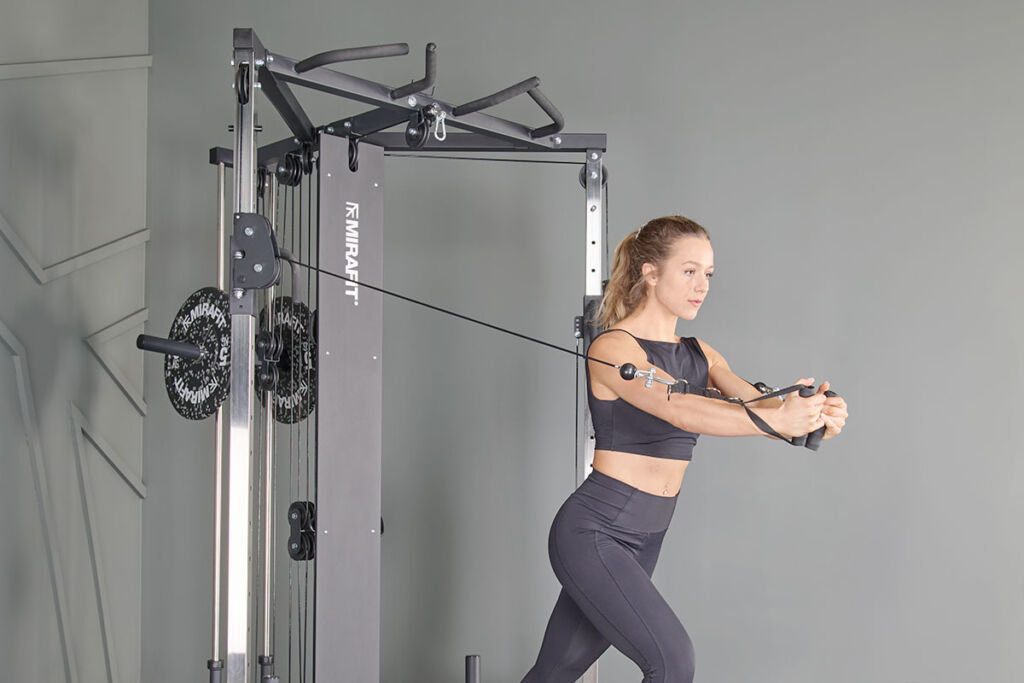
- Strength Machines:Leg press, chest press, lat pulldown, and cable machines.
- Functional Trainers:Machines with adjustable pulleys for versatile exercises.
Each machine targets specific muscles or fitness areas. Cardio machines improve heart health and endurance. Strength machines build muscle safely with controlled movements.
Free Weights Vs. Machines
Free weights include dumbbells, barbells, and kettlebells. They allow natural movement and engage more muscles for balance. Machines limit movement to a fixed path, reducing injury risk for beginners.
Free weights offer:
- Greater muscle activation
- More exercise variety
- Improved balance and coordination
Machines provide:
- Controlled motion and stability
- Easy weight adjustments
- Less risk of poor form
Both types benefit fitness. Choose based on experience, comfort, and goals.
Equipment For Different Goals
Equipment choice depends on what you want to achieve:
- Build Muscle:Use strength machines and free weights for resistance training.
- Lose Weight:Focus on cardio machines and circuit training with light weights.
- Increase Endurance:Cardio machines like treadmills and bikes work best.
- Improve Flexibility:Use functional trainers and bodyweight exercises.
Matching equipment to goals makes workouts more effective and enjoyable.
Credit: 10fitness.com
Preparing For Your Workout
Preparing for your workout is more than just showing up at the gym. It sets the tone for your entire session and helps prevent injuries. Taking a few moments to prepare properly can improve your performance and make your time in the gym more effective.
Warming Up Properly
Skipping warm-ups can make your muscles stiff and increase the risk of injury. Start with light cardio, like walking or cycling, for about 5-10 minutes to get your blood flowing.
Follow this with dynamic stretches that mimic the movements you’ll do during your workout. For example, leg swings before squats or arm circles before lifting weights help activate the right muscles.
Have you noticed how your energy and focus improve after a solid warm-up? That’s because your body is ready to perform at its best.
Setting Up Equipment Safely
Before you start using any machine or weights, take a moment to adjust everything to fit your body. Seats, handles, and safety stops should all be set so you can move comfortably and securely.
Check that the weights are properly locked in place and cables or pulleys are functioning smoothly. This prevents accidents and keeps your workout smooth.
Don’t hesitate to ask gym staff for help if you’re unsure about how to adjust a machine. It’s safer and saves time rather than guessing and risking injury.
Using Gym Attire And Accessories
Your clothing and gear impact your workout more than you might think. Wear comfortable, breathable clothes that allow full range of motion without restrictions.
Choose proper footwear with good support to protect your feet and improve balance. Accessories like gloves can enhance grip and prevent blisters during weightlifting.
Have you ever tried a sweatband or compression sleeves? They can keep you comfortable and focused, especially during longer sessions.
Using Cardio Machines
Using cardio machines at the gym helps improve heart health and burn calories. These machines offer low-impact workouts that suit different fitness levels. Proper use of each machine ensures safety and better results. Understanding how to use treadmills, ellipticals, stationary bikes, and rowing machines makes workouts more effective and enjoyable.
Treadmills And Ellipticals
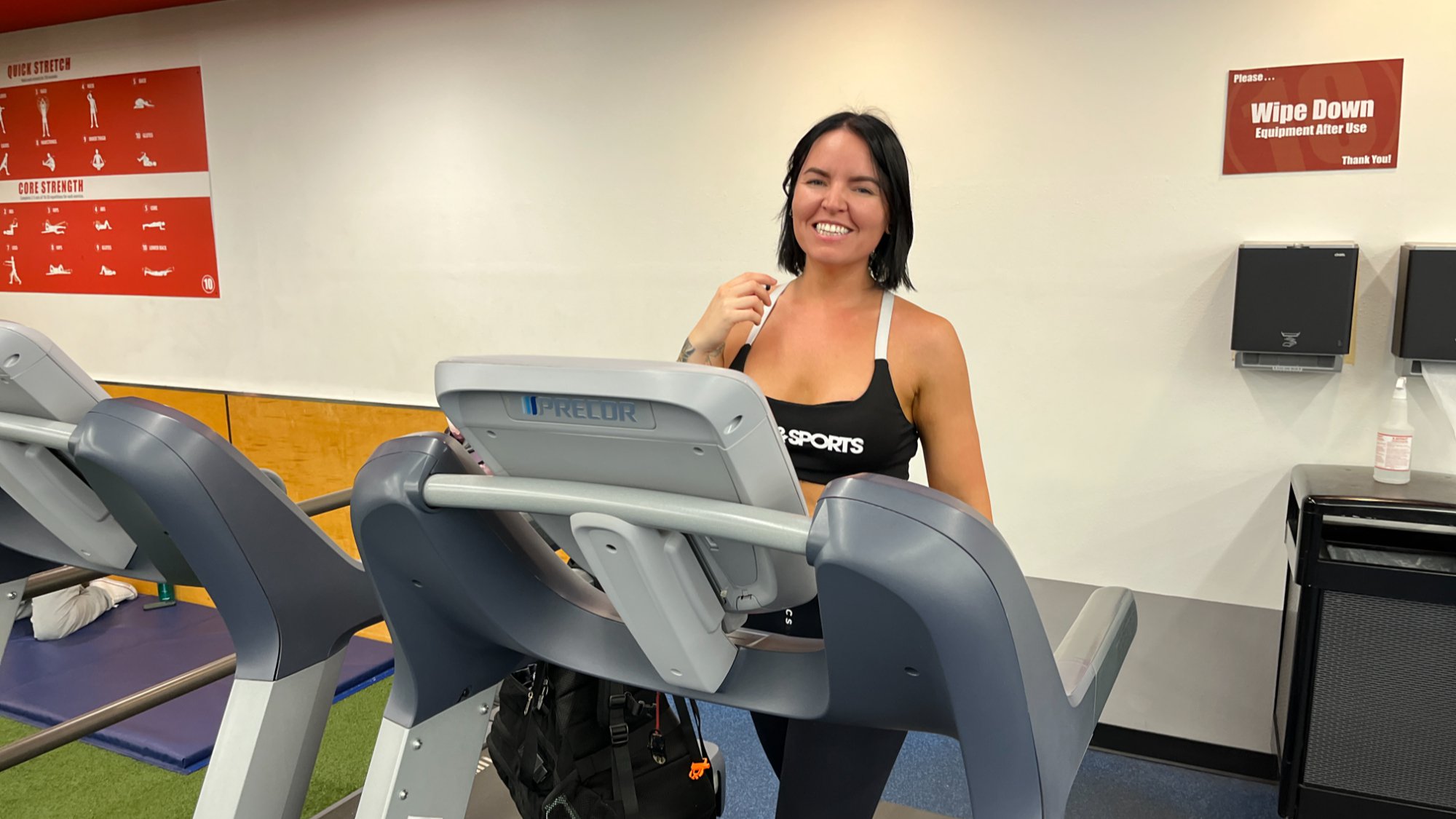
Treadmills allow walking, jogging, or running indoors. Start by adjusting the speed to a comfortable pace. Use the handrails for balance but avoid leaning on them. Keep your posture upright and look forward. Ellipticals offer a smooth, low-impact motion. Adjust the resistance to match your fitness level. Move your arms and legs to engage the whole body. Both machines have preset programs for varied workouts.
Stationary Bikes
Stationary bikes provide a seated cardio workout. Adjust the seat height so your knees bend slightly. Start pedaling at a slow pace to warm up. Increase resistance to challenge your muscles. Keep your back straight and hands relaxed on the handlebars. Most bikes have screens to track time, distance, and calories burned.
Rowing Machines
Rowing machines mimic rowing a boat and work many muscles. Sit on the seat and strap your feet in securely. Hold the handle with both hands and keep your back straight. Push with your legs first, then pull with your arms. Reverse the movement to return to the start position. Begin with slow, smooth strokes and increase speed as you gain confidence. This machine improves endurance and strength together.
Strength Training Basics
Understanding gym equipment helps you build strength safely and effectively. Begin with lighter weights to learn proper form and avoid injuries. Always adjust machines to fit your body before starting any exercise.
Strength training is vital for building muscle and boosting metabolism. Understanding the basics ensures a safe and effective workout. New to the gym? This guide will help you get started.Adjusting Weights And Settings
Check the weight machines before starting. Adjust them to suit your height and strength level. Use pins or dials to set your weight. Test the settings with a few reps. Make sure they’re comfortable and challenging. Too light? Increase the weight slightly. Too heavy? Decrease it to avoid injury.Proper Form And Technique
Keep your back straight and core engaged. Use slow, controlled movements. Avoid jerking or sudden movements. This ensures you’re working the right muscles. Breathe steadily during each exercise. Inhale on relaxation, exhale on exertion. This helps maintain rhythm and focus.Avoiding Common Mistakes
Don’t lift weights that are too heavy. It can lead to injuries. Focus on quality, not quantity. Rushing through reps reduces effectiveness. Ensure you’re not using momentum to lift. This means you’re not engaging muscles properly. Keep your form in check with each rep.Maximizing Gym Time
Maximizing your gym time means getting the most out of every minute you spend working out. It’s not just about how long you stay but how effectively you use the equipment and organize your sessions. Smart planning can help you avoid wasted time, prevent injuries, and push your progress forward.
Creating A Balanced Routine
Focus on working different muscle groups evenly. This prevents overuse injuries and helps your body develop strength all around. Mix cardio, strength training, and flexibility exercises to keep your workouts varied and engaging.
Think about your goals. Are you aiming to build muscle, improve endurance, or lose weight? Choose equipment that matches these goals. For example, use weight machines for targeted strength work and treadmills or bikes for cardio.
Switch between machines to avoid long waits and keep your heart rate up. This also keeps your mind active and stops boredom from creeping in.
Tracking Progress
Keep a workout journal or use an app to record the weights, reps, and time spent on each machine. Seeing your progress in black and white motivates you to push harder.
Try to increase the weight or reps gradually. Even small improvements add up over time. Have you noticed how adding just 5 pounds to your squat feels like a win?
Tracking also helps spot plateaus early. If your progress stalls, it signals that you might need to change your routine or rest more.
Rest And Recovery Tips
Rest is as important as the workout itself. Muscles need time to repair and grow stronger after exercise. Don’t skip rest days or you risk burnout and injury.
Use foam rollers or stretching machines to help your muscles relax post-workout. These tools can reduce soreness and improve flexibility.
Hydrate well and fuel your body with nutritious food. Recovery isn’t just about sitting still—it’s about giving your body what it needs to get ready for the next gym session.

Credit: www.youtube.com
Getting Help When Needed
Knowing when and how to ask for help at the gym can make your workouts safer and more effective. It’s not just about avoiding injury; it’s about making the most of your time and effort. Getting assistance can boost your confidence and improve your technique, which leads to better results.
Working With Trainers
Trainers are there to guide you through the equipment and tailor workouts to your goals. Don’t hesitate to ask them to demonstrate how to use a machine or correct your form. They can also create a workout plan that matches your fitness level and needs.
If you’re new to the gym, spending a session or two with a trainer can save you from common mistakes. Think about what specific advice you need before approaching them—this makes your time together more productive.
Using Gym Resources
Gyms often provide resources like instructional posters, videos, or apps that explain how to use equipment correctly. Take a moment to review these before starting a new machine. This simple step can prevent confusion and help you feel more comfortable.
Look out for group classes or workshops that focus on equipment use. These can be valuable for learning in a supportive environment where you can ask questions freely.
Asking For Spotters
Spotters are crucial when lifting heavy weights, especially during exercises like bench presses or squats. Don’t feel embarrassed to ask someone nearby for help; most gym-goers are happy to assist. A spotter not only ensures your safety but also encourages you to push your limits.
Before you start, explain clearly what kind of help you need from your spotter. This communication keeps both of you on the same page and reduces the risk of accidents.
Maintaining Gym Etiquette
Maintaining gym etiquette is essential for creating a positive environment for everyone. It shows respect for others and helps keep the gym clean and organized. By following simple yet important rules, you contribute to a better workout experience for yourself and others.
Cleaning Equipment After Use
Always wipe down machines, benches, and mats after you finish using them. Sweat and germs can easily spread, so cleaning helps keep the gym hygienic.
Most gyms provide disinfectant sprays and paper towels—use them generously. It only takes a few seconds but makes a huge difference for the next person waiting to use the equipment.
Sharing Space Respectfully
Gyms can get crowded, especially during peak hours. Pay attention to how long you spend on one machine and be ready to let others work in between your sets.
If someone asks to “work in,” don’t hesitate to share the equipment. This small act of consideration keeps the flow smooth and avoids unnecessary waiting.
Following Gym Rules
Every gym has its own set of rules—like dress codes, equipment usage, and noise levels. Knowing and following these rules helps avoid conflicts and disruptions.
Have you ever felt annoyed by loud phone calls or improper use of weights? Respecting these guidelines creates a more focused and welcoming space for everyone.
Credit: mirafit.co.uk
Frequently Asked Questions
How Do I Safely Use Gym Machines For Beginners?
Start by reading machine instructions carefully. Adjust settings to fit your height and strength. Use light weights to learn proper form. Ask gym staff for a demonstration if unsure. Always warm up before using equipment to prevent injury.
What Is The Correct Way To Use Free Weights?
Begin with manageable weights to master form. Keep your back straight and core engaged. Perform controlled movements without swinging. Breathe steadily, exhaling on exertion. Use a spotter for heavy lifts to ensure safety.
How Often Should I Clean Gym Equipment During Workouts?
Wipe down machines before and after use. Use disinfectant sprays or wipes provided by the gym. Cleaning reduces germs and keeps equipment hygienic. Make it a habit to maintain a clean workout space for everyone.
Can I Combine Machines And Free Weights Effectively?
Yes, combining both enhances strength and muscle balance. Machines guide movement, ideal for beginners. Free weights improve stability and coordination. Alternate between the two for a comprehensive workout. This approach prevents plateaus and promotes overall fitness.
Conclusion
Using gym equipment safely helps you get the best workout results. Start slow and learn how each machine works. Always follow instructions and ask for help when needed. Consistency and care keep you injury-free and fit. Enjoy your fitness journey with confidence and patience.
Keep practicing, and you will see progress every week. Simple steps lead to better health and strength. Stay motivated and keep moving forward.







