
Are you struggling to see real progress in your fitness routine? What if the secret isn’t just in your workouts, but in how well you sleep?
Sleep trackers can be a game-changer for your fitness goals. By understanding your sleep patterns, you can unlock new energy levels, improve recovery, and boost your performance. You’ll discover simple ways to use sleep trackers to supercharge your fitness progress and get the results you’ve been working hard for.
Keep reading to find out how your nights can power up your days.
Benefits Of Sleep Tracking
Tracking sleep helps understand rest quality, which affects workout recovery and energy levels. Better sleep data guides adjustments in training for steady fitness gains. Monitoring patterns can reveal how rest impacts overall health and performance.
Tracking your sleep can be a game-changer for your fitness journey. It’s not just about counting hours; it’s about understanding how those hours affect your recovery, performance, and overall well-being. Let’s dive into the benefits of sleep tracking and how it can enhance your fitness progress.Improving Recovery And Performance
When you track your sleep, you gain insights into your recovery time. After a grueling workout, your body needs quality rest to repair muscles and restore energy levels. Sleep trackers can show you if you’re getting enough deep sleep, which is crucial for muscle recovery. Imagine waking up and seeing your sleep data indicating you had a restless night. It might explain why your run felt sluggish or why lifting weights seemed harder than usual. With this information, you can adjust your routine to prioritize rest, ultimately boosting your performance.Identifying Sleep Patterns
Sleep trackers reveal patterns you might not notice on your own. Do you consistently wake up at 3 a.m.? Are you getting enough REM sleep? Identifying these patterns helps you make informed decisions about your bedtime routine. You might find that going to bed even 30 minutes earlier significantly increases your total sleep time. Or perhaps a late-night snack is disrupting your REM sleep. By identifying these patterns, you can make simple changes that lead to better sleep and, consequently, better fitness results.Enhancing Mental Health
Sleep is closely linked to mental health, and poor sleep can negatively impact your mood and stress levels. By tracking your sleep, you can connect the dots between your rest and your mental state. Consider a day when you felt particularly anxious or irritable. Checking your sleep data may reveal that you didn’t get enough restorative sleep the previous night. Understanding this connection empowers you to prioritize good sleep hygiene, which can enhance both your mental health and your overall fitness journey. Have you ever thought about how your sleep affects your fitness goals? By using sleep trackers, you can uncover valuable insights that lead to more effective workouts and a healthier lifestyle. So, are you ready to take your fitness progress to the next level by optimizing your sleep?
Credit: mashable.com
Choosing The Right Sleep Tracker
Choosing the right sleep tracker plays a key role in monitoring your fitness progress. It helps you understand your sleep quality and patterns clearly. Picking a device that fits your lifestyle and needs improves your tracking experience. This guide explores the main types of sleep trackers and important factors to consider before buying one.
Wearables Vs. Non-wearables
Wearable sleep trackers are devices you wear on your wrist or finger. They track your heart rate, movement, and sleep stages. These devices offer detailed data and can be used anytime.
Non-wearable trackers sit under your mattress or on your bedside table. They use sensors to monitor your breathing and body movements. These devices provide a less intrusive option for sleep tracking.
Choose wearables if you want continuous tracking and fitness integration. Pick non-wearables for comfort and ease of use during sleep.
Key Features To Consider
- Accuracy of sleep stage detection
- Heart rate and breathing monitoring
- Integration with fitness apps
- Battery life and charging ease
- Comfort during sleep
- Data privacy and security
Prioritize features that match your fitness goals. Good accuracy and app support help you track progress effectively.
Budget And Compatibility
Sleep trackers come in a wide price range. Basic models offer simple tracking, while advanced ones provide detailed insights.
Check if the device works with your smartphone or fitness apps. Compatibility ensures smooth data syncing and better user experience.
Set a budget and find a tracker that balances price with useful features. This keeps your investment practical and rewarding.
Setting Up Your Sleep Tracker
Setting up your sleep tracker correctly is key to getting accurate data that can truly help your fitness progress. The way you wear the device, the goals you set, and how you connect it with other fitness tools all play a crucial role. Let’s break down how to get your tracker ready for the best results.
Proper Device Placement
Where you place your sleep tracker affects the quality of the data it collects. Most trackers work best when worn on your wrist, but some are designed for your finger or chest. Make sure the device fits snugly but comfortably—not too tight to restrict blood flow, and not too loose to slip off during the night.
If you’ve ever woken up to find your tracker halfway across the bed, you know how important this is. Consistency in placement helps the sensors accurately monitor your heart rate, movement, and sleep stages. Think about how different your measurements might be if the tracker shifts around while you’re sleeping.
Configuring Sleep Goals
Setting clear sleep goals tailored to your fitness routine can improve your overall progress. Instead of default settings, adjust your target sleep time based on how intense your workouts are and how much recovery you need. For example, if you do heavy strength training, aim for at least 8 hours of quality sleep to support muscle repair.
Ask yourself: Are you prioritizing deep sleep or total sleep time? Many trackers allow you to focus on specific sleep stages. Use this feature to understand which part of your sleep cycle needs improvement and adjust your habits accordingly.
Syncing With Fitness Apps
Connecting your sleep tracker with your fitness apps creates a fuller picture of your health. Sync your device with apps that track workouts, nutrition, and stress levels to see how sleep impacts your daily performance. This integration can reveal patterns, such as poor sleep after intense cardio days.
Don’t just collect data—use it to make informed decisions. If your fitness app shows a drop in performance after nights of poor sleep, consider adjusting your training schedule or bedtime routine. Syncing also automates progress tracking, saving you time and effort while keeping your goals in focus.

Credit: apps.apple.com
Interpreting Sleep Data
Understanding your sleep data is key to improving fitness results. Sleep trackers collect detailed information that shows how your body rests and recovers. This data tells a story about your sleep patterns, quality, and any interruptions. Interpreting these details helps adjust your habits for better health and fitness progress.
Sleep Stages And Their Importance
Sleep has different stages that cycle throughout the night. Each stage plays a role in physical recovery and brain function.
- Light Sleep:Helps with memory and learning.
- Deep Sleep:Essential for muscle repair and growth.
- REM Sleep:Supports mental health and emotional balance.
Tracking how much time you spend in each stage shows how well your body recovers. More deep and REM sleep usually means better fitness recovery.
Tracking Sleep Quality
Sleep quality is about how restful and refreshing your sleep feels. Trackers measure factors like:
- Time spent awake during the night
- Sleep efficiency percentage
- Heart rate and breathing patterns
Good sleep quality means fewer awakenings and steady heart rates. This helps your muscles heal and energy levels rise for workouts.
Identifying Sleep Disruptions
Sleep disruptions hurt recovery and fitness gains. Trackers detect problems such as:
- Frequent waking up
- Restless movements
- Breathing irregularities
Spotting these issues early helps you fix habits or seek medical advice. Reducing disruptions improves sleep depth and overall fitness progress.
Integrating Sleep Data Into Fitness Plans
Integrating your sleep data into your fitness plans can transform how you train and recover. Sleep trackers provide insights that help you understand how rest affects your energy, strength, and endurance. Using this information wisely can improve your workout outcomes and prevent burnout.
Adjusting Workout Intensity
Sleep quality often reflects your body’s readiness for exercise. If your tracker shows restless nights or low deep sleep, it might be a sign to dial down your workout intensity. Pushing too hard on days with poor sleep can increase injury risk and slow progress.
On the other hand, a night of solid sleep can be your green light for high-intensity training. Pay attention to trends in your sleep data rather than just one night. This approach helps you tailor your effort to match how rested your body really is.
Scheduling Rest Days
Your sleep tracker can highlight patterns where your body needs extra recovery. If you notice several nights of poor sleep following intense workouts, plan rest or active recovery days accordingly. This prevents overtraining and helps you bounce back stronger.
Scheduling rest days based on sleep data takes the guesswork out of recovery. Rather than sticking rigidly to a plan, you listen to your body’s signals. Have you ever felt exhausted despite a planned workout? Sleep data might explain why.
Monitoring Progress Over Time
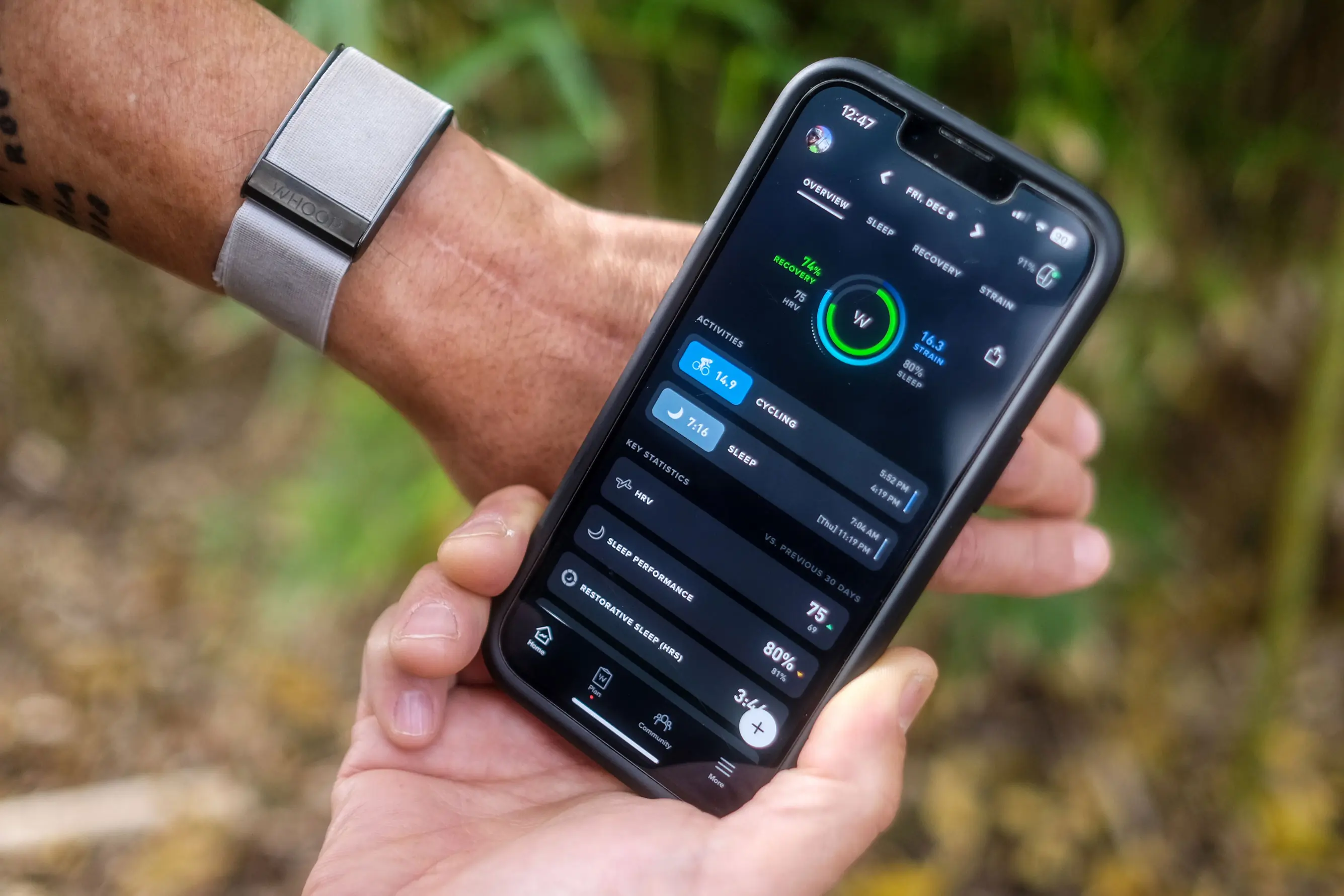
Tracking your sleep alongside your fitness progress reveals how rest impacts gains and endurance. You might spot correlations, such as improved sleep leading to better performance or weight loss. This feedback loop encourages smarter training decisions.
Use charts or apps to compare your sleep trends with workout results. Seeing your progress visually can motivate you to prioritize rest just as much as exercise. What patterns might you discover if you start paying close attention to your sleep tonight?
Credit: gearjunkie.com
Common Challenges And Solutions
Using sleep trackers to monitor fitness progress comes with some common challenges. These issues can affect how well you understand your sleep patterns and their impact on your fitness goals. Knowing these challenges and how to solve them helps keep your tracking accurate and useful.
Dealing With Inaccurate Data
Sleep trackers may sometimes give wrong or incomplete data. Sensors can misread movements or heart rates, causing errors. To reduce this, wear your tracker snugly and follow the device’s instructions carefully. Regularly update the tracker’s software for better accuracy. Compare your tracker data with how you feel. Adjust your sleep habits based on both the data and your body’s signals.
Maintaining Consistent Tracking
Many people start tracking sleep but stop after a few days. Consistency is key for spotting patterns over time. Set a daily reminder to wear your tracker before sleep. Keep the device charged and ready. Try to use the tracker every night, even on weekends. Create a simple habit around using the tracker, like putting it on after brushing your teeth. This helps keep data continuous and reliable.
Balancing Sleep And Activity
Fitness progress depends on both good sleep and physical activity. Too much exercise late at night can hurt your sleep quality. Too little activity can reduce your energy and fitness gains. Use your sleep tracker to find the right balance. Note how different activities affect your sleep and energy. Plan workouts earlier in the day if sleep suffers. Track both sleep and activity to improve overall health.
Tips For Better Sleep Hygiene
Good sleep hygiene is key to improving sleep quality and fitness progress. Small changes to your habits can help your body rest better. Better rest improves energy, muscle recovery, and focus during workouts.
Sleep trackers can show how well you sleep. Use their data to create habits that support deeper, more restful sleep. Follow these tips for better sleep hygiene to get the most from your fitness routine.
Creating A Relaxing Bedtime Routine
Set a consistent bedtime to help your body adjust. Choose calming activities before bed. Reading a book or listening to soft music can relax your mind. Avoid stressful or stimulating tasks that keep you awake.
Try gentle stretches or deep breathing exercises. They lower tension and prepare your body for sleep. Keep your routine short and simple to avoid feeling rushed.
Optimizing Sleep Environment
Make your bedroom a peaceful place for rest. Keep the room cool, dark, and quiet. Use blackout curtains or an eye mask to block light. Earplugs or white noise machines reduce noise distractions.
Choose a comfortable mattress and pillows. Replace them if they cause discomfort. Remove clutter to create a calm, inviting space. This helps your brain associate the room with sleep.
Limiting Screen Time Before Bed
Avoid screens for at least 30 minutes before bedtime. Blue light from phones and computers can disrupt your sleep cycle. Instead, try reading a paper book or meditating. This helps your brain wind down naturally.
If you must use a device, enable blue light filters or night mode. Reducing screen time improves sleep quality and helps your tracker show better results.
Frequently Asked Questions
What Are The Benefits Of Using Sleep Trackers For Fitness?
Sleep trackers help monitor sleep quality, duration, and patterns. Better sleep data improves workout recovery and energy levels. This leads to enhanced fitness progress and overall health.
How Do Sleep Trackers Improve Workout Recovery?
Sleep trackers identify sleep stages and disruptions. Quality sleep boosts muscle repair and reduces fatigue. Tracking sleep helps adjust workouts for optimal recovery.
Can Sleep Trackers Detect Sleep Problems Affecting Fitness?
Yes, they monitor sleep interruptions and irregular patterns. Detecting issues like insomnia helps improve rest. Better sleep directly supports fitness goals.
How To Interpret Sleep Tracker Data For Fitness Gains?
Focus on sleep duration, deep sleep, and restfulness. Consistent quality sleep indicates good recovery. Use data to optimize training and rest balance.
Conclusion
Tracking sleep helps you see how rest affects your fitness. Good sleep boosts energy and muscle recovery. Use your tracker’s data to adjust workouts and sleep habits. Small changes make a big difference over time. Stay patient and keep checking your progress.
Healthy sleep supports your fitness goals every day. Keep it simple, and listen to your body. Sleep well, train smart, feel better.







