
Are you new to the gym and feeling unsure about how to use all the equipment? You’re not alone.
Many beginners find gym machines and tools confusing at first. But what if you had a simple, easy-to-follow guide that shows you exactly how to use each piece of gym equipment safely and effectively? That’s where a “How to Use Gym Equipment for Beginners PDF” comes in handy.
This guide can boost your confidence, help you avoid injuries, and get the best results from your workouts. Keep reading, and you’ll discover tips and step-by-step instructions that make your gym time easier and more productive. Your fitness journey starts here!
Choosing Basic Gym Equipment
Choosing the right gym equipment is important for beginners. It helps build confidence and avoids injury. Start with simple machines and tools. Understand their purpose before use. Safety comes first. Proper gear protects your body and improves your workout.
Essential Machines For Starters
Start with machines that guide your movement. These machines help you learn correct form. Common options include:
- Leg press machine
- Chest press machine
- Lat pulldown machine
- Seated row machine
- Elliptical trainer
These machines target major muscle groups. They reduce risk of injury. They are easy to adjust to your size.
Free Weights Vs. Machines
Free weights include dumbbells and barbells. Machines have fixed movement paths. Free weights improve balance and coordination. Machines provide more support and stability.
Beginners may prefer machines first. They help build strength safely. Free weights come later to increase challenge. Both types improve muscle growth.
Safety Gear And Accessories
Use safety gear to protect your body. Important items include:
- Weightlifting gloves
- Supportive shoes
- Wrist straps
- Belts for heavy lifting
- Water bottle for hydration
Wear comfortable clothes that allow movement. Keep a towel to wipe sweat. Safety gear helps prevent injuries and improves comfort.
Setting Up Your Workout Plan
Understanding gym equipment is key to building an effective workout plan. A beginner’s PDF guide can simplify exercises and improve confidence. Clear instructions help avoid mistakes and keep workouts safe and productive.
Setting up your workout plan is like laying the foundation for your fitness journey. As a beginner, having a clear plan ensures you make the most of your time at the gym and avoid feeling overwhelmed. Let’s explore how you can create an effective workout plan with ease.Goals And Fitness Levels
Start by determining what you want to achieve. Are you aiming to lose weight, build muscle, or simply improve your overall health? Knowing your goals will guide your exercise choices and keep you motivated. Consider your current fitness level. Be honest with yourself—starting from where you are ensures you don’t push too hard and risk injury. You can gradually increase the intensity as you progress.Scheduling Your Sessions
Decide how many days you can realistically commit to working out each week. For beginners, aiming for 3-4 sessions is a great start. Consistency is key, so choose days and times that fit seamlessly into your routine. Create a balanced schedule. Include a mix of cardio, strength training, and flexibility exercises. This variety keeps your workouts interesting and targets different muscle groups.Warm-up And Cool-down Routines
Never skip the warm-up. It prepares your body for exercise, reduces the risk of injury, and improves performance. Spend about 5-10 minutes on light activities like jogging or dynamic stretches. After your workout, cool down. This helps your body transition back to a resting state and reduces muscle soreness. Simple static stretches or a slow walk can do wonders. Remember, the best workout plan is one that suits your lifestyle and keeps you excited. How will you tailor your plan to meet your unique needs?Using Cardio Machines
Using cardio machines is a great way to boost your fitness, burn calories, and improve heart health. These machines offer controlled environments where you can track your progress easily. If you’re new to gym equipment, understanding how to use each cardio machine correctly will help you get better results and avoid injury.
Treadmills Tips
The treadmill is a favorite for many beginners. Start by setting a comfortable walking pace to warm up your muscles. Avoid jumping right into running; instead, increase your speed gradually as you feel more confident.
Keep your posture upright and avoid leaning on the handrails—they’re there for balance, not support. Try to land softly on your feet to reduce joint stress. Wondering how long you should use it? Begin with 10-15 minutes and add time as your endurance improves.
Elliptical Trainer Basics
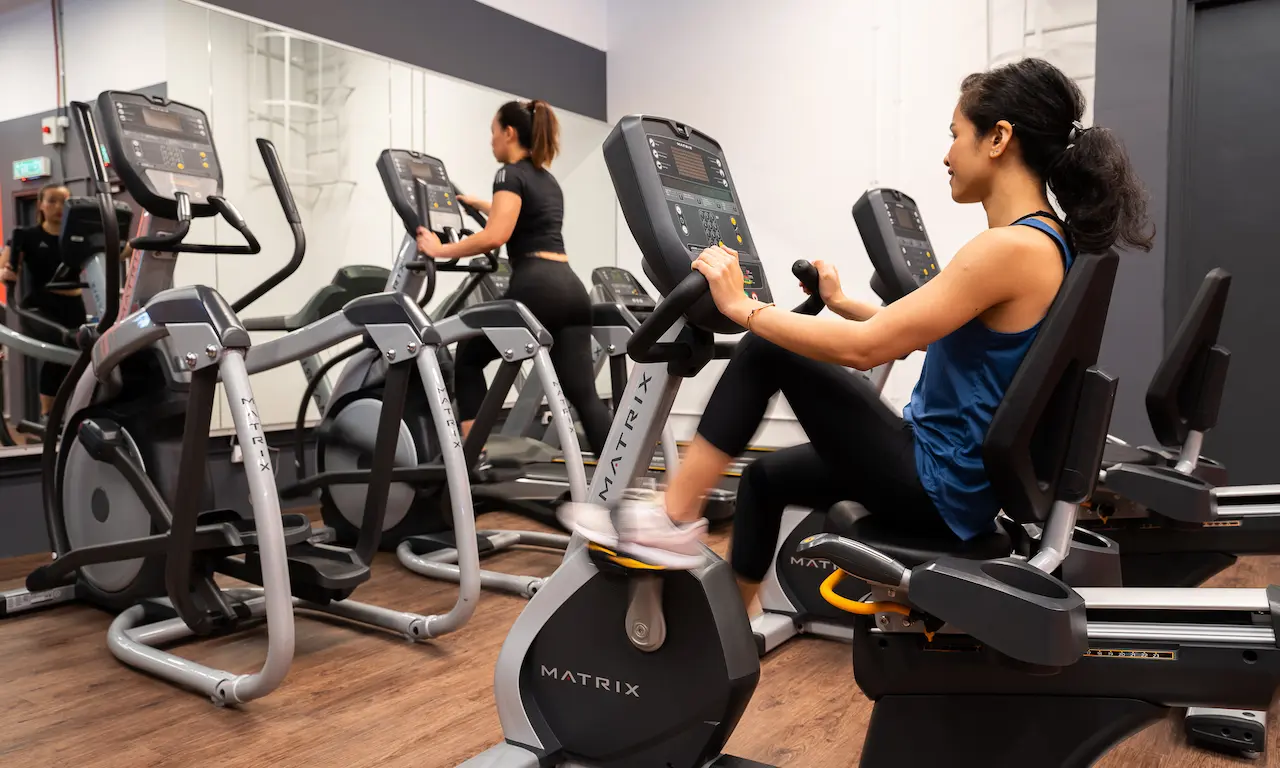
Ellipticals are gentle on your joints but still offer a solid cardio workout. Start by adjusting the resistance to a low or medium level to get used to the movement. Focus on pushing and pulling with both your arms and legs to engage your entire body.
Maintain a steady pace and keep your back straight. If you feel tension in your lower back, check your posture and adjust. Have you noticed the difference between forward and backward pedaling? Try both to target different muscle groups and keep your routine fresh.
Stationary Bike Guide
Stationary bikes are excellent for building leg strength and endurance. Begin with the seat at hip level when standing next to the bike—that helps prevent knee strain. Pedal at a comfortable speed and avoid locking your knees at the bottom of each pedal stroke.
Use the bike’s resistance settings to challenge yourself without overexerting. If you want to increase intensity, try interval training by alternating between fast pedaling and slower recovery periods. Are you tracking your distance or calories? This feedback can motivate you to push a little harder each session.
Credit: sweat.com
Strength Training With Machines
Strength training with machines is a great way for beginners to build muscle safely and effectively. Machines guide your movements, reducing the risk of injury and helping you focus on specific muscle groups. They also allow you to control weight increments easily, so you can progress at your own pace.
Proper Form And Posture
Maintaining proper form and posture is key to getting results and avoiding injury. Sit or stand firmly in the machine, making sure your back is straight and your core is engaged. Check that your knees, elbows, or other joints align with the machine’s pivot points to ensure smooth motion.
Have you noticed how easy it is to let your body slump or shift during an exercise? This can reduce effectiveness and cause strain. Taking a moment to adjust your position before each set can make a big difference in your workout.
Adjusting Weights Safely
Start with a weight that challenges you but doesn’t cause pain or force you to lose form. Most machines have a pin or dial to adjust weights—use this to increase or decrease resistance in small steps. Avoid jumping to heavy weights too quickly; your muscles need time to adapt.
Always test your chosen weight with a few slow reps before starting your full set. If you struggle to complete the reps or your form breaks down, lower the weight. Safety should come before pushing limits.
Common Machine Exercises
- Leg Press:Targets your quads, hamstrings, and glutes. Keep your feet flat and push through your heels.
- Chest Press:Works your chest, shoulders, and triceps. Adjust the seat so handles are at chest level.
- Lat Pulldown:Focuses on your back and biceps. Pull the bar down to your chest while keeping your shoulders down.
- Leg Curl:Isolates your hamstrings. Adjust the pad to rest just above your heels and avoid lifting your hips.
Have you tried these machines yet? Each targets different muscles and helps you build balanced strength. Using machines can boost your confidence and set a solid foundation for more advanced workouts later.
Incorporating Free Weights
Adding free weights to your workout routine can boost your strength and improve muscle tone effectively. Unlike machines, free weights require you to control the movement, which engages more muscles and helps with balance. If you’re new to the gym, understanding how to use dumbbells and barbells safely will make your workouts more productive and enjoyable.
Dumbbells And Barbells Use
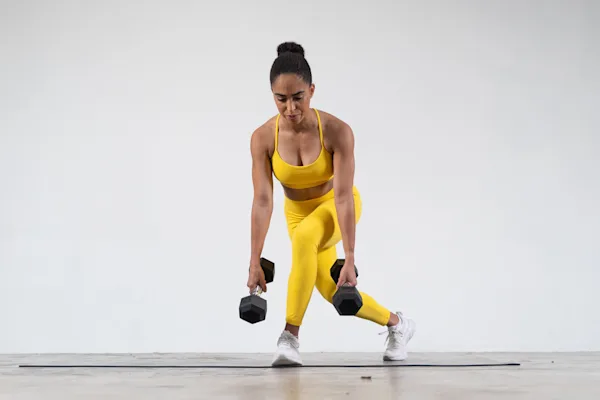
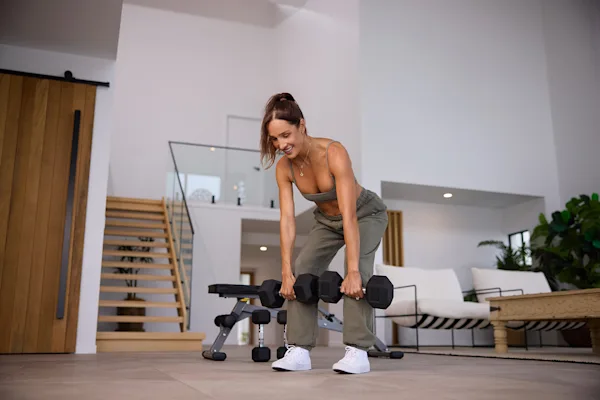
Dumbbells are versatile and perfect for targeting specific muscles. You can use them for exercises like bicep curls, shoulder presses, and lunges. Barbells, on the other hand, allow you to lift heavier weights and are great for compound movements like squats and deadlifts.
Start with lighter weights to master the form. As you get comfortable, gradually increase the weight to challenge your muscles. Remember, quality beats quantity—better to do fewer reps with good form than many with poor technique.
Basic Weightlifting Techniques
Focus on controlled movements and steady breathing. Lift the weight during the exertion phase and lower it slowly to avoid injury. Keep your core tight and maintain a neutral spine to protect your back.
It helps to watch yourself in the mirror or ask a trainer for feedback. Small adjustments in posture can make a big difference in effectiveness and safety. Are you paying attention to how your body feels during each lift?
Avoiding Common Mistakes
Avoid lifting weights that are too heavy, which can cause poor form and strain. Don’t rush through your sets—slow, deliberate movements activate muscles better. Skipping warm-ups or cool-downs increases the risk of injury.
Many beginners forget to engage their core or lock their joints properly, leading to unnecessary stress. If you feel pain beyond typical muscle soreness, stop and reassess your technique. Would you rather push through pain or build strength safely for the long term?
Credit: sweat.com
Tracking Progress And Staying Motivated
Tracking progress keeps workout efforts clear and focused. Watching improvements builds confidence and eagerness to continue. Staying motivated is key to long-term success in fitness routines. It helps overcome challenges and maintain a steady path toward goals.
Using Fitness Apps And Logs
Fitness apps help record workouts quickly and accurately. They track sets, reps, weights, and time spent exercising. Logs allow reviewing past workouts to see patterns and gains. Apps often provide reminders to keep routines consistent. Simple notes about how you feel can boost motivation too.
Setting Milestones
Milestones break big goals into smaller, clear targets. They give a sense of achievement along the way. Examples include increasing weights or running longer distances. Celebrate reaching milestones to stay encouraged. Set new milestones after each success to keep moving forward.
Overcoming Plateaus
Plateaus happen when progress slows or stops. Changing routines helps break through these stalls. Try new exercises or increase workout intensity. Rest and proper nutrition also play a role. Stay patient and adjust plans to keep improving steadily.
Tips For Gym Etiquette
Good gym etiquette helps everyone enjoy their workout time. It shows respect and keeps the gym clean and safe. Following simple rules makes your gym visit more pleasant. Here are some key tips to keep in mind.
Sharing Equipment
Always allow others to use machines and weights if you are resting. Avoid sitting on equipment for too long. Limit your workout time on popular machines during busy hours. You can politely ask if you can work in with someone. Sharing helps everyone complete their exercises without long waits.
Cleaning After Use
Wipe down machines and benches after use. Use the provided disinfectant spray or wipes. Sweat and germs spread quickly without cleaning. Cleaning keeps the gym fresh and safe for all users. Carry a small towel to help dry off equipment if needed.
Respecting Others’ Space
Keep a safe distance from other gym-goers during workouts. Avoid crowding or standing too close. Give people room to move and lift weights safely. Speak quietly and avoid loud noises. Respecting space creates a calm and focused gym environment.
Credit: www.gofit-gym.com
Frequently Asked Questions
What Is The Best Gym Equipment For Beginners?
Beginners should start with simple equipment like treadmills, stationary bikes, and resistance bands. These tools build basic strength and endurance safely. Gradually, they can progress to weights and machines for targeted workouts. Starting light reduces injury risk and improves confidence in gym routines.
How Do I Use Gym Equipment Safely As A Beginner?
Always read instructions or watch tutorials before using equipment. Start with light weights and proper form. Warm up before workouts and cool down after. Ask gym staff for guidance if unsure. Prioritize safety to prevent injuries and improve workout effectiveness.
Where Can I Find A Beginner Gym Equipment Pdf Guide?
Many fitness websites and trainers offer free PDF guides online. Search for “beginner gym equipment PDF” to find detailed instructions and workout plans. These guides help beginners learn correct usage and build confidence. Always choose updated and reputable sources for accurate information.
How Often Should Beginners Use Gym Equipment Weekly?
Beginners should aim for 3 to 4 sessions per week. This frequency allows muscle recovery and steady progress. Each session should last 30 to 60 minutes. Consistency is key for building strength and endurance without overtraining or injury.
Conclusion
Using gym equipment safely helps you build strength and stay healthy. This guide gives clear steps to start with confidence. Practice regularly and listen to your body’s signals. Keep learning and trying different machines to find what suits you best.
Remember, progress takes time and patience. Enjoy your workouts and stay consistent to see good results.







