
Starting at the gym can feel overwhelming. You see all the machines and weights, and wonder where to begin.
But what if using gym equipment was simple and even fun? This guide will show you exactly how to use gym equipment safely and effectively, so you can build confidence and get real results. By the end, you’ll know exactly what to do each time you step into the gym.
Ready to take control of your fitness journey? Let’s dive in.

Credit: www.youtube.com
Choosing The Right Gym Equipment
Choosing the right gym equipment is a crucial step for anyone starting their fitness journey. The equipment you select can either motivate you or make workouts feel like a chore. Understanding how to pick tools that align with your needs will save you time and help you see better results.
Assessing Fitness Goals
Before touching any machine or weights, ask yourself what you want to achieve. Are you aiming to build muscle, lose weight, improve endurance, or increase flexibility? Your goals will guide which equipment suits you best.
If your goal is strength, free weights like dumbbells and barbells are essential. For weight loss and cardio, treadmills, ellipticals, or stationary bikes fit the bill. Flexibility and balance can be enhanced with yoga mats and stability balls.
I once focused on cardio but ignored strength training, thinking it wasn’t necessary. That decision slowed my progress. Don’t make the same mistake—choose equipment that balances your goals.
Understanding Gym Layout
Gyms vary in size and setup, and knowing the layout helps you plan your workouts effectively. Spend a few minutes exploring the space before jumping in. Notice where machines, free weights, and functional training areas are located.
Some gyms place cardio machines near windows for a view, while others cluster weights in a quieter corner. Identifying these zones can help you avoid crowded areas and reduce waiting times.
Also, check if the gym provides beginner-friendly equipment or clear instructions nearby. This makes your introduction smoother and reduces the chance of injury. Have you ever felt lost or overwhelmed by a gym’s setup? Understanding the layout first can change that experience.
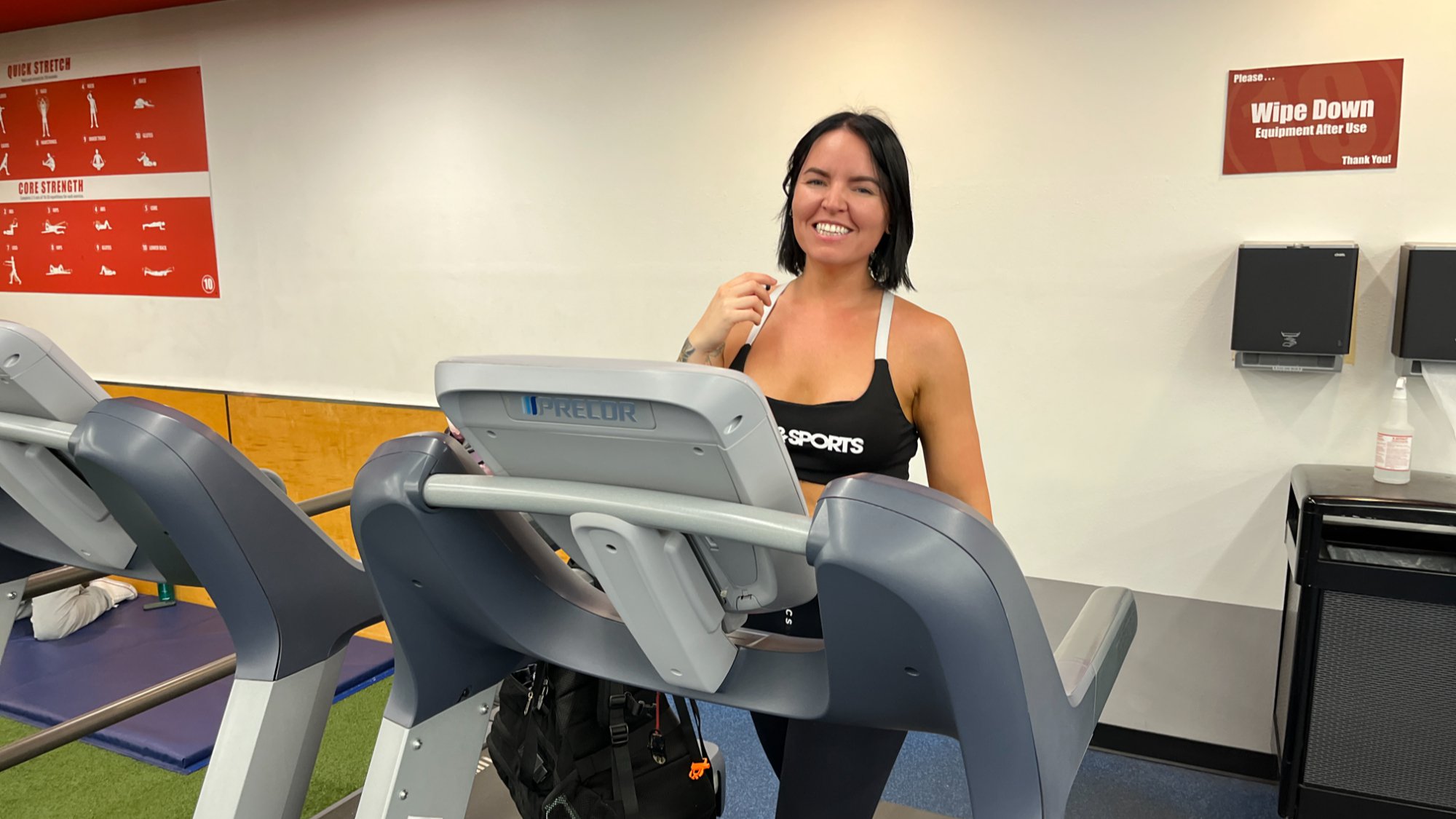
Credit: 10fitness.com
Basic Gym Equipment For Beginners
Starting at the gym can feel overwhelming with so many machines and tools around. Knowing which equipment to use first can make your workouts more effective and boost your confidence. Focusing on basic gym equipment designed for beginners helps you build a strong foundation without risking injury or frustration.
Cardio Machines
Cardio machines are a great way to warm up and improve your heart health. Treadmills, stationary bikes, and ellipticals are user-friendly and allow you to control speed and intensity easily.
Try starting with a 10-minute session at a comfortable pace. Notice how your body feels and adjust accordingly. Have you ever felt unsure about the right speed? Keep it steady enough to hold a conversation but challenging enough to raise your heart rate.
Strength Training Essentials
Strength training builds muscle and boosts metabolism. Dumbbells, resistance bands, and weight machines are beginner-friendly tools to help you get started.
Start light and focus on proper form rather than heavy weights. For example, try dumbbell curls with 5-pound weights before moving heavier. How often do you check your posture during exercises? Correct form prevents injury and maximizes results.
Flexibility And Balance Tools
Flexibility and balance are often overlooked but crucial for overall fitness. Yoga mats, balance boards, and foam rollers help you stretch and improve stability.
Spend a few minutes after your workout stretching on a yoga mat or using a foam roller to release tight muscles. Ever noticed how better balance enhances your daily movements? Adding balance exercises can reduce falls and improve your workout performance.
Proper Form And Technique
Proper form and technique are key to safe and effective workouts. Using gym equipment correctly helps prevent injuries. It also makes your exercises more efficient. Beginners should focus on learning the right movements. This builds a strong foundation for progress.
Importance Of Correct Posture
Good posture protects your spine and joints during exercises. It ensures muscles work the right way. Correct posture increases the benefits of each workout. Poor posture can cause pain and slow results. Standing or sitting straight helps maintain balance. Keep your core tight and shoulders relaxed. Align your head with your spine to avoid strain.
Avoiding Common Mistakes
Many beginners make simple errors that affect results. Using too much weight can lead to poor form. Moving too fast reduces muscle engagement and increases injury risk. Not controlling the motion wastes effort. Forgetting to breathe properly lowers performance. Focus on slow, steady movements. Always check your position in the mirror or ask for help. Stop if you feel sharp pain or discomfort.
Creating A Balanced Workout Plan
Creating a balanced workout plan is key for beginners using gym equipment. It helps build strength, improve endurance, and prevent injury. A good plan includes different types of exercises and time for rest. This keeps workouts effective and enjoyable.
Incorporating Cardio And Strength
A balanced workout mixes cardio exercises with strength training. Cardio raises your heart rate and burns calories. Strength training builds muscles and tones your body. Use machines like treadmills or bikes for cardio. For strength, try weight machines or free weights. Aim for at least 30 minutes of cardio and two sessions of strength training weekly. This balance improves fitness and overall health.
Scheduling Rest And Recovery
Rest days help your muscles heal and grow stronger. Without rest, your body may get tired or hurt. Plan at least one or two rest days each week. Light activities like walking or stretching work well on rest days. Listen to your body’s signals and avoid overtraining. Rest is as important as exercise for good results.
Safety Tips For Beginners
Starting with gym equipment can feel overwhelming. Safety must come first to avoid injuries and build good habits. Understanding how to use machines and weights correctly helps protect your body. Knowing your limits keeps workouts effective and safe.
Using Equipment Safely
Read instructions on each machine before using it. Adjust settings to fit your height and strength. Use slow, controlled movements to avoid jerking. Start with light weights to learn proper form. Ask gym staff or trainers for help if unsure. Always warm up your muscles before lifting weights. Keep your back straight and knees slightly bent during exercises. Clean equipment before and after use to prevent germs.
Recognizing Signs Of Overexertion
Pay attention to how your body feels during exercise. Stop if you feel dizziness, chest pain, or severe shortness of breath. Muscle cramps and sharp pain are warning signs. Excessive sweating and nausea mean you should rest. Take breaks between sets to recover. Drink water often to stay hydrated. Listen to your body’s signals to avoid injury and burnout.
Building Confidence At The Gym
Building confidence at the gym is essential for anyone starting out. Feeling unsure or intimidated by new equipment is normal, but you can change that by taking small, deliberate actions. Confidence grows when you understand your environment and trust your ability to use the machines effectively.
Overcoming Gym Anxiety
Walking into a gym can feel overwhelming, especially if you don’t know where to begin. Many beginners worry about being judged or making mistakes. Remember, everyone was new once, and most people focus on their own workouts, not on you.
Try to visit the gym during off-peak hours when it’s less crowded. This creates a low-pressure environment to explore equipment at your own pace. You can also ask gym staff for a quick orientation; they’re usually happy to help you learn proper machine use and safety tips.
Have you noticed how your anxiety decreases when you watch others use equipment before trying it yourself? Observing can give you practical ideas and boost your comfort level without rushing into action.
Setting Realistic Goals
Confidence builds faster when your goals are clear and achievable. Instead of aiming to master every machine on your first day, focus on learning a few key exercises well. Setting small, specific goals helps you track progress and stay motivated.
- Start with 10-15 minutes on one or two machines you find interesting.
- Focus on form and technique rather than heavy weights or speed.
- Gradually increase the time or resistance as you feel more comfortable.
Ask yourself: What can I realistically achieve this week? When you meet these goals, your confidence will rise naturally. Celebrate your progress, no matter how small—it’s a sign you’re moving forward.
Tracking Progress And Setting Milestones
Tracking progress and setting milestones helps beginners stay motivated and see real results. It makes workouts more effective by showing what works and what needs change. Clear goals give a sense of achievement and keep focus strong.
Monitoring Improvements
Write down your workout details each session. Note weights, reps, and sets for every exercise. Check your strength and endurance every week. Take photos or measure body parts monthly. Small changes add up over time. Seeing progress keeps motivation high and builds confidence.
Adjusting Workout Routines
Change your routine when progress slows. Increase weights or add more reps step by step. Try new exercises to target different muscles. Rest days help muscles recover and grow. Listen to your body to avoid injury. Keep your plan fresh and challenging to improve steadily.
Seeking Professional Guidance
Starting your fitness journey can feel overwhelming, especially when you’re surrounded by unfamiliar gym equipment. Seeking professional guidance helps you navigate this new environment with confidence and safety. It ensures you get the most from your workouts while avoiding injury.
Benefits Of Personal Trainers
Personal trainers tailor workouts specifically to your goals and fitness level. They teach you the correct form and usage of each machine, which is crucial for preventing injuries. A good trainer also motivates you, making it easier to stick with your routine.
Imagine trying a new exercise without knowing if you’re doing it right—this could lead to strain or frustration. A personal trainer spots these mistakes early and corrects them, saving you time and discomfort. Plus, they can help you set realistic milestones that keep you progressing steadily.
Utilizing Gym Staff Expertise
Gym staff are often overlooked resources, but they can offer quick tips and demonstrations on equipment use. Don’t hesitate to ask them questions; most are happy to help beginners get started. They can also guide you on which machines suit your fitness goals.
Have you ever felt unsure about adjusting a machine? Staff can show you how to change settings safely. This small guidance can boost your confidence and encourage you to try new exercises without hesitation.

Credit: backmusclesolutions.com
Frequently Asked Questions
What Is The Best Gym Equipment For Beginners?
For beginners, start with machines like the treadmill, stationary bike, and elliptical. These offer controlled movements. They reduce injury risk and help build endurance safely. Weight machines are also ideal for learning proper form.
How Do I Use Gym Machines Correctly?
Always begin by reading instructions or asking staff for help. Adjust the seat and settings to fit your body. Start with light weights to master the movement. Focus on controlled, steady motions and proper posture.
How Often Should Beginners Use Gym Equipment?
Beginners should aim for 3-4 sessions weekly. Each session can last 30-45 minutes. This frequency allows muscles to adapt and recover. Gradually increase workout intensity as strength and confidence improve.
Can Beginners Use Free Weights Safely?
Yes, beginners can use free weights safely with proper guidance. Start with light weights and focus on form. Avoid lifting too heavy too soon. Consider working with a trainer to learn correct techniques.
Conclusion
Using gym equipment safely helps build strength and confidence. Start slow and learn how each machine works. Focus on good form to avoid injuries and get better results. Ask gym staff or trainers if unsure about any equipment. Practice regularly to see steady progress in your fitness journey.
Remember, consistency beats speed. Enjoy the process and celebrate small wins along the way. Staying patient and positive makes exercising easier and more fun. Keep moving forward, one step at a time.







