
Are you ready to sculpt strong, defined abs but unsure how to make the most of gym equipment? You’re not alone.
Many people struggle to target their core effectively despite spending hours at the gym. The good news is, with the right techniques and equipment, you can maximize your workout and see real results faster than you think. In this guide, you’ll discover simple, practical ways to use common gym machines and tools that will challenge your abs like never before.
Get ready to unlock the secret to a toned midsection and feel confident in your own skin!

Credit: www.amazon.com
Choosing The Right Gym Equipment
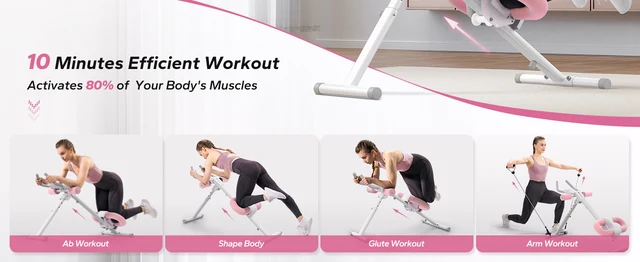
Choosing the right gym equipment is key for effective ab workouts. The right tools help you focus on your core muscles safely. They offer different levels of resistance and support. This variety keeps your workouts interesting and challenging.
Understanding each type of equipment helps you pick what fits your needs. Consider your fitness level and goals. Some machines guide your movement. Others require more balance and control.
Machines For Targeted Abs
Machines isolate abdominal muscles for focused exercise. They often have adjustable resistance settings. This helps you increase difficulty over time. Common machines include the ab crunch and rotary torso. They guide your motion to reduce injury risk. Machines suit beginners and those wanting precise control.
Free Weights And Stability Tools
Free weights challenge your core by adding weight to movements. Dumbbells and kettlebells work well for ab exercises. Stability tools like exercise balls improve balance. They force your abs to stabilize your body. These tools build strength and coordination together. They suit users who want dynamic workouts.
Resistance Bands And Cables
Resistance bands offer portable, adjustable tension for core training. They come in different thicknesses for various resistance levels. Cable machines use pulleys to create smooth, constant resistance. Both help target abs from multiple angles. These tools increase muscle engagement and improve tone.
Credit: www.aliexpress.com
Proper Form And Safety Tips
Proper form is essential for effective and safe ab workouts. Using gym equipment correctly prevents injuries and maximizes results. Follow these guidelines to ensure each session is both safe and productive.
Correct Posture For Abs Exercises
Maintain a neutral spine during exercises. Engage your core muscles fully. Keep your shoulders relaxed and avoid tensing your neck. Use controlled movements without jerking.
Common Mistakes To Avoid
- Do not rush through exercises. Slow, controlled movements are key.
- Avoid pulling on your neck during crunches or sit-ups.
- Ensure you are breathing correctly. Exhale on exertion.
- Do not use momentum to lift weights. Focus on muscle engagement.
Warm-up And Cool-down Routines
Start with a 5-minute cardio warm-up to increase blood flow. This prepares your muscles for exercise. After your workout, stretch your abs and back. Hold each stretch for 15-30 seconds. This helps in reducing muscle soreness.
Top Gym Machines For Abs
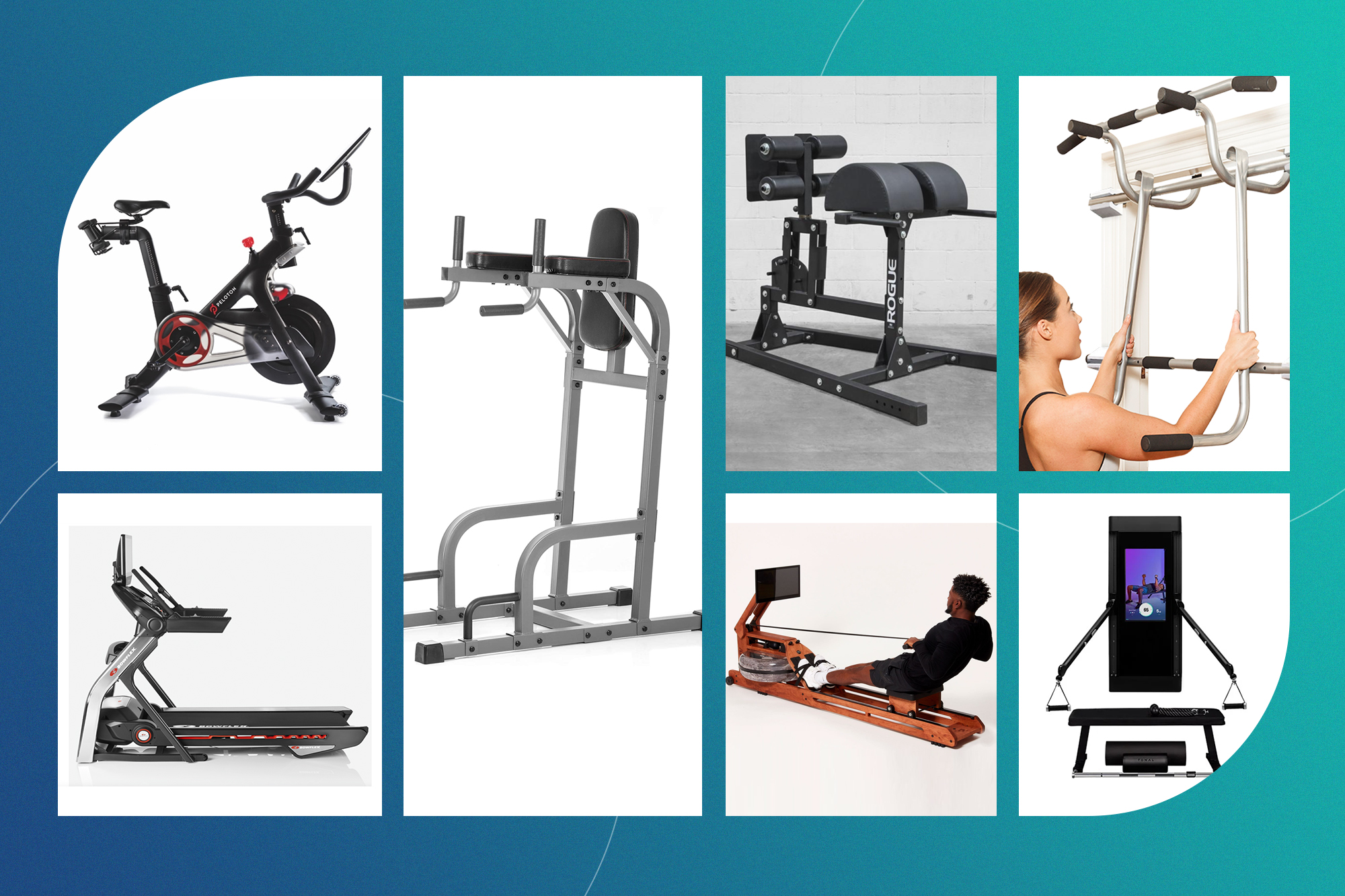
Targeting your abs effectively means using gym equipment that isolates and challenges your core muscles. The right machines can help you focus on different parts of your abdominal area, making your workouts more efficient. Let’s look at some of the top gym machines designed to build strong, defined abs.
Cable Crunch Machine Techniques
The cable crunch machine allows you to add resistance to your crunches, which can intensify your ab workout. Start by kneeling down and holding the cable rope behind your head. Pull down, crunching your torso toward your knees while keeping your hips stationary.
Control is key here—move slowly to engage your abs fully and avoid using momentum. Try adjusting the weight to find a challenge without compromising your form. Have you noticed how resistance changes the way your abs burn?
Roman Chair And Captain’s Chair
These machines are excellent for working your lower abs and hip flexors. On the Roman chair, secure your legs and lean back, then raise your upper body using your core muscles. The Captain’s chair lets you hang and lift your knees or legs straight out, which targets your lower abs intensely.
Both machines require stability, so focus on controlled movements. If your lower back strains, adjust your posture or reduce the range of motion. How strong is your lower core compared to the upper abs?
Ab Roller And Stability Ball Uses
While not traditional gym machines, the ab roller and stability ball are popular tools for core training. The ab roller forces you to stabilize your entire body as you roll forward and back, heavily engaging your abs. The stability ball can be used for crunches or planks, adding an element of balance that challenges your core.
Using these tools regularly can improve your core strength and control. Make sure to keep your movements slow and steady to avoid injury. Have you tried adding these to your routine to break the monotony?
Effective Free Weight Exercises
Using free weights to target your abs can seriously boost your core strength and muscle definition. Unlike machines, free weights challenge your stability and engage more muscles, making each rep more effective. If you want to get more from your ab workouts, adding weights is a smart move that pushes your limits and speeds up results.
Weighted Sit-ups And Crunches
Holding a weight plate or dumbbell while doing sit-ups or crunches adds resistance that forces your abs to work harder. Start with a light weight and focus on controlled movements to avoid strain on your neck or lower back.
Try holding the weight against your chest or extend it straight above your head to increase difficulty. Have you noticed how just a small increase in weight makes your abs burn more intensely?
Dumbbell Side Bends
Dumbbell side bends target your obliques, which are key for a sculpted waistline. Stand tall, hold a dumbbell in one hand, and slowly bend to the side without twisting.
Keep your core tight and avoid leaning forward or backward. Adding these to your routine will challenge your sides and improve overall core stability.
Kettlebell Russian Twists
This exercise is great for engaging your entire core, especially the obliques. Sit on the floor, lean back slightly, and hold a kettlebell with both hands.
Twist your torso to move the kettlebell from side to side in a controlled way. How does the added weight affect your balance and control? This move not only tones your abs but also improves rotational strength.
Incorporating Resistance Bands
Resistance bands add a new challenge to ab workouts. They increase tension on your muscles, making exercises more effective. Bands are easy to use and portable. You can adjust the intensity by changing band tension or position. Incorporating resistance bands helps build stronger, more defined abs. This section explains how to use bands for different ab moves.
Band-resisted Crunch Variations
Use resistance bands to make crunches harder. Anchor the band behind you or hold it over your head. Pull the band while crunching up to engage your abs more. Try these variations:
- Standard crunch with band resistance
- Reverse crunch with band pulling your legs
- Seated crunch holding band handles
These moves increase muscle activation and improve core strength.
Oblique Targeting Moves
Resistance bands work well for oblique muscles on your sides. Twist your torso against the band’s pull. Try these exercises:
- Standing woodchopper: pull band diagonally across your body
- Side bends with band anchored low
- Seated Russian twists holding the band
These moves tone your waist and improve rotational strength.
Adjusting Band Tension
Band tension controls workout difficulty. Shorten the band to increase resistance. Use thicker bands for more challenge. Anchor bands closer or farther for different angles. Experiment to find tension that feels right but not painful. Proper tension helps muscles grow and prevents injury.
Credit: gymandfitness.co.ke
Creating A Balanced Abs Workout
Creating a balanced abs workout is key to building core strength and definition without risking injury or burnout. It’s not just about hitting the equipment hard; you need to mix different types of exercises and listen to your body’s signals. A well-rounded approach will keep your workouts effective and engaging over time.
Combining Equipment And Bodyweight Moves
Using gym equipment like cable machines, ab rollers, and stability balls can add resistance and variety to your abs training. But don’t rely on machines alone—bodyweight moves such as planks, leg raises, and bicycle crunches activate stabilizer muscles that machines might miss.
Try pairing equipment exercises with bodyweight moves in supersets. For example, follow a set of cable crunches with a set of planks. This combination challenges your core in different ways and prevents workout boredom.
Setting Reps And Sets For Progress
Focus on quality over quantity. Start with 3 sets of 12-15 reps for each exercise, ensuring your form stays perfect throughout. If you feel strong, add weight or increase reps gradually.
Tracking your reps and sets helps you see progress. Have you noticed a move getting easier? That’s your cue to step it up. Consistent, small increases build strength without overwhelming your muscles.
Rest And Recovery Strategies
Abs are like any other muscle group—they need rest to grow and repair. Avoid training your abs every day; aim for 2-3 sessions per week with at least 48 hours between workouts.
Use rest days for light activity like walking or gentle yoga to promote blood flow. Pay attention to soreness—persistent pain means your body needs more recovery time before your next abs workout.
Tracking Progress And Staying Motivated
Tracking progress and staying motivated are key to building strong abs. Monitoring your improvements helps keep your workouts focused. Motivation grows when you see real results. Simple tracking methods make it easy to notice gains and keep pushing forward.
Measuring Core Strength Gains
Core strength can be measured through specific exercises. Record how many reps you complete in exercises like planks or leg raises. Note the time you hold a plank or the number of crunches done with good form. Track the weight or resistance used on gym equipment for abs. Regularly testing these helps you see real strength gains.
Visual And Performance Milestones
Look for visual changes in your midsection over weeks. Take photos every two weeks to compare progress. Notice muscle definition and waist size differences. Performance milestones also matter. Set goals like holding a plank for longer or increasing reps. Celebrate these small wins to stay motivated.
Tips To Keep Consistent
- Set clear, achievable goals for each week.
- Use a workout journal or app to log exercises.
- Mix different gym equipment to avoid boredom.
- Reward yourself after reaching milestones.
- Work out with a friend for extra motivation.
Frequently Asked Questions
What Gym Equipment Is Best For Targeting Abs?
The best gym equipment for abs includes cable machines, ab rollers, and stability balls. These tools help engage core muscles effectively and improve strength. Using varied equipment prevents workout monotony and targets all abdominal areas for balanced muscle development.
How Do I Safely Use Ab Machines?
Start with a light weight to avoid strain. Maintain proper posture and controlled movements during each exercise. Focus on engaging your core muscles, not your neck or back. If unsure, ask a trainer for guidance to prevent injury and maximize results.
Can Gym Equipment Help Reduce Belly Fat?
Gym equipment strengthens and tones abs but doesn’t directly burn belly fat. Fat loss occurs through a calorie deficit combining cardio, strength training, and healthy diet. Abs exercises help define muscles once fat reduces around the midsection.
How Often Should I Train Abs With Gym Equipment?
Train abs 2-3 times a week with rest days in between. Overtraining can cause muscle fatigue and injury. Consistent, moderate workouts allow muscles to recover and grow stronger, leading to better core stability and definition.
Conclusion
Using gym equipment can help build strong abs fast. Focus on proper form to avoid injury. Start with light weights and increase slowly. Consistency and patience bring the best results. Combine exercises with good diet and rest days. Remember, strong abs support your whole body.
Keep your workouts simple and steady. Enjoy the process and stay motivated. Your abs will thank you!







