
Are you stepping into the gym but feeling unsure about how to use the machines and tools around you? You’re not alone.
Gym equipment can look confusing, even intimidating, at first. But once you learn the basics, you’ll unlock a whole new level of confidence and results in your workouts. In this guide, you’ll discover simple, clear steps to master the most common gym equipment.
By the end, you’ll know exactly how to use each machine safely and effectively—so you can focus on reaching your fitness goals without hesitation or guesswork. Ready to take control of your gym time? Let’s get started.
Choosing The Right Equipment
Choosing the right gym equipment can make a huge difference in how effective and enjoyable your workouts are. It’s not just about picking what looks cool or what others use. You need tools that fit your body, your goals, and your fitness level.
Types Of Gym Machines
Gym machines come in many forms, each designed to target different muscles or provide specific types of resistance. Some common types include:
- Cardio Machines:Treadmills, ellipticals, and stationary bikes help improve your heart health and burn calories.
- Strength Machines:Leg press, chest press, and lat pulldown machines isolate muscles, making it easier to learn correct form.
- Functional Trainers:Cable machines and multi-gyms offer versatile workouts, mimicking real-life movements.
Choosing the right machine depends on what you want to improve and how comfortable you feel using it.
Free Weights Vs Machines
Free weights like dumbbells and barbells force your body to stabilize during exercises. This builds balance and engages more muscles.
Machines guide your movements, which can reduce injury risk if you’re new or rehabbing. However, they often target muscles in isolation.
Ask yourself: Do you want to focus on muscle control and balance? Or do you prefer guided support to build strength safely? Mixing both can provide a balanced routine.
Equipment For Different Goals
Your fitness goals should drive your equipment choices. For example:
| Goal | Best Equipment |
|---|---|
| Build Muscle | Free weights and strength machines for progressive overload |
| Lose Weight | Cardio machines combined with light weights for endurance |
| Improve Flexibility | Stretching stations and bodyweight areas |
| Rehabilitation | Low-impact machines and resistance bands |
Think about what you want to achieve and choose equipment that supports that journey, not just what’s trendy or popular.
Credit: sweat.com
Basic Gym Machines Explained
Basic gym machines help target different muscles safely and effectively. Learning how to adjust settings and use proper form improves workout results. Clear instructions make gym equipment easy to use for beginners.
Understanding how to use gym machines can enhance your workout experience. Basic gym machines target different muscle groups and fitness goals. Knowing the right equipment can make your gym visit more effective. Let’s dive into some common gym machines and their uses.Treadmills And Cardio Machines
Treadmills are excellent for cardio workouts. They help improve heart health and burn calories. Adjust the speed and incline to simulate walking or running. Elliptical machines offer a low-impact workout. They are easier on the joints and provide a full-body exercise. Stationary bikes focus on lower body strength and stamina. They are great for people with knee issues.Strength Training Machines
Strength training machines help build muscle mass. Leg press machines target thighs and calves. They offer controlled movement, reducing injury risk. Chest press machines focus on building chest and tricep muscles. They are easy to adjust for different resistance levels. Lat pull-down machines strengthen back and shoulder muscles. Adjust the seat and weight for comfort and efficiency.Cable And Pulley Systems
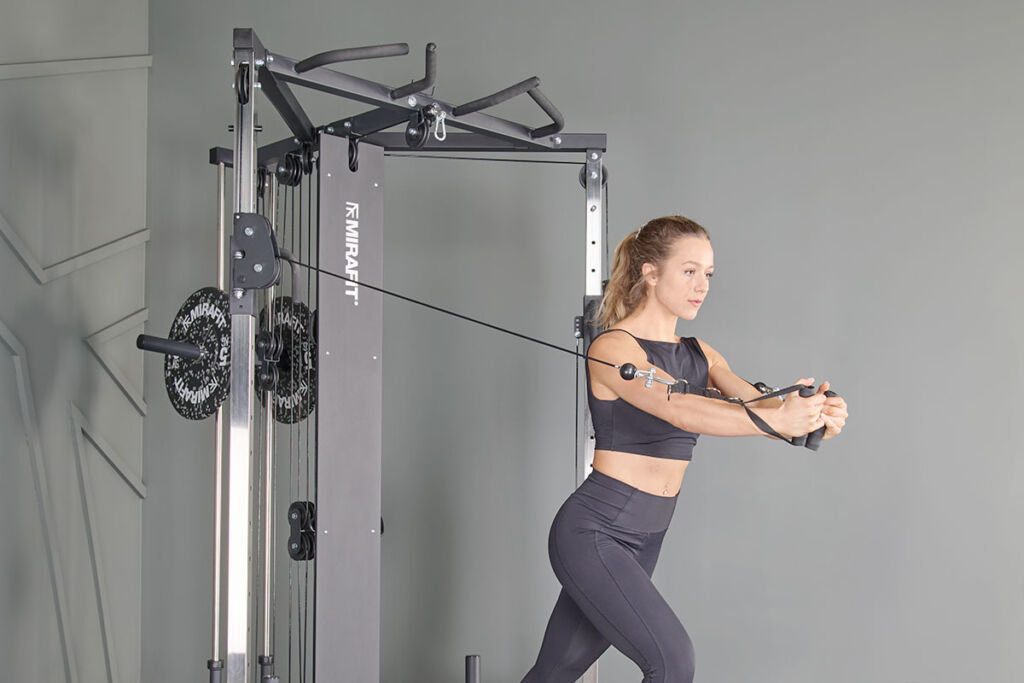
Cable and pulley systems offer versatile workouts. They allow for a range of motion and muscle engagement. Use them for exercises like tricep pushdowns and bicep curls. Adjust the height and weight for different exercises. These systems are ideal for developing coordination and balance. They suit both beginners and advanced users.Free Weights And Accessories
Free weights and accessories are essential tools that give you control over your workout intensity and variety. They allow you to target different muscle groups effectively and adjust your routine as you progress. Understanding how to use these tools safely and efficiently can dramatically improve your strength and endurance.
Dumbbells And Barbells
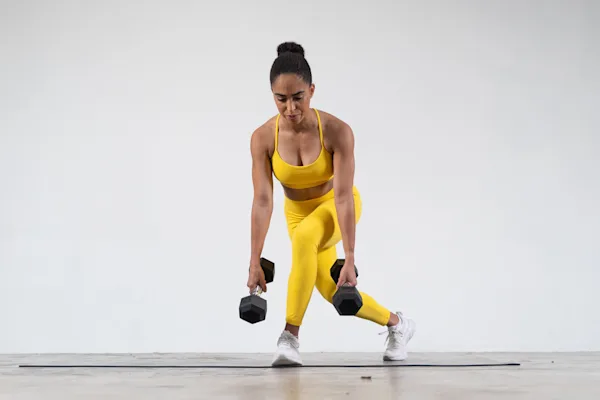
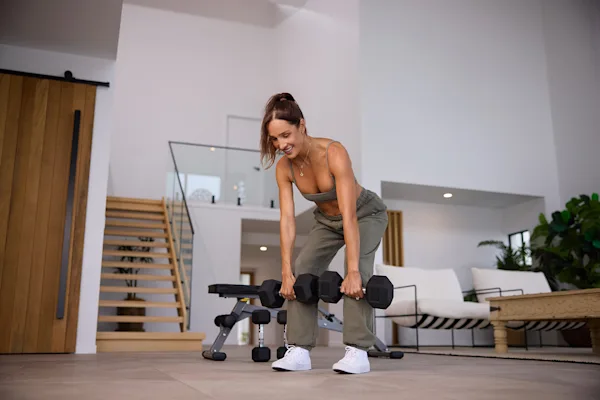
Dumbbells and barbells are fundamental for building strength. Dumbbells let you work each side of your body independently, which helps fix muscle imbalances. Barbells allow you to lift heavier weights and perform compound movements like squats and deadlifts.
Start with lighter weights to master your form before increasing the load. Always keep your core engaged and maintain a straight back to avoid injury. Have you noticed how switching from machines to free weights challenges your stability and coordination?
Kettlebells And Medicine Balls
Kettlebells add a dynamic element to your workouts, combining strength and cardio. Their unique shape lets you perform swinging movements that improve power and endurance. Medicine balls are great for explosive movements and functional training, helping you develop coordination and core strength.
Try kettlebell swings or medicine ball slams to break your routine and engage different muscles. Keep your movements controlled to avoid strain. How often do you include these tools to keep your workouts fresh and challenging?
Resistance Bands And Other Tools
Resistance bands are versatile and portable, perfect for adding extra tension to exercises. They come in different resistance levels, making them suitable for beginners and advanced users alike. Bands help improve flexibility, strength, and muscle activation.
Other accessories like pull-up assist bands, ankle weights, or stability balls can enhance your training in unique ways. Use them to target weak spots or add variety to your sessions. Have you tried resistance bands to boost your warm-ups or rehabilitation exercises?
Proper Form And Safety Tips
Using gym equipment effectively means focusing on proper form and safety. This not only boosts your workout results but also protects you from injuries that can set you back. Paying close attention to how you move and prepare your body can make a big difference in your fitness journey.
Warming Up And Stretching
Before you touch any machine, spend at least 5 to 10 minutes warming up. Light cardio like brisk walking or cycling increases blood flow to your muscles, making them ready for exercise.
Stretching after your warm-up helps improve flexibility and range of motion. Focus on dynamic stretches that mimic the movements you’ll do on the equipment. Have you noticed how skipping this step can make your muscles feel tight or sore?
Correct Posture On Machines
Each machine is designed to target specific muscles, but incorrect posture can reduce its effectiveness and cause strain. Always adjust the seat height, handles, or pads to fit your body before starting.
- Keep your back straight and core engaged to support your spine.
- Align your knees and elbows with the machine’s pivot points to avoid joint stress.
- Maintain a controlled pace — avoid jerky or rushed movements.
Imagine you’re on the leg press machine: if your feet are too high or low on the platform, you might stress your knees or hips. Small adjustments can prevent pain and improve your workout.
Avoiding Common Injuries
Injuries often happen from overdoing it or ignoring signs of discomfort. Listen to your body and don’t push through sharp pain. Soreness is normal, but sharp or sudden pain means stop immediately.
- Don’t lift weights that are too heavy; increase resistance gradually.
- Use safety features like locks and pins on weight machines.
- Keep your movements smooth and controlled to protect joints and muscles.
Have you ever felt a twinge during a workout and brushed it off? That small warning could prevent a bigger injury if you act on it early. Remember, smart workouts are safer and more effective.
Creating A Beginner Workout Plan
Creating a beginner workout plan is essential to make your time at the gym effective and enjoyable. It helps you build consistency without overwhelming your body or mind. By planning your workouts, you set a clear path that encourages progress and keeps you motivated.
Balancing Cardio And Strength
Both cardio and strength training play important roles in your fitness journey. Cardio boosts your heart health and endurance, while strength training builds muscle and improves metabolism. Aim to include at least 2-3 cardio sessions and 2-3 strength sessions per week.
You might start with simple activities like brisk walking or cycling for cardio. For strength, focus on basic exercises using machines or free weights that target major muscle groups. Balance is key—too much cardio can lead to muscle loss, and too much strength work without cardio may limit stamina.
Setting Realistic Goals
Setting clear, achievable goals helps you stay focused and measure success. Instead of saying “I want to get fit,” try “I want to increase my treadmill time by 5 minutes in two weeks” or “I want to lift 10% more weight on the leg press.” These specific targets make progress visible and rewarding.
Think about your schedule and energy levels. Can you commit to 30 minutes, three times a week? Adjust your goals if needed to avoid burnout. Remember, small steps add up to big changes over time.
Tracking Progress
Keeping track of your workouts can reveal patterns and keep you motivated. Use a simple notebook, an app, or a spreadsheet to note exercises, weights, reps, and cardio duration. Seeing your improvements in black and white encourages you to push further.
Don’t just focus on numbers; pay attention to how you feel after workouts. Are you less tired? Sleeping better? These signs matter too. Regular tracking also helps you spot plateaus early so you can tweak your plan and keep moving forward.
Credit: sweat.com
Gym Etiquette And Hygiene
Gym etiquette and hygiene keep the workout space safe and pleasant for everyone. Following simple rules shows respect for others and helps prevent the spread of germs. Clean habits and polite behavior make the gym welcoming and enjoyable.
Sharing Equipment
Sharing gym equipment helps everyone get a good workout. Avoid using equipment for too long without breaks. Allow others to work in between your sets. Use headphones if you want to listen to music. Speak softly to keep the environment calm.
Cleaning After Use
Always wipe down equipment after use. Use the provided disinfectant sprays and paper towels. Cleaning removes sweat and germs from surfaces. This keeps the equipment safe and ready for the next person. Carry a small towel to help absorb sweat.
Respecting Others’ Space
Keep a good distance from others while exercising. Avoid standing too close or interrupting workouts. Use only one machine or area at a time. Put weights and equipment back in their place. Respect others’ time and focus in the gym.
Troubleshooting Common Issues
Using gym equipment can sometimes feel tricky. Many people face small problems that stop them from exercising well. These issues can be fixed with simple steps. Knowing how to handle common problems helps you feel confident. It makes your workout smoother and safer.
Dealing With Intimidation
The gym can feel overwhelming at first. Big machines and many people may scare you. Remember, everyone started as a beginner. Focus on your workout, not on others. Take deep breaths and stay calm. Use machines that seem easier until you gain confidence. Your comfort grows with practice.
Asking For Help
Do not hesitate to ask gym staff or trainers. They are there to assist you. Asking questions shows you want to learn. You can ask about correct posture and machine use. Others may also offer friendly advice. Clear doubts early to avoid injury. Most people are happy to help beginners.
Adjusting Equipment Settings
Machines have many settings like weight, height, or seat position. Set these to match your body size. Look for labels or instructions on the equipment. Adjust slowly until you feel comfortable. Wrong settings can cause pain or reduce benefits. Test the machine with light effort first. Make changes between sets if needed.
Credit: mirafit.co.uk
Frequently Asked Questions
How Do I Use Gym Equipment Safely?
Always start with a warm-up and read instructions carefully. Use proper form and avoid heavy weights initially. Ask gym staff for guidance if unsure. Clean equipment before and after use to maintain hygiene.
Which Gym Machines Are Best For Beginners?
Begin with cardio machines like treadmills, ellipticals, or stationary bikes. These improve endurance and are easy to use. Strength machines with guided motions are safer than free weights for beginners.
How Often Should I Clean Gym Equipment?
Clean gym equipment before and after each use. Use disinfectant wipes to remove sweat and germs. Regular cleaning prevents infections and keeps equipment in good condition.
Can Gym Equipment Help With Weight Loss?
Yes, cardio machines like treadmills and bikes burn calories effectively. Strength machines build muscle, boosting metabolism for long-term fat loss. Consistent use combined with a healthy diet aids weight loss.
Conclusion
Using gym equipment safely helps you reach your fitness goals faster. Start with light weights to learn proper form. Always follow instructions and ask for help if needed. Consistency and patience bring the best results over time. Enjoy your workouts and stay motivated every day.
Keep your routine simple and focus on steady progress. This approach builds strength and confidence in the gym. Small steps lead to big changes in your health. Stay safe, stay active, and keep moving forward.







