
Feeling overwhelmed by stress? You’re not alone.
But what if the key to easing your mind lies in something you already have—the power of your own body? Using fitness for stress management isn’t just about breaking a sweat; it’s about unlocking a tool that can clear your mind, boost your mood, and help you take control of your emotions.
You’ll discover simple, effective ways to turn exercise into your secret weapon against stress. Ready to feel calmer, sharper, and more in charge of your life? Keep reading—you won’t want to miss these tips.
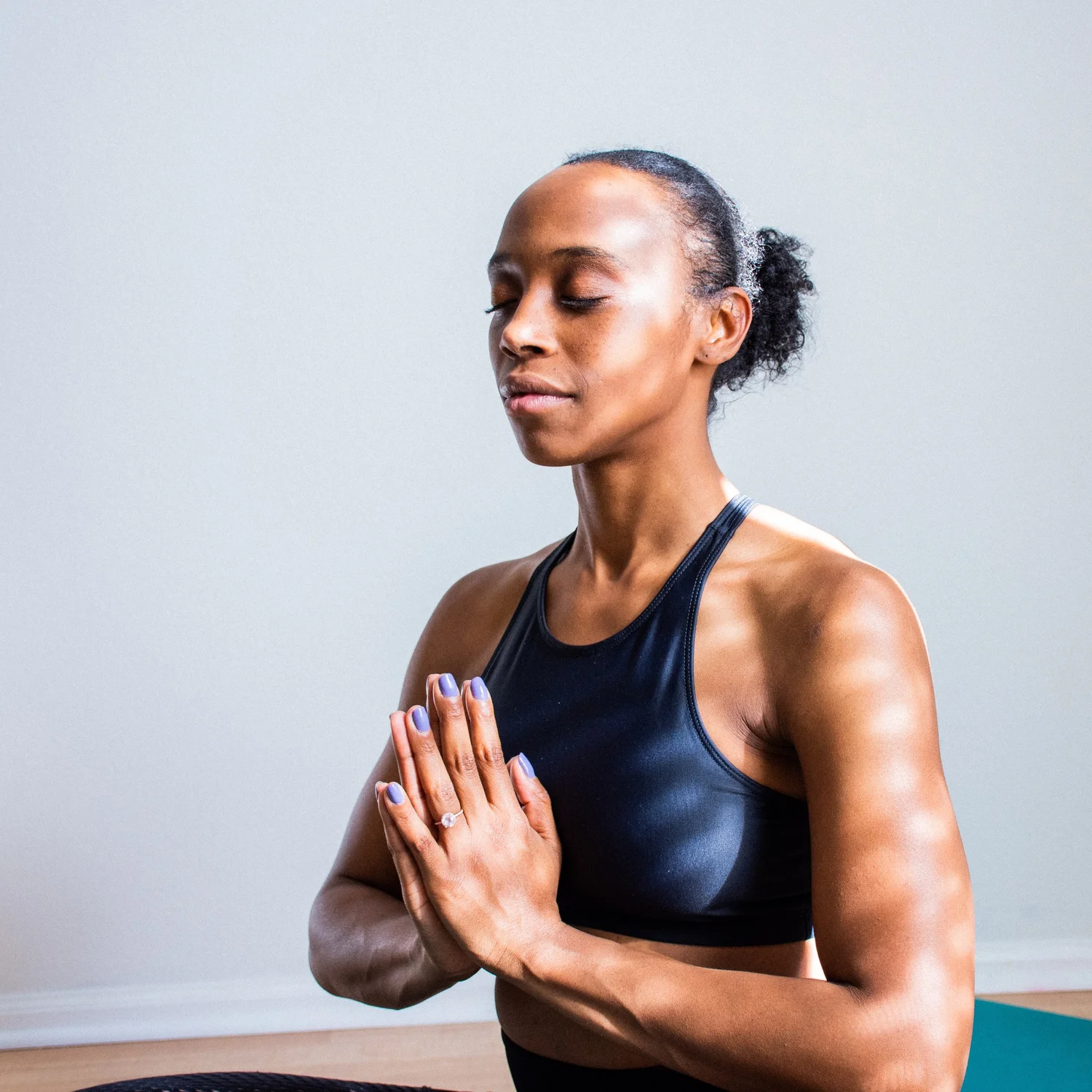
Credit: inbloomproject.com
Benefits Of Fitness For Stress
Fitness offers more than just physical benefits; it can be a powerful tool to help you manage stress effectively. Understanding how exercise impacts your body and mind can motivate you to stay consistent, even when life feels overwhelming. Let’s look at the key benefits fitness brings to stress management.
Physical Impact On Stress Reduction
Exercise triggers the release of endorphins, often called “feel-good” hormones. These natural chemicals reduce pain and boost your mood, helping you feel calmer after a workout.
Physical activity also lowers levels of the stress hormone cortisol. When cortisol drops, your body moves away from a state of tension and towards relaxation.
Have you noticed how a brisk walk or a quick run can clear your mind? That’s your body physically shaking off stress, improving your overall well-being.
Mental Health Improvements
Working out regularly can improve your focus and reduce feelings of anxiety. Exercise encourages your brain to create new neural connections, which helps you think more clearly under pressure.
It also acts as a distraction, giving your mind a break from worries and negative thoughts. This mental shift can lead to better mood and increased energy throughout the day.
Think about the last time you exercised and felt proud of yourself afterward. That boost in self-confidence can be a powerful antidote to stress.
Long-term Stress Resilience
Fitness builds your body’s ability to handle stress over time. The more you challenge yourself physically, the better your system becomes at recovering from stressful events.
Regular exercise teaches you discipline and patience, qualities that help you stay calm when faced with unexpected challenges.
Have you ever felt less overwhelmed after sticking to a workout routine for a few weeks? That’s your growing resilience in action, making stress easier to manage day by day.
Choosing The Right Exercise
Choosing exercises that feel enjoyable helps reduce stress and keeps motivation high. Activities like walking, yoga, or swimming calm the mind and boost mood naturally. Finding the right fit makes fitness a simple, stress-relieving habit.
Choosing the right exercise is crucial when using fitness for stress management. Different types of workouts offer varying benefits, so it’s essential to find what works best for you. Whether you’re drawn to the rhythm of a jog or the tranquility of yoga, each choice can uniquely contribute to reducing stress.Cardio Activities
Cardio exercises, like running, swimming, or cycling, can be excellent stress relievers. They increase your heart rate, which releases endorphins, often called the body’s natural mood lifters. A friend of mine swears by a morning run to clear her mind and set a positive tone for the day. Do you find yourself more relaxed after a brisk walk or run?Strength Training
Strength training isn’t just about building muscles; it’s a powerful stress management tool. Lifting weights or doing body-weight exercises can provide a sense of achievement and control. Imagine the satisfaction of lifting a weight you couldn’t before—it’s empowering. Have you ever considered how a structured lifting routine might help you manage stress better?Mind-body Workouts
Mind-body workouts like yoga, tai chi, or Pilates focus on breathing and mindfulness, which are effective stress reducers. These exercises help center your thoughts and promote relaxation. I remember trying yoga during a particularly stressful time, and the deep breathing techniques helped me find calm amidst chaos. Are you open to trying a mind-body routine to see if it brings you peace? Choosing the right exercise can make a significant difference in how you handle stress. What type of exercise resonates with you in your journey to better stress management?Creating A Stress-relief Routine
Creating a stress-relief routine through fitness is about more than just showing up at the gym. It’s about designing a plan that fits your lifestyle and keeps you motivated over time. When your routine feels manageable and enjoyable, you’re more likely to stick with it and actually see the benefits in your stress levels.
Setting Realistic Goals
Start by asking yourself what you want to achieve with your fitness routine. Is it to reduce anxiety, improve sleep, or simply move more? Setting clear, realistic goals helps you focus your energy and avoid frustration.
For example, if you’re new to exercise, aim for 15 minutes of walking three times a week instead of an hour every day. Small wins build confidence and make your routine feel doable rather than overwhelming.
Incorporating Variety
Mixing different types of exercises keeps your routine fresh and targets stress relief in multiple ways. Try combining cardio, strength training, and flexibility exercises to engage your body fully.
You might alternate yoga sessions with brisk walking or add light weightlifting to your schedule. This variety not only prevents boredom but also helps manage stress by challenging your body differently.
Scheduling Consistency
Consistency is key to turning fitness into a reliable tool for stress management. Set specific times in your calendar for workouts, treating them like important appointments you cannot miss.
Think about your energy levels and daily commitments to pick the best times for you. Would morning workouts energize your day, or do you prefer unwinding with exercise in the evening? Finding your rhythm helps you stay committed without adding stress.
Breathing And Relaxation Techniques
Breathing and relaxation techniques are simple yet powerful tools to reduce stress quickly. They help calm your nervous system and clear your mind, making it easier to handle daily pressures. These methods can be done almost anywhere, which means you can use them anytime stress hits.
Deep Breathing Exercises
Deep breathing slows down your heart rate and lowers blood pressure, which instantly reduces stress. Try this: breathe in slowly through your nose for four seconds, hold for four seconds, then breathe out through your mouth for six seconds.
Repeat this cycle five to ten times and notice how your body feels calmer. You can do this before a stressful meeting or anytime you feel overwhelmed. Have you noticed how just a few deep breaths can shift your mood?
Progressive Muscle Relaxation
This technique helps you identify and release tension in your muscles. Start by tensing one muscle group, like your shoulders, for five seconds, then slowly relax it. Move through different parts of your body—from your feet to your head.
It’s surprising how much tight muscles contribute to stress. Practicing this regularly can improve your body awareness and reduce chronic tension. Could focusing on your muscles help you break the cycle of stress?
Guided Imagery
Guided imagery uses mental images to promote relaxation. Close your eyes and imagine a peaceful place, like a beach or forest, focusing on the details—sounds, smells, and sights.
This technique distracts your mind from stress and creates a sense of calm. You can find many free guided imagery recordings online to help you get started. What relaxing scene brings you the most comfort?
Mindfulness And Fitness
Mindfulness and fitness work hand in hand to reduce stress and improve your overall well-being. When you bring awareness to your body and breath during physical activity, you create a powerful tool for calming your mind. This approach helps you stay present, manage tension, and find balance amid life’s chaos.
Yoga And Meditation
Yoga combines gentle movement with focused breathing, making it a perfect way to practice mindfulness during exercise. You don’t need to be flexible or experienced to start. Even a few minutes of simple poses and deep breaths can lower your heart rate and ease stress.
Try holding each pose while paying attention to how your body feels. Notice the stretch, the muscle engagement, and your breath flowing in and out. This focus anchors your mind and prevents it from wandering to worries or distractions.
Walking Meditation
Walking meditation turns a regular walk into a mindful experience. Instead of rushing through your steps, slow down and feel each foot touching the ground. Let your senses absorb the environment—the sound of leaves, the breeze on your skin, the rhythm of your breath.
This simple practice can transform a daily walk into a moment of calm and clarity. You might find yourself less caught up in anxious thoughts and more connected to the present moment.
Body Scan Practices
A body scan guides your attention through different parts of your body to release tension and notice sensations. You can do this lying down or sitting after your workout to check in with yourself.
- Start by focusing on your toes and slowly move upward.
- Notice any tightness or discomfort without judging it.
- Breathe into those areas and imagine the tension melting away.
This practice helps you become more aware of how stress shows up physically and allows you to respond with care instead of ignoring it.
Tracking Progress And Staying Motivated
Tracking your progress and staying motivated are crucial parts of using fitness to manage stress effectively. Without clear feedback, it’s easy to lose sight of how far you’ve come or feel discouraged. Finding ways to measure improvements and celebrate small wins can keep your energy high and your mind focused on the positive impact fitness has on your stress levels.
Using Fitness Apps
Fitness apps can be powerful tools to keep your progress visible and your motivation steady. They let you log workouts, monitor heart rate, and even track mood changes over time. When I started using an app to record daily walks, I noticed not just physical gains but also a steady drop in my stress levels.
Choose apps that provide reminders and allow you to set personal goals. Some apps offer social sharing features, so you can connect with friends for encouragement. Have you ever noticed how a small notification can push you to lace up your shoes when your motivation dips?
Setting Milestones
Breaking your goals into smaller, clear milestones makes your fitness journey manageable and rewarding. Instead of aiming vaguely to “reduce stress,” set targets like “complete three 30-minute workouts this week” or “improve my running pace by 10 seconds.”
These milestones give you checkpoints to celebrate and adjust your plan if needed. When I hit a milestone, it felt like proof that my effort was paying off, which kept me going even on tough days. What small milestone could you set today that feels achievable yet meaningful?
Reward Systems
Rewarding yourself for meeting fitness goals reinforces positive behavior and makes stress management enjoyable. Rewards don’t have to be extravagant; they can be simple pleasures like a favorite smoothie, a relaxing bath, or an episode of a show you love.
Create a list of rewards linked to specific achievements to keep your motivation high. I found that pairing a post-workout stretch with a cup of herbal tea turned into a comforting ritual that reduced stress even further. What reward would make your fitness effort feel worth it?
Common Challenges And Solutions
Using fitness to manage stress can be very helpful, but some common challenges may arise. Knowing these challenges and their solutions helps keep your routine steady. It makes exercise a reliable tool for calming your mind and body.
Overcoming Lack Of Time
Many feel too busy to exercise. Short workouts can still bring big benefits. Try these ideas:
- Do 10-minute sessions multiple times a day.
- Choose activities like walking or stretching at work.
- Combine exercise with daily tasks, such as biking to the store.
Scheduling your workout like any appointment helps build a habit. Even small efforts reduce stress and boost mood.
Dealing With Low Energy
Stress often causes tiredness, making exercise hard. Start with gentle moves to avoid feeling drained.
- Try yoga or light stretching to increase energy.
- Focus on breathing exercises to refresh your mind.
- Exercise in the morning when energy is higher.
Listening to your body is key. Rest if needed, then return gradually to more activity.
Avoiding Burnout
Exercising too hard can cause burnout and increase stress. Balance is important.
- Mix different exercises to keep it fun.
- Take rest days to let your body recover.
- Set realistic goals to avoid pressure.
Enjoy your workouts. This helps maintain a healthy routine and lowers stress.
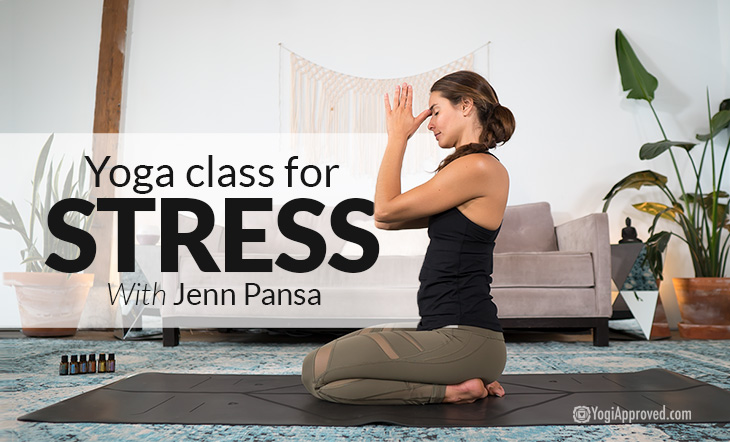
Credit: youaligned.com

Credit: www.mentalhealth.com
Frequently Asked Questions
How Does Fitness Reduce Stress Effectively?
Fitness reduces stress by releasing endorphins, which improve mood and lower anxiety. Regular exercise also helps regulate sleep and boosts energy levels, making it easier to manage daily stressors.
What Types Of Exercise Best Manage Stress?
Aerobic exercises like running, swimming, and cycling are great for stress relief. Yoga and Pilates also help by combining physical movement with mindful breathing techniques, reducing tension and promoting relaxation.
How Often Should I Exercise To Reduce Stress?
Aim for at least 30 minutes of moderate exercise most days of the week. Consistency is key to maintaining stress reduction and improving overall mental well-being.
Can Fitness Improve Mental Health Alongside Stress?
Yes, regular fitness activities enhance mental health by reducing symptoms of depression and anxiety. Exercise promotes brain function and emotional resilience, helping you cope better with stress.
Conclusion
Using fitness helps lower stress and improves your mood daily. Exercise boosts energy and clears your mind. Small, regular workouts create big benefits over time. Choose activities you enjoy to stay motivated. Remember, managing stress is a journey, not a race.
Stay consistent and patient with your efforts. Fitness can become a healthy habit that supports your well-being. Keep moving, breathe deeply, and embrace the positive changes. Your body and mind will thank you for it.







