
Are you stepping into the gym but feeling unsure about how to use the equipment? You’re not alone.
Many people find gym machines confusing or intimidating at first. But once you learn the right way to use them, your workouts become more effective—and safer. This guide will show you simple, clear steps to master the exercise equipment. By the end, you’ll feel confident and ready to make the most of every visit.
Keep reading, and unlock the full potential of your gym time!
Choosing The Right Equipment
Choosing the right equipment is key to a successful gym workout. Each machine or tool serves a unique purpose. Selecting equipment that fits your goals makes exercise safer and more effective. Consider your fitness level, preferences, and workout type before picking gear.
Understanding different types of equipment helps you make smarter choices. Focus on what your body needs. This guide breaks down popular gym tools into three main groups.
Cardio Machines
Cardio machines improve heart health and burn calories fast. Common options include treadmills, ellipticals, and stationary bikes. Each offers a low-impact way to raise your heart rate.
- Treadmills simulate walking or running outdoors.
- Ellipticals provide smooth, joint-friendly movement.
- Stationary bikes build leg strength while boosting endurance.
Choose machines that feel comfortable and match your stamina. Start slow, increase intensity over time.
Strength Training Gear
Strength training builds muscle and tones your body. Free weights, machines, and resistance bands are top choices.
- Dumbbells and barbells allow full range of motion.
- Weight machines guide your movements safely.
- Resistance bands add variable tension for muscle work.
Pick gear that suits your strength level. Focus on form to avoid injury.
Flexibility Tools
Flexibility tools help stretch muscles and prevent stiffness. Foam rollers, yoga mats, and stretch straps are common.
- Foam rollers ease muscle tightness and improve blood flow.
- Yoga mats provide comfort during stretches and poses.
- Stretch straps assist in deeper, controlled stretches.
Use these tools regularly to increase your range of motion. They support recovery and reduce soreness.
Preparing For Your Workout
Familiarize yourself with each machine before starting your workout to avoid injury. Adjust settings like weight and seat height for comfort. Always follow instructions or ask gym staff for help when unsure.
Preparing for Your Workout Getting ready for a workout is more than just showing up at the gym. It involves setting the stage for a safe and effective session. Whether you’re a seasoned gym-goer or a newbie, a little preparation can make a big difference in your performance and results.Warm-up Exercises
Starting with a warm-up is essential. It prepares your body for more intense activities, reducing the risk of injury. Spend at least 5-10 minutes on dynamic exercises like jumping jacks or arm circles. These movements increase your heart rate and improve blood flow to your muscles. Consider adding light stretches to your routine. Focus on major muscle groups you’ll use in your workout. This can help improve your flexibility and overall performance.Proper Clothing And Footwear
What you wear to the gym matters. Opt for breathable, moisture-wicking fabrics that keep you comfortable and dry. Avoid cotton as it tends to trap sweat and can lead to chafing. Footwear is equally important. Choose shoes that provide good support and match the type of workout you’ll be doing. For instance, running shoes are great for cardio, but you might need cross-trainers for weightlifting.Safety Tips
Safety should always be a priority during workouts. Always check the condition of the equipment before using it. Ensure that weights are secure and machines are functioning properly. Stay hydrated throughout your session. Dehydration can lead to fatigue and dizziness, affecting your performance and concentration. Remember, it’s better to take small sips of water rather than large gulps to avoid discomfort. Lastly, listen to your body. If something feels off or painful, stop and assess the situation. Pushing through pain can lead to serious injuries, so it’s crucial to know your limits.Using Cardio Machines
Using cardio machines helps improve heart health and burn calories fast. These machines suit all fitness levels. Start slow and increase intensity over time. Each machine offers a unique way to exercise.
Treadmills
Treadmills simulate walking or running indoors. Adjust the speed and incline to match your fitness level. Stand upright, keep your feet flat, and swing your arms naturally. Use the handrails only for balance, not support. Start with a warm-up walk before running or jogging.
Ellipticals
Ellipticals provide low-impact cardio. They reduce stress on your joints while working legs and arms. Keep your feet flat on the pedals and hold the handles. Move in a smooth, circular motion. Control the resistance to increase or decrease effort.
Stationary Bikes
Stationary bikes are great for leg strength and endurance. Adjust the seat height so knees bend slightly at the bottom of each pedal stroke. Keep your back straight and hands relaxed on the handlebars. Pedal at a steady pace, changing resistance to challenge yourself.
Rowing Machines
Rowing machines offer full-body workouts. Sit with your back straight and feet secured on footrests. Use legs, core, and arms to pull the handle toward your chest. Return smoothly to the starting position. Maintain a steady rhythm and avoid jerky movements.

Credit: strengthwarehouseusa.com
Strength Training Basics
Strength training is a key part of any gym routine. It helps you build muscle, improve endurance, and boost metabolism. Understanding the basics of how to use different types of exercise equipment can make your workouts safer and more effective.
Free Weights
Free weights include dumbbells, barbells, and kettlebells. They allow you to move naturally and engage stabilizer muscles, which helps improve balance and coordination.
When using free weights, start with lighter weights to master your form. Gradually increase the weight as you get stronger. Have you noticed how your body feels more in control after a few weeks of lifting free weights?
Keep your movements slow and steady. Avoid swinging the weights or using momentum, as this can cause injury. Focus on controlled reps to get the most benefit.
Weight Machines
Weight machines guide your movements along a set path. This can be helpful if you’re new to strength training or recovering from an injury. They reduce the risk of poor form by stabilizing your body.
Adjust the seat and handles to fit your body size before starting. Use a weight that challenges you but allows you to complete your reps without straining.
Machines are great for isolating specific muscles. Have you tried mixing machines with free weights to target muscles differently?
Resistance Bands
Resistance bands are versatile and portable tools for strength training. They provide constant tension throughout the movement, helping you build strength and flexibility.
Different colors usually indicate different resistance levels. Start with a lighter band and increase resistance as you improve.
Use bands for exercises like squats, rows, and chest presses. Have you experienced how resistance bands can activate muscles you rarely use with other equipment?
Correct Form And Technique
Using exercise equipment with the right form and technique is key to getting the most from your workout while avoiding injuries. It’s not just about moving weights or machines; it’s about controlling your body and understanding each movement’s purpose. Paying attention to how you position yourself and how you breathe can make a huge difference in your progress and safety.
Common Mistakes
Many gym-goers rush through exercises or lift heavier weights than they can handle, leading to poor form. One common mistake is rounding your back during exercises like deadlifts or rows, which puts strain on your spine. Another error is locking your joints fully at the top of a movement, which can cause unnecessary stress and limit muscle engagement.
Have you ever felt a sharp pain during a workout? It might be your body signaling that your technique needs adjustment. Always start with lighter weights and focus on mastering the movement before increasing intensity.
Body Alignment
Keeping your body properly aligned supports muscle engagement and protects your joints. For example, during a squat, your feet should be shoulder-width apart, knees tracking over your toes, and chest lifted. Your spine should maintain a neutral curve—avoid arching or rounding your back.
Imagine your body is a straight line from head to heels during plank exercises. This alignment maximizes core activation and prevents lower back strain. Small tweaks like adjusting your head position or tightening your core can improve your overall posture and effectiveness.
Breathing Tips
Breathing might seem simple, but it plays a vital role in your exercise performance. Generally, exhale during the exertion phase—like pushing or lifting—and inhale during the easier phase, such as lowering the weight. This pattern helps maintain intra-abdominal pressure and supports stability.
Have you noticed holding your breath during tough reps? This can spike your blood pressure and make you dizzy. Try to keep your breath steady and controlled, even when the exercise gets challenging.

Credit: www.silversneakers.com
Creating A Balanced Routine
Creating a balanced routine in the gym helps improve fitness and prevents injury. It combines different types of exercises to target various muscle groups and energy systems. This approach keeps workouts interesting and effective. A good routine includes cardio, strength training, rest, and tracking progress for steady improvement.
Combining Cardio And Strength
Cardio exercises increase heart rate and improve endurance. Strength training builds muscle and boosts metabolism. Mixing both creates a well-rounded workout. For example:
- Start with 20 minutes of treadmill or cycling
- Follow with 30 minutes of weight machines or free weights
- Include bodyweight exercises like push-ups or squats
This blend enhances overall fitness and balances energy use. It also reduces boredom and keeps motivation high.
Rest And Recovery
Rest days are vital for muscle repair and growth. Overtraining can lead to fatigue and injury. Plan at least one or two rest days each week. Use these days for light activities such as walking or stretching. Sleep also plays a key role in recovery. Aim for 7 to 9 hours of quality sleep every night.
Tracking Progress
Tracking progress helps stay motivated and see results. Keep a workout journal or use a fitness app. Record details like:
- Exercises performed
- Weights used
- Repetitions and sets
- Time spent on cardio
Regularly review your notes to adjust your routine. Celebrate small achievements to keep going strong.
Maintaining Equipment Hygiene
Maintaining hygiene on gym equipment protects everyone from germs and infections. Clean equipment creates a safer workout space. It also helps the machines last longer. Each user plays a part in keeping the gym clean and healthy.
Cleaning Protocols
Wipe down machines before and after use. Use the disinfectant sprays or wipes provided by the gym. Focus on handles, seats, and touchscreens. Avoid sharing towels; bring your own if needed. Dispose of used wipes in trash bins.
Personal Hygiene
Wash hands before and after workouts. Use hand sanitizer when soap is unavailable. Avoid touching your face during exercise. Wear clean workout clothes every day. Carry a small towel to absorb sweat.
Respecting Gym Rules
Follow all posted hygiene guidelines strictly. Report any broken or dirty equipment to staff. Do not use machines that look unsanitary. Keep your workout area tidy. Respect others by practicing good hygiene habits.
Seeking Professional Help
Knowing how to use exercise equipment correctly can make a huge difference in your workout results and safety. Sometimes, figuring it out on your own isn’t enough. Seeking professional help can guide you to use machines effectively and avoid injuries.
Personal Trainers
Hiring a personal trainer gives you direct access to expert advice tailored to your goals. They watch your form closely and correct any mistakes immediately, helping you learn the right way to use each piece of equipment.
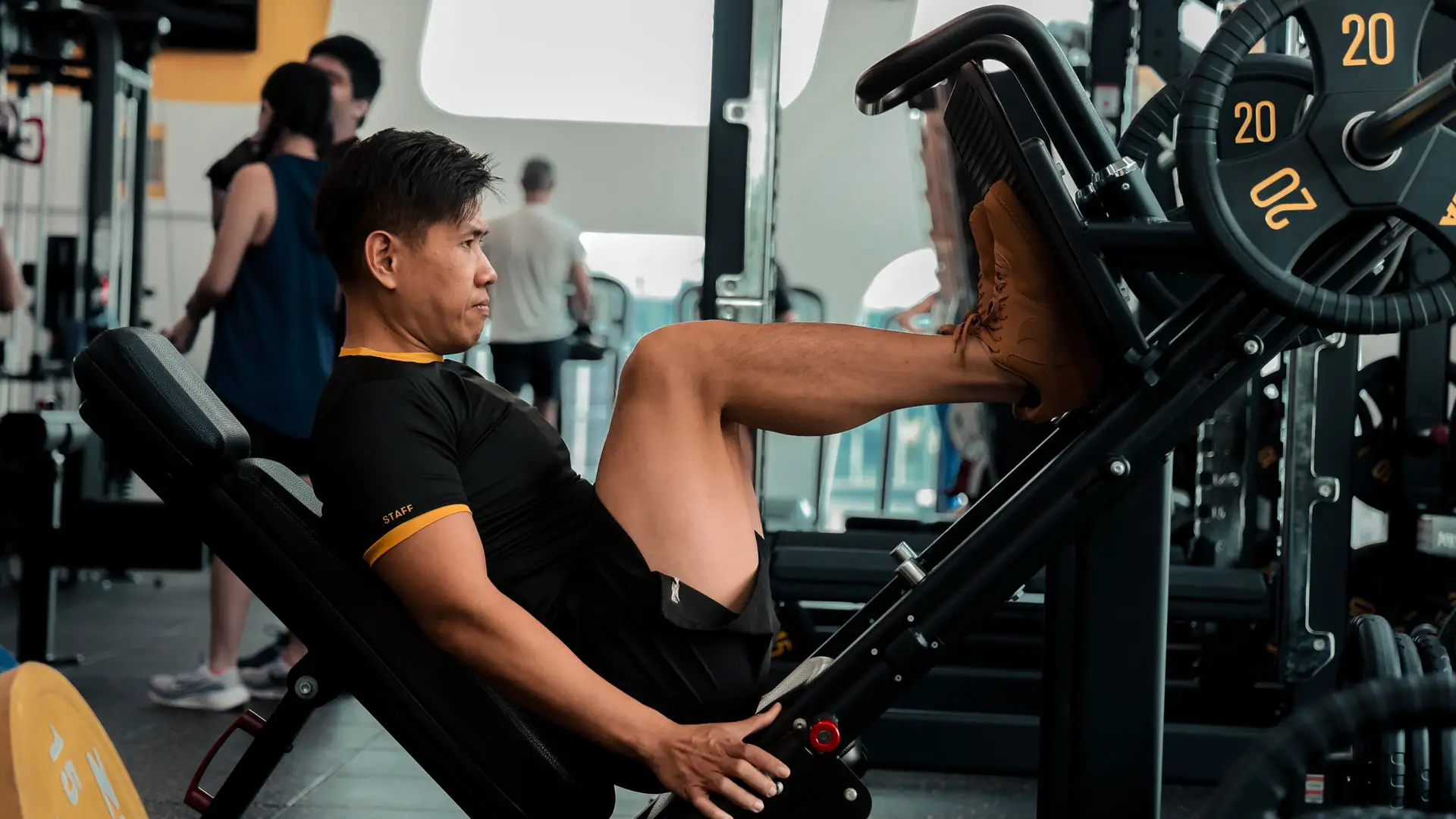
I once struggled with the leg press machine until a trainer showed me how to adjust my foot placement. That small change improved my workout and prevented knee pain. How often do you think proper guidance could improve your routine?
Group Classes
Group classes often include supervised sessions with exercise equipment demonstrations. These classes give you a chance to see others use machines correctly and ask questions in real time.
Plus, the group environment motivates you to push yourself while staying safe. Have you tried a class that introduced you to new equipment or techniques?
Using Online Resources
There are countless videos and tutorials available online that show proper use of gym equipment. Look for trusted sources, like certified trainers or reputable fitness channels, to avoid misinformation.
Before trying a new machine, watching a few well-made tutorials can boost your confidence and effectiveness. Which online resource have you found most helpful for learning gym equipment?
Credit: www.gofit-gym.com
Frequently Asked Questions
How Do I Start Using Gym Exercise Equipment Safely?
Begin with a warm-up and read equipment instructions carefully. Ask gym staff for guidance. Start with light weights or low resistance. Maintain proper posture to avoid injuries. Gradually increase intensity as you gain confidence and strength.
Which Exercise Machines Target Full Body Workouts?
Rowing machines, elliptical trainers, and circuit training machines target full body muscles. They combine cardio and strength elements. These machines engage arms, legs, and core simultaneously. Using them improves overall fitness efficiently.
How Often Should I Clean Gym Equipment After Use?
Wipe down equipment after each use with disinfectant sprays or wipes. This practice prevents the spread of germs and bacteria. Carry your own cleaning supplies for convenience. Maintaining hygiene benefits everyone in the gym.
Can Beginners Use Free Weights Safely Without A Trainer?
Yes, beginners can use free weights safely with proper knowledge. Start with light weights and focus on correct form. Watch instructional videos or consult gym staff. Avoid lifting heavy weights alone to prevent injuries.
Conclusion
Using gym equipment correctly helps you stay safe and get results. Start with light weights and learn the right form. Ask gym staff for help if unsure. Keep your workouts steady and focus on your goals. Regular exercise builds strength and improves health.
Enjoy your time at the gym and stay consistent. Small steps lead to big progress over time. Stay patient and listen to your body. Using equipment well makes fitness easier and more fun.







