
Do you ever feel your heart race or your mind freeze the moment you step into the gym? That nervous energy holding you back from lifting heavier, running faster, or simply enjoying your workout?
You’re not alone. Gym performance anxiety can sneak up on anyone, turning what should be a time of strength and growth into a source of stress. But what if you could change that? What if you could walk into the gym feeling confident, focused, and ready to crush your goals?
Keep reading, because inside this article, you’ll discover simple, proven ways to overcome gym performance anxiety and unlock your true potential. Your best workout yet is just around the corner.

Credit: betterhumans.pub
Causes Of Gym Performance Anxiety
Gym performance anxiety can sneak up on anyone, making workouts feel more stressful than energizing. Understanding what triggers this anxiety is key to overcoming it. Let’s break down some common causes that might be holding you back from feeling confident during your gym sessions.
Fear Of Judgment
Many people worry about what others think of their appearance or abilities while working out. You might catch yourself wondering if others are noticing your mistakes or judging your fitness level. This fear can freeze your progress, causing hesitation or avoidance.
Think about a time you felt watched or judged—did it stop you from trying something new? Recognizing this fear is the first step to pushing past it.
Comparing Yourself To Others
Gyms often display a variety of skill and fitness levels, which can make you feel like you’re not measuring up. Watching someone lift heavier weights or run faster can create a negative self-comparison. This comparison can lower your self-esteem and increase anxiety.
Ask yourself: Are you focusing on others’ strengths instead of your own progress? Shifting your mindset to personal growth can reduce this pressure.
Lack Of Experience
Walking into a gym without knowing how to use the equipment or proper exercise form can be intimidating. Uncertainty often leads to self-doubt and worry about doing something wrong. This inexperience can make you hesitant to fully engage in your workout.
Try learning one new exercise at a time or asking a trainer for guidance. Gaining knowledge builds confidence and reduces anxiety.
Past Negative Experiences
Maybe you once felt embarrassed or faced criticism at the gym, and those memories still affect how you feel today. Negative past experiences can create a mental block, making you expect failure or judgment again. This anticipation can make every gym visit stressful.
Consider how those past moments shape your current feelings. Changing your narrative by focusing on what you’ve learned can help you move forward.
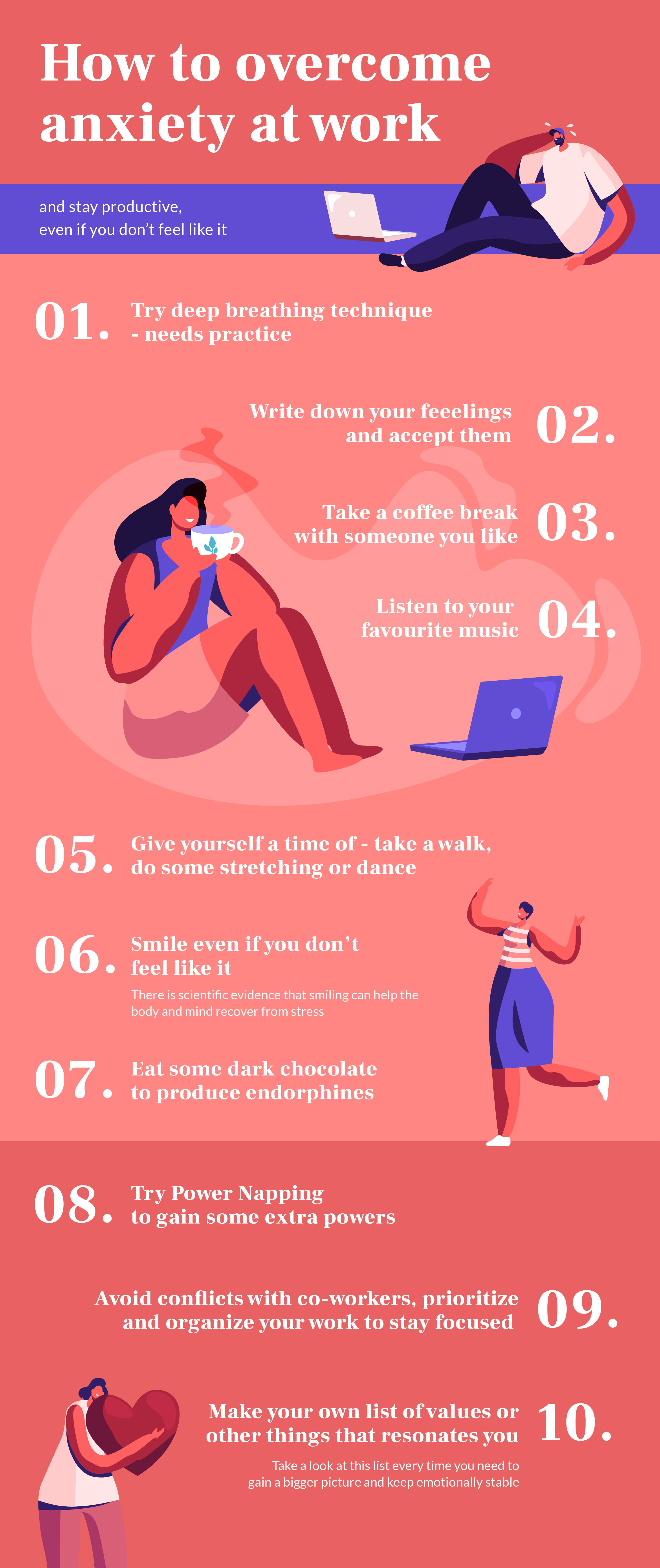
Credit: medium.com
Preparing Mentally Before Workouts
Taking a few deep breaths calms your mind before exercise. Visualize success to boost confidence and reduce fear. Focus on your own progress, not others around you.
Preparing mentally before workouts can significantly reduce gym performance anxiety. It sets the tone for a productive session. A clear mind helps in focusing on exercises. It enhances confidence and motivation. Here are some effective techniques to prepare mentally.Setting Realistic Goals
Start with small, achievable goals. Aim for progress, not perfection. Break larger goals into smaller steps. Celebrate each small win. This builds confidence and reduces anxiety.Visualization Techniques
Imagine yourself performing exercises with ease. Visualize success before starting. Picture your strong, confident self. This mental rehearsal prepares your mind and body.Positive Self-talk
Replace negative thoughts with positive affirmations. Tell yourself you are capable. Encourage yourself like a supportive friend. Positive words boost self-belief and lower stress.Breathing Exercises
Practice deep breathing before workouts. Inhale deeply through your nose. Exhale slowly through your mouth. This calms nerves and focuses the mind. Use breathing to control anxiety.Building Confidence Through Routine
Building confidence through routine is a powerful way to reduce gym performance anxiety. Establishing a steady workout habit creates a sense of control and familiarity. This helps your mind focus on progress, not fear.
Consistent actions lead to predictable results. Your body adapts, and your confidence grows with each session. Routine turns uncertainty into comfort, making the gym feel less intimidating.
Consistent Workout Schedule
Choose specific days and times for your workouts. Stick to this schedule as much as possible. Consistency trains your body and mind to expect exercise. This reduces anxiety about what will happen during your gym time.
Regular visits build muscle memory and mental ease. Your body learns how to perform exercises better. Your mind feels ready, lowering stress and fear.
Tracking Progress
Record your workouts in a journal or app. Note weights, reps, and how you feel. Seeing improvements, even small ones, boosts your confidence. It shows that your effort leads to real results.
Tracking helps focus on growth, not on doubts or comparisons. It creates positive motivation and a clear path forward. Your anxiety fades as you witness your success.
Starting With Familiar Exercises
Begin your routine with exercises you know well. This prevents feeling lost or overwhelmed at the gym. Familiar moves build comfort and ease tension.
Once confident with these, slowly add new exercises. This gradual approach keeps anxiety low. It allows your body and mind to adjust step-by-step.
Seeking Support From Trainers
Ask trainers for guidance and feedback. They provide expert help tailored to your needs. Trainers can teach proper form and technique, reducing fear of injury.
Support from a trainer builds trust and confidence. Their encouragement makes the gym a safer, friendlier place. You feel less alone in your fitness journey.

Credit: www.youtube.com
Practical Tips During Gym Sessions
Managing gym performance anxiety during your workout sessions can make a huge difference in how you feel and perform. Simple adjustments to your focus and routine can help reduce stress and boost your confidence right on the gym floor. Here are some practical tips you can apply immediately during your gym time.
Focusing On Personal Form
Concentrate on your own movements instead of what others are doing around you. Perfecting your form not only improves results but also shifts your mind away from anxious thoughts. When I started paying close attention to how I moved through each exercise, I noticed my confidence grew and my anxiety lessened.
Try breaking down each exercise into smaller steps and focus on executing them correctly. Ask yourself, “Am I doing this safely and effectively?” This keeps your mind engaged and away from distractions.
Using Music To Stay Motivated
Music can be a powerful tool to keep your energy high and your mind focused. Create a playlist of songs that pump you up and block out any negative thoughts or noise around you. I find that music turns my workout into a personal zone, where external pressures fade away.
Choose tracks with steady beats to maintain a consistent rhythm. Experiment with different genres to see what boosts your mood and concentration the most.
Taking Breaks When Needed
It’s okay to pause when you feel overwhelmed or tense. Short breaks help you reset mentally and physically, preventing burnout and anxiety spikes. Even a minute or two of deep breathing or stretching can calm your nerves.
Listening to your body is key. Asking yourself, “Do I need a moment to recharge?” can prevent performance anxiety from building up during your session.
Avoiding Comparing With Others
Comparing your progress or abilities to others at the gym often fuels anxiety and self-doubt. Remember, everyone has their own pace and goals. I used to worry about how others lifted or how fast they moved, but focusing on my own journey made a huge difference.
Try to remind yourself that your workout is about your personal health and growth. Celebrate small victories and improvements instead of measuring yourself against others.
Creating A Supportive Gym Environment
Building a supportive gym environment can make a huge difference in overcoming performance anxiety. The right setting helps you feel comfortable, focused, and motivated. It also reduces the pressure of feeling watched or judged, allowing you to concentrate on your progress.
Choosing Less Crowded Times
Visiting the gym during off-peak hours can ease anxiety. With fewer people around, you get more space and less noise. This calm atmosphere lets you try new exercises without worrying about an audience.
Try early mornings or late evenings if your schedule allows. You might find that quieter times help you build confidence faster. Have you noticed how less crowd changes your workout mood?
Finding Workout Buddies
Working out with a friend adds encouragement and accountability. A buddy can cheer you on, spot you during lifts, and share tips. This shared experience makes the gym feel less intimidating and more fun.
Look for someone with similar fitness goals or a positive attitude. Even a casual gym acquaintance can turn into a supportive partner. How could having a workout buddy change your gym experience?
Joining Group Classes
Group classes create a sense of community and structure. They guide you through exercises with an instructor’s support, reducing uncertainty. Plus, you’re surrounded by others who are also focused on their fitness journey.
Classes like yoga, spin, or circuit training can boost your confidence and help you learn proper form. The energy of a group often pushes you to do your best without feeling singled out. Have you tried a class that helped you feel more comfortable?
Communicating With Staff
Don’t hesitate to talk to gym staff about your concerns. They are there to help and can offer advice tailored to your needs. Staff can show you how to use equipment correctly or suggest less busy areas of the gym.
Building a rapport with trainers or receptionists creates a support system. This connection can ease anxiety and make your visits more enjoyable. What questions could you ask your gym staff to feel more at ease?
Long-term Strategies For Success
Overcoming gym performance anxiety is a journey that benefits greatly from strategies focused on long-term growth. These approaches help you build confidence steadily and create a positive workout experience that lasts. What habits can you develop today that will support your progress months from now?
Building Self-esteem Outside Gym
Your confidence in the gym often mirrors how you feel about yourself in daily life. Spend time on activities that make you feel capable and valued—whether it’s learning a new skill, volunteering, or pursuing hobbies. These wins boost your self-esteem, making anxiety in the gym less overwhelming.
Remember, confidence gained outside the gym spills over to your workouts. When you feel good about yourself, you’re more likely to approach the gym with a positive mindset rather than fear or doubt.
Celebrating Small Wins
It’s easy to focus only on big goals, but small achievements can be powerful motivators. Did you add an extra rep? Stayed consistent for a week? These moments deserve recognition.
- Keep a workout journal and note every progress, no matter how small.
- Reward yourself with something enjoyable after meeting mini goals.
- Share your achievements with a supportive friend or community.
What small victory can you celebrate today to keep anxiety at bay?
Adapting Workouts To Preferences
Not every workout suits everyone. If crowded weight areas spike your anxiety, try less busy times or switch to solo activities like swimming or cycling. Tailoring your routine to what feels enjoyable and manageable reduces stress and increases consistency.
Think about what exercises excite you or make you lose track of time. When you like what you do, showing up becomes easier and anxiety fades.
Seeking Professional Help If Needed
Sometimes, anxiety runs deep and requires more than self-help strategies. Don’t hesitate to consult a therapist or counselor who can provide tools to manage performance anxiety effectively.
Personal trainers can also help by creating supportive, customized plans and offering encouragement. Would a professional’s guidance give you the extra confidence boost you need?
Frequently Asked Questions
What Causes Gym Performance Anxiety In Beginners?
Gym performance anxiety often stems from fear of judgment and lack of experience. Newcomers worry about making mistakes or being watched. This anxiety can reduce confidence and hinder progress. Understanding these triggers helps in managing and overcoming gym-related stress effectively.
How Can I Build Confidence To Reduce Gym Anxiety?
Start with simple workouts and gradually increase intensity. Focus on your progress, not others. Use positive self-talk and visualize success. Consistent practice boosts confidence and reduces fear. Remember, everyone starts somewhere; patience is key to overcoming anxiety.
Are Breathing Exercises Effective For Gym Anxiety?
Yes, deep breathing calms the nervous system and reduces stress. Practice slow, controlled breaths before and during workouts. This helps lower heart rate and improves focus. Regular breathing exercises can significantly ease gym-related anxiety and enhance performance.
Should I Workout With A Friend To Ease Anxiety?
Exercising with a friend provides support and motivation. It creates a comfortable environment, reducing feelings of isolation. A workout buddy can offer encouragement and help maintain consistency. This social aspect often makes gym visits less intimidating and more enjoyable.
Conclusion
Overcoming gym anxiety takes time and small steps. Start with simple exercises and build confidence. Focus on your progress, not others around you. Breathing deeply can calm nerves before workouts. Remember, everyone was a beginner once. Consistency helps reduce fear and improve performance.
Celebrate small victories to stay motivated. Keep your goals clear and realistic. Anxiety will lessen as you practice more. Trust yourself and enjoy the journey. You have the power to feel strong and confident at the gym.







